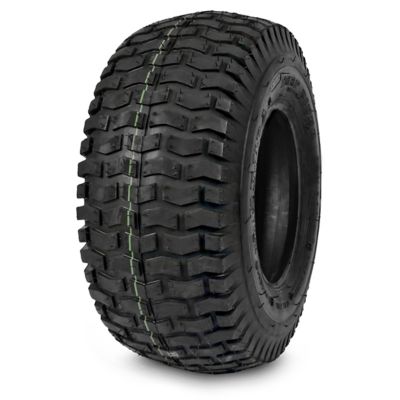
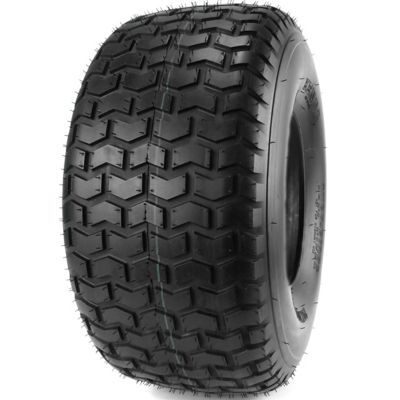
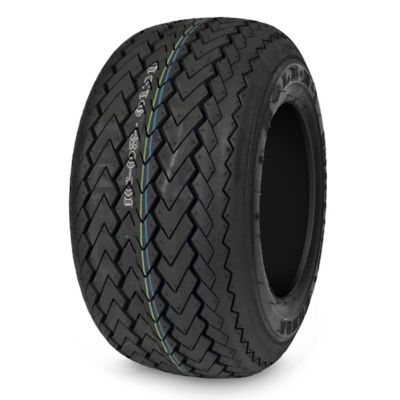
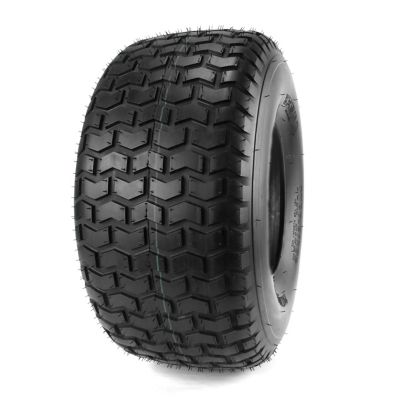
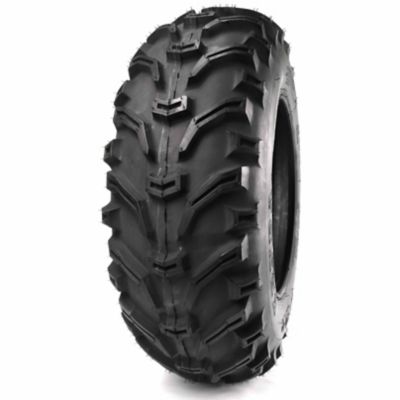
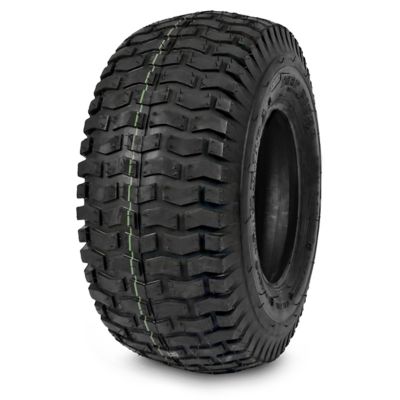
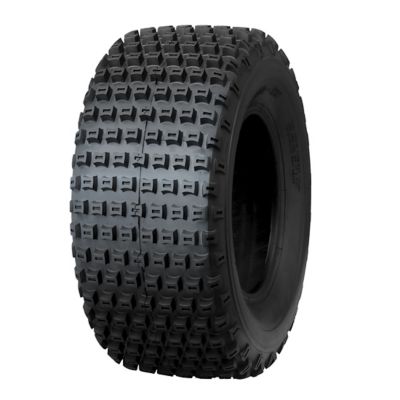
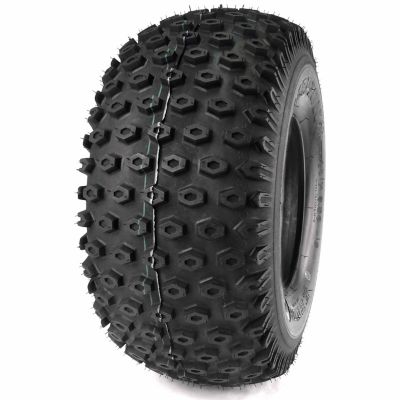
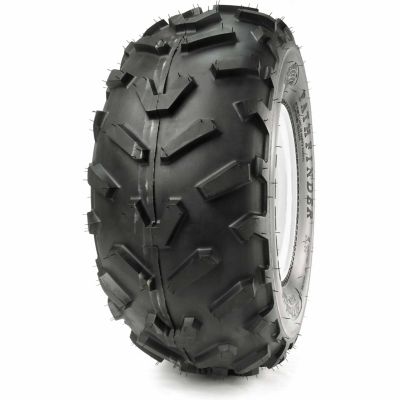
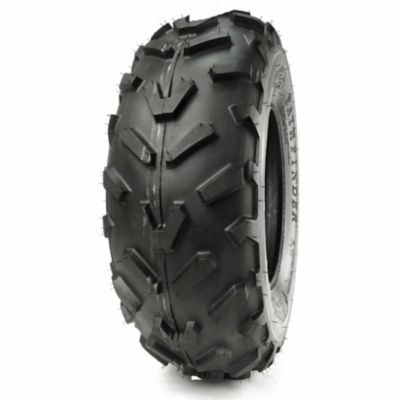
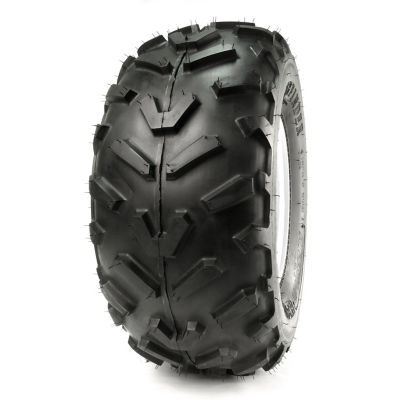
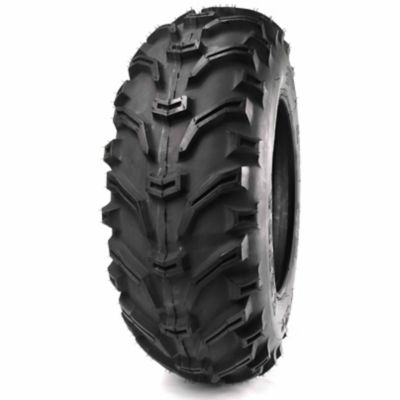
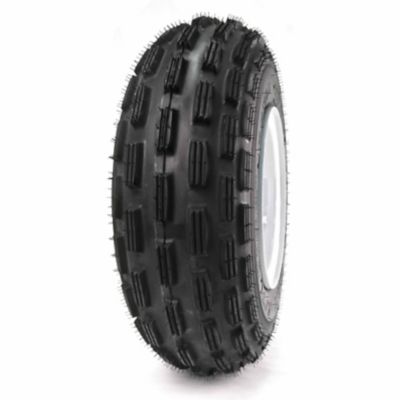
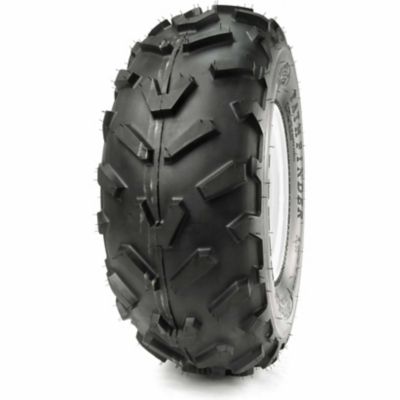
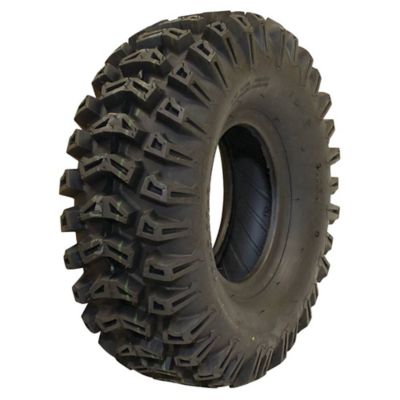
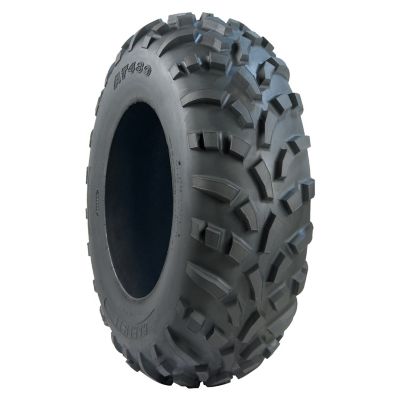
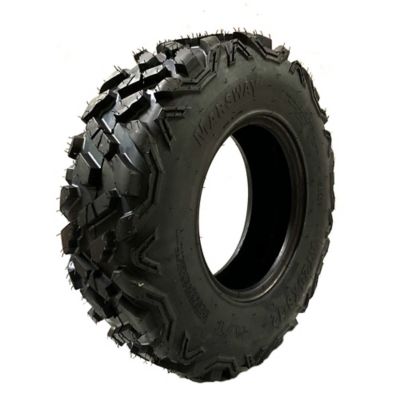
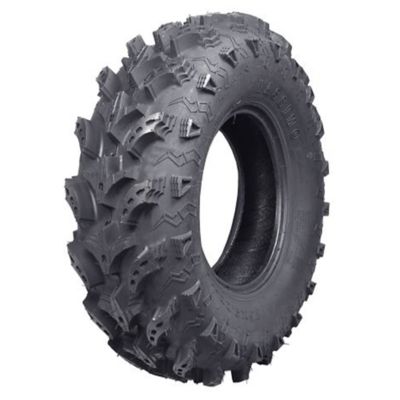
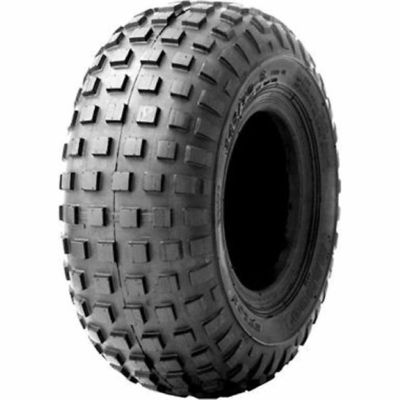
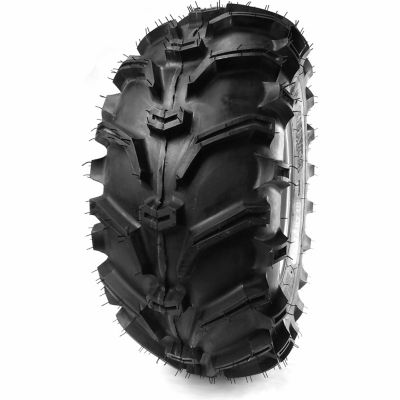
Dirt bike tires are built for traction on unpaved ground, with tread patterns and rubber compounds that suit different kinds of riding. The best match depends on the terrain, the motorcycle’s fit requirements and how the rider spends time on the bike. A sandy trail, a hard-packed practice track and a rocky stretch of single-track each ask something different of the tread. Soft-terrain dirt bike tires generally have taller, more widely spaced knobs that dig into loose soil and leave room for dirt to clear between them. Tires intended for hard terrain typically have shorter, more closely spaced knobs that support contact on firm ground. Intermediate-terrain designs cover a broader middle range, making them worth considering for routes that run from loose corners to packed farm lanes. Rubber softness and terrain labels describe different things: a soft-terrain tire does not necessarily have a soft rubber compound. Some technical trail and enduro tires feature softer compounds that conform around rocks and roots, though those compounds can wear faster under hard acceleration or on abrasive surfaces. Firmer compounds may offer longer tread life, but compound alone does not determine grip or wear. Knob shape, spacing and support all play a part. Beneath the tread, reinforced carcass layers help the tire hold its shape and respond to impacts. A more flexible carcass can follow uneven ground, while a stiffer construction can provide additional support; neither is the right answer for every bike and trail. Front dirt bike tires emphasize steering, cornering and braking, while rear dirt bike tires handle much of the drive force that pushes the motorcycle forward. That difference explains why front and rear tread designs often look quite different, even within the same intended riding application. For riders splitting time between trail loops and practice laps, matching the tire’s purpose to the ground beneath it matters more than choosing the most aggressive-looking tread.
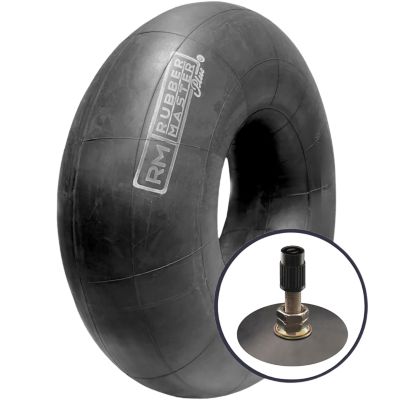
Proper fit starts with the motorcycle manufacturer’s tire specifications, not just the size of the tire already on the bike. Dirt bike tire sizes identify dimensions such as width, sidewall proportions and rim diameter, although sizing formats can vary. Rim diameter must match, and the tire’s approved rim-width range matters just as much. A wider rear tire is not automatically an improvement: extra width can change handling, reduce clearance or interfere with the chain, swingarm or other components. Clearance needs to remain suitable throughout suspension movement, not merely while the motorcycle sits on a stand. Smaller trail bikes, full-size motocross motorcycles and enduro bikes can require very different combinations, so appearance alone is no substitute for checking specifications. Front or rear designation, rotation arrows, construction type and any mounting restrictions also belong in the fit decision. Tube-type and tubeless markings deserve attention, too. A tubeless-marked tire does not turn a conventional spoked wheel into an airtight assembly, and any tube, rim strip, valve or alternative insert must be compatible with the complete wheel setup. Rim locks, where specified, help resist tire movement on the rim, but they do not replace proper inflation or sound installation. Tire pressure affects steering feel, traction, casing support and the chance of rim damage or a pinched tube. The appropriate setting depends on the motorcycle, tire, rider load and riding application, so recommendations from the bike and tire manufacturers take priority over a pressure copied from another rider. Sidewall maximum-pressure markings should not be mistaken for a universal riding setting. Mounting also calls for care around the bead and tube; professional installation makes sense when the right equipment or experience is missing. For routes that include public roads, the tires must carry the necessary road-use markings and meet applicable requirements. An off-road-only tread is not suitable for pavement travel simply because the bike can reach it, and tire approval does not establish that the motorcycle itself is street legal.
Tread life comes down to more than the number of rides on a tire. Sharp rocks, hard braking, wheelspin, rider weight and the surfaces along a route all influence how quickly the knobs wear. A rear tire that spends its time driving through loose soil may age differently from one that repeatedly crosses abrasive hardpack. Rounded knob edges can reduce bite, while torn knobs, cracking, exposed reinforcement, bulges or repeated pressure loss call for closer attention before another ride. The front tire deserves the same attention as the rear, even when its tread still looks deeper, because steering and braking depend on its condition. A pressure check with a suitable gauge and a look over the tread, sidewalls, valve area and rim are sensible parts of getting the bike ready. After a rough trail outing, clearing away packed dirt makes cuts, trapped stones and damaged knobs easier to spot. Mild soap and water are generally appropriate for cleaning, with harsh solvents, fuel and oil kept away from the rubber. Storage away from direct sunlight, ozone-producing equipment and chemicals helps protect tires between rides; the manufacturer’s care guidance remains the reference for the particular construction. Riders who spend weekends on wooded trails may value predictable grip over roots and ledges, while those practicing on a motocross track may put more emphasis on cornering support and drive out of turns. Family trail riders may favor a versatile tread that suits several surfaces without demanding a narrowly focused setup. Tires can also make a practical gift for someone who spends plenty of time on a dirt bike, provided the exact motorcycle, wheel specifications and riding preferences are known before choosing. For a rider rounding out riding gear,
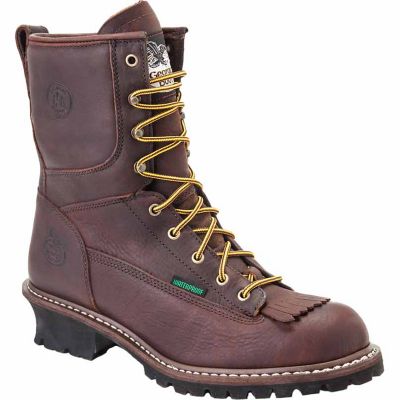
Dirt Bike Boots belong alongside a properly fitted helmet and other protective equipment. Thoughtful tire selection brings the focus back to the ride: steering through a rutted bend, climbing a loose stretch of trail and getting power to the ground with a setup that fits both the motorcycle and the way it is ridden.