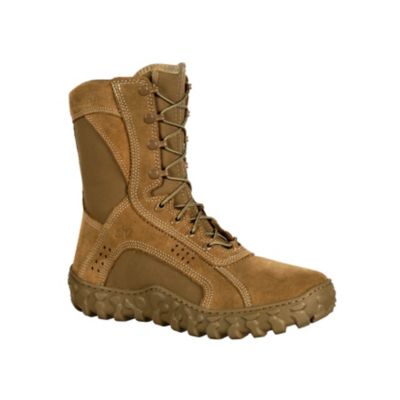
Dirt bike boots, also called motocross or MX boots, are made for the rough, lively conditions that come with riding off road. A regular work boot may handle a trip through the pasture or a walk around the shop, but it is not built to protect a rider’s feet and lower legs from the impacts, twists, roost, rocks, ruts, and unexpected dabs that can happen on a dirt bike. Specialized dirt bike boots use stiff, supportive construction to help keep the ankle stable and the foot positioned properly on the peg. Reinforced areas around the toe, heel, shin, and ankle help guard against bumps and abrasion, while durable materials are designed to stand up to mud, dust, brush, and repeated use. A sturdy sole provides traction when a rider has to put a foot down, push through a muddy stretch, or walk across uneven ground after a ride. These boots are a practical choice for motocross racers, trail riders, farm kids learning to ride, weekend riders exploring wooded paths, and anyone who spends time on an ATV or dirt bike in demanding conditions. They can also make a thoughtful gift for a rider who has outgrown a pair of basic boots or is building a more complete set of riding gear. Protective equipment tends to get used often, and a well-fitting pair of dirt bike boots can bring confidence to every ride, whether the day calls for a groomed track, a rocky trail, or a wide-open stretch of back pasture.
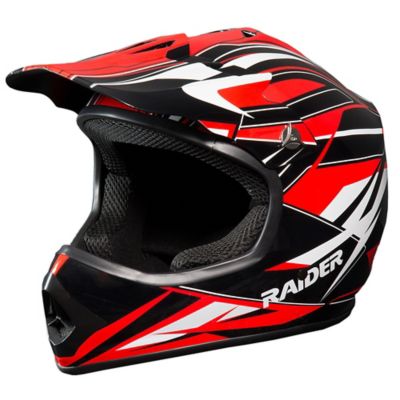
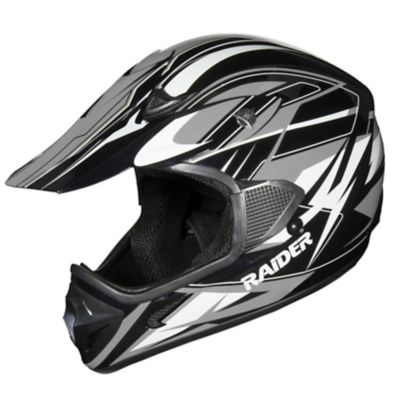
When choosing dirt bike boots, start with fit and intended use. The boot should feel secure around the heel and ankle without pinching, leaving enough room for comfortable riding socks and natural movement in the toes. A little initial stiffness is normal; protective motocross boots are built with firm materials and supportive panels, then gradually become more comfortable as they break in. Look for a shape that gives the toes room to spread without allowing the foot to slide around inside. A flexible fit through the front of the boot can make it easier to shift, brake, and walk, while a supportive ankle area helps limit unwanted movement during a tip-over or rough landing. Buckle systems should close firmly and be easy to adjust with gloved hands. Mud-shedding buckles are especially useful for trail riding, since packed clay and wet soil can make ordinary closures hard to operate. Reinforced zones and abrasion-resistant materials are helpful for riders who brush against branches, rest a boot against the bike, or spend long days on gritty terrain. Pay attention to the sole as well. A durable, grippy tread can help when climbing onto the bike, standing on the pegs, or moving around a slick loading area, while a construction that is firmly attached to the upper is better suited to repeated riding. Breathable materials and moisture-managing interiors can add comfort during warmer rides, while room for thicker socks may be appreciated during cooler months. Riders who spend most of their time on a track may favor a more structured boot with strong impact protection, while trail riders may place extra value on walkability, ventilation, and easy cleaning. Children and teenagers need properly sized gear, not oversized boots bought with the hope that they will grow into them. Boots that are too loose can make shifting and braking harder and may not provide the support they were designed to give. Pairing a well-fitting boot with properly sized riding gear, including
Youth Dirt Bike Helmets, helps young riders stay protected from head to toe.
Dirt bike boots see plenty of hard use, so a little care goes a long way. After a muddy ride, let the dirt dry enough to brush away, then rinse the boots with clean water and use a soft brush to clear the soles, buckles, and seams. Avoid harsh solvents or high heat, which can dry out materials, weaken adhesives, or affect the shape of the boot. Set them in a well-ventilated spot to dry naturally, away from a woodstove, heater, truck bed baking in the sun, or other intense heat source. Check the buckles, straps, sole, stitching, and protective panels from time to time, particularly after a hard fall or a long day on rocky ground. Dirt bike boots are not meant to replace safe riding habits, but they are an important part of a rider’s overall protection and can help reduce the chance of serious foot and ankle injuries. They also keep mud, dust, and sharp debris off the rider’s feet, making it easier to focus on the trail ahead instead of worrying about every rut and rock. As the weather warms, they help riders handle dusty tracks and long afternoons outdoors; during cooler, wetter stretches, sturdy construction and a secure fit help keep feet protected when the trail turns slick. For a new rider, a parent putting together dependable gear for a young enthusiast, or an experienced rider replacing worn-out equipment, dirt bike boots offer a solid blend of protection, traction, support, and durability for life beyond the pavement.