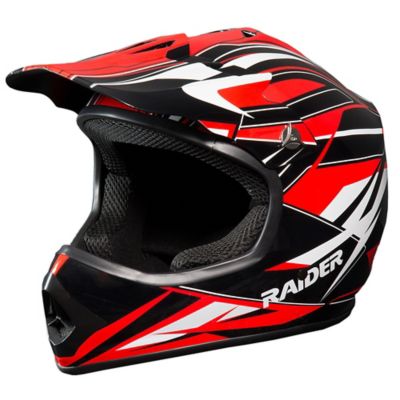
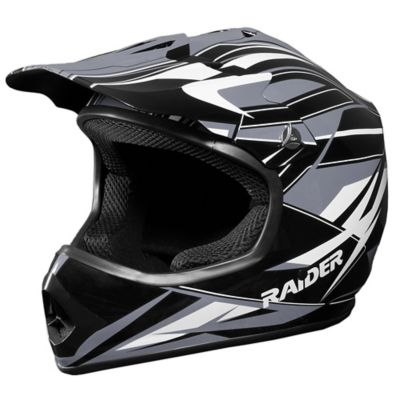
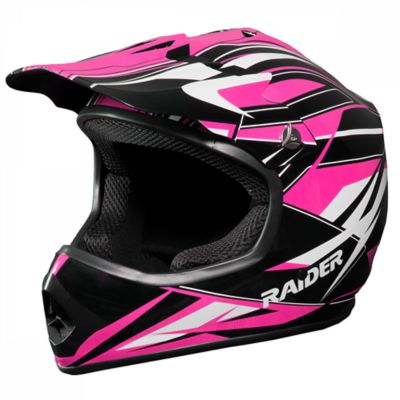
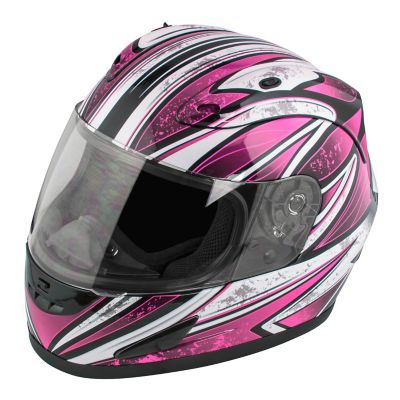
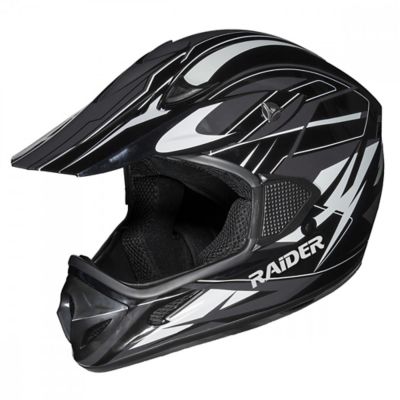
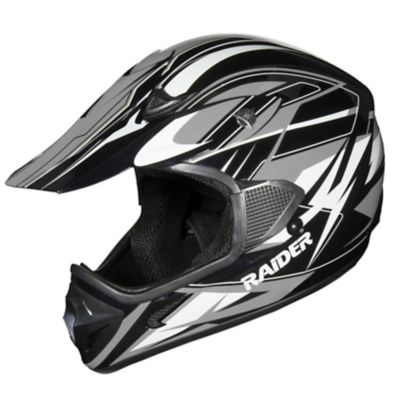
Youth dirt bike helmets are made for young riders who spend time on motocross tracks, wooded trails, open pasture paths, and other off-road areas where dust, gravel, branches, and unexpected falls can be part of the ride. Unlike a bicycle helmet, a dirt bike helmet is typically a full-face design with coverage around the back of the head, ears, cheeks, jaw, and chin. That added coverage matters when a rider tips over in loose soil, catches a rut, or takes a tumble near a fence line. A properly chosen helmet should meet Department of Transportation DOT FMVSS 218 standards at a minimum, and some helmets may also carry ECE certification. Look for the certification label inside or on the helmet rather than relying only on a product description or a familiar-looking shape. Some youth helmets include a MIPS, or Multi-Directional Impact Protection System, layer designed to help manage rotational forces during certain angled impacts. MIPS is an added feature, not a substitute for a certified helmet, a snug fit, or good riding habits. Weight is another important detail for younger riders. A lightweight helmet can feel more comfortable through a long trail ride and may be less tiring for a child who is still building neck strength. Ventilation ports help move air through the shell, which is especially useful during warm afternoons, while washable, moisture-wicking liners make it easier to freshen up after a sweaty ride or a muddy day. Riders who spend time in dusty areas will also appreciate a well-shaped eyeport that works with youth-sized goggles, helping keep grit, bugs, and flying debris out of the eyes without crowding the nose or cheeks. For families shopping for a full range of riding gear,
Motocross Helmets offers additional options for older riders and larger sizes.
Fit should come before color, graphics, or any other finishing touch. Measure around the widest part of the child’s head, keeping the tape just above the eyebrows and ears and around the fullest area at the back. Match that measurement to the maker’s sizing chart, since age ranges can vary and two children of the same age may need different sizes. When the helmet is on, it should feel snug all around without creating a sharp pressure point. The cheek pads may press the cheeks firmly, giving that familiar “chipmunk cheek” look, but the fit should not cause pain or leave the child with numbness. Have the rider open and close their mouth, turn their head from side to side, and look up and down. The helmet should stay in place rather than shifting over the eyes or riding up at the back. Fasten the chin strap and check that it sits securely under the chin, with enough room for comfort but not enough slack for the helmet to move. A simple shake test can help: with the strap buckled, the child should be able to move their head without the helmet sliding independently. Try the helmet with the goggles the rider plans to use, because the goggle strap should sit naturally around the shell and the frame should seal near the eyeport without pushing painfully into the face. It is also worth checking the liner and cheek pads for removable, washable construction. A child may come home with red clay on the sleeves, dust in the boots, and a helmet liner damp from a full afternoon outside, so easy cleaning is a practical feature rather than a small convenience. Avoid buying a used helmet unless its history is completely known. A helmet can look clean on the outside while its inner EPS foam has been weakened by an impact, age, heat, or improper storage. Do not use a helmet after a crash or hard blow, even when there are no obvious cracks. Helmets are built to absorb impact energy, and that protection may not be available for the next ride.
Youth dirt bike helmets can be a thoughtful gift for a child who is starting to ride with a parent, joining a youth motocross program, or getting ready for a family day on the trails. They are also useful for grandparents, relatives, and friends who want to give riding equipment that is practical and exciting without guessing at a motorcycle’s size or engine style. Before gifting one, quietly check the rider’s head measurement, preferred goggle size, and the type of riding they do. A helmet for a small rider learning on a quiet farm path may have different comfort priorities than one used for repeated laps on a motocross track, though every helmet should provide full-face coverage and meet the needed safety standards. Young riders should be supervised by a responsible adult and use the helmet every time the bike is running, including short trips across the property that can feel familiar and harmless. Pairing the helmet with properly fitted goggles, gloves, sturdy boots, long pants, a protective jersey or jacket, and appropriate body protection helps make the whole setup more dependable. Store the helmet in a cool, dry place away from direct sun, fuel, solvents, and the sharp edge of tools in a workshop or shed. Keep it off the seat of a hot ATV or truck where heat can build up, and avoid decorating it with stickers, paint, or adhesives unless the helmet maker allows them. During the warmer riding season, good airflow and frequent water breaks can help a young rider stay comfortable; as cooler weather settles in, make sure a bulky hat or winter layer is not placed underneath the helmet and changes the fit. A helmet that stays snug, clean, certified, and in good condition gives young riders the confidence to focus on learning throttle control, watching the trail, and enjoying the familiar sounds of tires on packed dirt.