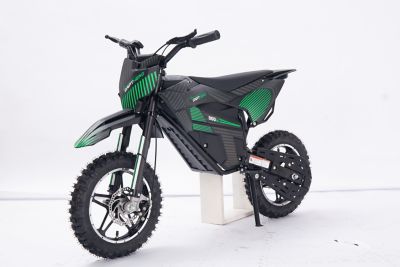
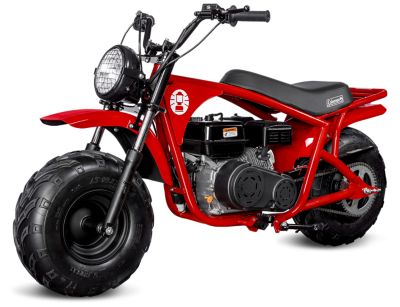
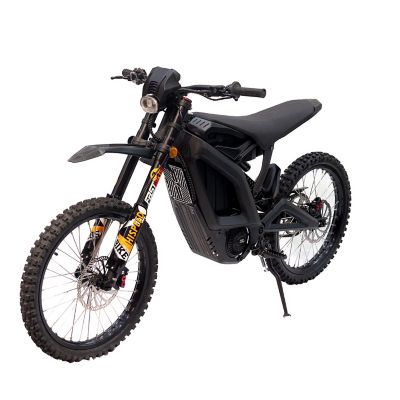
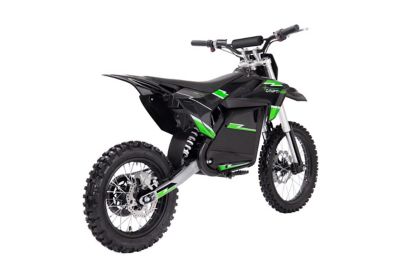
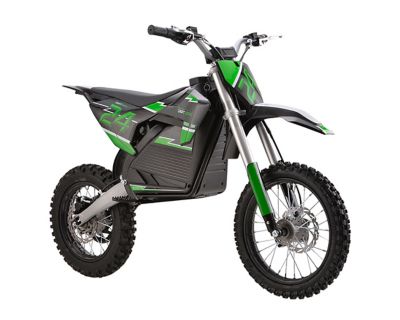
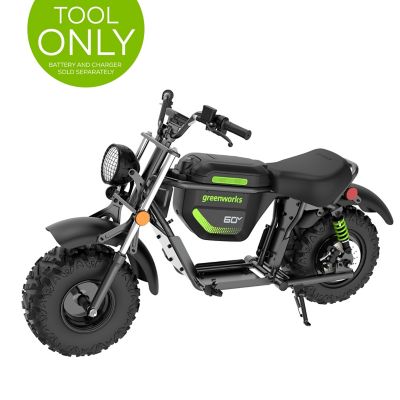
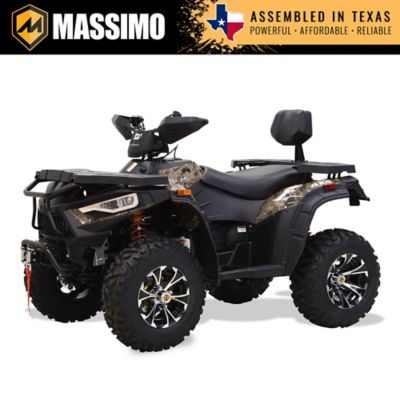
Dirt bikes for adults bring a little more grit and freedom to time spent outdoors, whether you are riding a wooded trail, crossing open acreage, or working on your skills in a designated off-road area. Unlike street motorcycles, dirt bikes are built around uneven ground, loose soil and changing terrain, with features that help riders stay balanced when the trail gets rutted, rocky or muddy. When choosing a bike, start with the rider’s experience, height, weight and intended use. A newer rider may be more comfortable on a manageable bike with predictable power and an easy-to-control seat height, while an experienced rider may prefer stronger performance for longer trail rides, hill climbs or more technical terrain. Seat height matters more than many first-time buyers expect; being able to place at least one foot down confidently can make a big difference when stopping on a slope or picking through a tight section of trail. Weight, suspension setup, wheel size and overall handling also affect how a bike feels beneath you. A bike used for occasional rides around rural property may have different needs than one hauled to dedicated riding areas every weekend. Before bringing a dirt bike home, check local rules for off-road use, noise, registration and trail access, and make sure the riding area allows the type of bike you plan to use. Dirt bikes are intended for controlled off-road riding, not public streets, and every rider should follow posted trail rules and property guidelines.
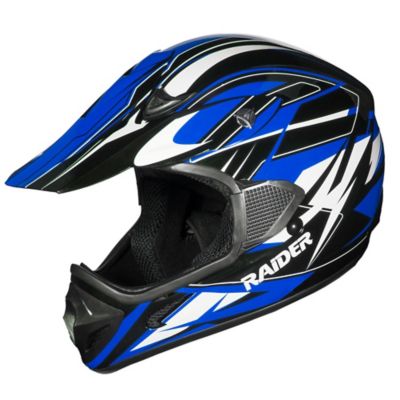
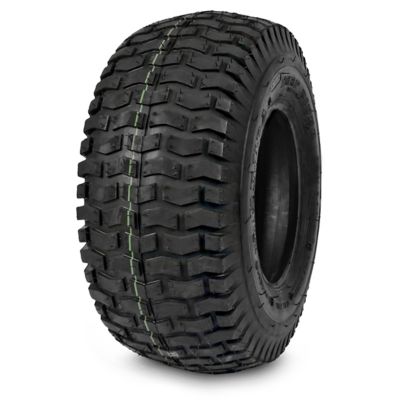
The right riding gear is just as important as the bike itself. A properly fitted helmet made for off-road riding should be at the top of the list, along with eye protection, gloves, sturdy riding boots, long pants, a durable jersey or jacket and protective gear for the knees, elbows and chest. A pair of work boots may be fine for chores, but dedicated riding boots give better support and help protect the feet and ankles when a boot catches a rut or the bike tips at low speed. Dress for the ground and the weather, since a clear trail can turn dusty, slick or chilly over the course of a single ride. During the cooler months, layered clothing makes it easier to stay comfortable without restricting movement, while a lightweight outer layer can help block wind across an open field. Before each ride, take a few minutes to inspect the tires, chain, controls, brakes, fuel or battery system and fasteners. Those simple checks can catch a loose chain or low tire before it becomes a bigger problem down the trail. After riding through mud, rinse away packed dirt and let the bike dry before cleaning and lubricating the chain as recommended by the manufacturer. Keep an eye on air filters, brake pads, cables and suspension components, especially when riding in dust or wet conditions. A small tool kit, tire repair supplies, water and a charged phone are sensible additions for longer rides, and it is wise to let someone know where you will be riding when heading out alone.
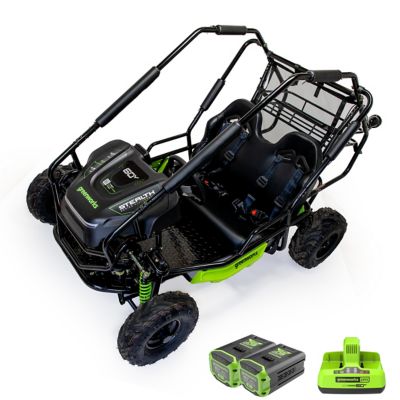
Adult dirt bikes can make a memorable gift for a spouse, grown child, sibling or longtime friend who enjoys hands-on hobbies and spending time outside. They fit naturally into a weekend built around trail riding, camping, hunting property access or learning a new skill with friends, although the recipient should have a safe and legal place to ride before a bike is purchased as a surprise. For some families, riding becomes a shared pastime: one person loads the bikes while another checks the gear, and soon the whole group is following a winding trail beneath the trees with the smell of damp earth and leaves in the air. Riders who enjoy comparing outdoor machines may also want to explore
Go Karts For Adults for another way to enjoy recreational driving on suitable private land or designated areas. Whether a dirt bike is purchased for a seasoned rider or someone building confidence from the beginning, comfort, fit and responsible use should guide the decision. Store the bike under cover when possible, keep it secured when not in use and follow the maintenance schedule to help preserve its performance through changing conditions. As the weather warms, a well-prepared bike is ready for open trails and fresh air; during the cooler season, it can still provide plenty of enjoyment when the ground is firm, the route is safe and the rider is dressed for the conditions.