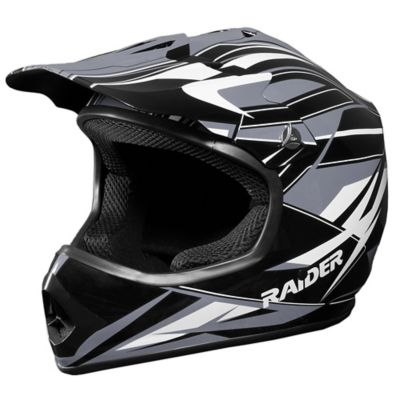
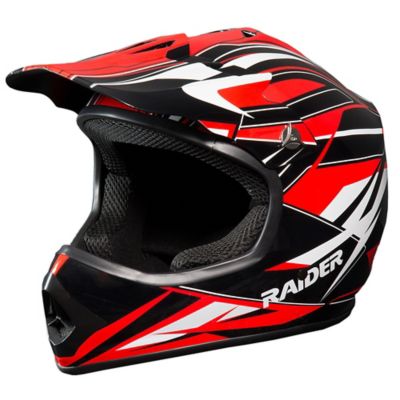
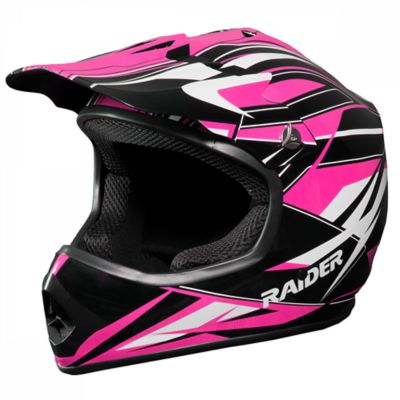
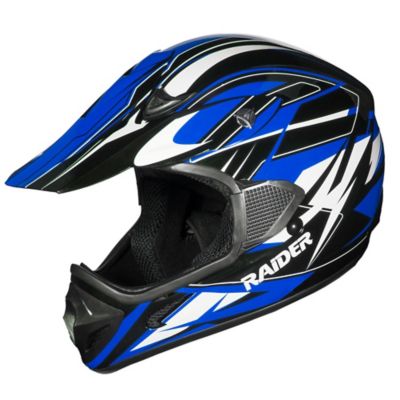
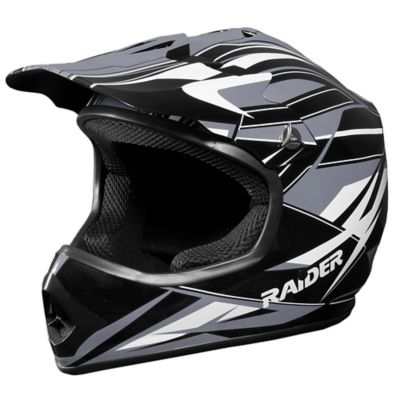
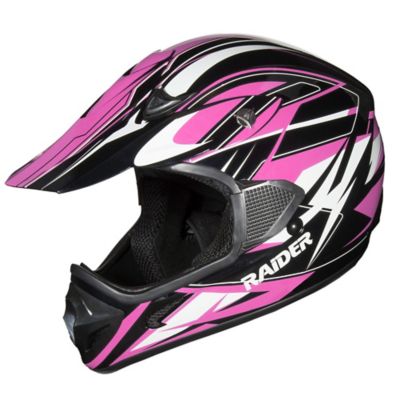
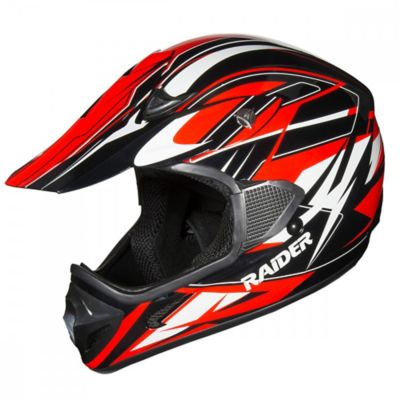
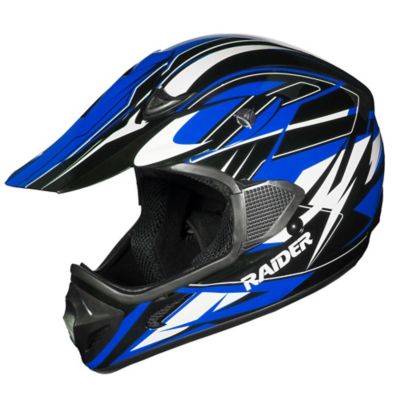
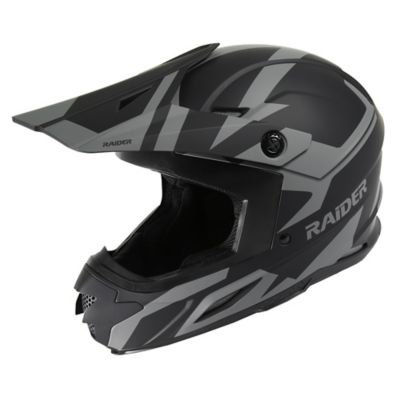
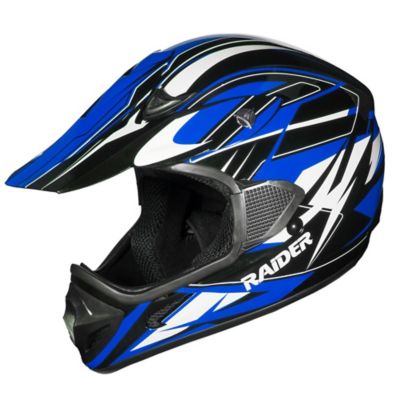
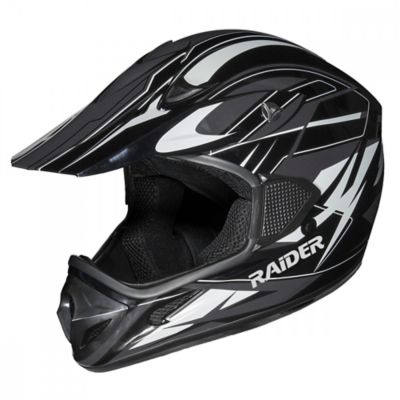
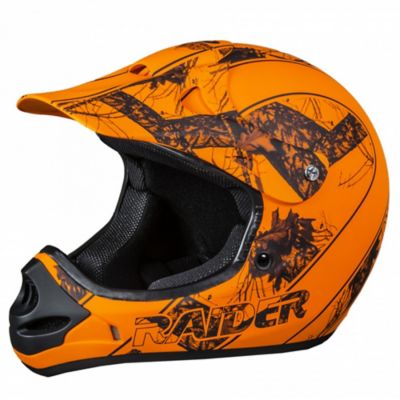
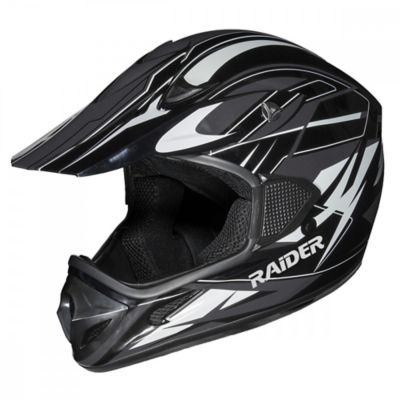
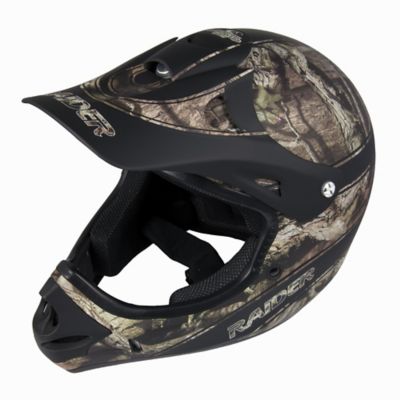
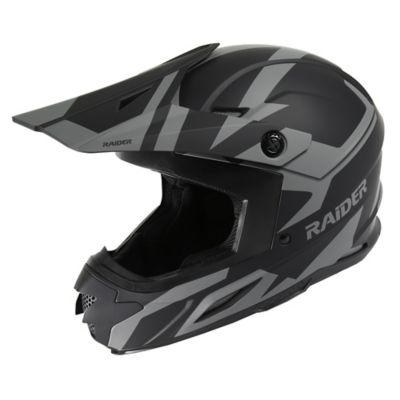
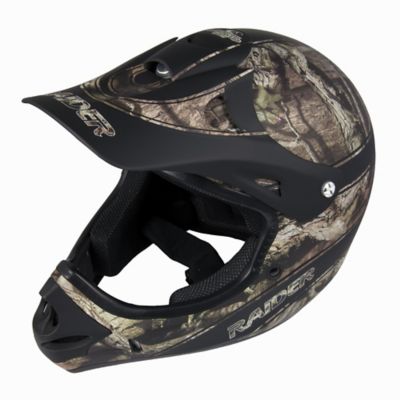
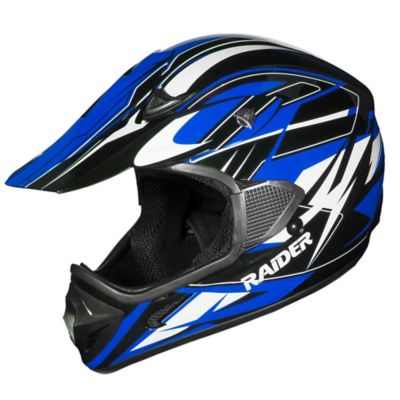
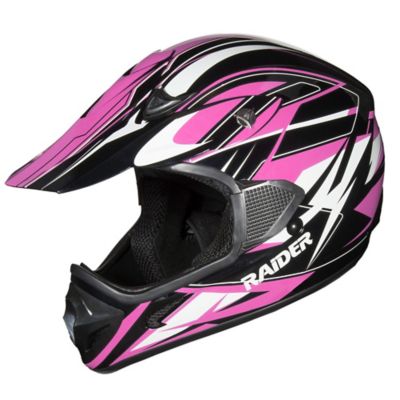
Motocross riding gear brings together head and eye protection, supportive boots, gloves, riding apparel, and body protection for the demands of dirt-bike riding. Each piece has a different job, from keeping flying grit out of a rider’s eyes to helping shield shins from contact with the bike. A complete setup commonly includes a full-face helmet, goggles, over-the-calf motocross boots, reinforced gloves, a breathable jersey, riding pants, and chest, back, and knee protection. These pieces matter whether the day involves laps at a local track, supervised practice on private land, or riding on designated off-road trails. The setting changes the demands: a groomed track brings jumps and dirt thrown by other bikes, while a wooded trail adds branches, changing light, and tight turns. Full-face
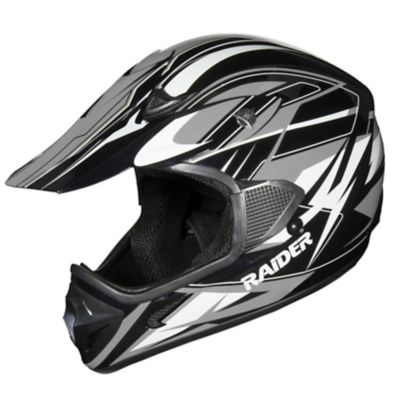
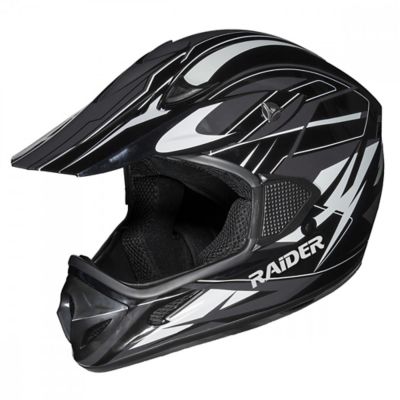
motocross helmets have a chin bar and an extended eye opening that accommodates riding goggles. Safety markings deserve a close look; DOT compliance, ECE approval, and Snell certification represent different standards, and track or event rules may call for particular credentials. A helmet should meet the requirements for the rider’s activity and fit snugly without painful pressure points, with the retention strap secured as directed. It should not shift freely when the rider turns or nods. Shell construction, liner design, ventilation, and overall weight all affect how a helmet feels through a riding session, but none replaces proper fit. Goggles complete that head-and-eye setup, with a frame that fits inside the helmet opening and foam that rests evenly against the face. Clear lenses generally suit low-light conditions, while appropriate tinted lenses can help in brighter light. Anti-fog features and well-managed airflow are useful when a chilly start gives way to hard riding. No helmet or protective gear can eliminate the risk of injury, so equipment belongs alongside training, sound judgment, and riding within personal limits.
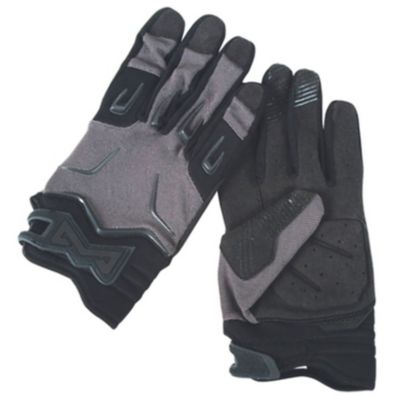
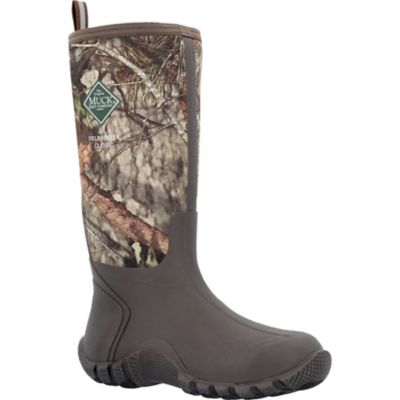
Below the helmet, motocross gear has to balance coverage with enough freedom to stand on the pegs, bend at the knees, and reach the controls without a struggle. Tall motocross boots typically combine abrasion-resistant uppers, reinforced shin areas, supportive ankle structures, and soles made for contact with foot pegs. Leather, synthetic materials, and molded plastics appear in different combinations, with closures that help hold the foot and lower leg securely. The fit needs to account for riding socks and any compatible knee or shin protection without pinching or leaving the heel loose. Boot stiffness can take some getting familiar with, especially for a newer rider learning to shift smoothly, but casual footwear does not offer the same purpose-built coverage and support. Gloves bring another important contact point into the picture. Reinforced palms, flexible fingers, and secure wrist closures help riders maintain a steady hold while preserving throttle, clutch, and brake feel. Seams should sit comfortably rather than bunching where the hand wraps around the grip. Riding jerseys often feature lightweight polyester or other synthetic fabrics that move moisture away from the skin, with mesh panels that let heat escape. Pants generally pair tougher woven panels in high-wear areas with stretch sections around the knees, hips, or seat. Some designs include leather or other heat-resistant material at the inner knees, though that does not make them burnproof. Space for protective equipment is part of the fit, not an afterthought: a jersey needs room for compatible chest or back protection, and pants need to accommodate knee guards or braces without pulling tight in a riding stance. Roost guards primarily help shield against dirt and stones kicked up by other bikes; impact-rated armor serves a different purpose, so coverage and protection claims should be checked rather than assumed. Knee guards help cover vulnerable areas, while some braces are designed to limit certain knee movements. Neither guarantees protection from a fall or joint injury. The whole setup should work together without overlapping edges digging in or straps restricting movement.
Intended use, weather, and upkeep all influence how motocross clothing and protective equipment hold up over time. A rider spending short sessions at the track may place a high value on airflow and easy movement, while someone tackling longer off-road routes may also want room for changing layers and a comfortable fit through hours of standing and sitting. During the cooler months, a light, moisture-managing base layer can help take the edge off a cold start without adding bunching beneath armor. Excessively thick layers can change helmet or body-protection fit, and loose clothing can interfere with movement or catch on equipment. Youth riders need properly sized gear rather than adult equipment with extra room to grow; a loose helmet, oversized boot, or shifting knee guard cannot do its intended job as well. Growing riders benefit from regular fit checks, especially before returning to the track after a break. For a birthday or holiday gift, jerseys, gloves, and other riding essentials can be a thoughtful match for someone who would rather spend a free afternoon on the dirt than indoors, but measurements and the recipient’s existing setup matter more than a familiar everyday clothing size. Care also makes a real difference after a muddy ride. Fabric care labels and equipment instructions should determine cleaning methods, since strong cleaners, high heat, and harsh scrubbing can damage certain materials. Mud should not stay packed into boot buckles or ventilation openings, and goggle lenses need gentle cleaning with compatible products to avoid scratches or damage to coatings. Removable helmet liners may have separate washing directions from the shell, while boots generally need time to dry away from direct heat. Before the next outing, attention to worn stitching, cracked protective parts, loose closures, and damaged straps can catch trouble that a quick glance misses. Helmets involved in an impact may need replacement even when damage is not visible, following the manufacturer’s directions. With well-matched sizing, suitable materials, and consistent care, motocross riding gear supports the practical needs of riders who spend their days working through corners, crossing rutted ground, and coming home with mud on their boots.