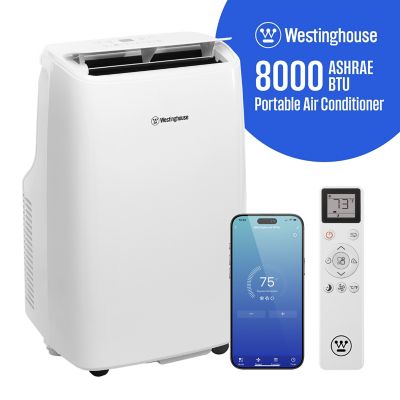
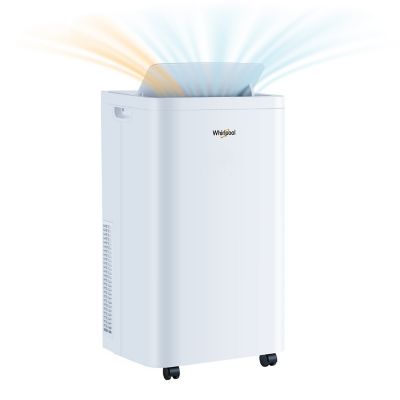
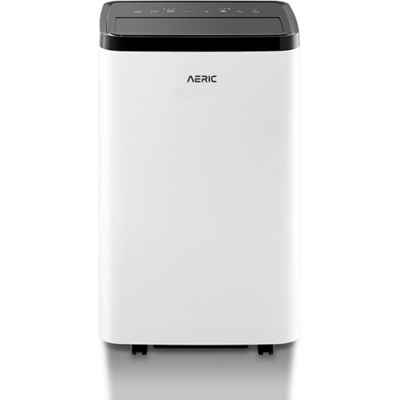
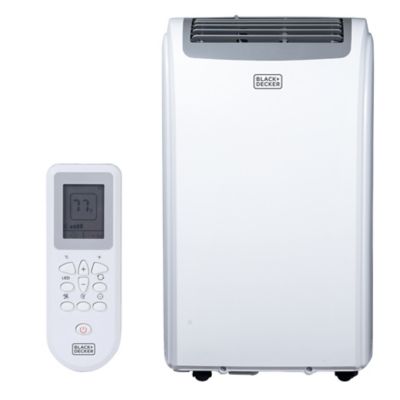
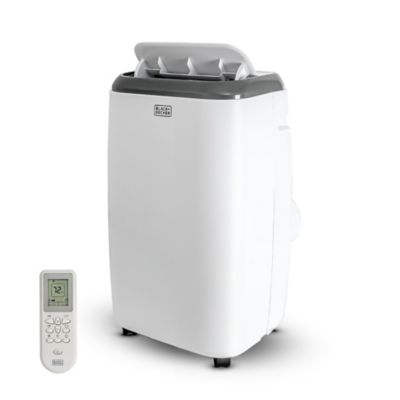
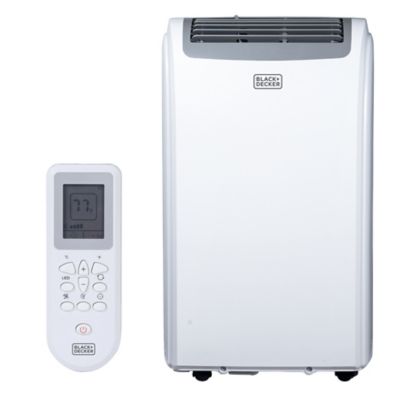
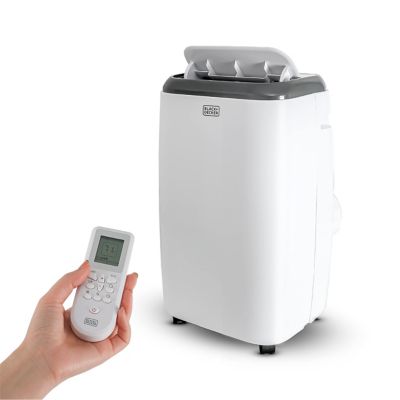
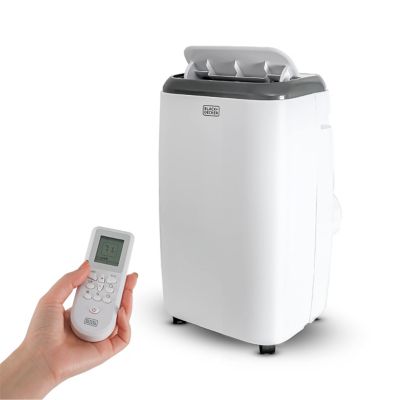
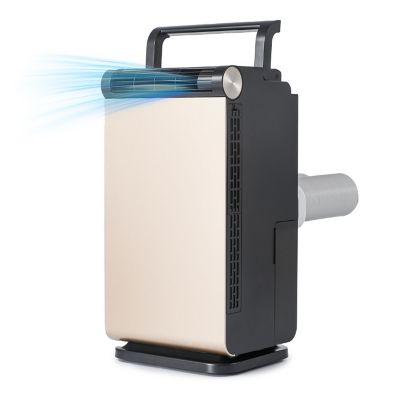
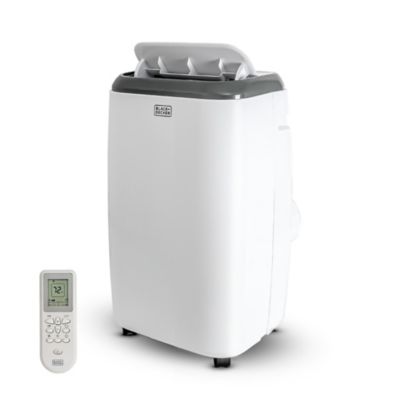
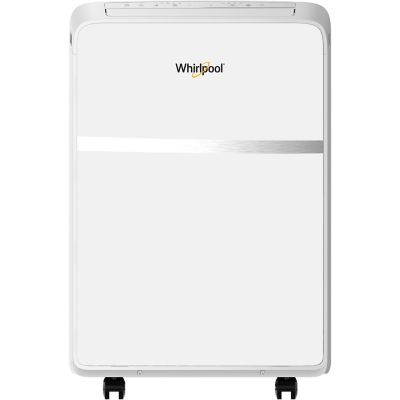
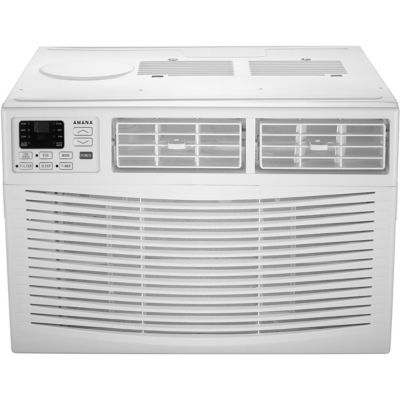
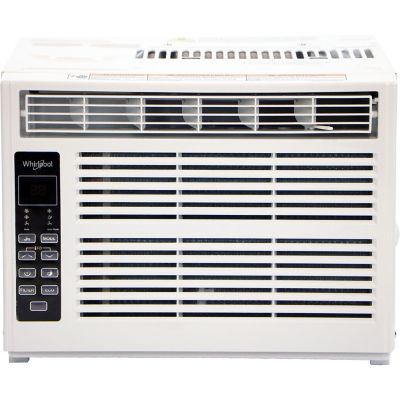
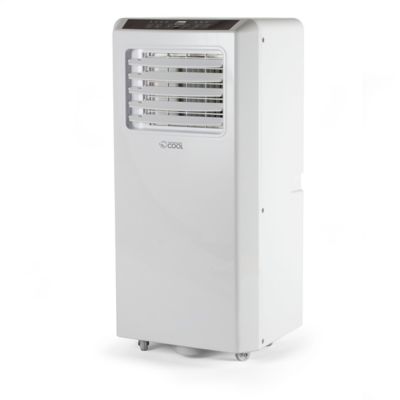
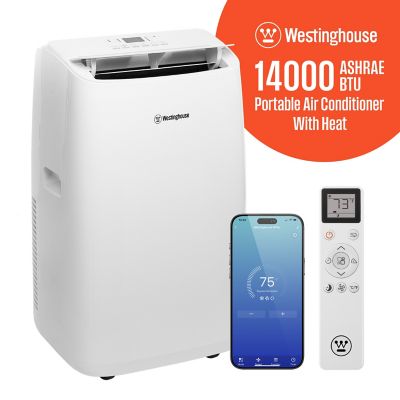
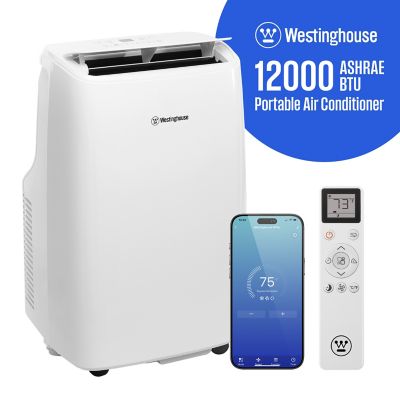
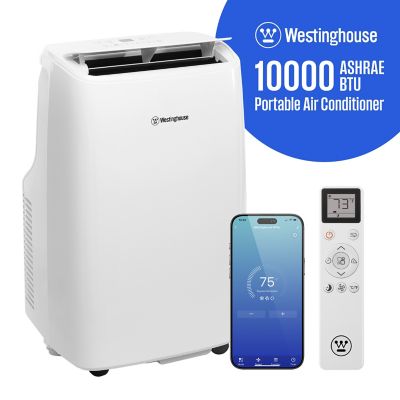
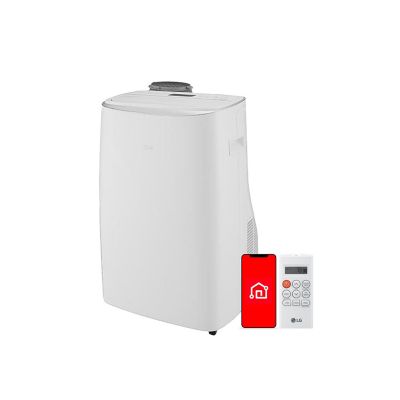
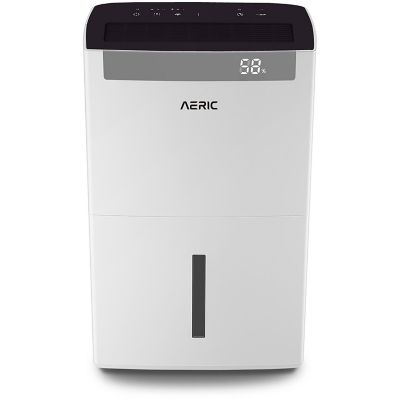
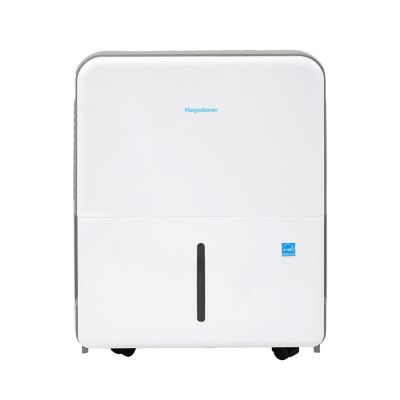
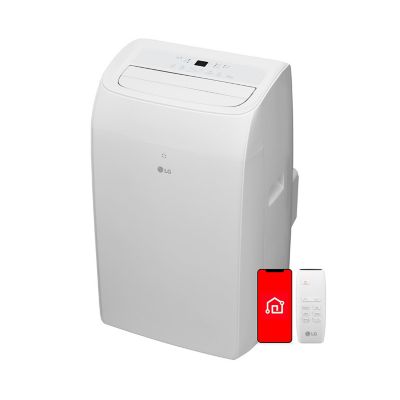
Dehumidifying air conditioners bring cooling and moisture removal together, making enclosed rooms feel less clammy while taking heat out of the air. An air conditioner removes moisture when warm indoor air passes over a cold evaporator coil: water vapor condenses on the coil, collects in a pan or drainage system, and leaves the air drier as it circulates back into the room. The heat collected during that process moves outdoors through the equipment’s exhaust or outdoor components. Many portable air conditioners offer cooling, dehumidifying, and fan modes in one unit, though the controls and operating requirements vary. Cooling mode manages room temperature while also removing some moisture. Dehumidifying mode, often labeled dry mode, focuses on moisture removal, but it can still lower the room temperature. Fan-only mode circulates air without actively cooling it or collecting moisture through the refrigeration cycle. That distinction matters in a farmhouse bedroom, a home office off the mudroom, or an enclosed workspace where a sticky feeling can linger even when the thermostat seems reasonable. A standalone dehumidifier works differently from an air conditioner in its effect on the room: it removes moisture but generally sends slightly warmer, drier air back into the space rather than transferring heat outdoors. For a room that needs both cooling and moisture control, a combination unit can handle both jobs without separate appliances taking up floor space. For a room that already feels cool enough, dedicated dehumidification may be a better match. Indoor relative humidity around 30% to 50% is a common comfort target, although the right setting also depends on the building and its conditions. A separate humidity gauge helps show whether the air is actually getting drier, rather than leaving that judgment to how the room feels. Moisture control can make a space more comfortable, but it does not repair a plumbing leak, stop groundwater intrusion, or replace ventilation where ventilation is required.
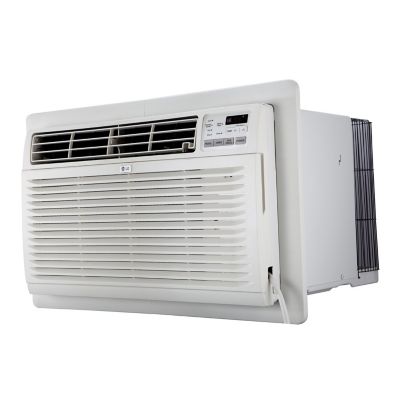
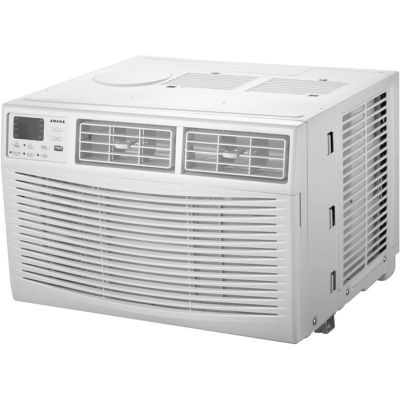
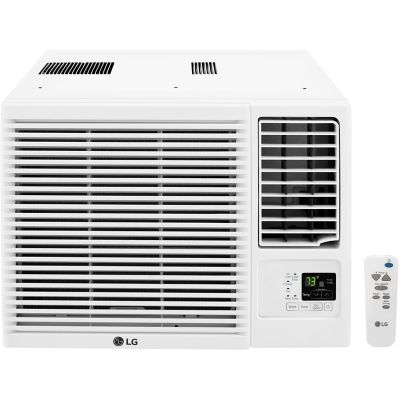
Room size is only part of finding a good fit for a dehumidifying air conditioner. Ceiling height, direct sunlight, insulation, nearby appliances, and openings into other rooms all affect how much cooling a space needs. A closed bedroom presents a different load than a large room connected to a kitchen and hallway, even when the measured floor area looks similar. Cooling capacity is commonly listed in BTUs, and portable units may show both a traditional rating and a DOE seasonally adjusted cooling capacity, or SACC. Those figures come from different test methods, so matching the rating type makes comparisons more meaningful. Bigger is not automatically better: an oversized air conditioner may cool the room quickly and shut off before removing enough moisture, while an undersized unit may struggle to reach the selected temperature. Moisture-removal capacity may be listed separately in pints over a stated period, and test conditions matter when comparing those figures. Physical fit deserves just as much attention. Portable equipment needs floor space, clearance around air openings, and a compatible route for its exhaust hose. Window-mounted equipment needs an opening within the stated dimensions, suitable support, and the installation hardware specified for that setup. In a small office tucked beside the laundry room, hose placement and furniture clearance can matter as much as the cooling rating. A snug window seal helps keep exhaust air from finding its way back inside. Single-hose and dual-hose portable designs handle intake and exhaust differently, which can affect room pressure and performance. Wheels and carry handles can help with repositioning, but the unit’s weight still matters on stairs or uneven thresholds. A nearby grounded outlet with the required electrical rating is essential; extension cords and power strips are not substitutes for the connection specified by the manufacturer. Sound levels, fan settings, timers, and control placement also affect everyday comfort, especially beside a bed, desk, or favorite chair.
Water handling and routine care make a real difference in how well dehumidifying air conditioners fit into daily life. Some designs collect condensate in an internal reservoir, some support continuous drainage, and some evaporate part of the collected water into the exhaust air during cooling. That last feature does not necessarily eliminate draining, particularly when moisture levels are high or the unit operates in dry mode. A full-tank shutoff can help prevent overflow, while a continuous-drain connection can reduce the need to empty a reservoir by hand. Gravity drainage requires the hose to slope toward an appropriate drain without kinks or uphill sections; a pump is a separate feature, not something every unit includes. Drain fittings, hose requirements, and approved discharge locations should match the equipment instructions. Portable units need their specified outdoor exhaust arrangement for cooling, and the instructions determine the venting arrangement for other modes. Cabinet materials, protected metal components, and sturdy handles are worth considering wherever equipment may be moved between rooms, but indoor air conditioners still need protection from rain, standing water, and environments outside their rated use. Filters also need attention. Washable filters, where included, need cleaning and full drying as directed, while replaceable filters need the specified replacements. Clear intake grilles, unobstructed exhaust paths, and clean drainage components help the system operate as intended. Before a unit is put away, draining remaining water and following its drying procedure can help prevent stale odors inside the cabinet. These appliances are intended for room comfort within their stated operating range, not every moisture problem around a property. An unheated outbuilding, active water intrusion, or a renovation with wet building materials may call for different equipment.
Construction Dehumidifiers are a separate equipment category worth considering when the main task is removing substantial moisture from the air during building or restoration work. Matching the equipment to the space, the moisture source, and the drainage setup helps keep everyday operation straightforward.