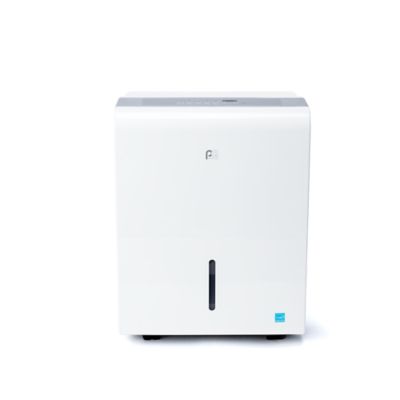
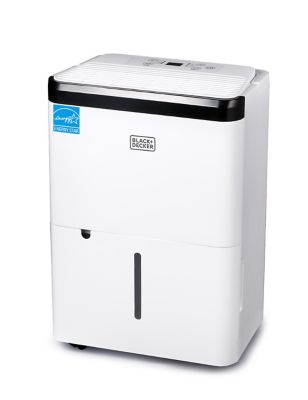
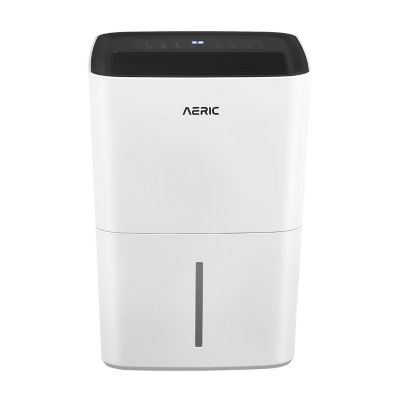
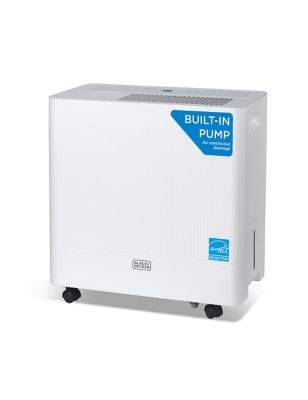
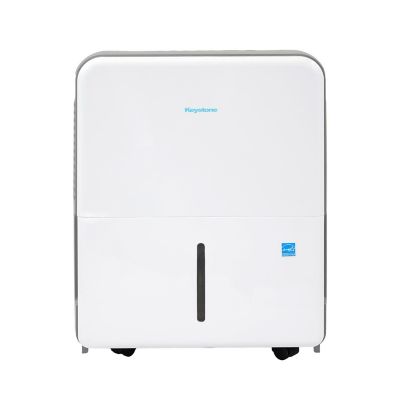
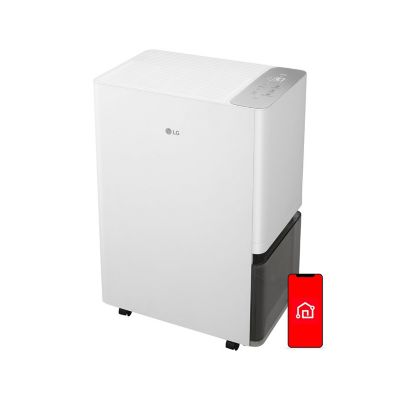
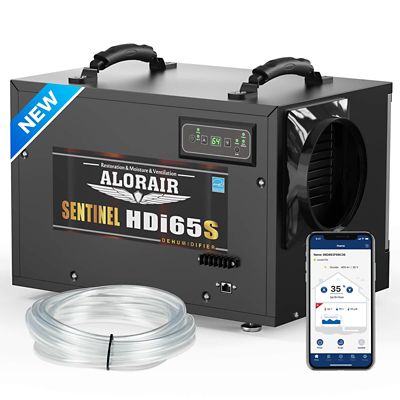
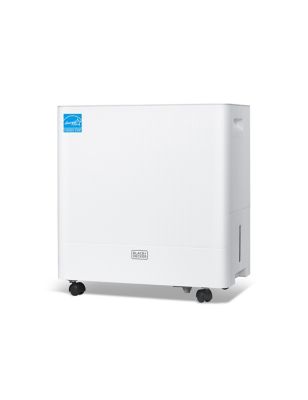
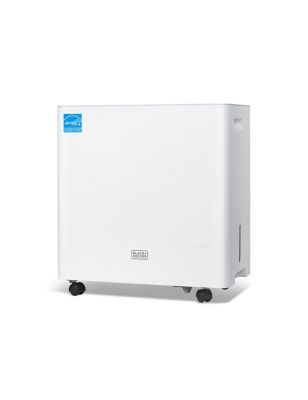
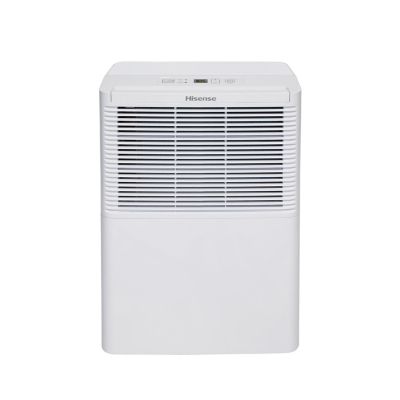
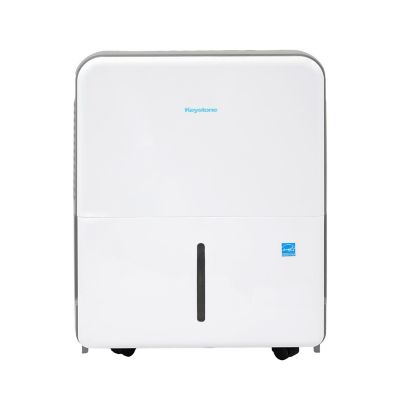
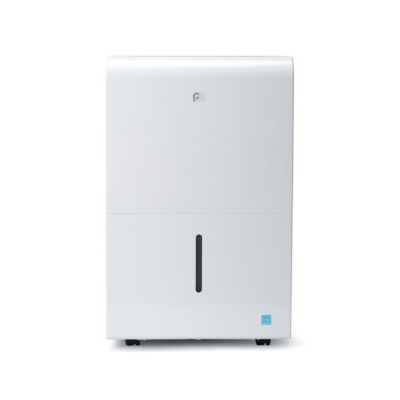
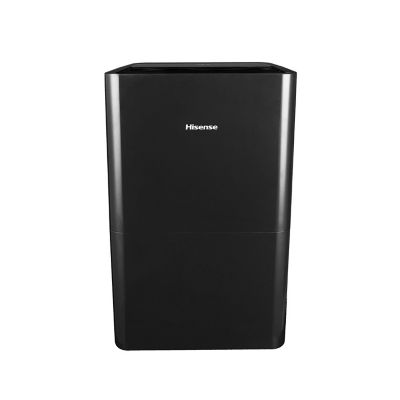
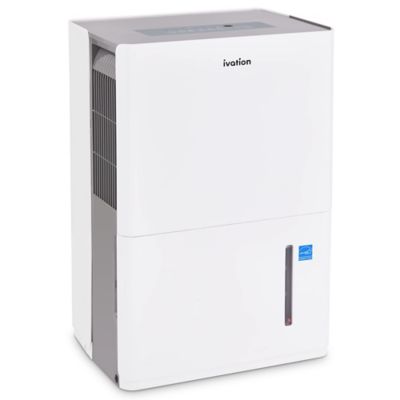
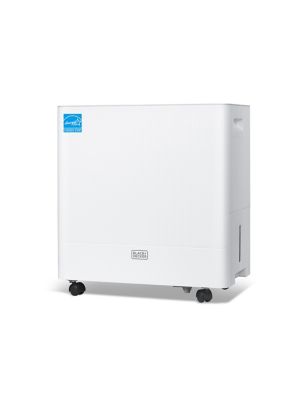
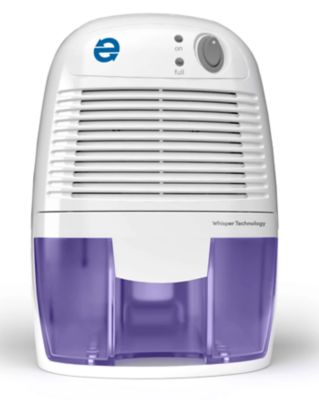
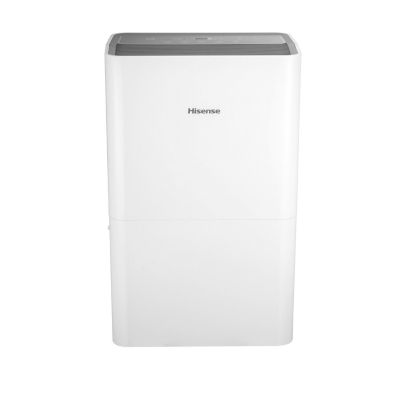
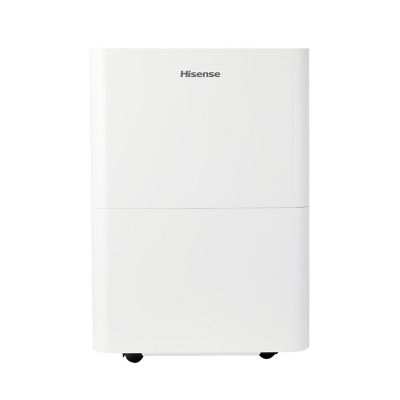
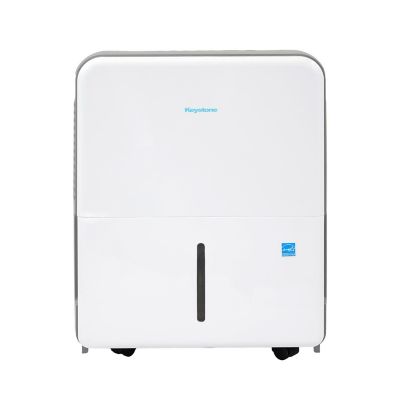
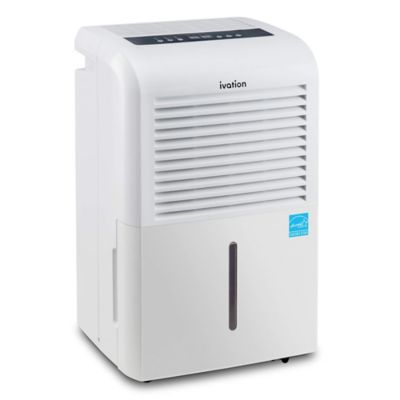
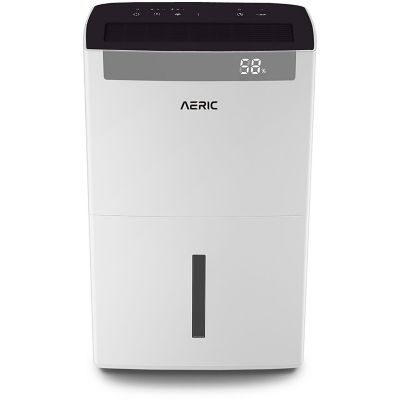
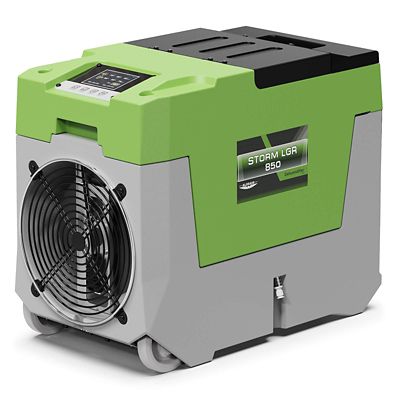
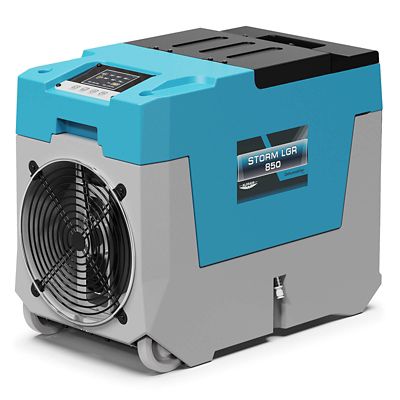
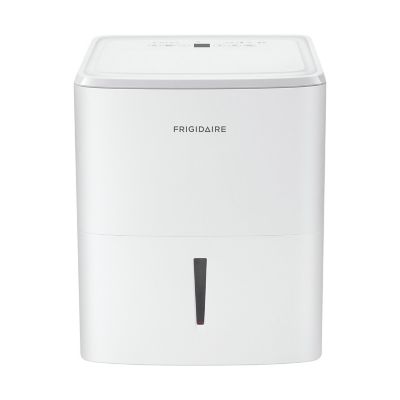
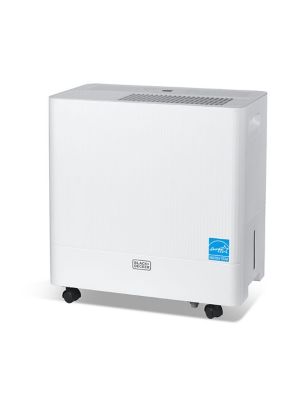
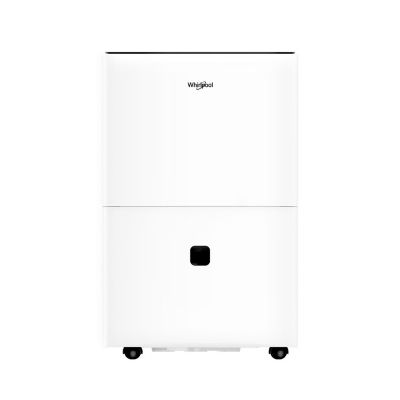
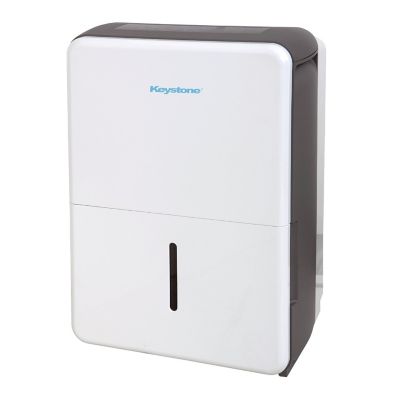
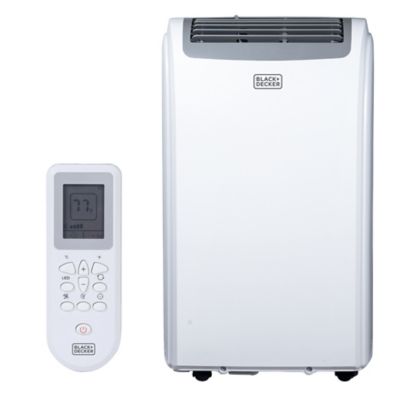
Energy efficient dehumidifiers help take the damp edge off basements, workshops, garages, laundry rooms, barns, and other spaces where moisture tends to hang in the air. They pull water from humid air while using less electricity than older, less efficient units, which can make a noticeable difference when the machine runs for several hours a day. During warmer, muggy weather, a dehumidifier can help a room feel more comfortable without setting the thermostat lower. It can also be useful during the cooler months, when condensation collects on windows, concrete floors, pipes, or walls in enclosed areas. A drier space may help protect stored clothing, tools, feed-area supplies, furniture, cardboard boxes, and seasonal decorations from musty odors and excess moisture. When shopping, start with the size and conditions of the space rather than choosing by appearance alone. Dehumidifier capacity is commonly listed in pints per day, meaning the approximate amount of water the unit can remove in a 24-hour period under testing conditions. A smaller room with occasional dampness may need less capacity, while a large basement, open shop, or especially wet area may call for a higher-capacity model. Spaces with poor ventilation, visible condensation, laundry activity, or a dirt floor can be more demanding than their square footage suggests. For a broader look at convenient room-by-room options, browse
Portable Dehumidifiers and compare the features that fit your setup.
For lower operating costs, look for ENERGY STAR certification and review the unit’s Integrated Energy Factor, or IEF. This rating shows how many liters of water a dehumidifier removes per kilowatt-hour of electricity used; in general, a higher IEF means the appliance removes more moisture for the power it consumes. Efficient models may also use variable-speed compressors or smart humidity controls that adjust operation instead of running at full power all the time. A built-in humidistat lets you choose a target range, often around 45% to 50% relative humidity for general household comfort, and the unit can cycle on and off as needed. That keeps it from working harder than necessary once the air reaches the selected level. Auto-shutoff is another practical feature, especially for a spare room, cabin, basement, or outbuilding where nobody is checking the water bucket every few hours. Some units stop when the tank is full, while others offer continuous drainage through a hose. If there is a nearby floor drain, gravity drainage can be simple and dependable. A built-in pump may be more useful when water needs to move upward or across a room to reach a drain. Continuous drainage also reduces the need to carry a heavy bucket through the house and lets the dehumidifier run with fewer interruptions. Modern refrigerants such as R-32 may be found in newer high-efficiency designs, so the refrigerant type can be another detail worth checking when comparing models. Energy use still depends on room temperature, humidity, insulation, run time, and local electric rates, but choosing a higher-efficiency unit and using its controls properly can help limit unnecessary power draw.
A good dehumidifier should fit the way the space is actually used. In a finished basement, low operating noise, a washable filter, easy controls, and a compact footprint may matter most. In a garage or workshop, sturdy casters, a longer cord, a large collection tank, and an accessible filter can make everyday use easier around benches, shelves, and stored equipment. For laundry areas, look for dependable moisture removal and a drainage option that can keep up when wet clothes are drying indoors. A portable unit can also be a thoughtful gift for someone settling into a damp first home, maintaining a vacation cabin, finishing a basement, or caring for an older house with limited airflow. Before placing one, leave room around the air intake and exhaust, keep it on a level surface, and avoid blocking it with boxes or furniture. Empty the bucket before it gets too heavy, clean the filter according to the instructions, and check the hose connection if using continuous drainage. Keeping doors and windows closed while the unit operates usually helps it work more efficiently, since outside humid air can quickly replace the air being dried. It is also wise to check the recommended operating temperature; some units are designed for cooler rooms and handle frost protection better than others. Energy efficient dehumidifiers are not a cure for leaks, standing water, or serious drainage problems, so plumbing or foundation concerns should be addressed at the source. Used alongside good ventilation, sealed cracks, proper gutters, and sensible storage, the right dehumidifier can help make a damp room feel fresher and keep everyday belongings in better shape through changing conditions.