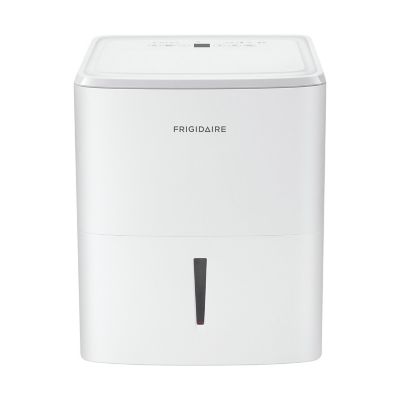
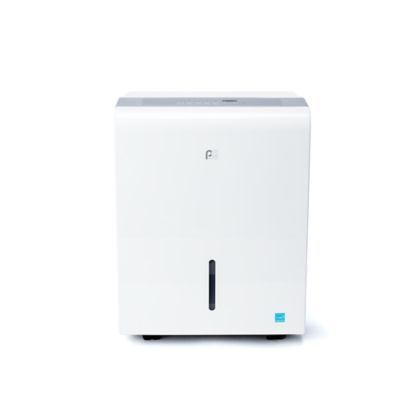
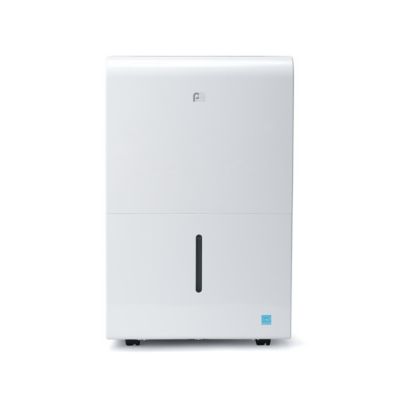
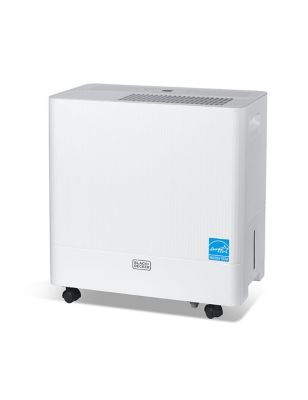
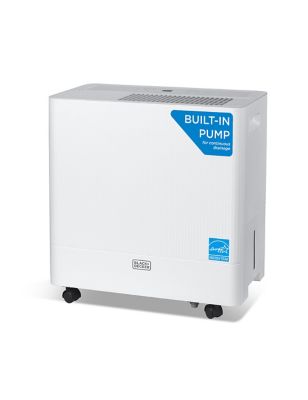
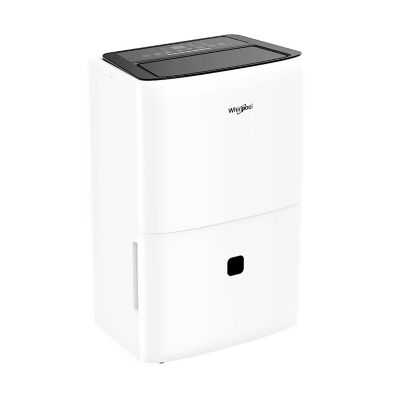
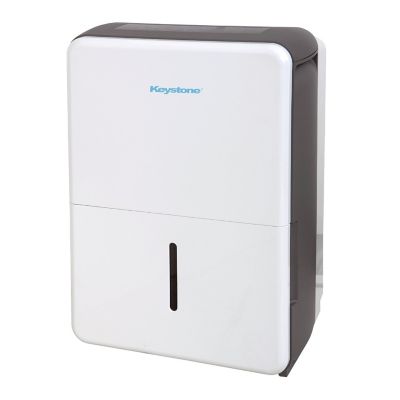
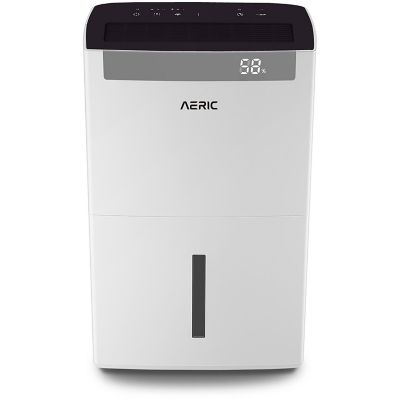
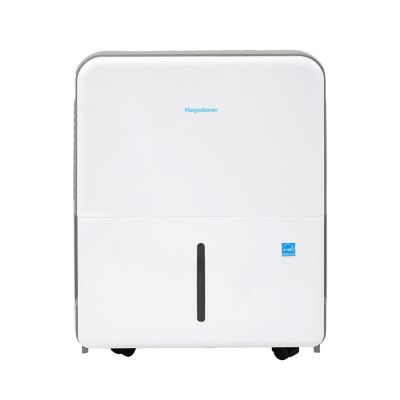
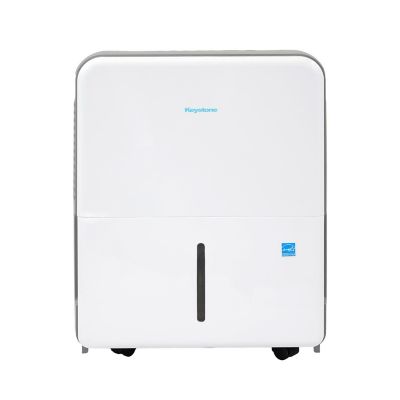
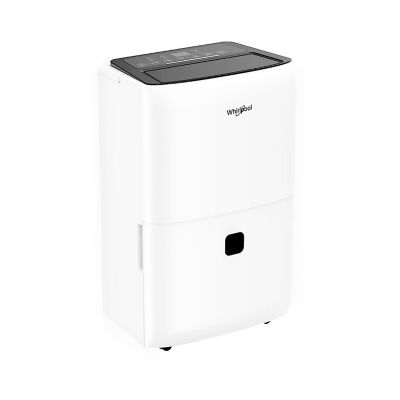
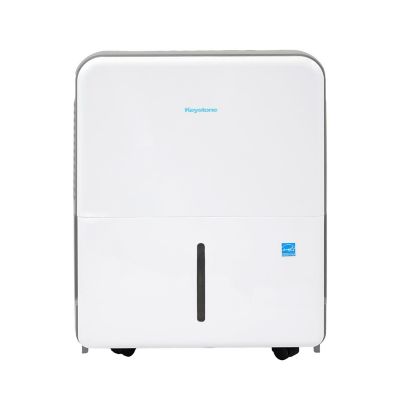
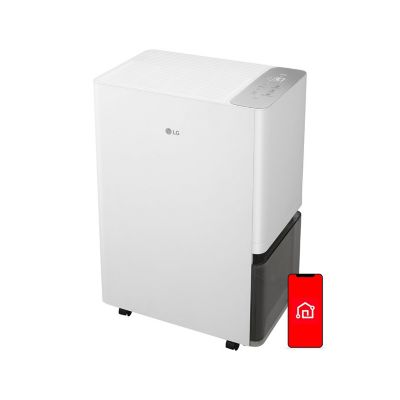
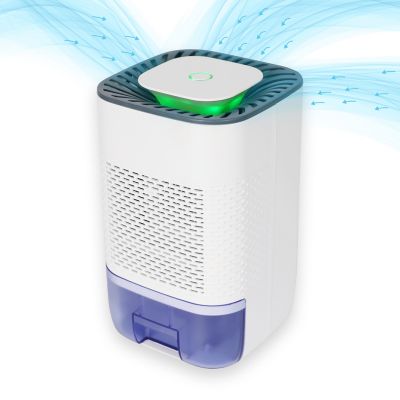
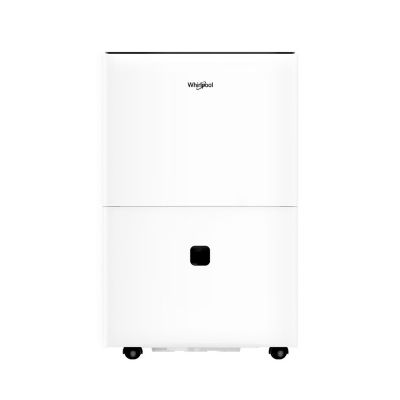
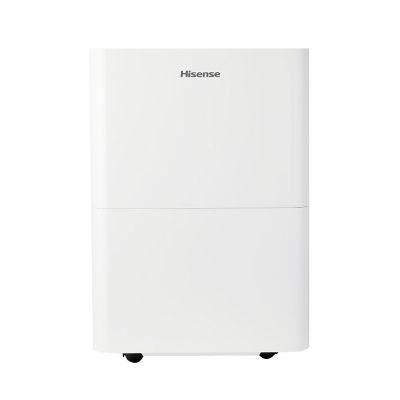
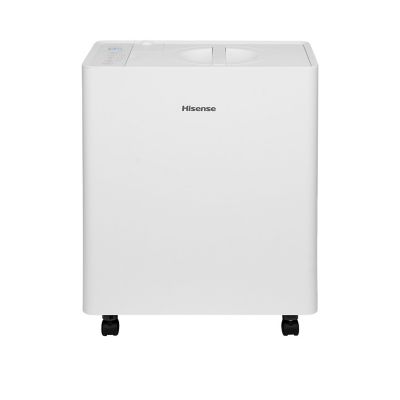
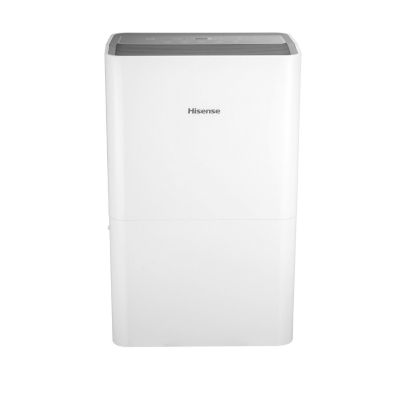
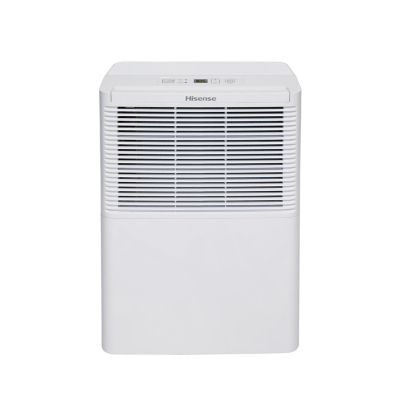
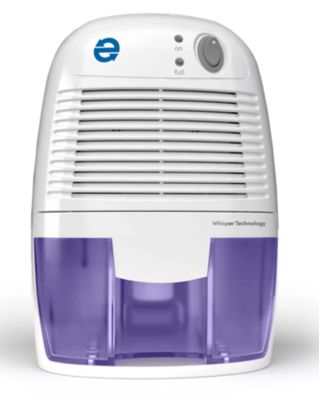
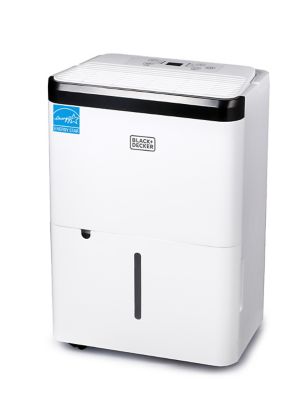
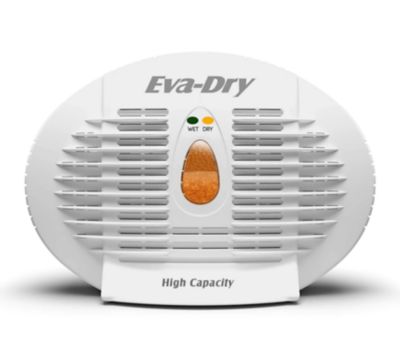
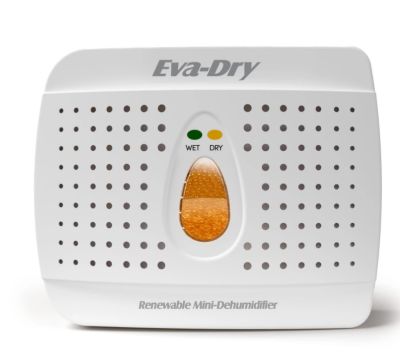
Room dehumidifiers pull excess moisture from indoor air, helping take the damp feeling out of bedrooms, living spaces, laundry rooms and basements. They can make a difference where towels stay damp, cardboard boxes feel soft or a musty smell hangs around despite regular cleaning. By lowering indoor humidity, these appliances help make conditions less favorable for mold and mildew growth, though they do not repair leaks or remove existing mold. An indoor relative humidity of 30% to 50% is a common target, with the best setting depending on the space and the people living there. A built-in humidistat lets a dehumidifier cycle toward a selected humidity level instead of running nonstop. For a farmhouse basement with stored clothing, a downstairs family room or a bedroom over a crawl space, that steady moisture control can support a more comfortable everyday living space. Most compressor-based room dehumidifiers draw air across metal coils, collect the condensed water and send the air back into the room. Compact thermoelectric models offer another approach for limited spaces and lighter moisture loads, but their water-removal capacity is generally much lower. Size matters in more ways than one: the appliance needs to fit the room physically and handle the amount of moisture entering it. A pint rating describes how much water a unit can remove in 24 hours under specified test conditions, not how much its collection bucket holds. Many household compressor models fall in the 20- to 50-pint range, while smaller units may collect far less. Square-footage ratings provide a useful starting point, but ceiling height, open doorways, damp building materials and ongoing moisture sources also affect performance. A lightly damp bedroom and a basement with moisture along the foundation can call for different capacities even when their floor areas match. Matching the appliance to the actual space helps keep a room from feeling clammy without treating the largest rating as the automatic choice.
Everyday features can matter just as much as moisture-removal capacity, especially when the dehumidifier will run near a bed, couch or home office. Fan noise, airflow direction and the sound of the compressor deserve a look alongside the room coverage rating. Lower fan settings may suit occupied spaces, while a stronger airflow setting can move more air through an appliance when sound is less of a concern. A clear display, easy-to-reach controls and a bucket handle with a comfortable grip make regular operation less of a chore. Portable room dehumidifiers often have molded plastic housings around their internal components; sturdy handles, well-supported casters and a securely seated water bucket help with moving and emptying them. Dimensions should account for more than the floor space under the cabinet. Air intakes and outlets need the clearance listed in the owner's manual, so a tight corner behind a chair may not be a workable spot. On a level floor with room to breathe, a portable unit is easier to reach for filter care and bucket removal. Drainage is another practical difference between models. A removable bucket works where there is no nearby drain, and an automatic full-bucket shutoff helps prevent overflow during normal operation. The trade-off is regular emptying, with the frequency depending on the moisture load and bucket size. A continuous gravity-drain connection can reduce that task when a suitable drain sits below the outlet and the hose has an uninterrupted downhill path. A hose is not always included, and its required size varies. Models with a condensate pump can move water to a higher discharge point within the pump's stated limits; a gravity-drain connection alone cannot do that job. For a busy household, these details can determine whether a dehumidifier fits neatly into the routine or needs more attention than expected. Restart behavior after a power interruption, adjustable humidity settings and filter reminders are other features worth comparing for an appliance that may operate for long stretches.
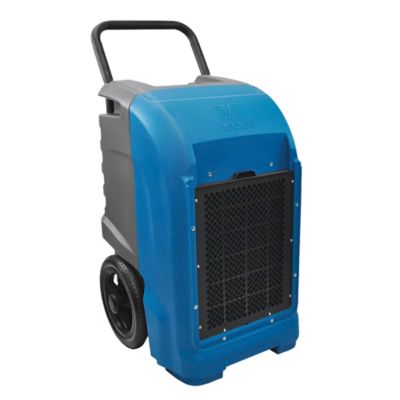
Room dehumidifiers fit a range of household routines, from helping a laundry area dry out between loads to managing dampness around basement shelving and keeping a guest room more comfortable. They work best as part of sensible moisture control rather than as a substitute for it. Bathroom exhaust fans, dryer vents that discharge outdoors and repairs to plumbing or foundation leaks address moisture at its source. Keeping doors and windows closed in the area being treated generally helps a dehumidifier manage that space instead of continually drawing in more damp air. A separate indoor humidity meter can help show how conditions differ between a basement corner and the room's main living area. For larger repair jobs or spaces with substantial moisture in building materials,
Construction Dehumidifiers are a separate category to consider; ordinary room units are intended for household moisture management, not standing-water removal or hazardous cleanup. Routine care helps keep airflow open and collected water contained. After unplugging the appliance, empty and clean the bucket according to the manufacturer's directions, and inspect the drain hose for kinks, buildup or loose connections. Filters need attention on the schedule in the manual, especially near a laundry room where lint can collect. Some filters are washable, while others require replacement, so care instructions matter before rinsing any part. A housing that is easy to wipe down, an accessible filter and a bucket that comes out without awkward lifting can make upkeep simpler over time. The cord should stay out of foot traffic, and the appliance should connect to an outlet as directed by its manufacturer rather than through an extension cord or power strip. Collected water is not drinking water and should be emptied where appropriate. With room size, moisture load, drainage and day-to-day handling in mind, a room dehumidifier can be a practical addition wherever indoor dampness gets in the way of comfortable living.