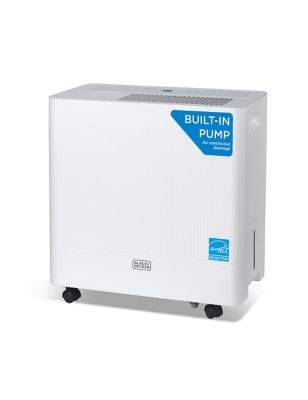
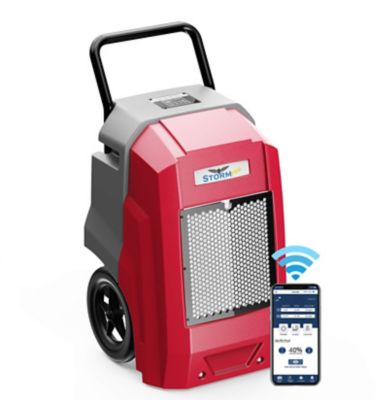
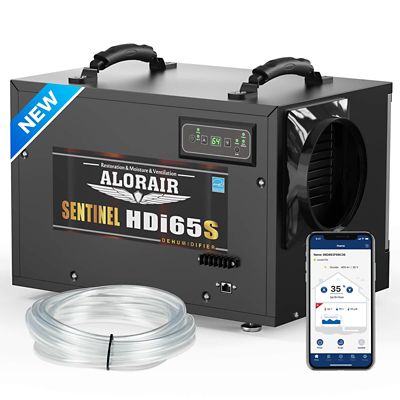
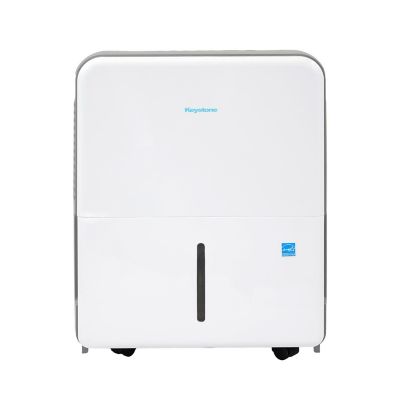
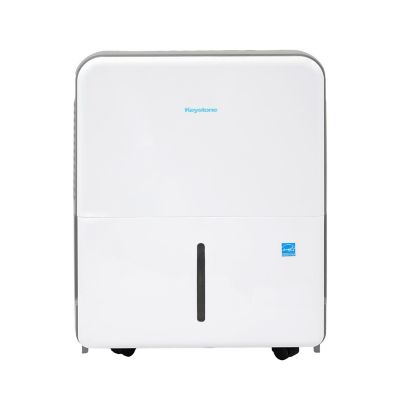
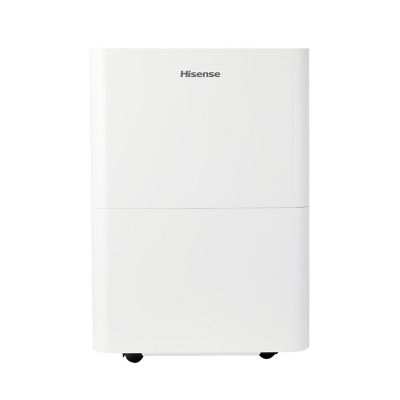
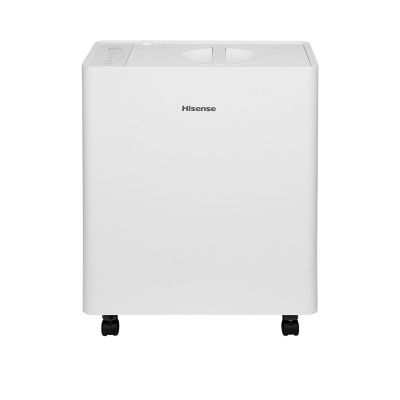
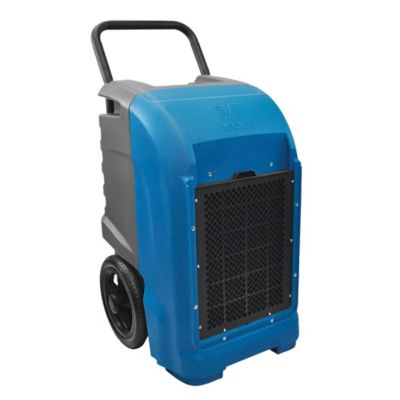
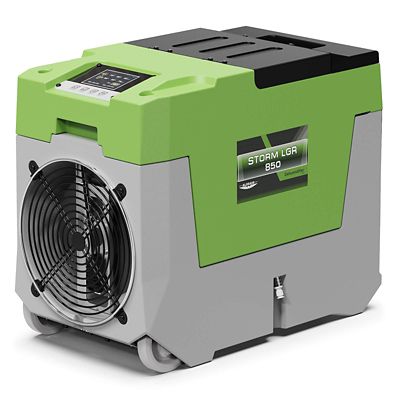
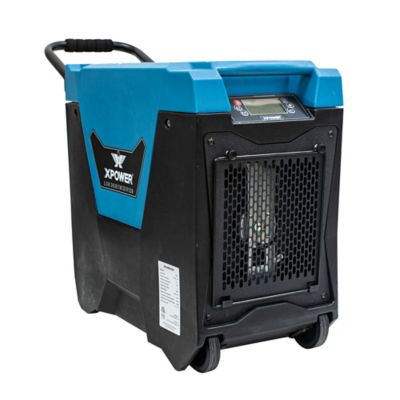
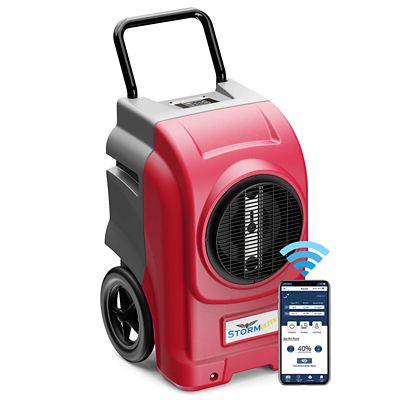
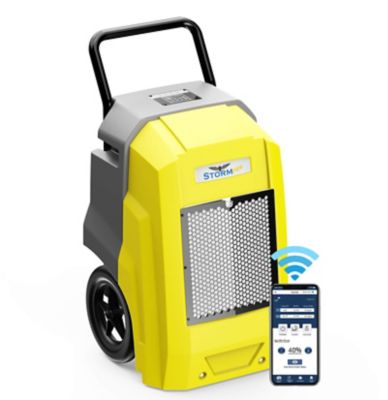
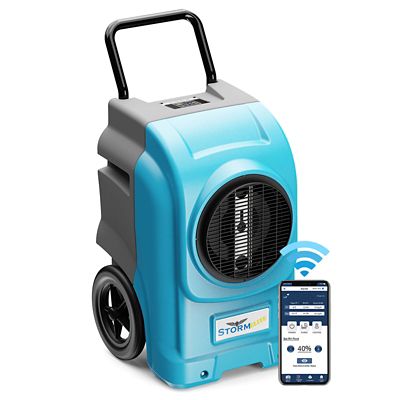
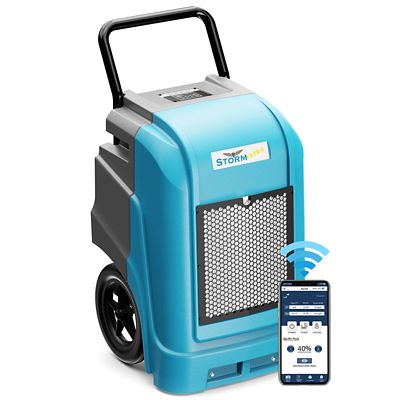
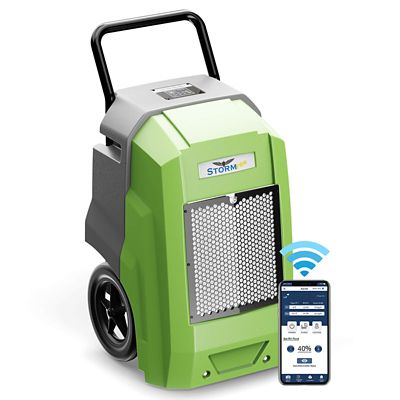
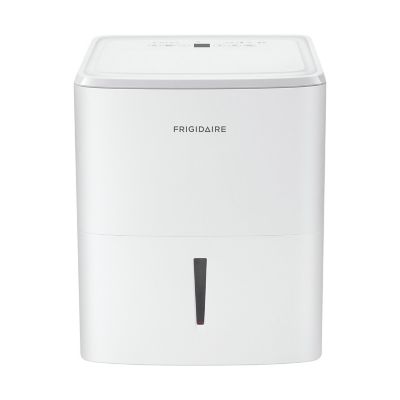
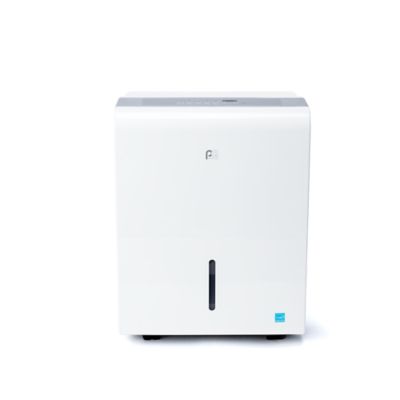
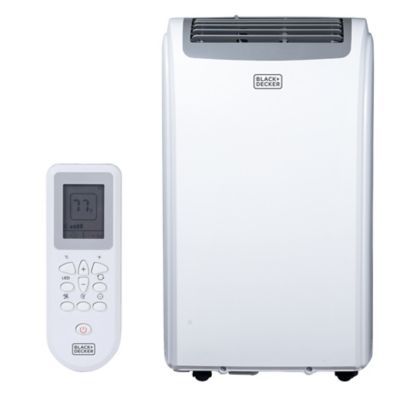
Construction dehumidifiers are made for the wet, rough conditions that come with building, remodeling, restoration, and repair work. Unlike a small household unit, a job-site dehumidifier is built to pull a large amount of moisture from the air day after day, even while sawdust, tracked-in mud, and changing temperatures make the work area less than ideal. Contractors use them to help dry fresh drywall, flooring, framing, paint, concrete, and other materials before moisture can slow the job or lead to swelling, staining, musty odors, or mold growth. They also come in handy after a burst pipe, roof leak, flooded basement, or heavy storm leaves a structure damp from floor to ceiling. A unit’s capacity is commonly listed in pints per day, with heavy-duty construction models often removing roughly 150 to more than 300 pints of water under test conditions. Actual results depend on the temperature, humidity, room size, airflow, and how much moisture is coming out of the building materials. In a wide-open barn office, unfinished shop, crawl space, or newly framed house, a high-capacity unit can keep the drying process moving when a standard home machine would simply struggle. During the warmer, more humid part of the year, standard refrigerant dehumidifiers can quickly collect water from muggy air. As temperatures drop and the air gets drier, low-grain refrigerant, or LGR, equipment is often a better fit because it can continue removing moisture when conventional units begin to lose performance. For water damage and structural drying, LGR models are valued for pulling moisture from the air and helping draw hidden dampness out of wood, subfloors, drywall, and other porous materials. Air movers are often used alongside them to circulate air across wet surfaces, while moisture meters help confirm whether a wall, floor, or piece of framing is actually dry instead of relying on how it feels to the touch.
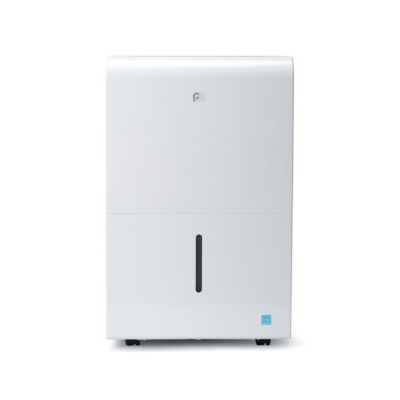
When comparing construction dehumidifiers, start with the space and the work at hand rather than choosing by pint rating alone. Look at the manufacturer’s stated coverage area, extraction capacity, operating temperature range, and recommended conditions, then allow some extra capacity for unfinished spaces, open floor plans, high ceilings, or ongoing water intrusion. A built-in condensate pump is especially useful on a job site because it can move collected water through a hose and up to a sink, drain, window, or other discharge point. Without a pump, someone may need to empty the collection container repeatedly, which is easy to overlook when the crew is busy hanging sheetrock or setting fence posts. Hose length, drain fittings, and the height the pump can handle are worth checking before work begins. Job-site mobility matters, too. Rugged wheels, a solid pull handle, stackable construction, and a frame that can take a few bumps make a noticeable difference when equipment has to cross plywood, gravel, unfinished thresholds, or a muddy yard. Rotomolded or metal housings generally stand up better to daily transport than lightweight household plastic, though every unit still needs protection from direct rain, standing water, and careless handling. Check the power requirements and make sure the circuit, extension cord, and generator—if one is being used—are properly rated for the equipment. Keep air filters clean, leave enough clearance around intake and exhaust areas, and inspect the drain hose for kinks or leaks. In a dusty renovation, filter maintenance may be needed more often than it would be in a finished room. It also helps to close windows and exterior doors when practical, separate the damp work area from dry sections of the building, and run air movers so moisture reaches the dehumidifier instead of sitting in pockets behind cabinets or inside framed walls. For smaller rooms, finished outbuildings, garages, and less demanding cleanup jobs, a
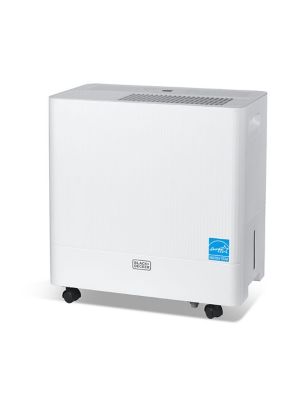
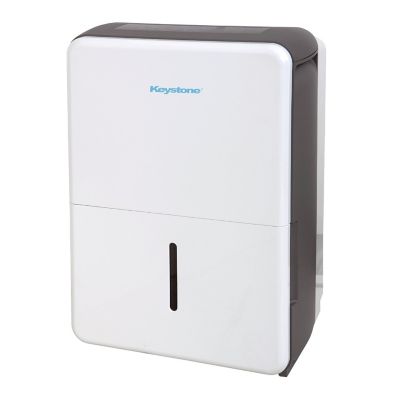
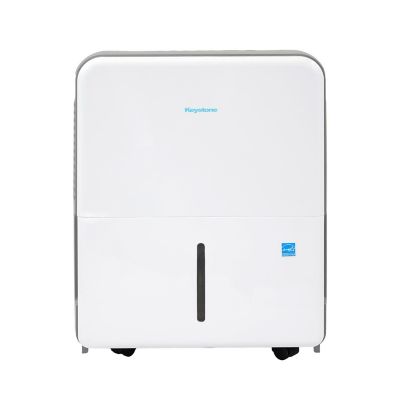
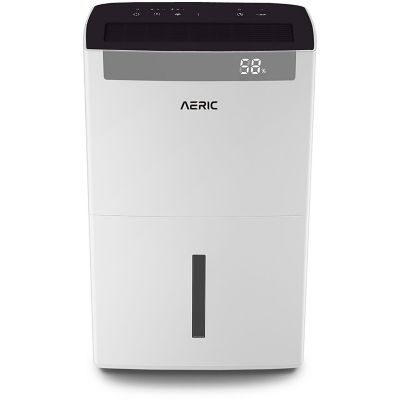
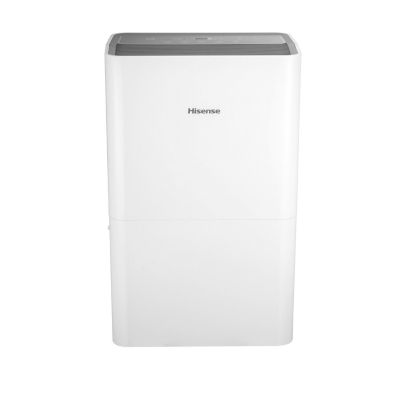
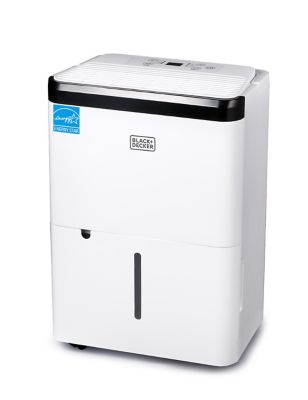
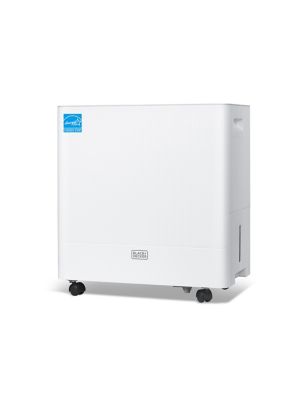
portable dehumidifier may be a more practical choice. The right size saves time, reduces unnecessary power use, and keeps the equipment from taking up more room than the project allows.
These machines are useful for general contractors, flooring installers, painters, drywall crews, restoration professionals, property managers, farmers, and do-it-yourselfers tackling a damp shop or outbuilding. A builder may place one in a new home while joint compound cures, then move it to a basement where a cool concrete floor is holding moisture. A restoration crew may use several units after a plumbing failure, setting them near affected rooms and checking moisture readings as the structure dries. On the farm, a construction dehumidifier can help after rain blows into an unfinished machine shed, or during repairs to a livestock area where humid air and wet materials can stretch out the work. It can also help protect stored tools, lumber, feed-room fixtures, and other equipment from the damp conditions that settle into poorly ventilated spaces during the cooler months. For a homeowner, this kind of equipment is less of a casual household purchase and more of a dependable project tool—something worth having when a remodel, basement repair, insurance cleanup, or major leak calls for serious drying power. Rental may make sense for a short emergency job, while purchasing can be worthwhile for contractors and property owners who face repeated moisture problems or manage multiple buildings. Before putting a unit to work, find and stop the source of the water whenever possible, remove standing water, open up affected areas as directed by the repair plan, and follow the equipment instructions for placement and operation. Dehumidifiers reduce moisture in the air, but they cannot replace damaged materials, correct a leak, or guarantee that hidden areas are dry. Pairing the machine with good ventilation planning, air movement, and moisture checks gives the job a better chance of finishing cleanly, without that familiar damp smell waiting behind the new paint.