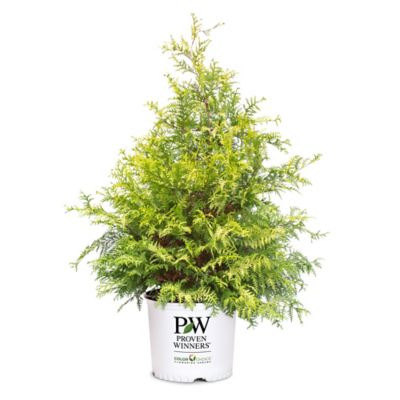
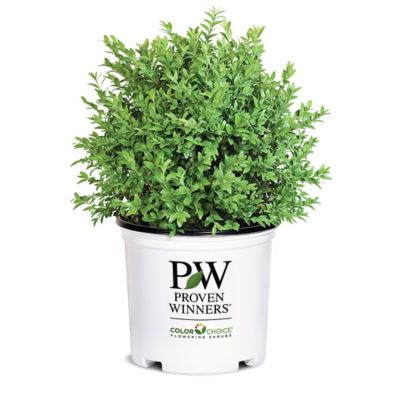
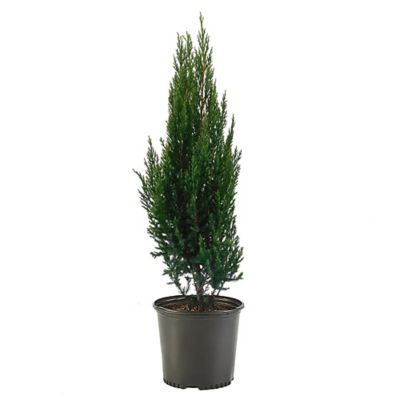
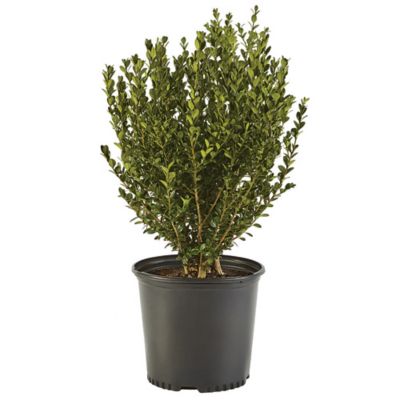
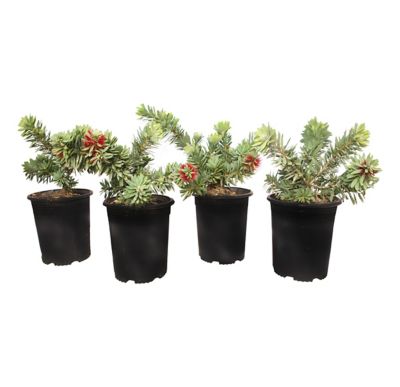
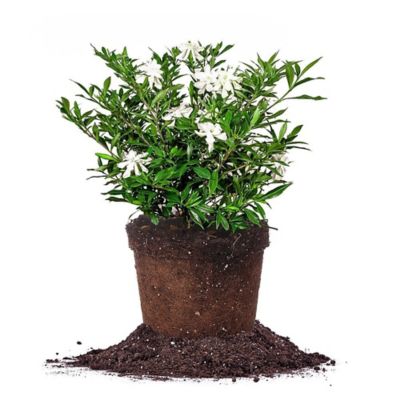
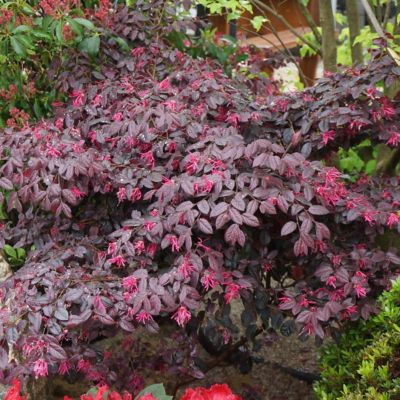
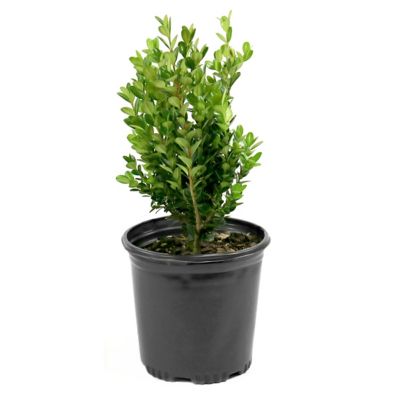
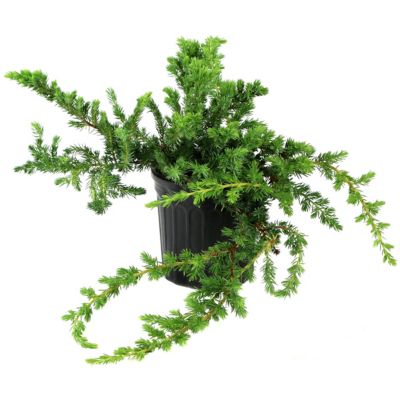
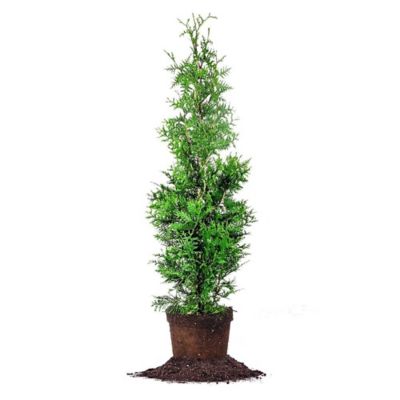
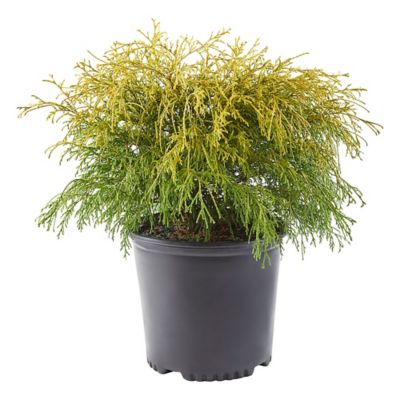
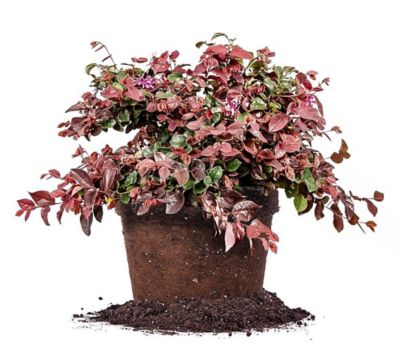
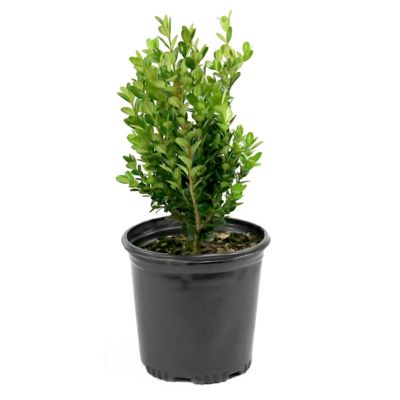
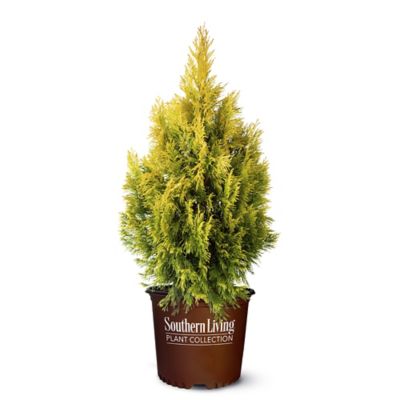
Deer resistant evergreen bushes are shrubs that hold their foliage year-round and are less appealing to browsing deer than many other landscape plants. Aromatic leaves, bitter compounds, and prickly or leathery foliage can discourage feeding, making these bushes a practical choice for properties near woods, pastures, and well-traveled wildlife paths. Deer resistant does not mean deer-proof, though. Feeding habits vary by location, and deer may sample plants they normally pass over when other food is scarce. Boxwood, juniper, pieris, and mountain laurel are common evergreen shrub groups worth considering, with the right choice depending on the growing conditions and space around the planting site. Boxwoods offer dense, small-leaved growth that suits defined borders and foundation beds. Junipers have needlelike or scale-like foliage and range from spreading forms to upright shrubs that help give a planting height. Pieris and mountain laurel bring broad evergreen leaves and flowers to suitable sites, generally favoring acidic, well-drained soil. These groups differ in growth rate, pruning needs, and mature size, so their shared resistance to deer is only one part of the decision. For a farmhouse entry, a compact shrub can provide greenery without crowding the steps. Along a roomy property edge, taller-growing bushes may help soften a fence or frame a view across the yard. A low, spreading form can cover open ground beside a walkway where an upright plant would get in the way. The best fit combines a plant’s natural shape with the space it will occupy, rather than depending on frequent clipping to keep it contained. Local browsing history matters, too: a shrub that deer ignore on one property may attract attention a few roads over. Existing plantings nearby can offer useful clues, especially where deer follow the same routes between cover and feeding areas. That neighborhood context helps set realistic expectations for new landscape plants without treating resistance as a guarantee.
A good match between the shrub and its planting site supports lasting growth just as much as deer resistance does. Plant information should spell out the USDA hardiness zone, light requirements, soil preferences, and expected mature height and spread. Those details help distinguish a bush suited to an open stretch beside the drive from one better matched to filtered light along a wooded edge. Evergreen does not automatically mean shade tolerant, and deer resistance does not tell you whether a plant can handle poorly drained ground. Soil that stays soggy can trouble many landscape shrubs, while a bed packed hard by foot traffic may leave little room for roots to spread. Soil pH also deserves attention, particularly for acid-loving broadleaf evergreens. A soil test gives a clearer picture than guessing from the plants already growing nearby. Nursery container size describes the plant at purchase, not the space it will need later; mature dimensions are the better measure for spacing beside siding, porch rails, gates, and walkways. Room between bushes also allows access for checking irrigation, pulling weeds, and tending the bed without squeezing through branches. During establishment, moisture needs to reach the root ball and the surrounding soil rather than just dampening the surface. Mulch can help conserve moisture and limit competing growth, but a clear gap around the stems keeps it from piling against the plant. Ongoing care depends on the shrub’s growth habit. Some respond well to light shaping, while others look better with only selective pruning. Junipers, for example, often do not fill back in after cuts reach old, bare wood, so choosing a suitable size at the outset can prevent an awkward gap later. A naturally compact bush near the porch generally asks less of its caretaker than a large-growing shrub repeatedly trimmed into a small space. For anyone balancing chores around a home, barn, or acreage, that difference can make a planting far easier to manage.
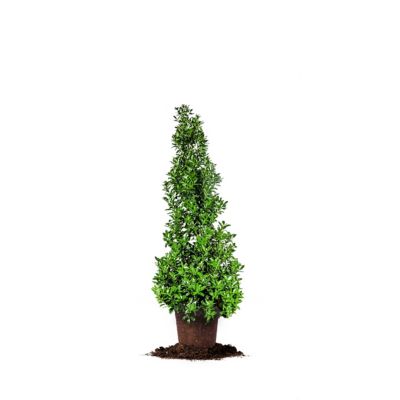
Deer resistant evergreen shrubs work well as the steady backdrop of a landscape, giving beds structure without making every planting look alike. Rounded bushes can settle neatly beneath windows, upright forms can mark an entrance, and spreading shrubs can soften the edge of a retaining wall or broad planting bed. Foliage offers plenty of variety on its own, from fine, feathery textures to broad, glossy leaves and shades that range from deep green to blue-green. Repeating a few compatible forms can make a long fence line feel connected, while a mixed planting avoids depending on a single kind of shrub throughout the yard. Beds that pair evergreen bushes with
Deer Resistant Flowering Perennials can combine a leafy backdrop with flowers at different heights, provided the plants share suitable light, soil, and moisture needs. Placement still needs to account for daily life around the property. Shrubs near a driveway should leave clear sightlines, and those beside a gate need enough clearance for the gate to swing freely as the branches grow. Around livestock areas, pet spaces, and children’s play areas, plant safety deserves a separate check: deer resistance is not a sign that foliage is safe to eat. Pieris, mountain laurel, and several other landscape shrubs can be toxic if ingested, making careful placement especially important near grazing animals. Browsing is not the only damage deer can cause, either. Bucks may rub their antlers against woody stems, so a plant that attracts little feeding can still need protection. Where deer traffic is heavy, appropriate barriers or labeled repellents may complement plant selection, particularly while bushes are getting established. Enough space, suitable soil, and realistic expectations help these evergreens serve their purpose, whether that means a tidy front walk, a fuller foundation bed, or a planted boundary between the yard and open ground. The result is greenery that fits the property and its everyday routines, with less temptation for passing deer than many other shrubs.