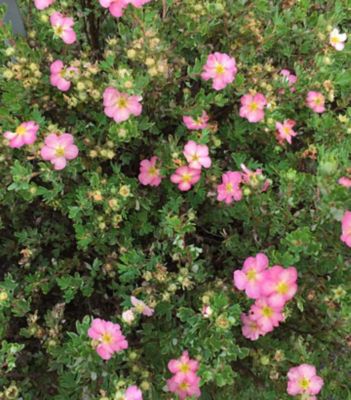
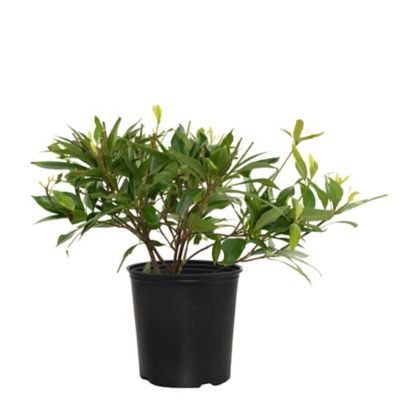
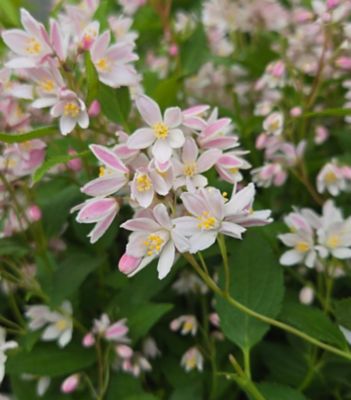
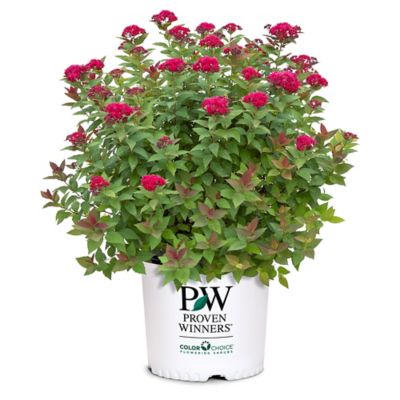
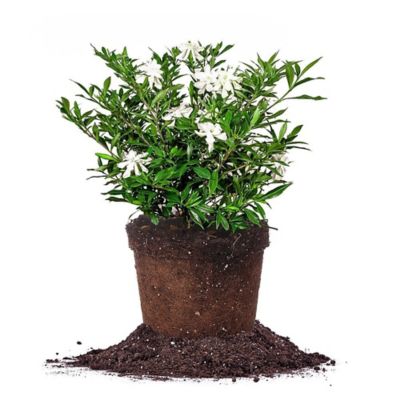
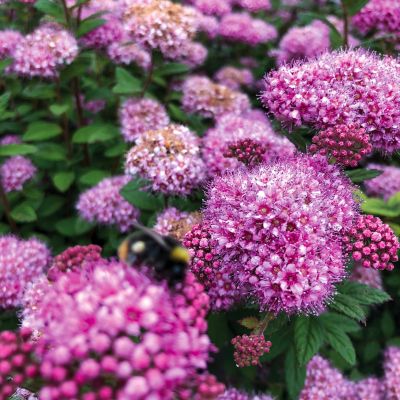
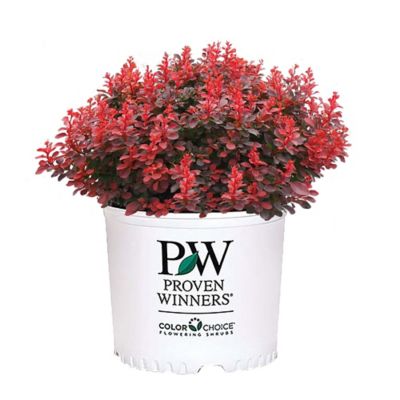
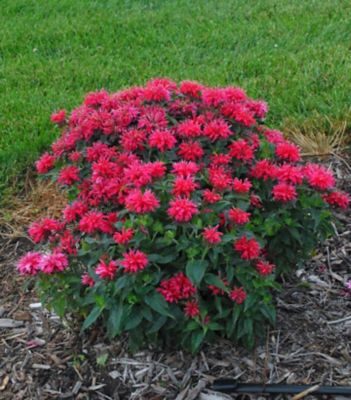
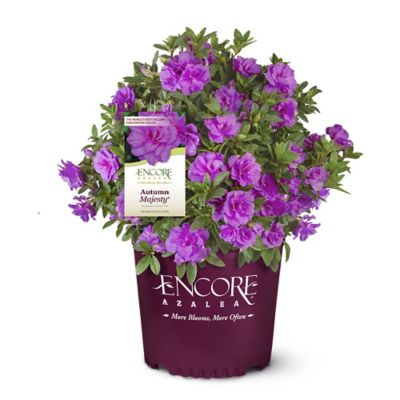
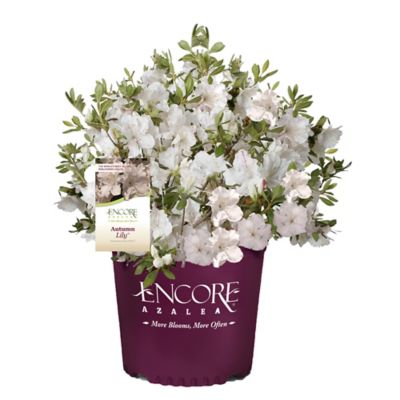
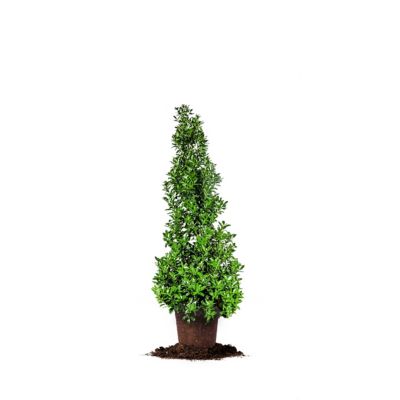
Deer resistant flowering shrubs bring color, shape, and a little breathing room to yards where deer are regular visitors. These are woody landscape plants that deer generally find less appealing than more tempting plants nearby. Strong-smelling foliage, coarse or hairy leaves, prickly growth, and certain naturally occurring compounds can discourage browsing, though the traits that help vary by plant. Deer resistant does not mean deer-proof: hungry deer may nibble plants they normally pass by, and local feeding habits make a difference. Flowers, buds, and tender shoots can also attract attention even when established foliage gets left alone. That makes resistance a useful selection factor, not a promise that every branch will stay untouched. Around a farmhouse, along a driveway, or beside a backyard fence, flowering shrubs can give a planting bed substance without depending on flowers alone for their appeal. Some have rounded, leafy forms that soften the edge of a porch; others grow upright and fit more comfortably beside a gate or along a narrow property line. Low-growing forms can frame a walkway without hiding the view, while taller shrubs can help separate a sitting area from the working parts of a yard. Flower color is only part of that picture. Leaf size, branching pattern, bark, and the shape of the whole plant affect how a shrub looks between bloom periods. Fragrance deserves a closer look, too: strongly scented leaves do not necessarily mean strongly scented flowers. For properties near woods, fields, or established deer trails, a combination of suitable plants and physical protection often makes more sense than counting on scent or texture alone. Newly planted shrubs may need protection while their roots establish, especially where deer already travel through the yard. A flowering shrub can be a good fit for a deer-conscious landscape while still needing a fence or other barrier when browsing pressure is high.
The best fit starts with the space a shrub will occupy at maturity, not just the size of its nursery container. A compact plant beside a front step has a different job from a tall flowering border along a fence. Mature height and width help show whether branches will crowd a walkway, cover a window, or reach into a gate’s swing. Allowing room for the plant’s natural form also means less repeated trimming to keep it within bounds. Light requirements matter just as much: a shrub suited to full sun may produce fewer flowers in a shaded corner, while one that prefers some shade may struggle in an exposed planting bed. USDA hardiness zone, soil preferences, and drainage requirements are practical details worth checking on the plant label. Heavy clay beside a barn foundation and loose soil along a garden path can call for different choices, even on the same property. Soil pH can affect how well a shrub takes up nutrients, so a soil test offers more useful direction than adding fertilizer by habit. For live plants, healthy roots and well-spaced branches help support establishment and continued growth. A larger starting plant gives a more immediate presence, but it still needs enough root space and attention after planting. Consistent watering at the root zone, mulch kept clear of the stems, and soil that drains appropriately all support a strong start. Once established, care needs still vary among shrubs; deer resistance does not automatically mean a plant needs little attention. Pruning requirements are another important distinction. Some shrubs form flower buds on older branches, while others bloom on new growth, so cutting at the wrong point in the growth cycle can remove the flowers you were expecting. A plant that naturally fits its spot usually needs less corrective cutting. Where browsing is frequent, protective fencing needs to account for the shrub’s eventual spread, with enough clearance to keep deer from reaching the outer branches through the barrier.
A well-planned planting gives deer resistant flowering shrubs a purpose beyond filling an empty patch of ground. Near an entry, a smaller shrub with an open branching habit can add flowers without blocking a handrail or crowding visitors. Along a broad fence line, several shrubs with room to reach their mature size can create a more substantial border. Repeating a flower color or leaf shape helps a long bed look connected, while differences in height keep the planting from looking like a flat wall. Bloom timing also affects the overall display: shrubs with different bloom periods can spread the color across more of the plants’ growth cycles rather than concentrating it into one brief show. The foliage and structure that remain between flowers deserve equal attention, especially beside a porch or other frequently viewed spot. For a mix that includes plants that hold their foliage year-round,
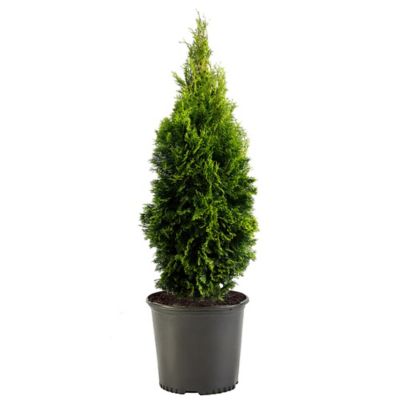
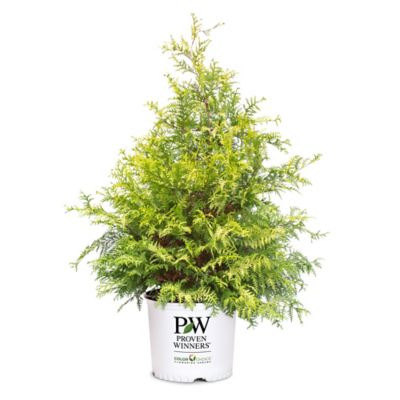
Deer Resistant Evergreen Bushes can help round out the planting alongside flowering shrubs. Pollinator value is another consideration, but it depends on the plant and flower form; not every showy bloom offers the same access to nectar or pollen. Where bees visit flowers close to a path, a little extra room between branches and foot traffic can make the space more comfortable for everyone. Fragrant flowers may suit a sitting area, while prickly stems are better kept away from places where children play or pets squeeze past. Deer resistance also says nothing about safety for livestock, dogs, cats, or people. Some plants contain irritating or toxic compounds, so the plant’s botanical identity and safety information matter near a pasture fence, animal enclosure, or family gathering space. For homeowners tending a small yard or a larger rural property, the strongest match balances browsing resistance with manageable size, suitable growing conditions, and a clear role in the landscape. Flowers draw the eye, but a shrub’s long-term fit is what makes it worth the planting space.