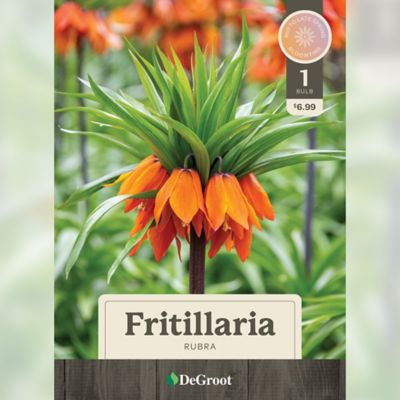
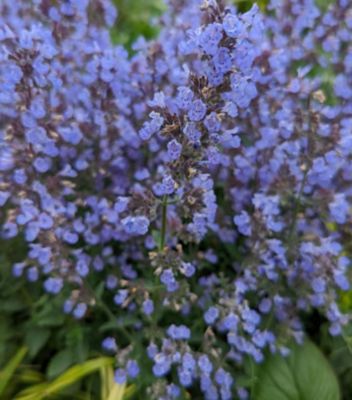
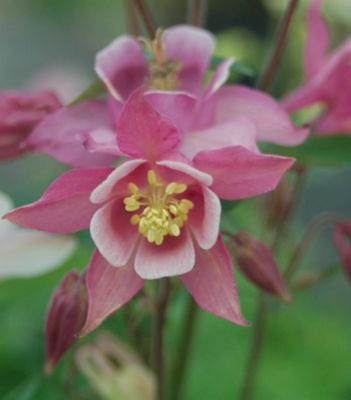
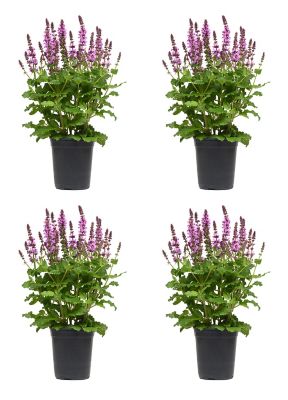
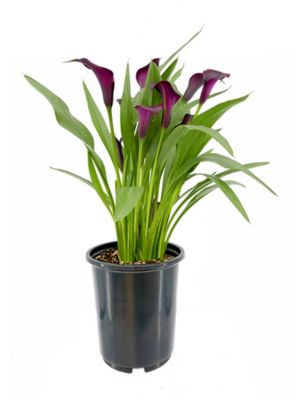
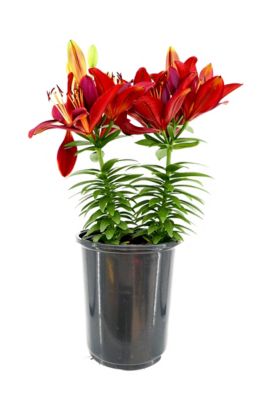
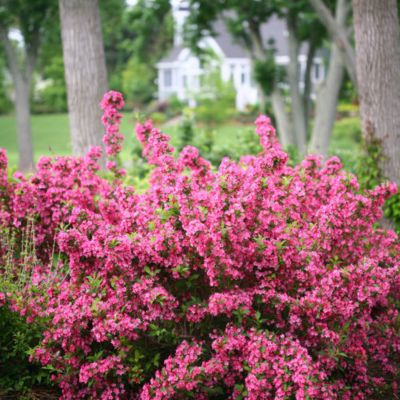
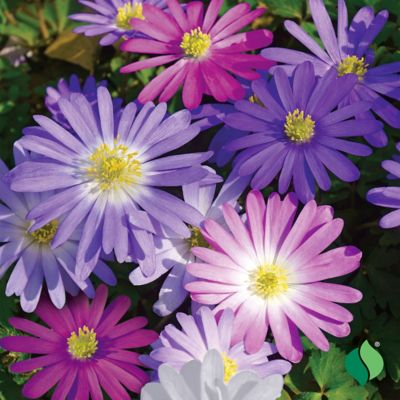
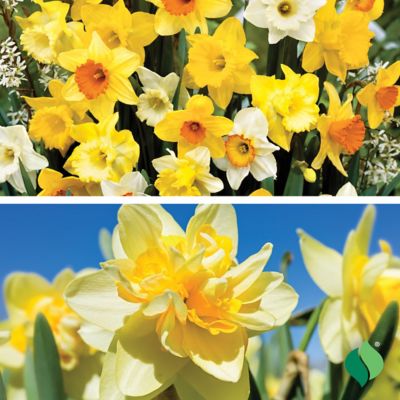
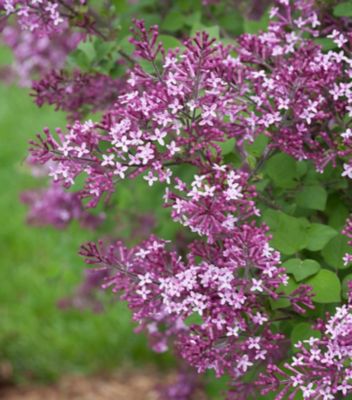
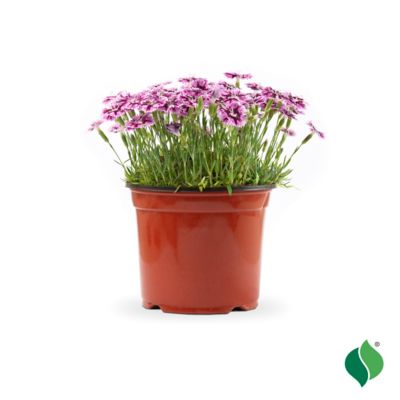
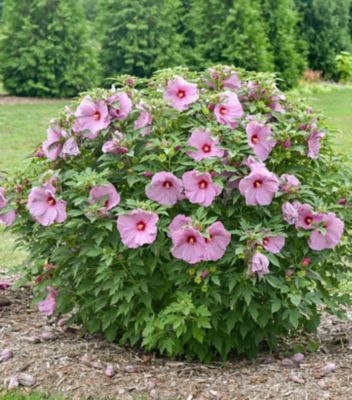
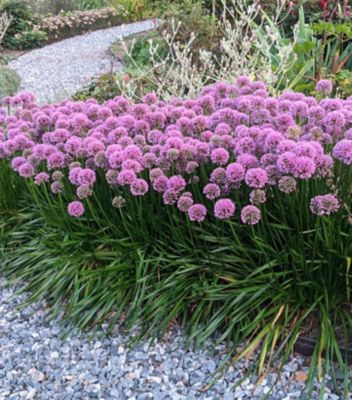
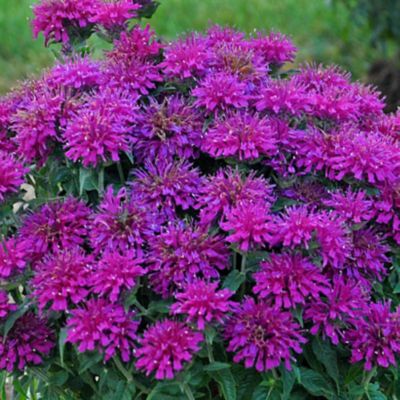
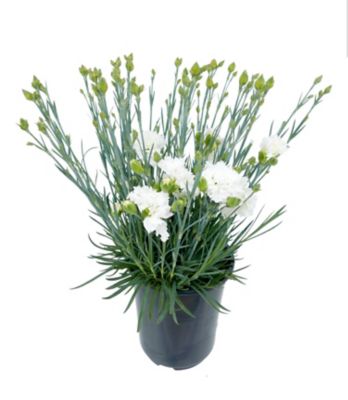
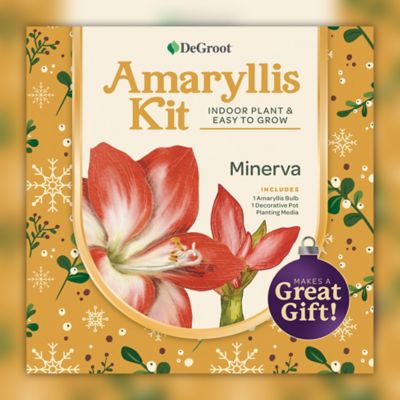
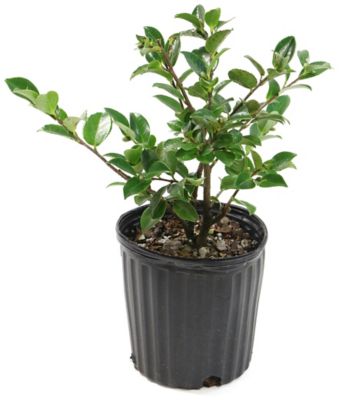
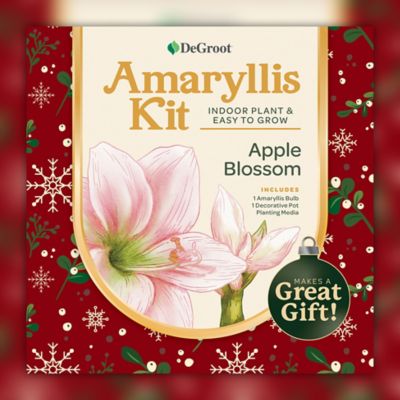
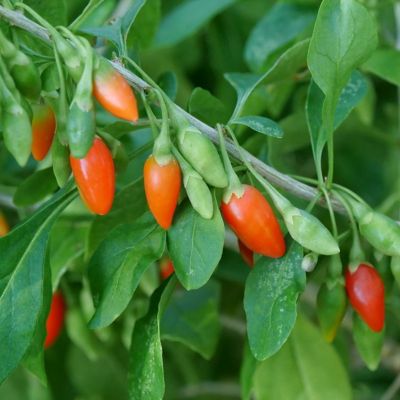
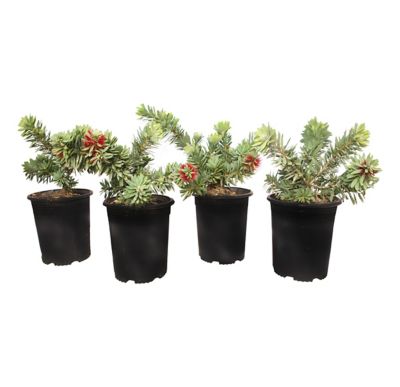
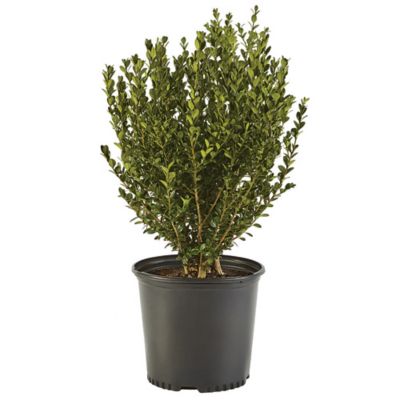
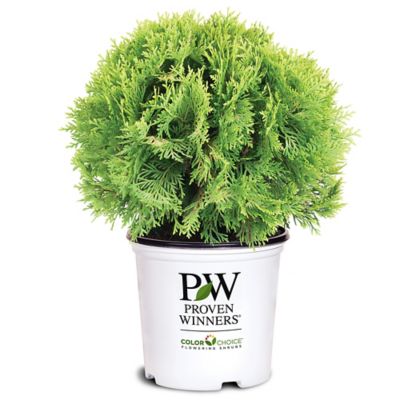
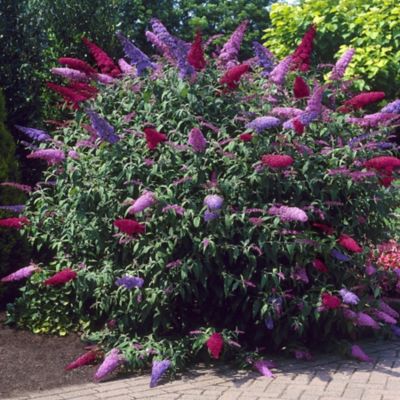
Deer-resistant flowering perennials are plants that can return year after year and are generally less appealing to deer than other garden flowers. Their resistance often comes from aromatic foliage, fuzzy or leathery leaves, coarse textures, or bitter-tasting compounds that discourage browsing. Some also contain naturally occurring toxins, so plant selection deserves extra care around children, pets, and livestock. Deer-resistant does not mean deer-proof. Hungry deer may sample plants they normally pass by, and browsing habits vary with local deer populations, nearby food sources, and the tenderness of new growth. That makes resistance a helpful selection trait rather than a guarantee that every flower will stay untouched. For a planting bed beside the porch, a border along the driveway, or a patch of color outside a fenced garden, these perennials offer a way to choose flowers with deer pressure in mind. The appeal goes beyond keeping leaves off the menu. Different flower shapes, foliage textures, and mature heights can give a bed depth without making it look crowded. Low-growing plants can soften the edge of a walkway, while upright clumps bring color above shorter neighbors. Broad flower clusters create a different look from narrow bloom spikes, and leafy mounds help fill the spaces between flowers. Matching plants with different bloom periods can also keep the entire bed from finishing its display at once. Foliage matters just as much as flowers, especially where a bed stays in plain view from a kitchen window or front steps. A plant with attractive leaves can keep earning its place even between blooms. Local experience is useful, too: a flower that deer ignore on one property may get nibbled just down the road. Signs of browsing in nearby gardens can help set expectations, though no single plant trait tells the whole story. A sensible planting balances deer resistance with the growing conditions and the kind of flower bed that fits the property.
The best fit starts with the planting space, not just the flower color. Deer-resistant flowering perennials span a wide range of growing needs, and resistance to browsing does not make a plant suited to every yard. Sun exposure, soil drainage, mature spread, and the recommended USDA hardiness zone all matter. A sunny bed beside a gravel lane presents a different setting from a shaded border beneath established trees. Soil can change within the same property as well: a low spot may hold moisture, while a raised bed drains much faster. Plants suited to those conditions have a better chance of developing the roots and foliage needed for repeat growth. Mature dimensions deserve a close look before planting, particularly near gates, steps, hose connections, and narrow paths where an overgrown clump can become a nuisance. A small plant with room to fill out often fits better than several crowded together for an instant full look. Container-grown and bare-root perennials also differ in appearance and handling. Container-grown plants arrive with roots held in a growing medium, while bare-root plants need handling that keeps exposed roots from drying out. The planting and care directions for each plant take priority over a one-size-fits-all approach. For beds near a porch or seating area, foliage scent may be another consideration; some aromatic plants release their fragrance most noticeably when leaves are brushed. Flower shape can matter for visiting pollinators, too, although support for particular bees, butterflies, or other insects depends on the plant. Deer resistance alone does not establish pollinator value or animal safety. Around a pasture fence or pet exercise area, checking toxicity information is especially important because a plant that discourages deer may still pose a risk to other animals. Thoughtful placement leaves room for both the flowers and the everyday work happening around them.
Care needs remain part of the picture after planting. Perennials need enough root-zone moisture to become established, but keeping soil constantly saturated can harm plants that require good drainage. The right watering routine depends on the plant, the soil, and whether roots are growing in a bed or a container. Containers need particular attention because their limited soil volume changes how quickly moisture is depleted, and drainage holes need to stay open. Mulch can help limit competing weeds and reduce moisture loss, provided it is kept away from crowns and stems rather than piled against them. Space between plants supports airflow and makes it easier to spot chewed shoots, damaged stems, or a clump that has outgrown its allotted room. Some flowering perennials benefit from removing faded blooms; others carry seed heads that add texture or provide food for birds. Trimming, dividing, and supporting taller stems are plant-dependent tasks, not requirements shared by every perennial. Those differences are worth considering when choosing between a tidy border close to the house and a looser planting farther out on the property. Deer protection may still have a place, particularly while plants are small or new shoots are tender. Properly designed deer fencing provides a physical barrier, while a suitable repellent may offer additional help when applied according to its label. Neither takes the place of choosing plants that suit the site, and plants described as resistant should not be treated as a protective shield for neighboring flowers that deer favor. Keeping an eye on actual browsing makes it easier to adjust a planting rather than repeatedly replacing the same heavily eaten flowers. Gardeners considering how perennial flowers fit into a broader planting plan can also explore
Perennial Plants for Fall Gardens. For a deer-prone yard, the strongest foundation is still a mix of suitable plants, room for mature growth, practical care, and realistic expectations about the wildlife passing through.