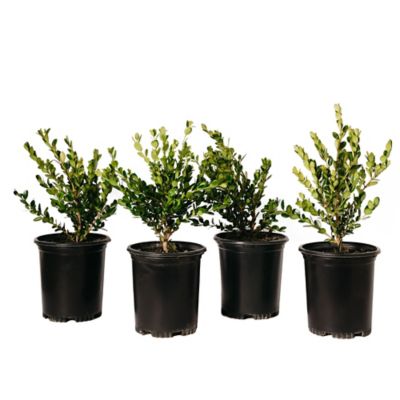
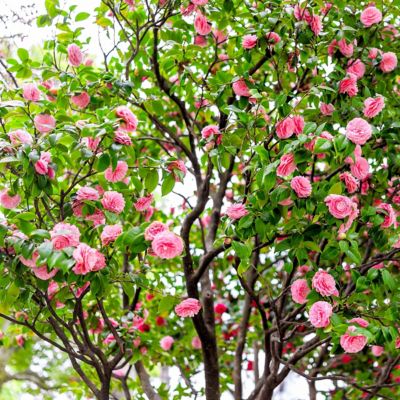
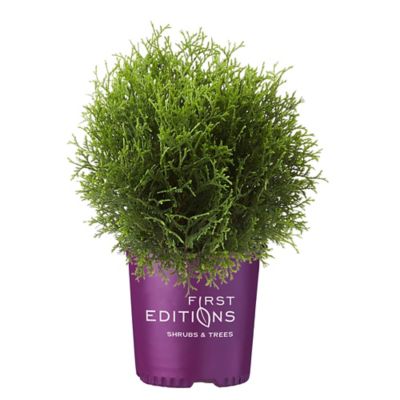
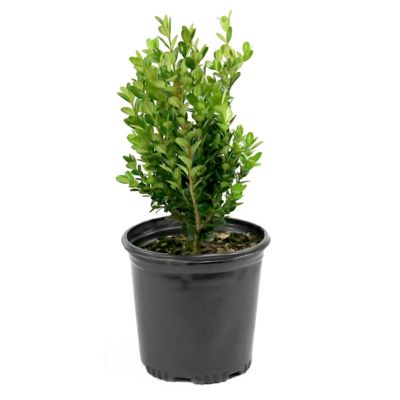
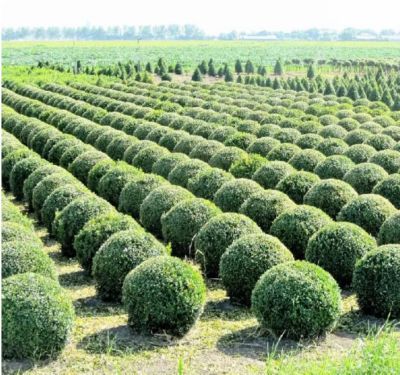
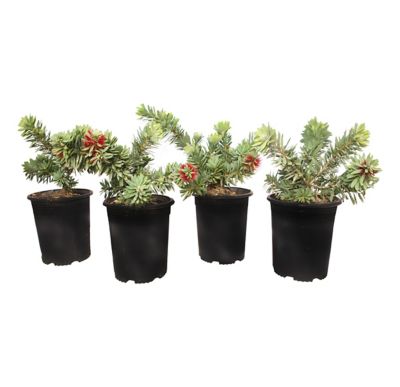
Cold-hardy evergreen shrubs bring lasting color and structure to a yard, holding onto leaves or needles through freezing weather when nearby trees stand bare. They can frame a farmhouse porch, soften the edge of a shed, mark a driveway entrance or create a living screen between the backyard and an open field. Cold hardiness describes a plant’s ability to tolerate low temperatures, but there isn’t one temperature rating that fits every evergreen. The right match depends on the shrub’s USDA Plant Hardiness Zone rating, mature size and growing conditions. USDA zones reflect average annual extreme minimum temperatures, so a shrub rated for Zone 4 is suited to a different winter range than one whose hardiness begins in Zone 6. Some junipers and arborvitae tolerate Zone 3 conditions, while certain bearberry selections grow in Zone 2. Cold-tolerant boxwoods and evergreen hollies often have ratings beginning in Zone 4 or 5, depending on the selection. Those differences matter more than the broad description “evergreen,” which refers to foliage retention rather than a guarantee of cold tolerance. Plant tags help narrow the choice to shrubs suited to the property. Shape matters just as much once the plants are in the ground. Low, spreading evergreens can cover the edge of a sunny bank without blocking the view across the yard. Rounded shrubs bring definition to foundation beds, while taller, upright forms can provide privacy beside a patio or along a property line. Broadleaf evergreens offer a leafy look, while needled and scale-leaved shrubs bring finer textures, from soft-looking sprays to short, pointed needles. Foliage may range from deep green to blue-green or gold, giving a planting more variety without depending on flowers. Mature height and width deserve a close look before planting, especially beside steps, gates, windows and utility equipment. A shrub that fits its space naturally needs less trimming and leaves room for everyday chores, whether that means carrying feed through a gate or clearing snow from a walk.
The best cold-hardy evergreen shrubs for a particular spot are the ones whose light, soil and moisture needs line up with that site. A sunny fence line with loose, sandy soil calls for different plants than a sheltered bed that catches morning sun and stays damp after rain. Junipers generally perform best in full sun with good drainage, while many boxwoods and evergreen hollies can handle some shade, depending on the selection. Deep shade can thin growth even when a shrub survives there, leaving a privacy planting less dense than expected. Drainage is especially important because cold tolerance does not protect roots from prolonged saturation. Low spots beside downspouts, compacted ground near a barn and beds where water pools after a thaw can be tough places for evergreens. Soil texture and pH also influence performance. Many hollies favor acidic soil, while boxwoods generally grow well in slightly acidic to slightly alkaline conditions. A soil test can help settle those questions before a whole row goes in. Container-grown shrubs need attention to the root ball as well as the surrounding ground: water can run through loose backfill while a tightly packed root ball stays dry. During establishment, slow watering that reaches the roots is more useful than a quick sprinkle over the foliage. Spring and fall often offer suitable planting conditions where the ground is workable, with enough time for roots to begin settling in before severe heat or a hard freeze. A modest layer of mulch helps limit moisture loss and soil temperature swings, but it belongs around the root area rather than piled against the stems. For homeowners who prefer less trimming, naturally compact shrubs can be a better fit than large-growing plants kept small by repeated shearing. Pruning needs vary by plant, and many needled evergreens do not fill back in readily after cuts into bare, older wood.
Winter performance also depends on what happens above the soil. An evergreen beside an open pasture may face drying wind all day, while the same type of shrub near a sheltered porch has a gentler setting. Leaves and needles continue losing moisture in winter, and frozen soil can keep roots from replacing it. That imbalance can lead to winter burn, especially on broadleaf evergreens exposed to strong wind and afternoon sun. A protected planting location and adequate soil moisture before the ground freezes can help reduce that stress. Where exposure is unavoidable, a freestanding burlap windbreak can offer shelter without pressing fabric against the foliage. Heavy, wet snow presents a different concern, particularly for upright shrubs with branches that can spread under the load. Placement away from roof-snow drop zones and snowplow piles helps keep plants out of trouble. Road salt is another consideration along driveways and rural roads; cold tolerance and salt tolerance are separate traits, so both matter in those locations. For sunny beds that also tend to dry out,
Drought Tolerant Evergreen Shrubs can help narrow the search, though newly planted shrubs still need regular moisture while their roots establish. Households with pets or livestock should also consider plant toxicity and keep potentially harmful foliage and berries away from runs, pens and grazing areas. Where berries are part of the appeal, many hollies need a compatible male plant blooming nearby for female plants to set fruit. Deer pressure deserves attention, too, since hungry deer may browse shrubs they leave alone at other times. Some evergreens develop a bronze or purplish cast in cold weather, which can be normal rather than a sign of damage. Matching the plant’s growth habit, exposure needs and winter rating to the property helps create a planting that looks at home beside a gravel lane, a small-town porch or a working farmyard.