Cyber Monday Deals On Outdoor Planters
Shop Cyber Monday deals on outdoor planters at Tractor Supply for your porch, patio or garden. Browse planting containers with your space and plants in mind, checking dimensions and drainage details to help pick the right fit for what you want to grow.
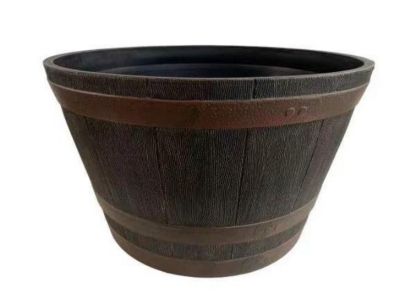
$21
.99
Sale Was $24.99 Save $3.00 (12%)
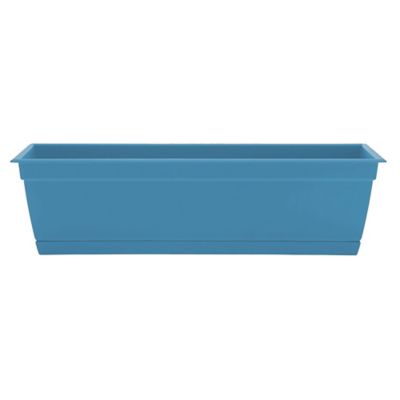
$11
.99
Sale Was $14.99 Save $3.00 (20%)
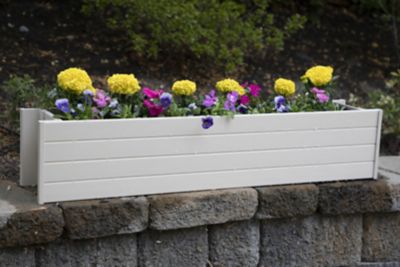
$47
.99
Sale Was $49.99 Save $2.00 (4%)
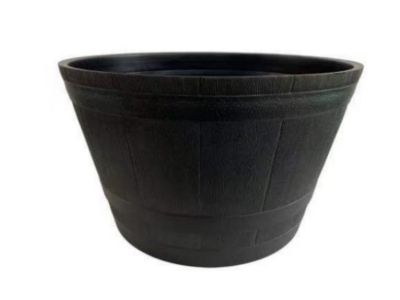
$21
.99
Sale Was $24.99 Save $3.00 (12%)
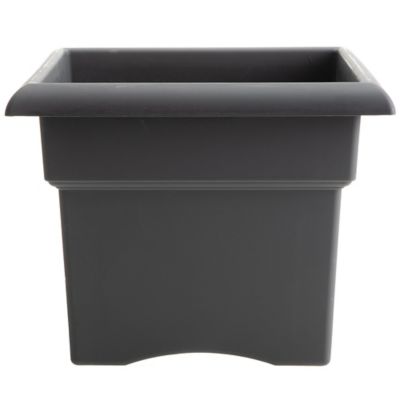
$15
.99
Sale Was $19.99 Save $4.00 (20%)
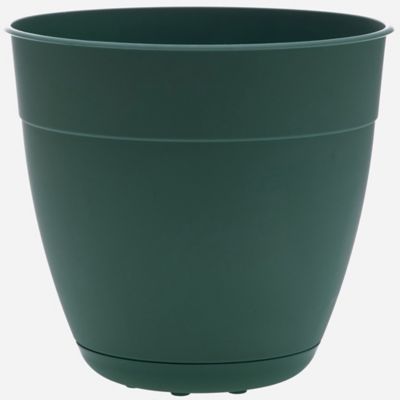
$13
.59
Sale Was $16.99 Save $3.40 (20%)
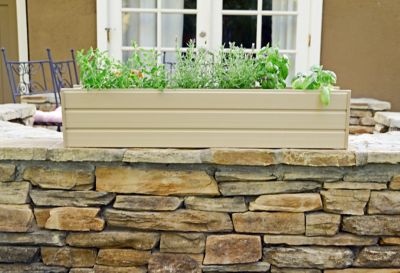
$43
.99
Sale Was $54.99 Save $11.00 (20%)
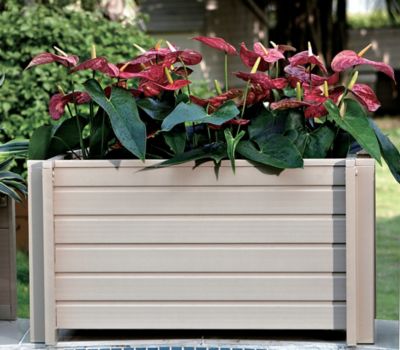
$71
.99
Sale Was $89.99 Save $18.00 (20%)
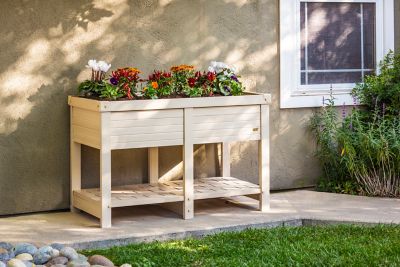
$239
.99
Sale Was $299.99 Save $60.00 (20%)
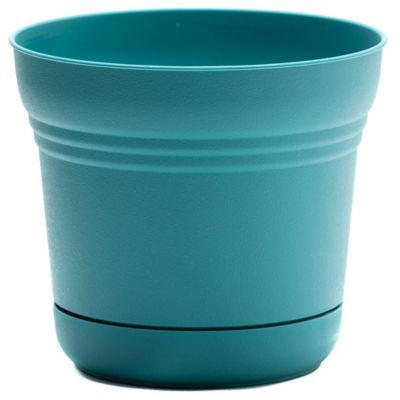
$7
.99
Sale Was $9.99 Save $2.00 (20%)
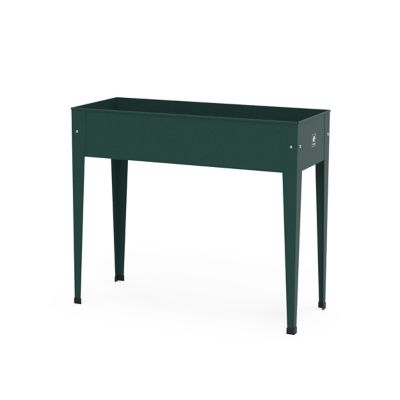
$119
.99
Sale Was $149.99 Save $30.00 (20%)
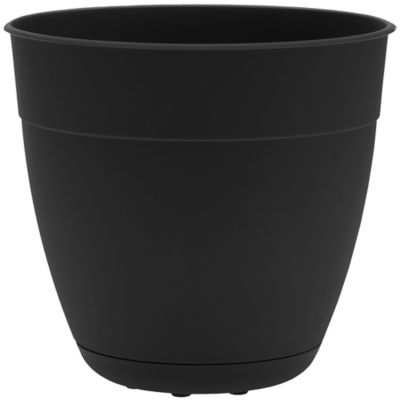
$11
.99
Sale Was $14.99 Save $3.00 (20%)
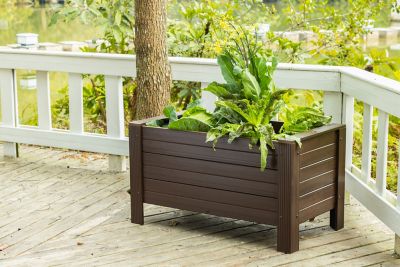
$143
.99
Sale Was $179.99 Save $36.00 (20%)
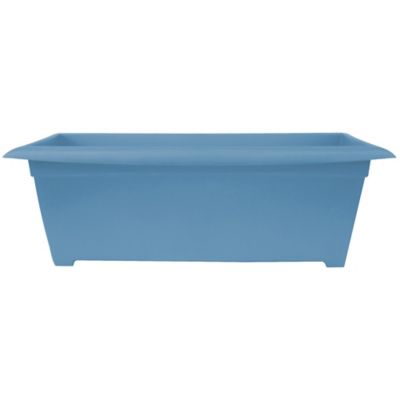
$15
.99
Sale Was $19.99 Save $4.00 (20%)
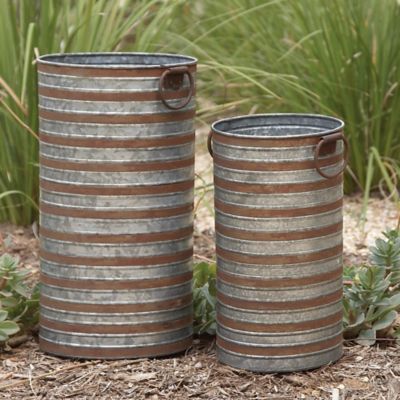
$76
.49
Sale Was $84.99 Save $8.50 (10%)

$47
.99
Sale Was $59.99 Save $12.00 (20%)
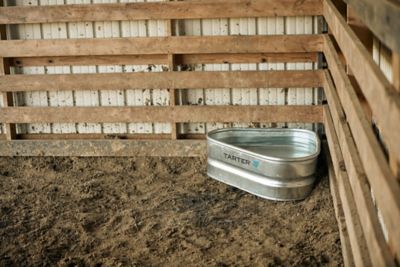
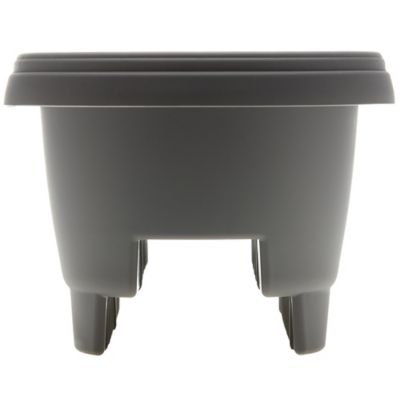
$15
.99
Sale Was $19.99 Save $4.00 (20%)
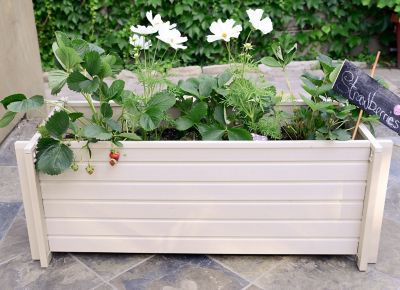
$95
.99
Sale Was $119.99 Save $24.00 (20%)
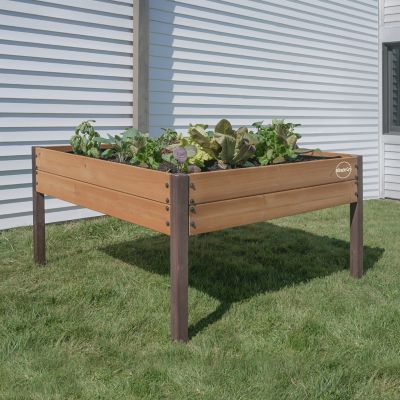
$104
.99
Sale Was $139.99 Save $35.00 (25%)
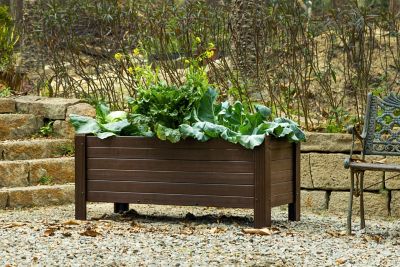
$159
.99
Sale Was $199.99 Save $40.00 (20%)

$76
.49
Sale Was $84.99 Save $8.50 (10%)
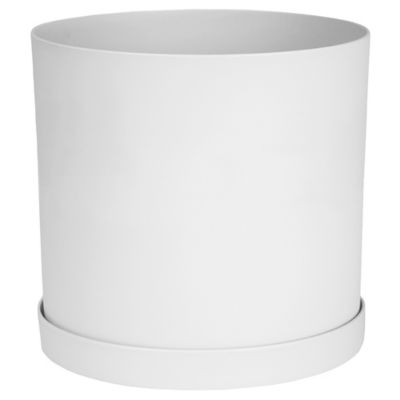
$19
.99
Sale Was $24.99 Save $5.00 (20%)

$107
.99
Sale Was $119.99 Save $12.00 (10%)
Best Of FAQ
What materials are common for outdoor planters?
Outdoor planters come in materials such as resin, plastic, terracotta, ceramic, metal and wood. When browsing Cyber Monday deals on outdoor planters, compare the material, finish and care instructions to find a match for your porch, patio or garden.
What outdoor planter styles have a farmhouse look?
Barrel-style planters, wooden planter boxes and galvanized-metal containers bring a country feel to outdoor spaces. Earthy colors and simple finishes pair nicely with wood siding, brick steps and gravel paths.
How do hanging planters differ from freestanding planters?
Hanging planters suspend from an overhead support and often feature trailing flowers or foliage. Freestanding planters sit on the ground or a stand, making them a familiar choice for porch corners, patios and garden entrances.
How can I dress up outdoor planters for Christmas?
Arrange evergreen branches, pinecones and berry stems for a festive porch display. Add ribbon that matches your wreath or garland to tie the look together.
How do I care for outdoor planters between planting seasons?
Empty out old soil and plant material, then follow the planter's cleaning instructions. Many containers can be washed with mild soap and water. Let them dry, and check the manufacturer's guidance for winter storage, especially for terracotta and ceramic.
Best Sellers
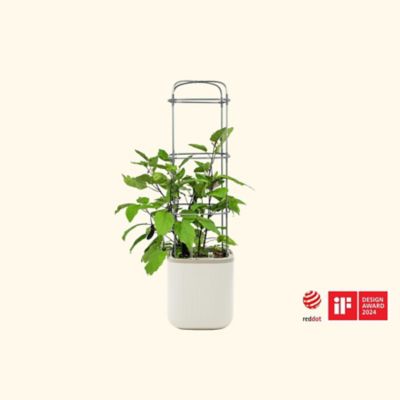
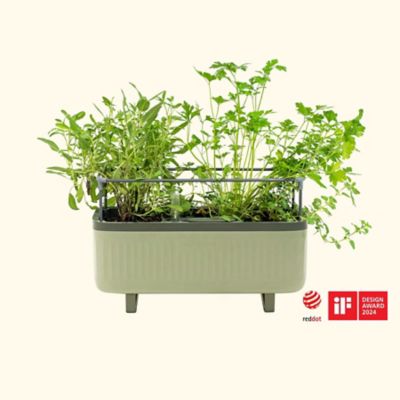
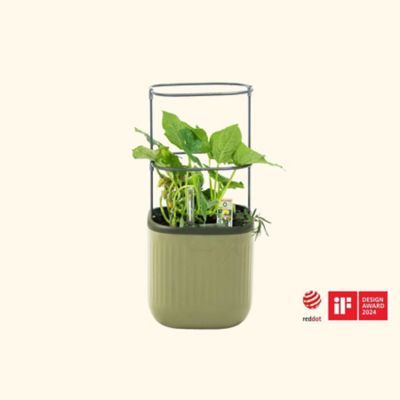
-
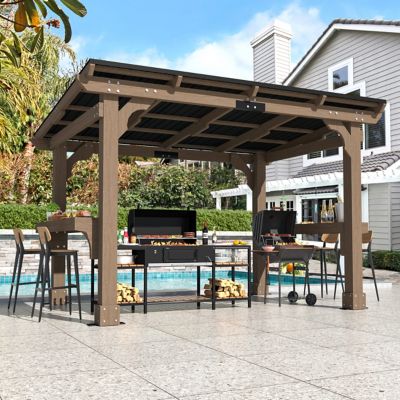
"Great product for the price. We were really impressed with the quality of the structure"
-
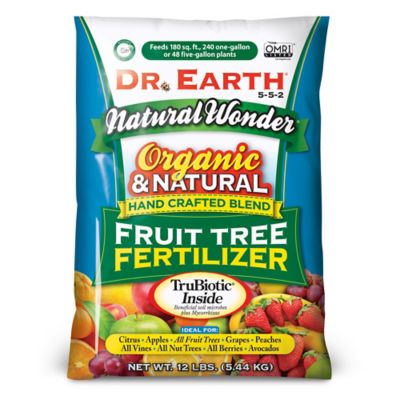
"Best Fertilizer for fruit trees, bushes, and plants that I have found"
-
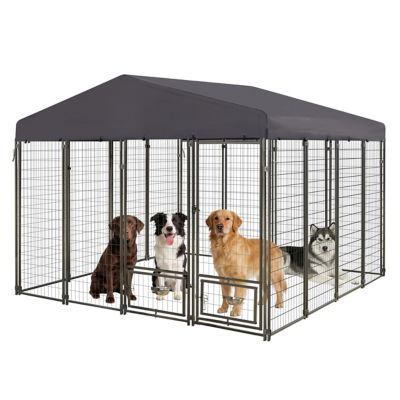
"Love it"
-
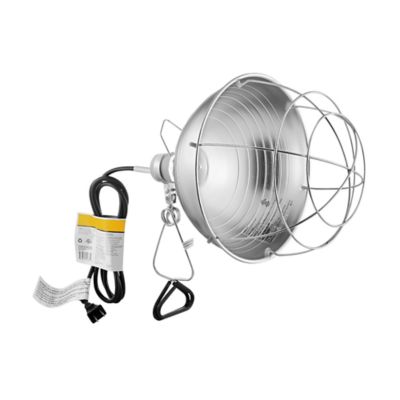
"The best of the best heat lamps. Very easy to set up"
-
"Great Tire!! Used on my 1947 Ford Tractor and no issues. Delivered quickly"