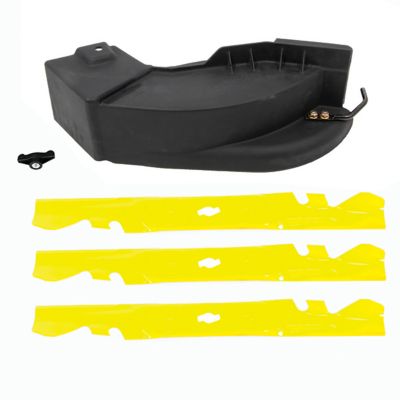
Replacement mower parts help keep a familiar machine ready for the work around the house, along the driveway, and out by the barn. This category covers the components that cut grass, transfer power, support the deck, and keep a mower’s engine and controls working as intended. Common part types include mower blades, deck belts, drive belts, air filters, spark plugs, control cables, pulleys, spindles, and wheels. Each serves a different purpose, and the right match depends on more than whether a mower is a walk-behind or a riding model. The full mower model number, the engine model when applicable, and the original part number provide a stronger starting point than appearance alone. Model labels may sit on the mower housing, near the handle assembly, beneath the seat, or under the hood, depending on the machine. An illustrated parts diagram can help connect that identifying information with the correct component and its mounting hardware. Two mowers with the same cutting width can have different blade attachments, belt routes, or engine configurations, so deck size by itself does not establish compatibility. That matters whether the job is tending a small yard with tight corners or mowing long stretches beside a pasture fence. Walk-behind machines may need attention to wheel adjusters, drive controls, and handles, while riding mowers add steering components, deck lift hardware, and other assemblies to the picture. Engine service parts also need to match the engine fitted to the mower, which may have its own identification label separate from the mower’s label. For a homeowner keeping an older machine in service or a landowner maintaining several pieces of equipment, those details help narrow the search without relying on a part that simply looks close. Matching the documented replacement specification helps preserve the machine’s intended operation, from the way the drive engages to the way the deck carries its blades.
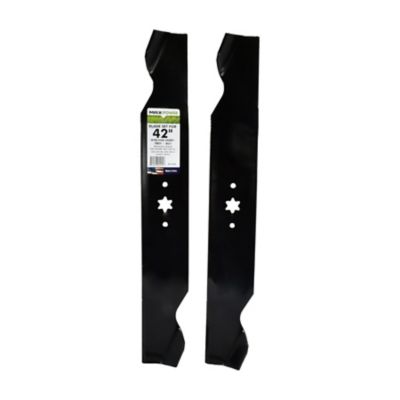
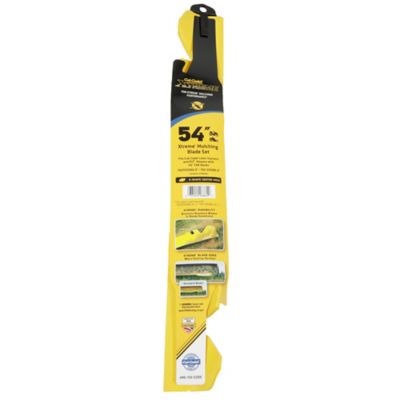
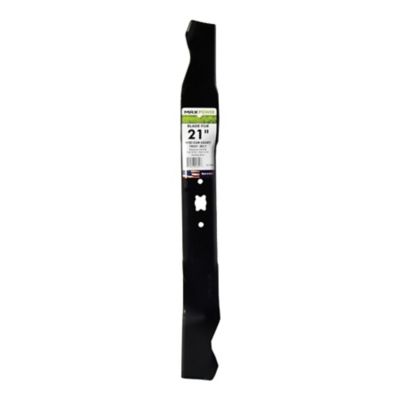
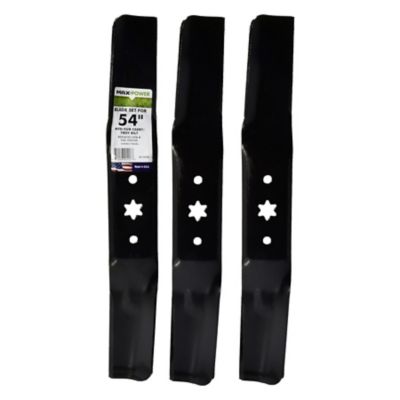
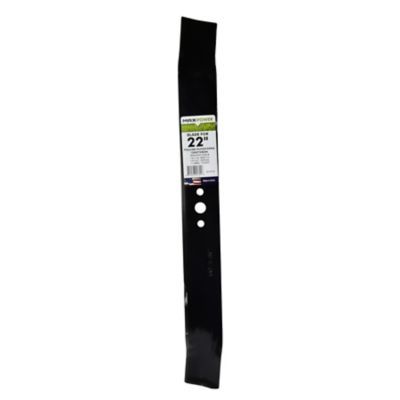
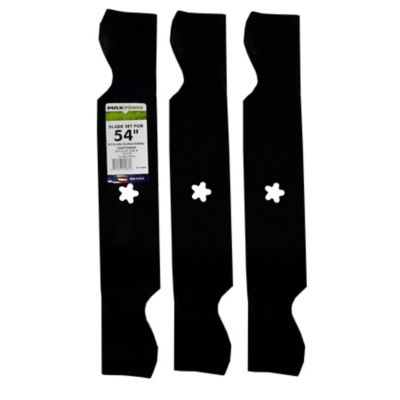
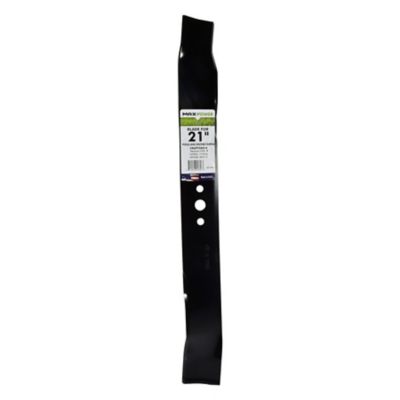
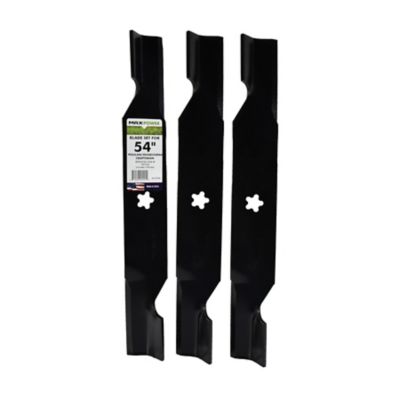
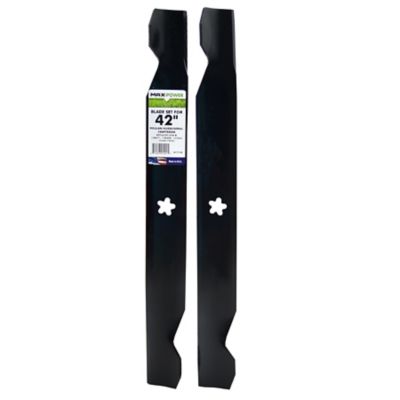
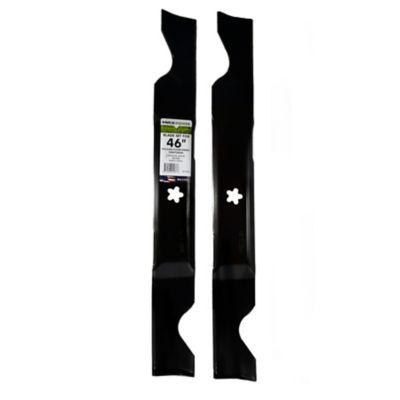
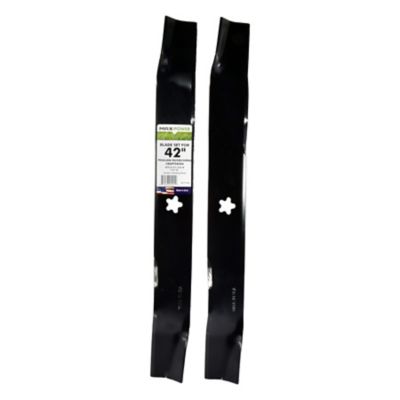
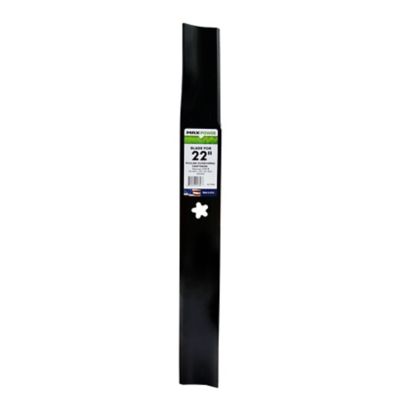
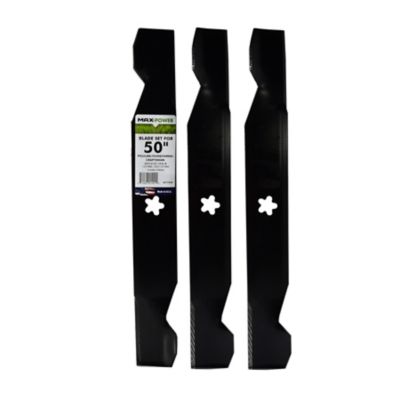
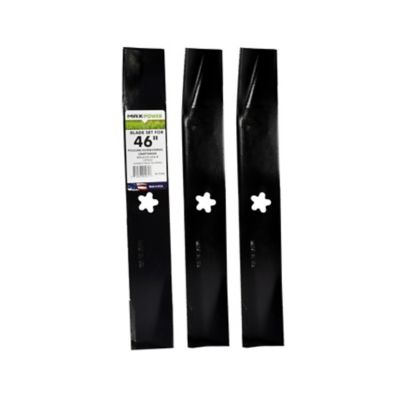
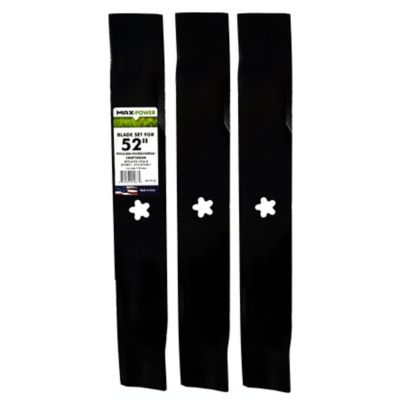
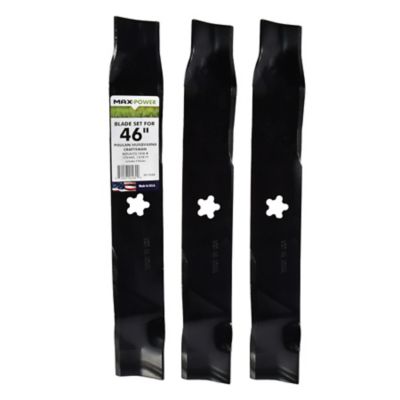
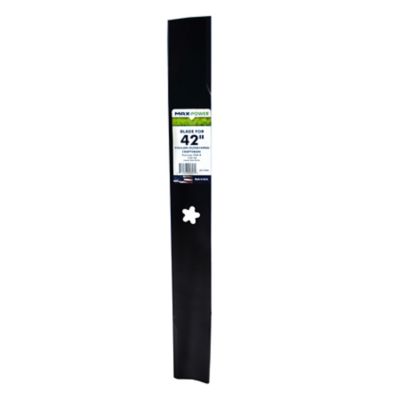
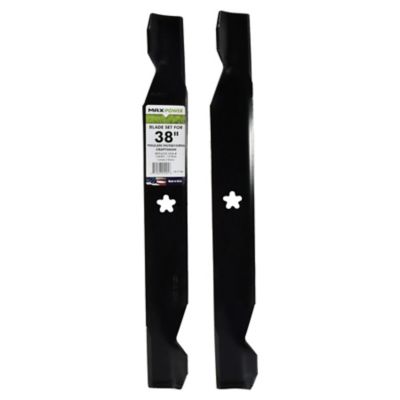
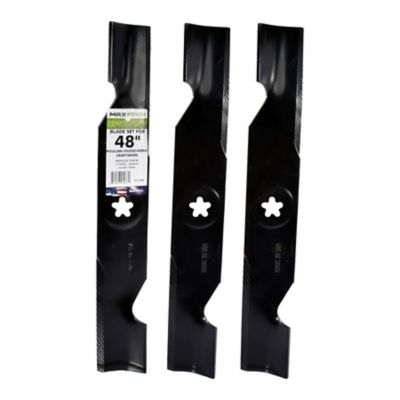
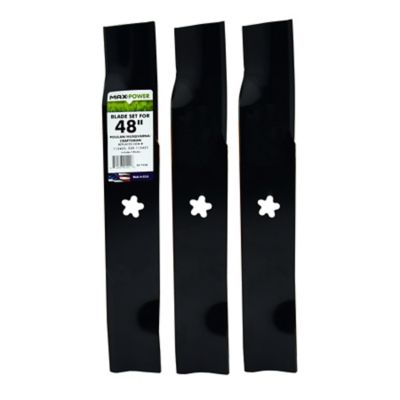
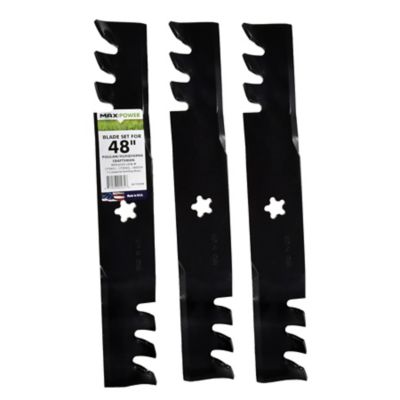
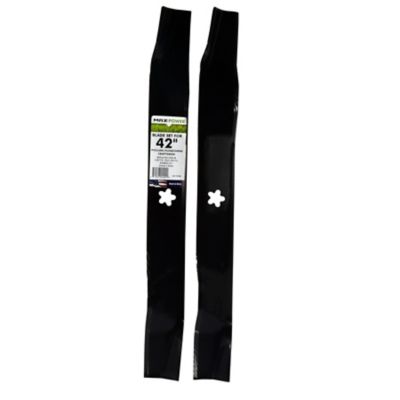
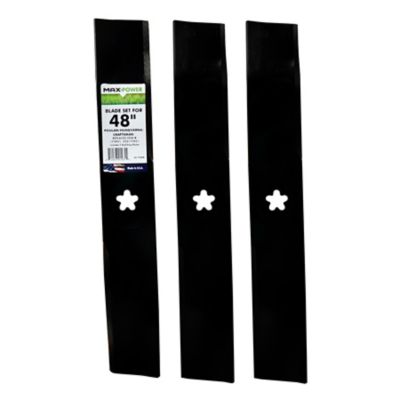
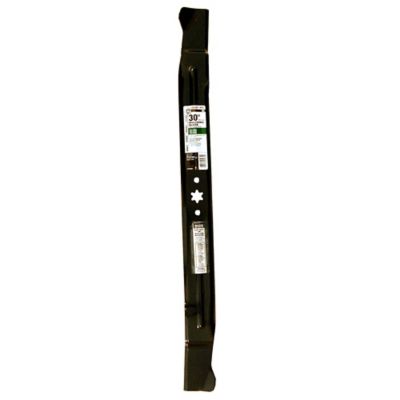
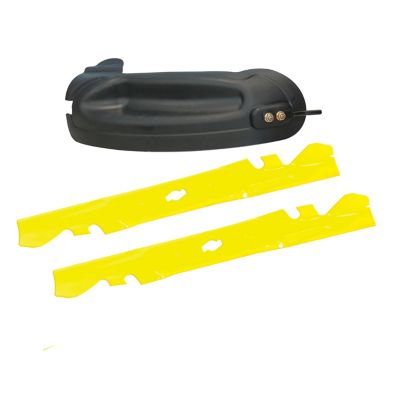
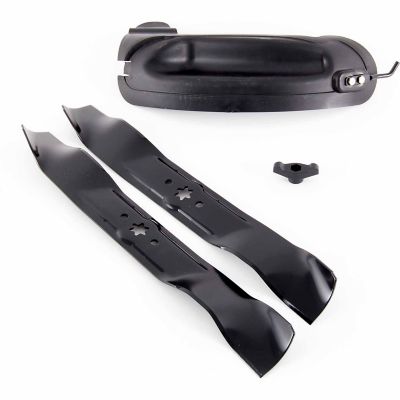
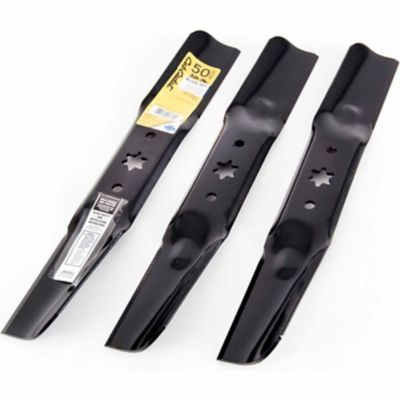
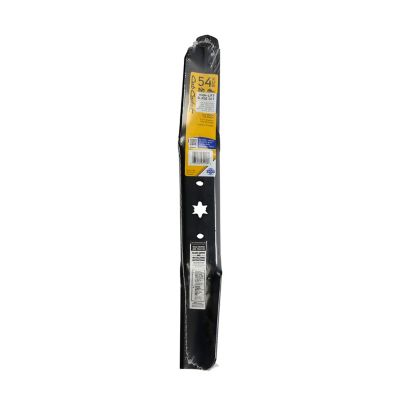
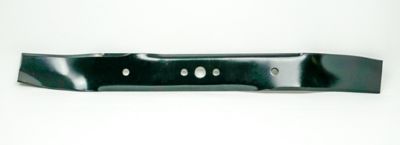
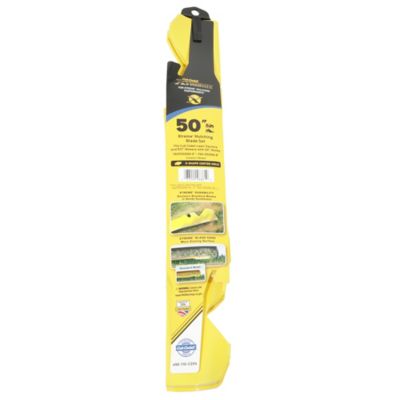
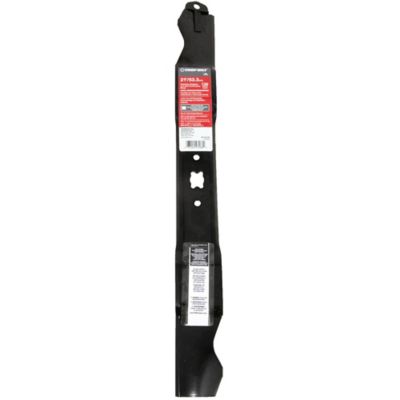
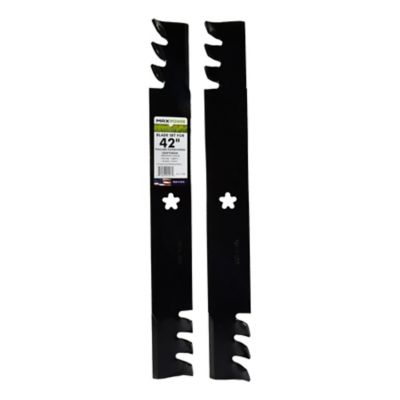
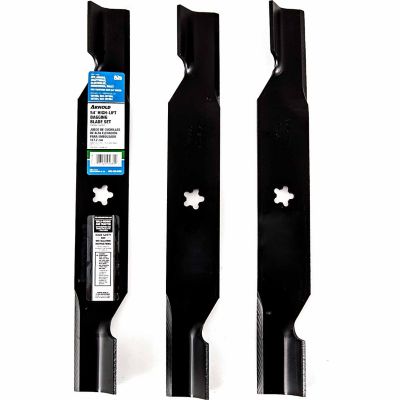
Cutting and drive components take on plenty of wear during ordinary yard work, especially where grass grows around fence posts, gravel edges, and tree roots. Mower blades are generally steel, but their length, thickness, center opening, offset, and lift profile vary by application. A blade meant for mulching has a different cutting and airflow pattern from one intended primarily for bagging or side discharge. Those designs work as part of a deck system, so a change in blade style must stay within the mower manufacturer’s approved configurations. A clean cut depends on more than a sharp edge: blade condition, balance, correct mounting, and a sound spindle assembly all contribute. Cracks, bends, or substantial wear call for evaluation against the manufacturer’s replacement guidance rather than another round of sharpening. Belts have similarly specific requirements. Their length, cross section, construction, and routing affect how they sit in pulleys and carry power to the deck or drive system. Reinforcement within a belt helps it handle tension, while the surrounding material must tolerate repeated flexing and the heat generated in operation. A belt that slips or leaves its pulley may point to an issue elsewhere, such as a worn idler, damaged pulley, or tensioning problem; a replacement belt alone will not correct every cause. Spindles, bearings, and pulley assemblies support rotating parts beneath and above the deck, where grass buildup and moisture can add to wear. Wheels and deck rollers serve different jobs, too. Wheel diameter, axle opening, tread, and mounting style influence fit, while properly adjusted anti-scalp rollers help the deck pass over uneven ground without digging into the turf. Keeping clippings cleared away according to the owner’s manual, checking for loose hardware, and following specified lubrication intervals can help these components last. Around a rough yard, that attention is especially worthwhile after contact with a hidden stump, exposed root, or stone.
Engine and control parts round out the category, supporting everything from the first start of the day to a steady pass through thick grass. Air filters keep airborne dirt from entering the engine, but paper elements, foam elements, and precleaner combinations have different care requirements. The correct filter needs both the specified dimensions and a proper seal inside its housing; a close-looking element that leaves a gap can allow dust past it. Spark plugs likewise vary in thread size, reach, heat range, and gap specification, making the engine documentation more useful than a visual comparison. Rough running or hard starting can have several causes, so those symptoms do not automatically mean that a plug or filter needs replacement. Fuel lines, caps, seals, and related components require materials suited to their intended fluid and operating conditions, especially when a mower spends time in a dusty shed or faces wide temperature swings. Control cables and operator-presence components deserve particular care because their length, end fittings, mounting points, and travel affect how the machine responds at the handle or seat. Safety controls should remain intact, with replacement work following the manufacturer’s directions rather than bypassing a switch or cable. For battery-start equipment, terminal layout, physical dimensions, and the specified electrical ratings also matter. As mowing slows during the cooler months, attention often shifts toward cleaning the deck, checking wear, and preparing the machine for storage according to its manual. Removing packed grass and allowing cleaned surfaces to dry helps limit trapped moisture, while storing spare components away from dampness and direct sunlight helps protect rubber, metal, and filter materials. Any inspection or replacement work calls for the shutdown and power-isolation precautions specified for the mower, along with secure support where required. Households maintaining another make of machine can also browse
Honda Lawn Mower Parts, checking that mower’s own model information rather than assuming parts interchange. Whether a mower handles a patch beside the porch or a broad stretch around the outbuildings, properly matched components support the cutting, handling, and everyday operation the machine was built to deliver.