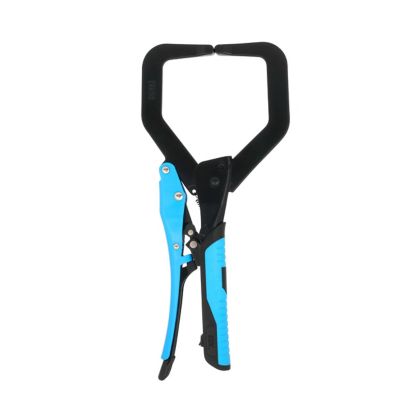
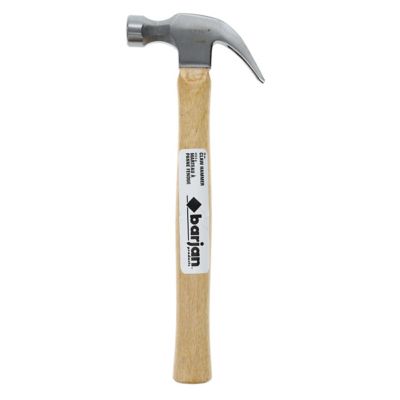
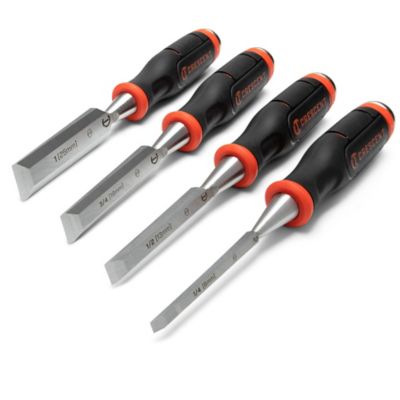
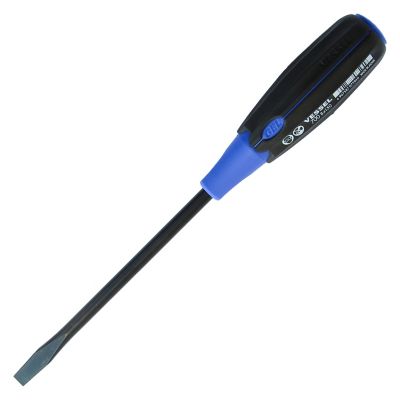
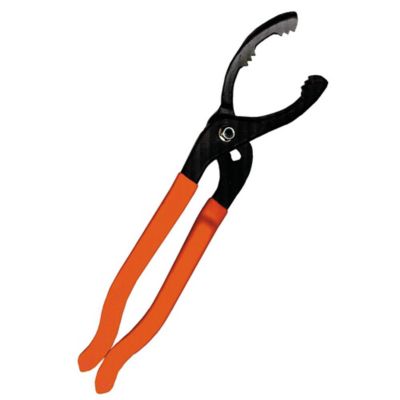
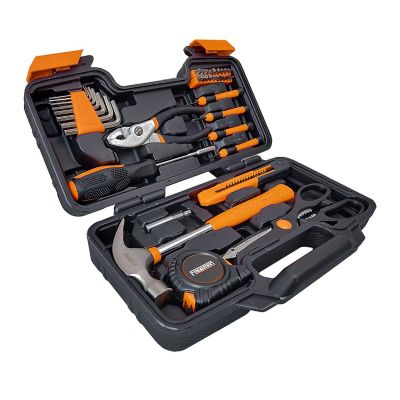
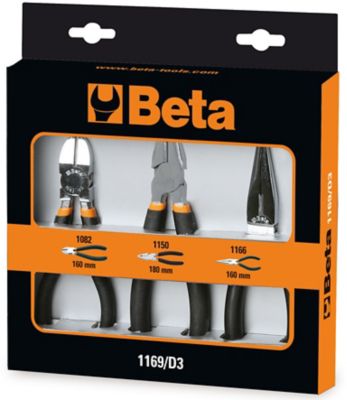
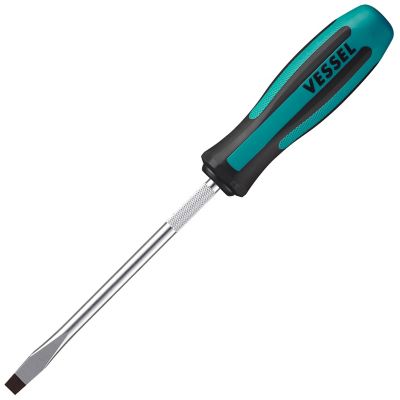
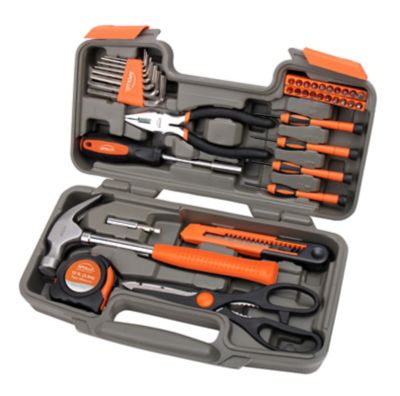
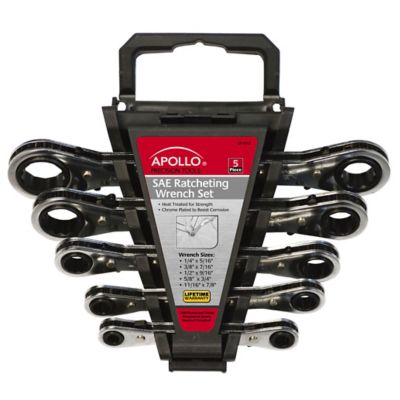
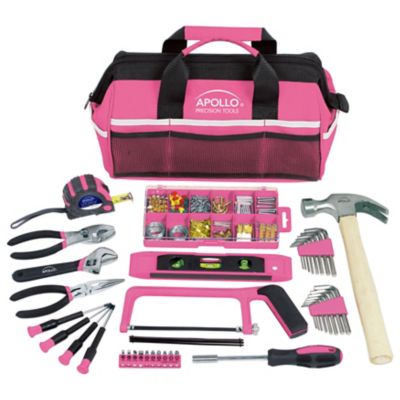
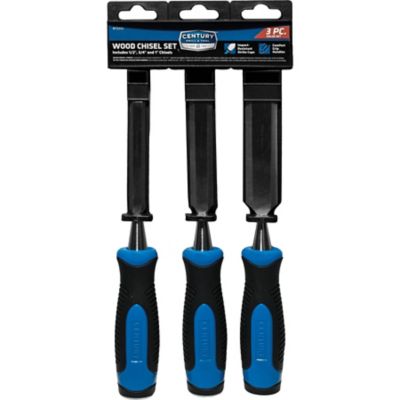
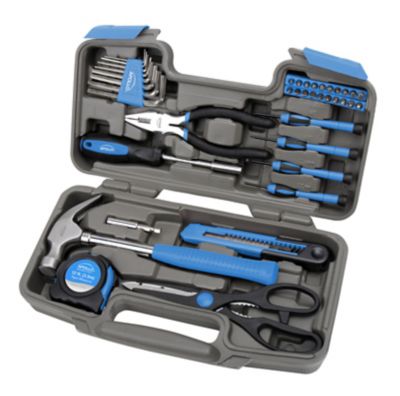
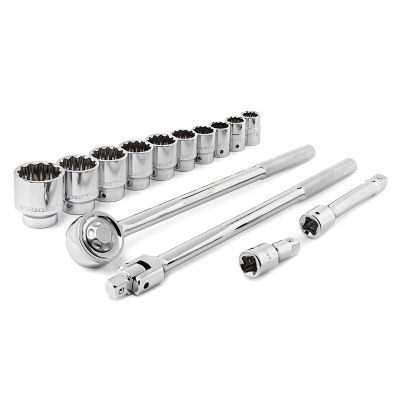
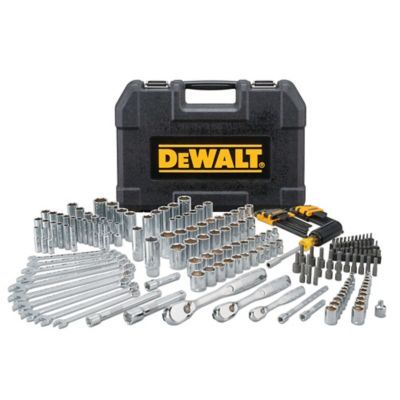
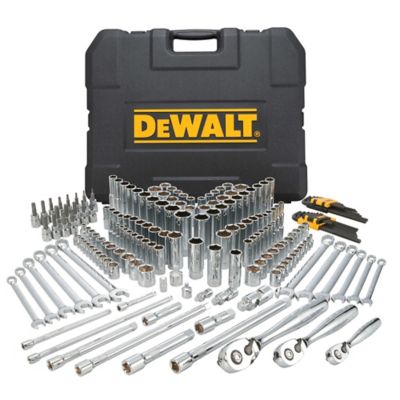
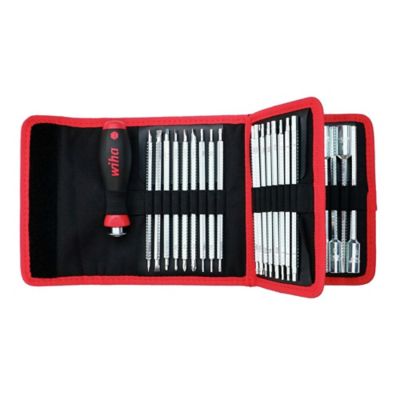
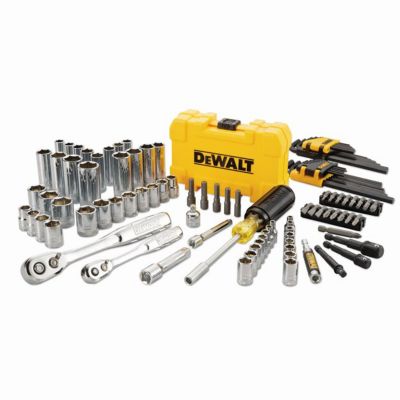
Hand tools, power tools and tool storage each have a place in a working garage, farm shop or home toolbox. Hand tools provide direct control for fastening, gripping and adjusting; power tools help with repeated drilling, driving and cutting; and storage keeps everything organized between jobs. Together, these categories support work ranging from tightening a loose gate hinge to repairing a workbench or servicing equipment according to its maintenance instructions. The best fit starts with the work at hand, not simply the number of pieces in a set. Someone handling vehicle maintenance may need both metric and SAE sizes, while a homeowner tackling everyday repairs may get more mileage from a smaller assortment with comfortable grips and clearly marked sizes. Fastener fit matters: a socket or wrench should seat properly rather than rock against the corners of a nut or bolt. Drive size, socket depth and access around the fastener also affect how well a tool suits the task. A deeper socket can reach over a protruding threaded stud, while a shorter profile can help where surrounding parts leave little room. Ratchet mechanisms with smaller swing arcs can make it easier to work between obstructions, although the tool still needs enough clearance for the handle and head. Steel construction is common among hand tools, with alloy composition, heat treatment and surface finish contributing to strength, wear resistance and care requirements. Plated finishes can make grime easier to wipe away, but no finish replaces proper cleaning and storage. Comfortable handle shapes matter during longer jobs, especially when working through a row of fasteners rather than tightening just one. A longer handle can provide more leverage, but added force is not always the answer; final tightening should follow the equipment maker’s specifications, with a suitable torque-measuring tool where required. For mechanics, property owners and folks maintaining their own equipment, a practical assortment covers familiar jobs while leaving room to add tools for less common tasks.
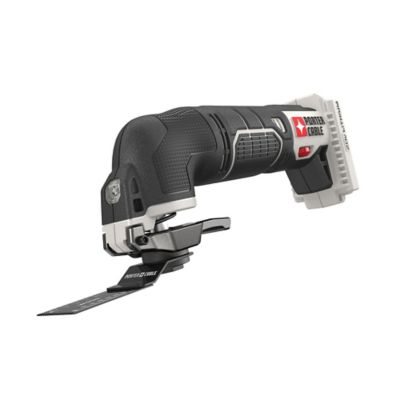
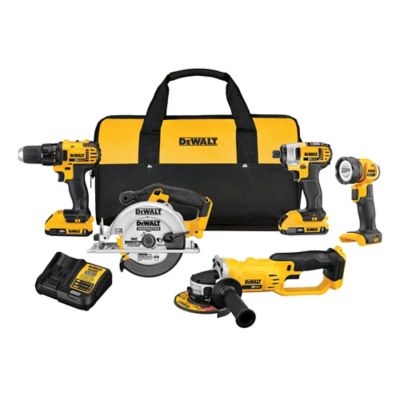
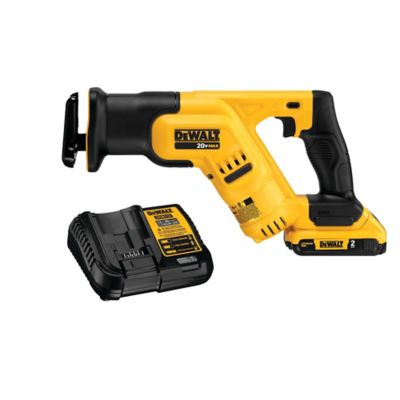
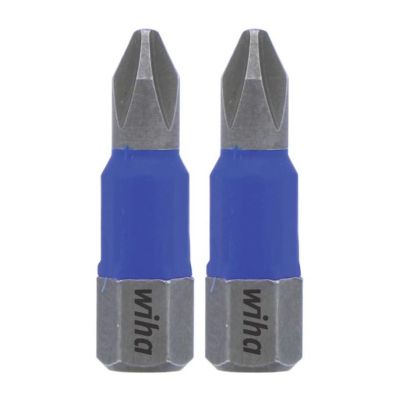
Power tools bring a different set of considerations, especially when a project involves repeated holes, long runs of screws or material that takes more effort to cut. A drill provides rotating force for drilling and fastening, while an impact driver adds rotational impacts that help drive suitable fasteners. Those functions overlap in some work, but they are not interchangeable in every situation. Adjustable speed and clutch settings can help with control, particularly when fastening thinner material or working near an edge. A scrap offcut is a sensible place to check a setting before committing to the finished piece. For cutting tasks, blade type, cutting capacity and the material all matter, along with a stable work surface and the safety measures specified in the manual. Corded equipment needs access to an appropriate electrical supply, while cordless equipment pairs portability with battery charging and runtime considerations. With battery-powered tools, the platform is an important part of the purchase: matching a voltage number alone does not establish compatibility. Check the stated battery family, charger requirements and whether the package includes a battery and charger or the tool only. A larger battery may extend working time under comparable conditions, but it can also add weight that becomes noticeable when reaching across a bench or fastening overhead. Balance, grip circumference and trigger placement can matter as much as a specification on the package. Accessories deserve the same attention as the tool itself. Bits, blades and attachments need the right connection, dimensions, material suitability and operating ratings for the equipment and task. Browsing
Craftsman Accessories can help round out a setup, with compatibility checked against the tool’s model information and instructions. Impact-rated sockets and accessories belong with impact equipment where specified; ordinary hand-tool attachments are not a substitute. Before changing an attachment or making an adjustment, disconnect the power source as directed by the manufacturer. That habit helps keep a straightforward shop job from turning into an avoidable mishap.
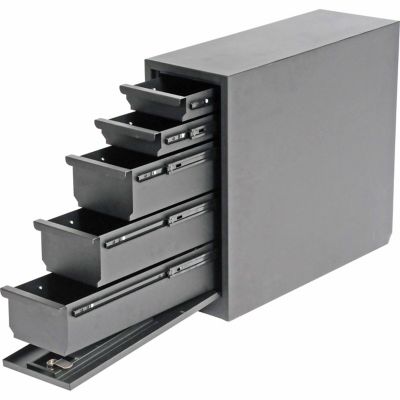
Tool storage ties the whole setup together, whether the workspace is a full shop or one bench along the garage wall. A portable case makes sense for carrying a manageable assortment out to a gate or equipment shed, while a chest or cabinet can keep a larger collection close to the main work area. Storage materials affect weight, upkeep and how the box handles daily work. Steel cabinets offer substantial construction but need attention to damaged finishes and corrosion; molded cases can be easier to carry, though hinges, latches and handle connections still deserve a close look. Drawer load ratings matter more than how many tools appear to fit inside. Heavy pieces belong low in the cabinet, and rolling storage needs suitable casters, a stable floor and wheel locks engaged when parked. Drawer depth should suit the contents, with enough clearance that handles and cases do not catch when closing. Fitted compartments make missing pieces easier to spot, while open drawer space leaves more flexibility for a collection that grows over time. Clear size markings and a consistent layout save hunting when a repair is halfway done and a machine is waiting to get back to work. Care is just as practical: wipe away dirt and residue, follow the maker’s lubrication directions, and check handles, cords, housings and moving parts for damage before the next job. Keep battery contacts clear of loose metal objects, and follow the battery manufacturer’s charging and storage instructions. Cutting edges and driver tips also deserve regular checks, since worn attachments can slip, damage the work or make a tool labor harder than necessary. For gift giving, tools can suit a new homeowner, an apprentice mechanic or someone setting up a first workshop. The thoughtful choice reflects the recipient’s actual projects, existing battery platform, preferred sizing system and available storage space. An assortment that fits those needs earns its place through everyday usefulness, from a quick adjustment before chores to a longer repair at the bench.