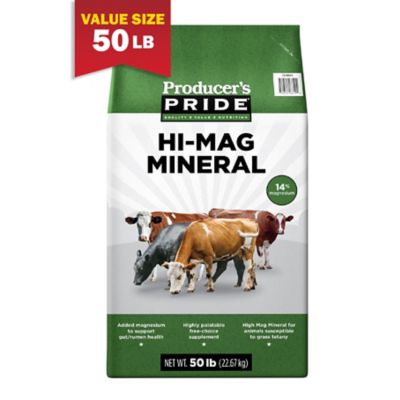
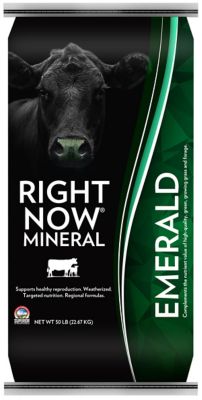
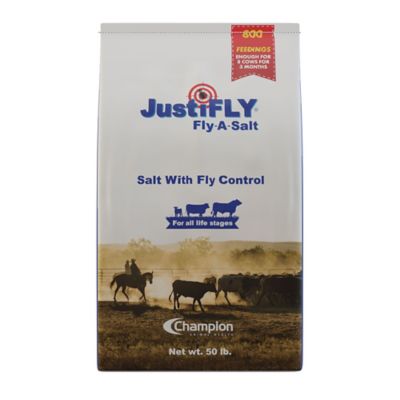
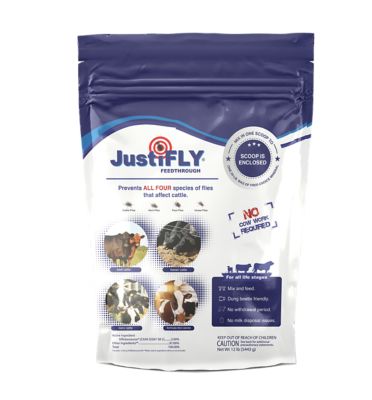
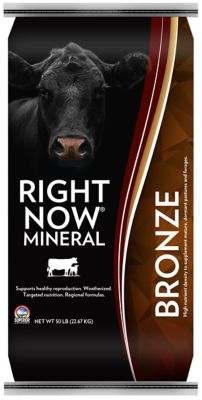
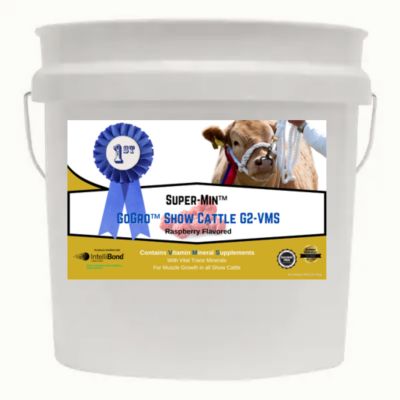
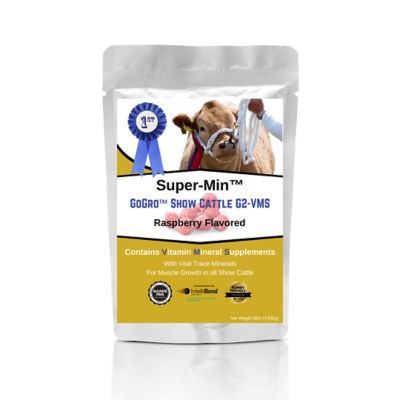
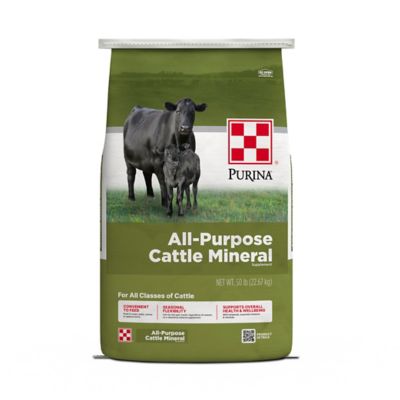
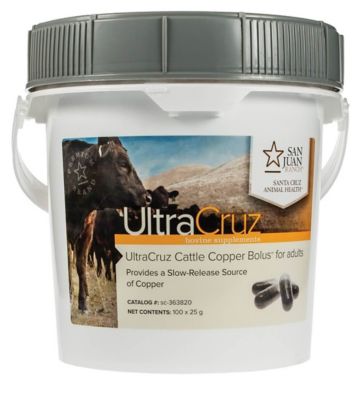
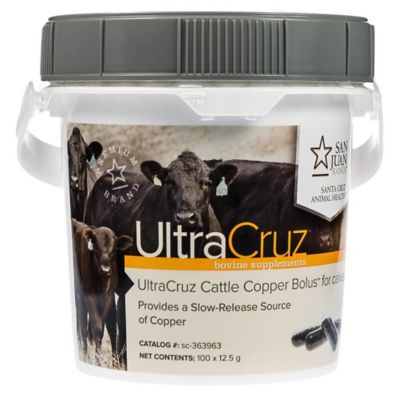
Cow supplements help fill nutritional gaps in a forage-based diet, supplying nutrients that pasture, hay, and the rest of the ration may not provide in the amounts cattle need. These additions can include minerals, vitamins, protein, energy, and ingredients intended to support digestion. The right fit depends on the cattle, their stage of production, and what is already in the feed bunk. A beef cow nursing a calf has different demands than a dry cow maintaining body condition, while a milking dairy cow needs a ration balanced around milk production as well as her own maintenance needs. Growing calves and replacement heifers have their own requirements, too. That makes cattle supplements part of a feeding program rather than a replacement for adequate forage, clean water, or a balanced ration. Mineral supplements commonly supply calcium, phosphorus, magnesium, and salt, along with trace minerals such as copper, zinc, and selenium. These nutrients contribute to normal bone development, muscle function, reproduction, and immune function, but more is not always better. Mineral concentrations and the amount cattle actually consume both matter. Vitamins A, D, and E also support normal body functions, including vision, calcium metabolism, and antioxidant protection. Comparing the supplement label with forage test results and the existing ration gives those ingredient lists meaning. A hay test may point toward a protein gap, while local soil and forage conditions can influence mineral needs. Water can contribute minerals as well, making it another piece of the picture when a herd’s nutrition needs a closer look. For operations with several classes of cattle, a single formula may not suit every pen or pasture group. Cow supplements labeled for a particular animal class and feeding situation make it easier to match the feeding program to the herd. A veterinarian, livestock nutritionist, or extension specialist can help sort out overlapping nutrients and identify a suitable approach when body condition, growth, or production is falling short.
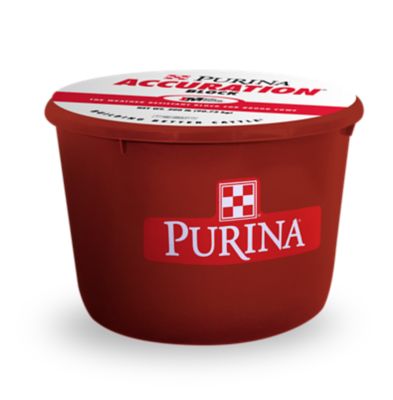
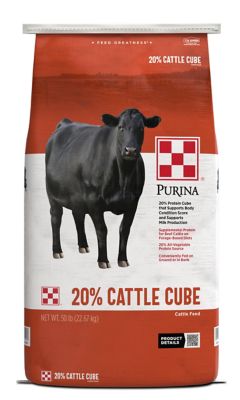
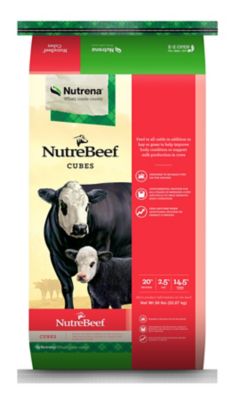
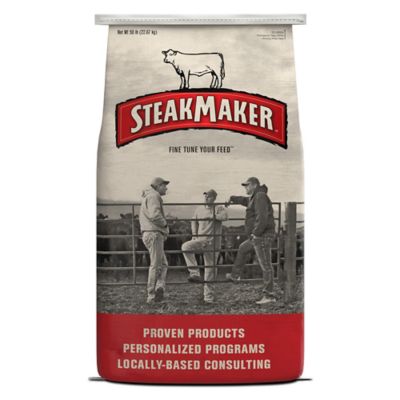
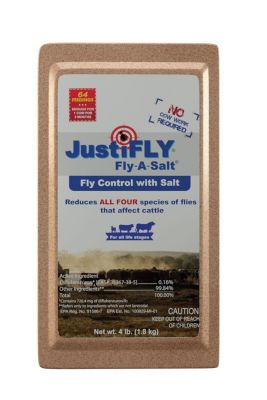
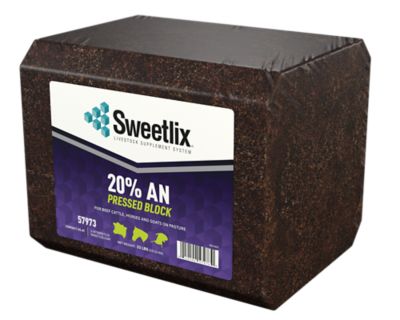
Cattle supplements come in several feeding formats, and the way they fit into daily chores matters almost as much as the nutrient panel. Loose minerals suit covered mineral feeders and allow free-choice consumption when the label calls for it. Blocks and tubs offer other ways to present supplemental nutrients, though hardness, ingredients, feeder placement, and cattle behavior can all affect intake. A block is not automatically interchangeable with a loose mineral blend, and a plain salt block does not supply the same range of nutrients as a complete cattle mineral. Pelleted or meal-style supplements can fit feeding programs where a measured amount is mixed with feed or offered alongside the ration. Liquid supplements require compatible handling and feeding equipment, with attention to the manufacturer’s directions for delivery and consumption. Package size, container design, and feeder access also deserve a look, especially when feed rounds involve lifting bags, crossing gates, and serving more than one group. Protein supplements may be appropriate when forage does not provide enough protein to support the intended feeding program. Adequate protein supports the rumen microbes that break down fibrous feeds, while energy supplements can help meet demands that the base ration cannot cover. Cows nursing calves, growing cattle, and animals needing a carefully managed improvement in body condition may have different needs for both. Protein percentage alone does not tell the whole story: the protein source, energy contribution, feeding rate, and balance with the rest of the ration all count. Some cattle supplements contain nonprotein nitrogen, such as urea, which requires careful ration management and is not suitable for every feeding situation, particularly young calves without a fully functioning rumen. Labels spell out the intended animals and feeding limits. Enough feeder space helps keep timid cattle from being pushed aside, and tracking consumption helps show whether a free-choice supplement is being eaten near its labeled target. For a small herd or a larger operation, a format that fits the feeding setup makes a sound nutrition plan easier to carry out.
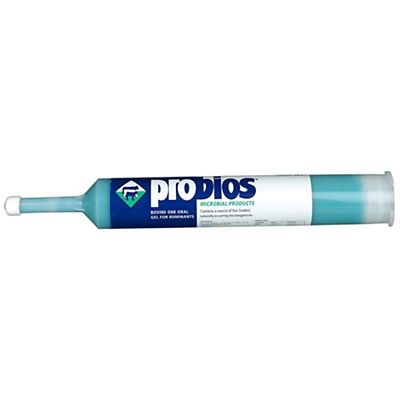
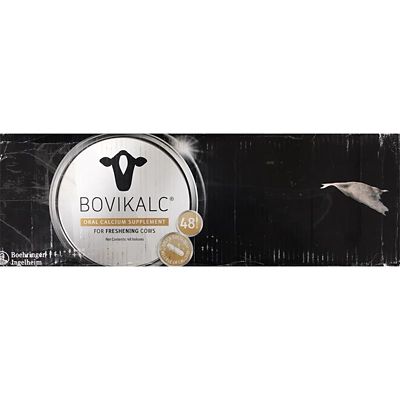
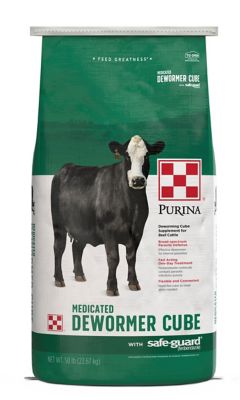
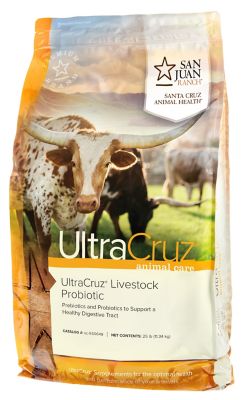
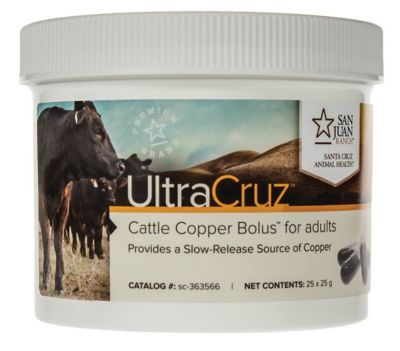
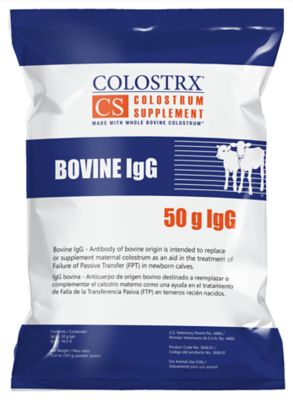
Digestive-support supplements add another category to the cow supplement lineup. Depending on the formulation, they may contain live microorganisms, yeast cultures, or other ingredients intended to support normal rumen function and digestion. Their role depends on the ingredient, the feeding rate, and the cattle’s existing diet; they do not make an unbalanced ration complete. Calf supplements also need a close match to age and feeding stage, since a milk-fed calf and a ruminating heifer do not process feed the same way. Electrolyte supplements serve a different purpose from everyday minerals or protein feeds, providing salts and other ingredients for hydration support in situations described on the label. A calf that stops drinking, a cow that goes off feed, or an animal showing signs of illness needs veterinary attention rather than a guess at the supplement shelf. For routine feeding, clear labels make comparison easier: the guaranteed analysis, ingredient list, feeding directions, and caution statements explain what a supplement contributes and where it belongs. Any medicated feed also carries specific directions and restrictions that need close attention. Storage and handling help protect that investment in the feeding program. Bags belong in a clean, dry space protected from rodents and other animals, with labels kept readable and containers closed between feedings. Feeders need regular checks for contamination, damaged edges, and leftover material that has become wet or spoiled. Keeping cattle supplements separate from feeds intended for other species is especially important where sheep share the farm, because copper levels suitable for cattle can be harmful to sheep. Practical feeding routines extend beyond the feed room, too;
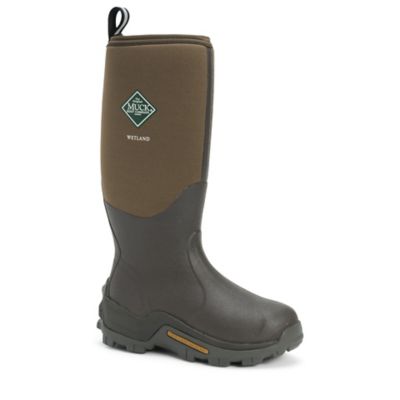
Dairy Farm Boots fit into chores that take a person between the milking area, feed alley, and mineral feeders. With supplements matched to the animals and the ration, everyday feeding stays focused on the goal: meeting nutritional needs without adding nutrients the herd does not need.