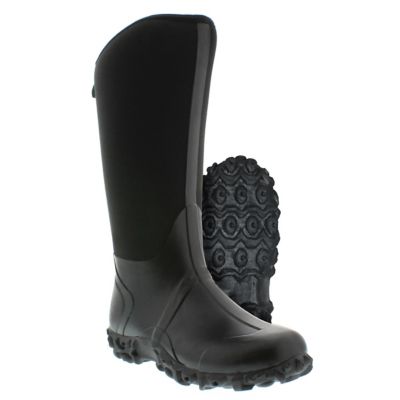
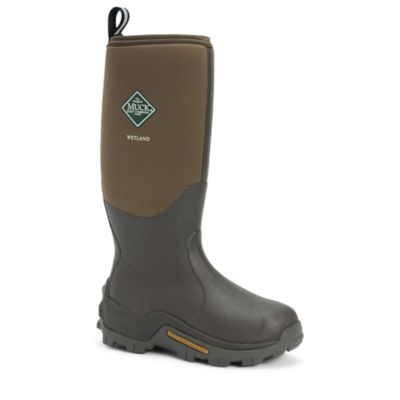
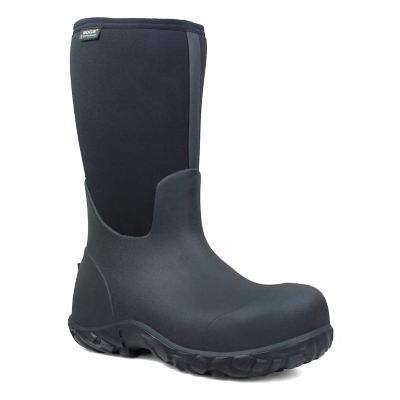
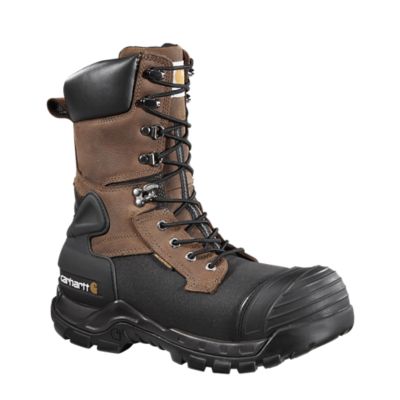
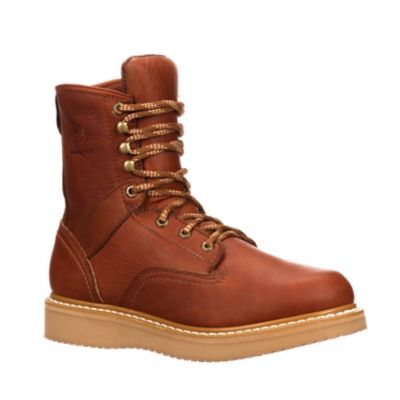
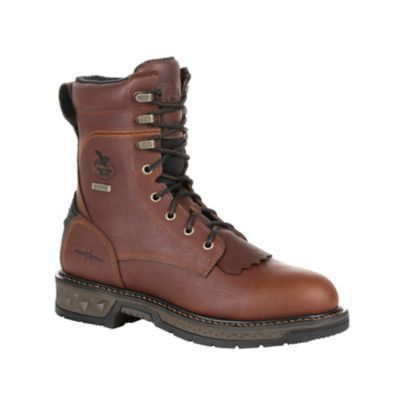
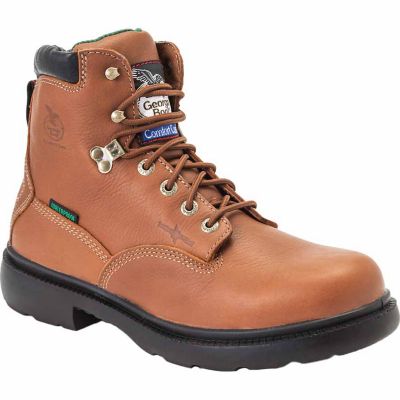
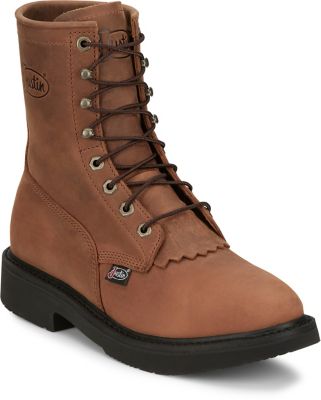
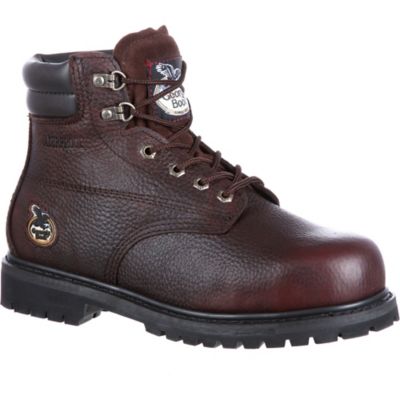
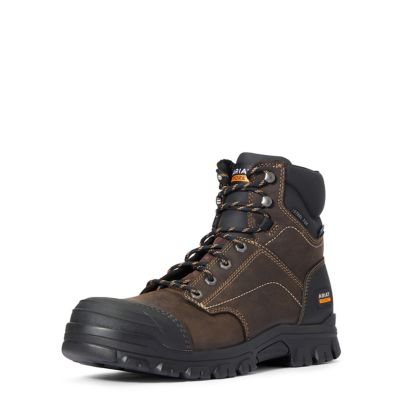
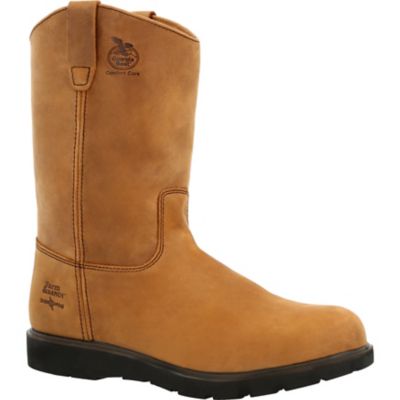
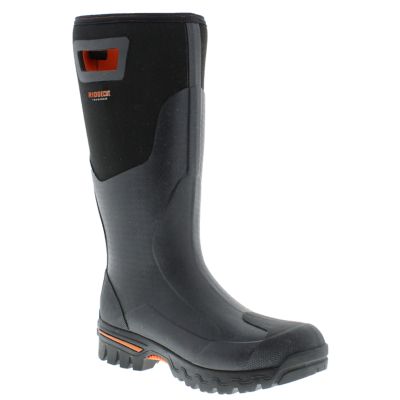
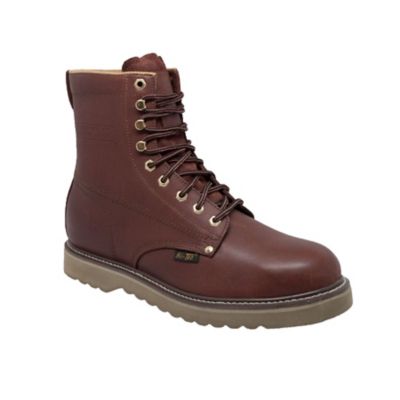
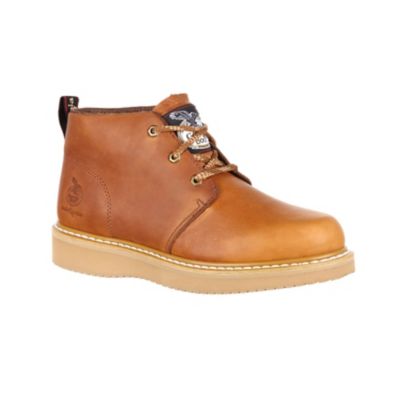
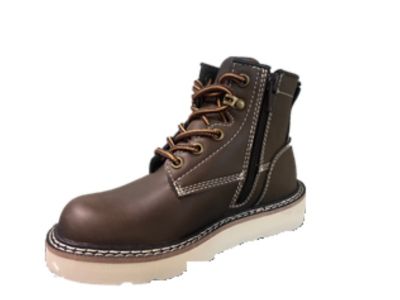
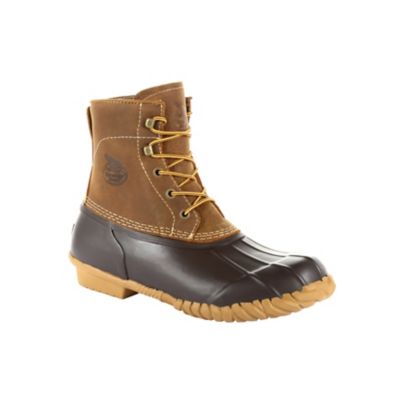
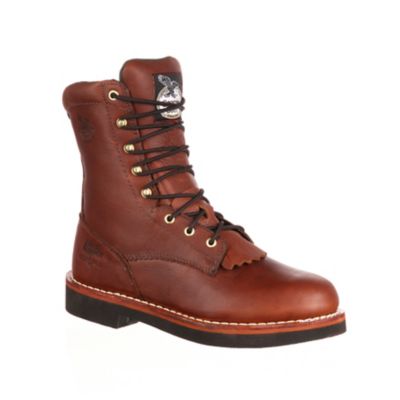
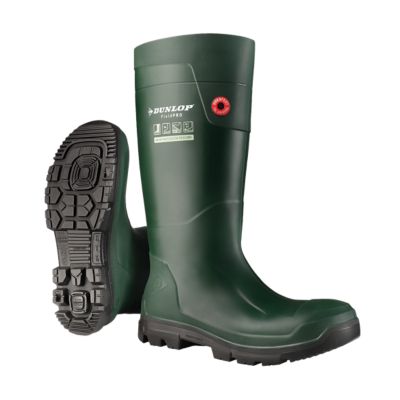
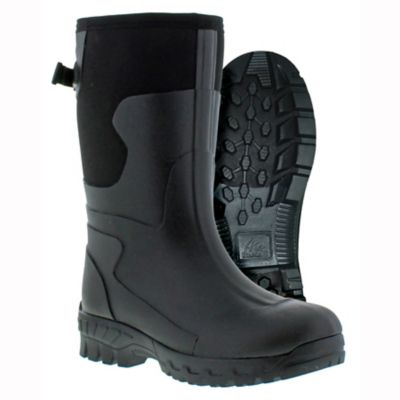
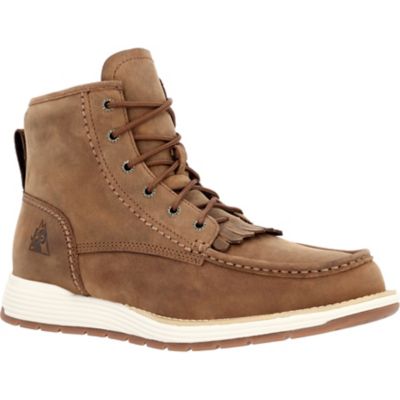
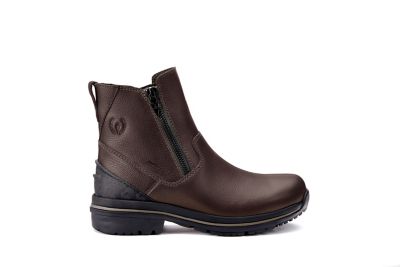
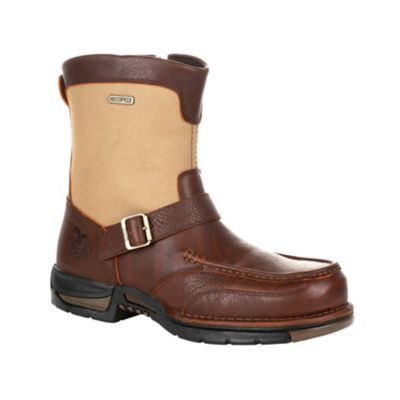
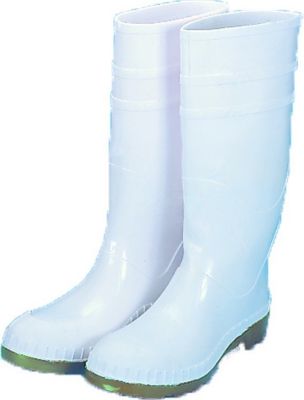
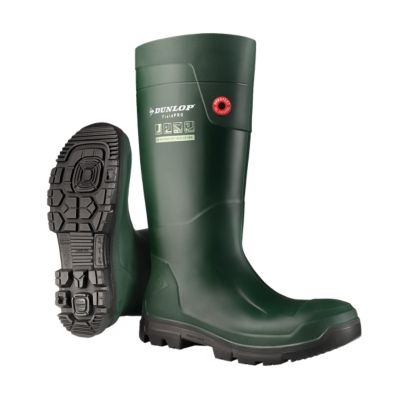
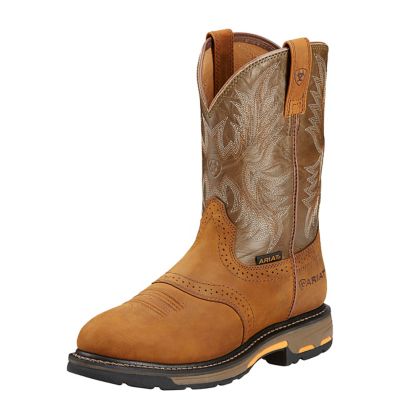
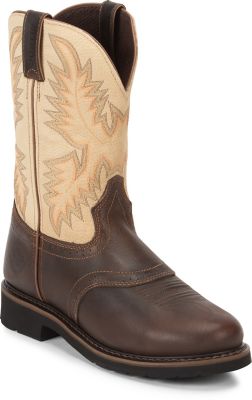
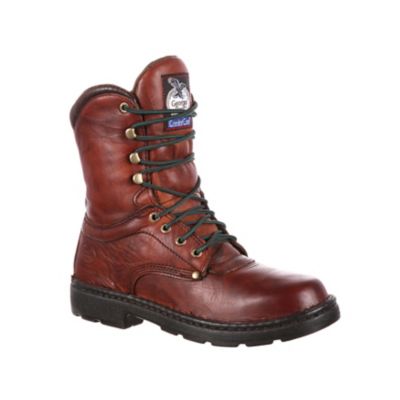
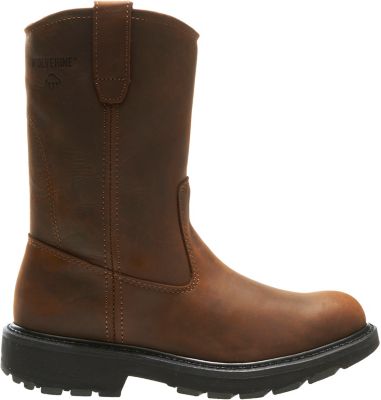
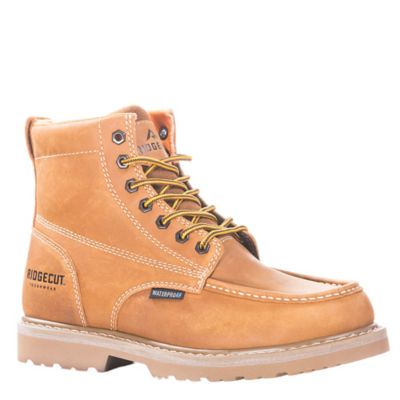
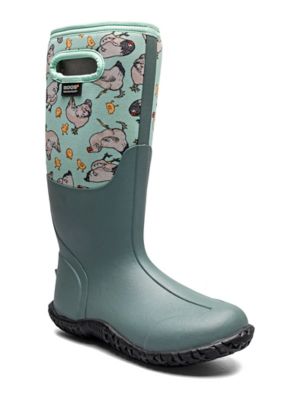
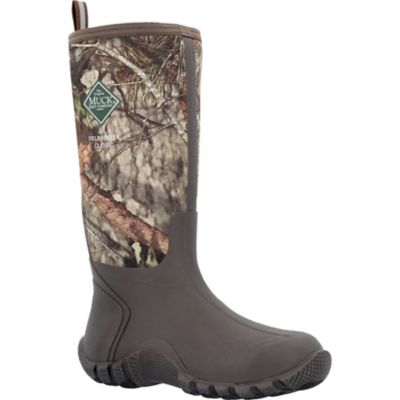
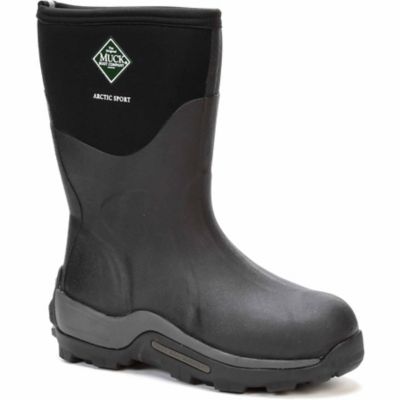
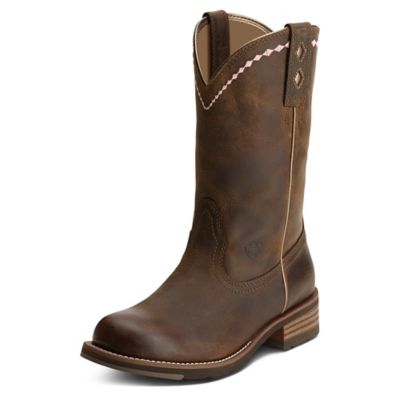
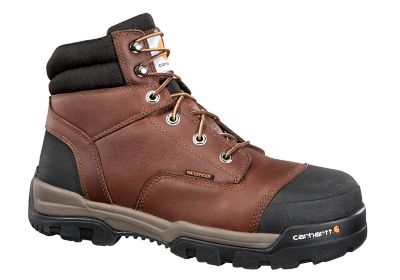
Dairy farm boots are made for the kind of workday that starts before daylight and often carries on after the last chore is finished. In a milking parlor, livestock barn, feed room, or washdown area, your feet may move from wet concrete to deep bedding, muddy lanes, manure, spilled feed, and slick ground without much time to change footwear. The right pair of dairy farm boots helps keep moisture, muck, and farmyard mess away from your feet while giving you a steadier step through demanding chores. Look for fully waterproof construction made from rubber, PVC, neoprene, or another farm-ready material that will not soak through like ordinary leather or fabric shoes. A tall, knee-high shaft offers added protection when you are walking through wet grass, slush, standing water, or manure, while a mid-calf height may feel lighter and easier to wear for indoor chores and routine barn work. Pay close attention to the sole, too. Deep, well-spaced lugs can help grip wet parlor floors and muddy paths while shedding debris instead of packing up with every step. A tread designed for farm surfaces is especially important around hoses, milk, manure, and smooth concrete, where a casual slip can turn into a painful injury or a lost workday. For more options built around muddy, wet conditions, browse
Farm Muck Boots alongside dairy-focused footwear.
Comfort matters just as much as waterproof protection when boots are worn for hours at a time. Dairy workers, farm owners, ranch hands, livestock caretakers, and anyone helping with chores may spend long stretches standing on hard concrete, walking between pens, or carrying buckets and feed. A supportive footbed, cushioned insole, and stable heel can make a noticeable difference by the end of a long shift. Some farm boots include a rigid shank or reinforced area beneath the foot to help spread pressure across the sole, reducing the tired, aching feeling that can build up after hours on unforgiving floors. Consider the fit with the socks you normally wear, especially during the cooler months when thicker wool or thermal socks may be part of your daily routine. Boots should leave enough room for your toes to move without allowing your heel to slide, and a gusset, stretch panel, or adjustable top can help keep out water, bedding, and loose dirt. Insulated neoprene or lined construction can bring welcome warmth for early-morning chores and cold weather, while unlined rubber or PVC may feel more comfortable as the weather warms or during indoor washdown work. If you work around heavy equipment, gates, or large animals, a safety toe may provide an extra layer of protection from accidental impacts. Steel, composite, and other protective toe options can offer different balances of weight, flexibility, and cold-weather comfort, so think about the hazards around your own barn before choosing. A pair of dependable dairy farm boots can also make a practical gift for a family member, hired hand, 4-H participant, or friend who spends weekends helping with livestock. They are useful for more than milking chores, including gardening, feeding animals, cleaning stalls, walking fence lines, and handling wet jobs around the homestead.
Farm boots take a beating, and a little care can help you get more useful miles from them. After a muddy chore or heavy washdown, rinse away manure, grit, feed, and fertilizer before they dry onto the surface or settle into the tread. A stiff brush can loosen packed-in debris, while clean water helps remove residue that may cause odors or wear over time. Let boots dry in a well-ventilated place away from direct heat, woodstoves, and other intense heat sources, which can damage rubber, adhesives, liners, and molded seams. Pulling out removable insoles can help air out the inside, and keeping a second pair in rotation gives each pair more time to dry between workdays. Even boots built for farm use are not indestructible. Check the upper, sole, seams, and heel regularly for cracking, separation, thinning, or a tread that has become smooth. Abrasive concrete and repeated exposure to manure, milk, cleaning solutions, and fertilizers can shorten the life of any material, so replace worn footwear before leaks or poor traction become a daily problem. A boot that is easy to pull on and off can be handy for quick trips to the barn, while a more structured design may be preferable for long walks, heavy chores, and uneven ground. Think about shaft height, insulation, tread, support, safety features, and the conditions you face most often rather than choosing by appearance alone. The best dairy farm boots are the ones that keep your feet dry, help you stay sure-footed, and remain comfortable from the first bucket of feed to the final rinse of the day.