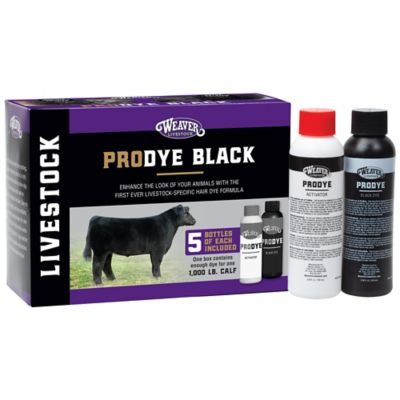
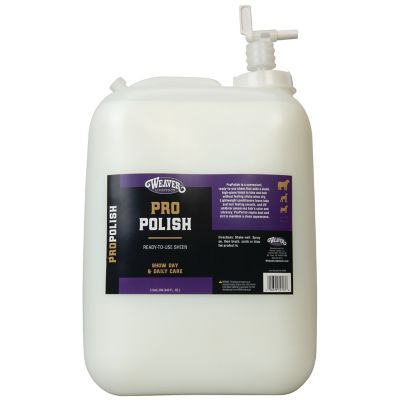
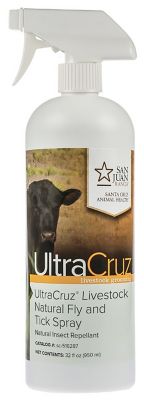
Show cattle supplies include grooming and fitting tools, halters and leads, stall equipment, and feeding essentials for preparing and presenting cattle at livestock shows. These supplies support the everyday barn work behind a clean coat, a comfortable animal, and a steady trip through the show ring. They serve young exhibitors getting a first steer ready for the county fair, families raising breeding heifers, and experienced cattle crews traveling to larger events. Grooming supplies range from brushes and combs to cattle shampoos, conditioners, clippers, and livestock blowers, with different designs suited to routine cleaning, hair care, or final presentation. A brush that lifts bedding from a thick coat has a different job than a finishing comb that helps arrange leg hair. Bristle stiffness, tooth spacing, handle shape, and overall weight affect how a tool feels in the hand and against the animal. Smooth edges and comfortable grips matter when grooming sessions stretch beyond a quick pass down the back. Clippers bring their own considerations, including blade compatibility, housing weight, cord length, and access for cleaning and maintenance. Livestock blowers also vary in hose flexibility, nozzle design, sound level, and ease of moving between the barn and show grounds. Equipment needs to suit both the animal’s coat and the handler’s experience, rather than simply being the largest or most powerful option. Coat-care formulas call for attention to cattle labeling, skin sensitivity, dilution directions, and event rules concerning fitting materials. Products intended to hold hair in place also need a compatible removal routine so residue does not linger against the skin. Equipment that comes apart easily for cleaning, along with clearly labeled grooming containers, makes regular care less of a chore. Between events, clean blades, cleared air filters, and protected cords help keep the fitting setup ready for another round of barn work.
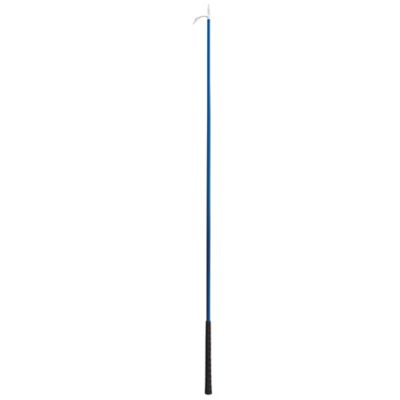
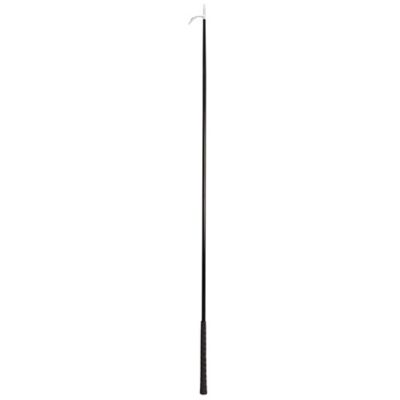
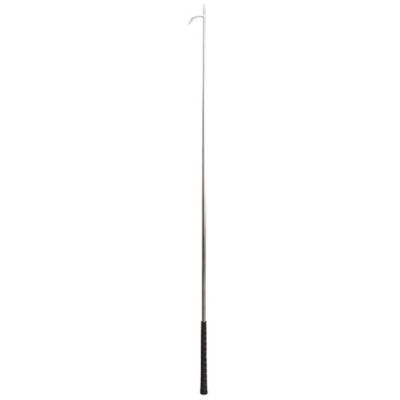
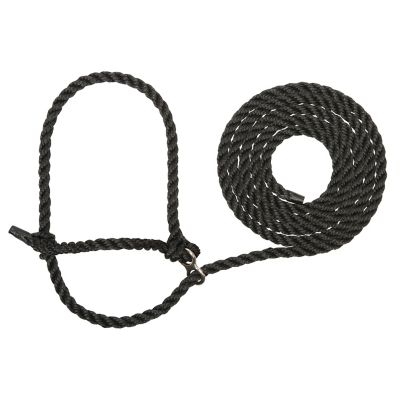
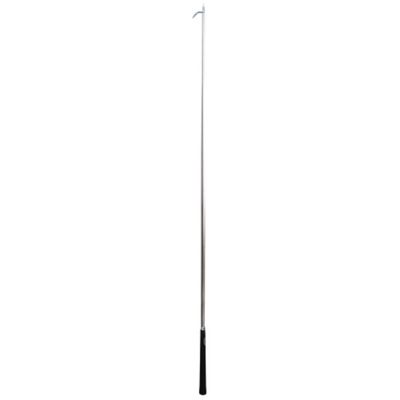
Handling supplies have to work for both ends of the lead. A growing calf, a mature heifer, and a finished steer may need different halter sizes, strap widths, and adjustments, even when they belong to the same breed. Fit depends on the animal’s head shape as well as its size, with hardware positioned away from the eyes and straps resting without pinching or rubbing. Nylon, rope, and leather each offer a different feel and different care needs. Nylon straps generally clean up easily after a dusty walk through the fairgrounds, while leather calls for cleaning and conditioning suited to the material. Rope construction, stitching, buckles, snaps, and attachment points all deserve a close look because those details take the strain during daily handling. Training halters and ring presentation halters also serve different purposes, so appearance alone does not tell the whole story. Lead length and grip need to match the handler’s reach and the setting, especially for younger exhibitors learning to manage a calf in a crowded barn aisle. Show sticks add another fit consideration: length, balance, and grip affect the handler’s ability to give light positioning cues without awkward reaching. Around the stall, feed pans, water buckets, hay feeders, bedding, and suitable floor mats support the animal’s routine between trips to the ring. Rounded edges, stable placement, and surfaces that clean readily matter where cattle eat, drink, and rest. Stall dimensions, approved bedding, and tie arrangements can differ by event, making compatibility with the facility just as important as packing space in the trailer. Storage boxes, equipment carts, and grooming totes help keep loose supplies out of walkways and give families a place for everything from paperwork to spare leads. For an exhibitor receiving supplies as a gift, familiar sizes and preferred grooming styles can make the difference between gear that fits the routine and gear that stays in the tack box.
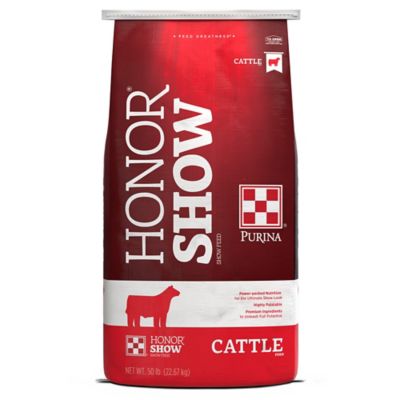
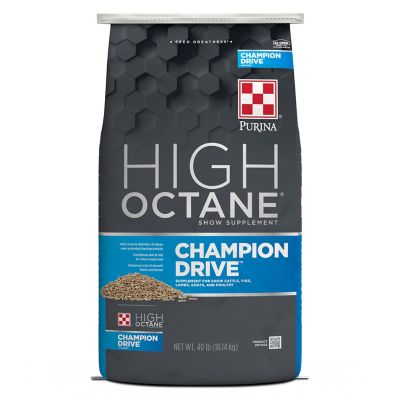
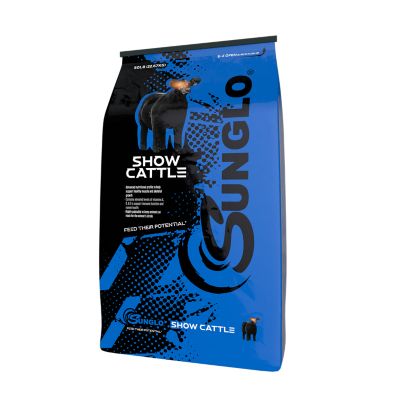
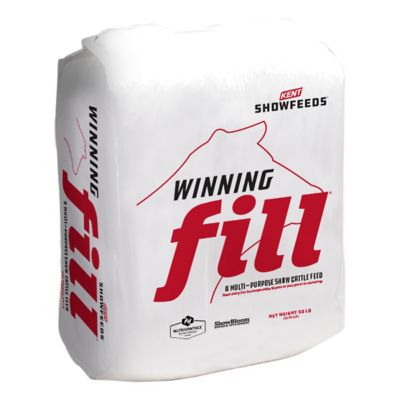
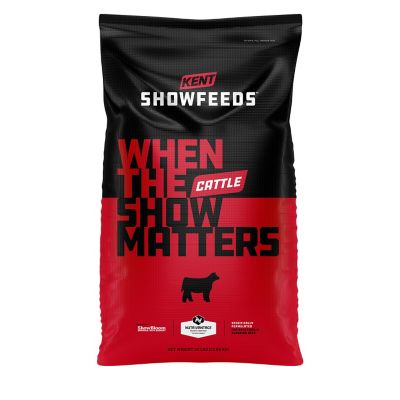
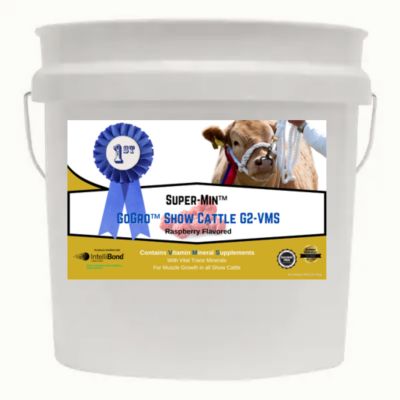
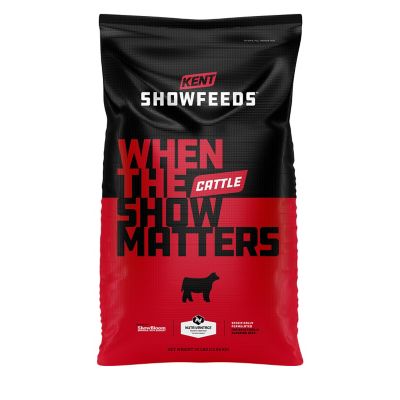
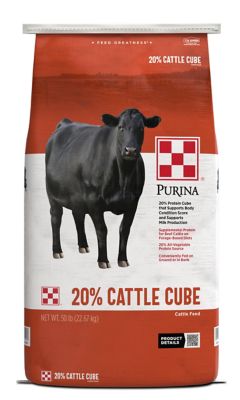
Nutrition and everyday care belong in the same conversation as fitting and showmanship. A well-organized grooming setup cannot replace a balanced ration, steady access to clean water, comfortable resting space, or attention to an animal that seems off its feed. Feeding supplies help exhibitors keep portions consistent, limit spills, and separate each animal’s ration when cattle have different needs. Smooth-sided feed containers, easy-to-read measuring tools, and lids that close securely make chores more manageable at home and at the show barn. Containers intended for feed also need to stay separate from grooming chemicals and cleaning products. Alongside the regular ration,
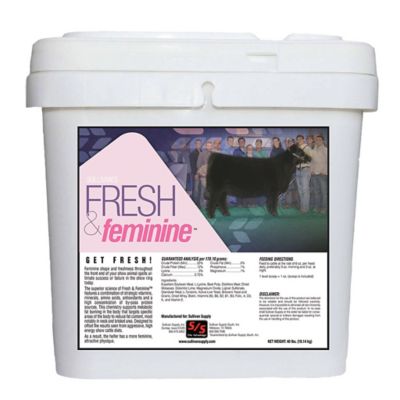
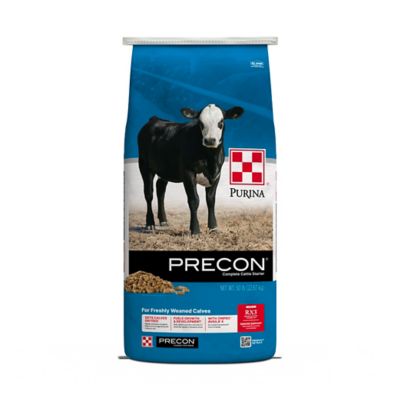
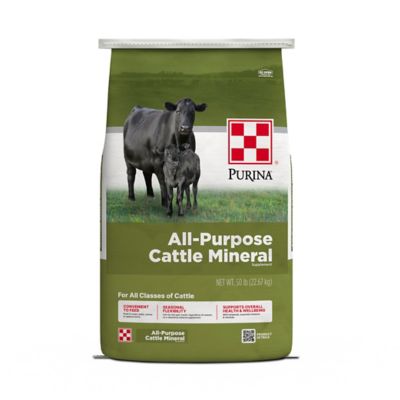
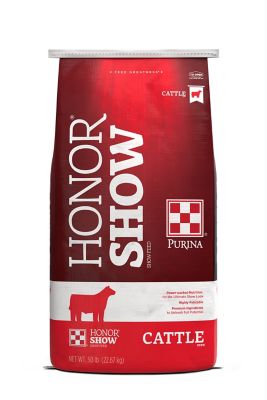
Cattle Feed Supplements may have a place in a feeding plan built around forage, growth stage, body condition, and nutritional gaps. A cattle nutritionist or veterinarian can help assess those needs and account for nutrients already present in the feed, rather than stacking several formulas with overlapping ingredients. Labels, feeding directions, and any applicable show-program requirements matter, particularly when an animal’s ration includes medicated feed or other regulated ingredients. Sudden feed changes can upset digestion, so consistency carries real weight when cattle leave their home routine for an event. Familiar feeding equipment and a planned water setup help exhibitors maintain that routine without turning every chore into a search through the trailer. Records of feed intake, body condition, grooming care, and equipment maintenance can also make it easier to notice changes before show day. For families sharing chores, clearly marked containers and an orderly stall setup help everyone follow the same plan. The most practical show cattle supplies are the ones that fit the animal, feel manageable to the handler, clean up without a fuss, and hold up through repeated barn work. That combination supports the patient, daily attention behind a well-presented steer or heifer, from the first halter lessons to the final walk into the ring.