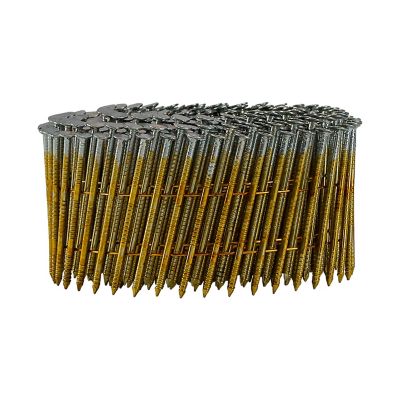
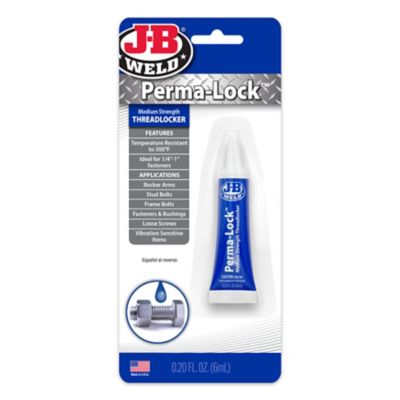
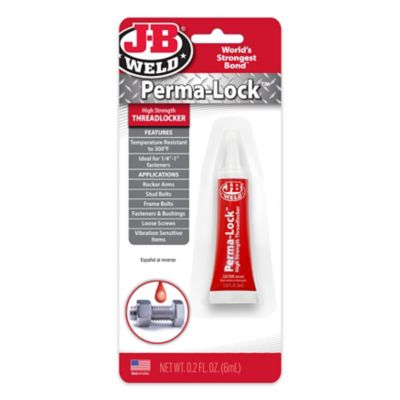
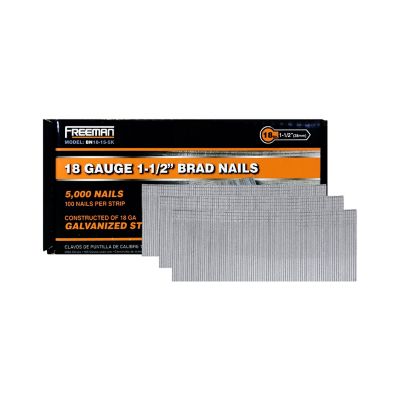
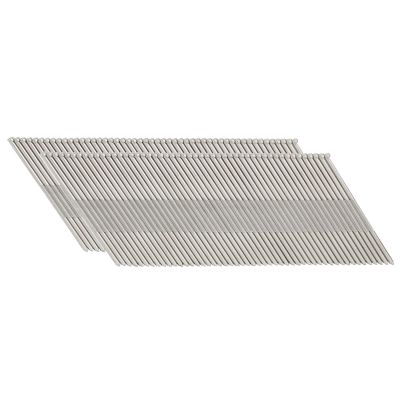
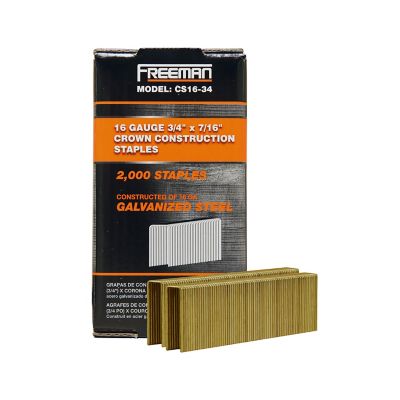
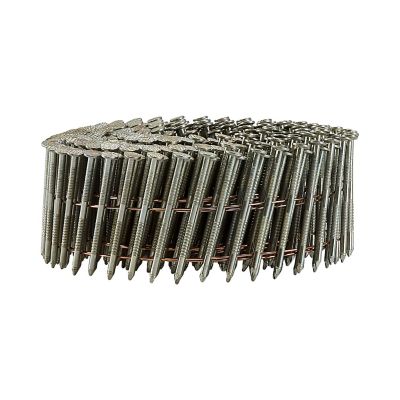
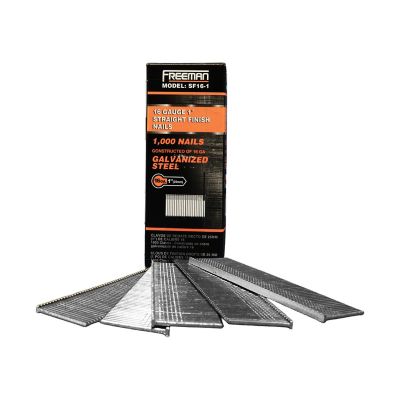
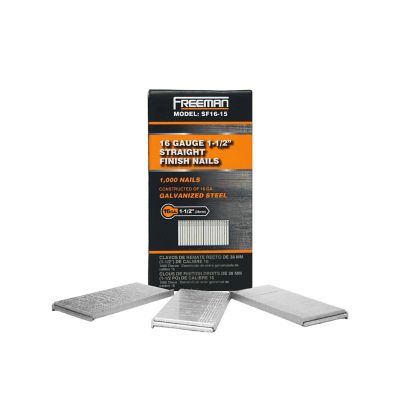
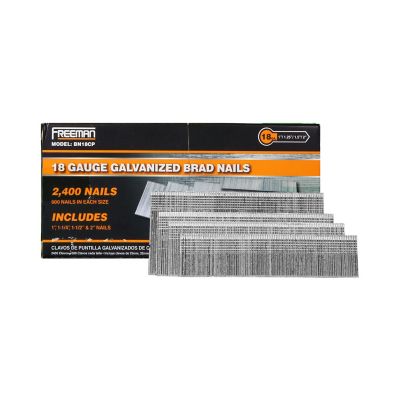
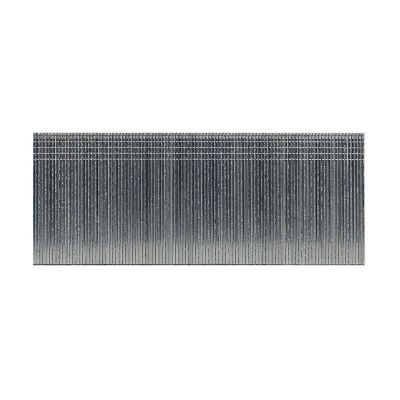
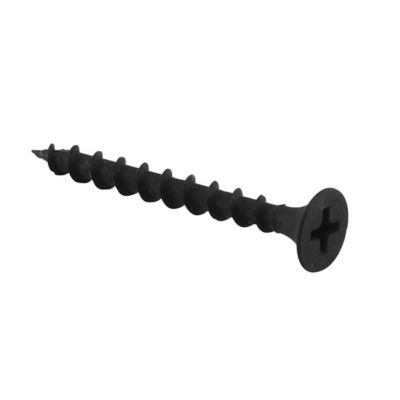
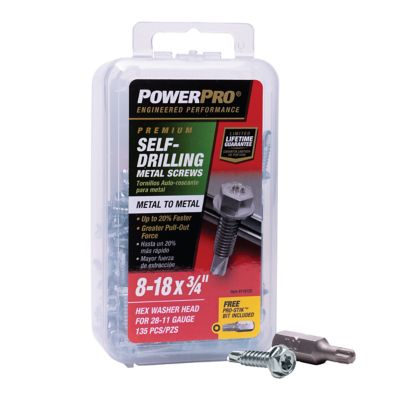
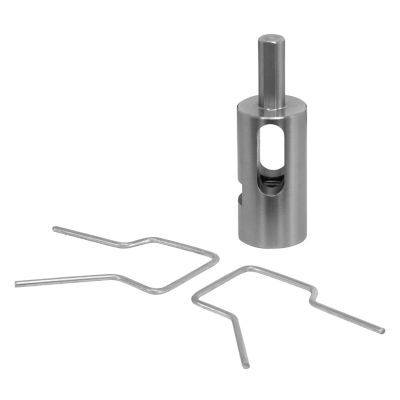
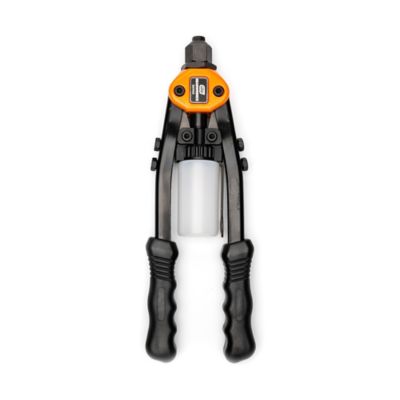
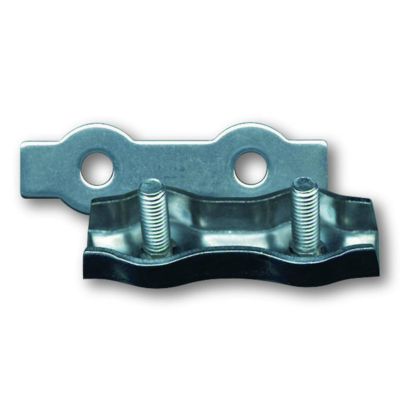
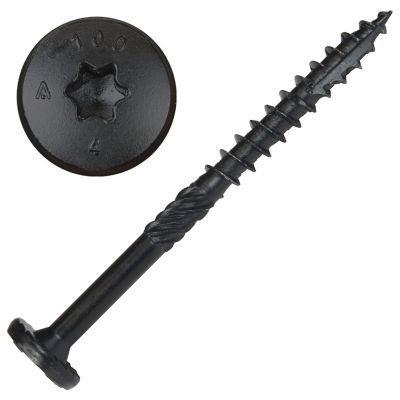
Mechanical fasteners are the everyday hardware that holds projects, repairs and equipment together. They join two or more pieces by using mechanical force, friction or tension rather than glue or curing time. Common types include screws, bolts, nuts, washers, nails, rivets, pins and threaded inserts. Each one has a job to do. Bolts and nuts clamp materials together and can usually be removed for service or adjustment. Screws are useful when fastening into wood, metal, plastic or other materials, with different thread patterns suited to different surfaces. Nails offer quick, dependable holding power in many wood projects, while rivets make a lasting connection when access to the back of the joint is limited or a permanent assembly is preferred. Washers may look like simple flat rings, but they help spread the load beneath a fastener head or nut, protect softer materials and reduce the chance of pull-through. Locking washers, nuts and other retention hardware can help a joint stand up to vibration and movement. Mechanical fasteners are found everywhere around a farm, homestead, workshop and home, from gates and animal housing to trailers, shelves, tool storage, furniture, outdoor structures and equipment repairs. They are especially handy when a repair needs to be strong but still serviceable. A loose hinge, cracked bracket or worn panel can often be removed, aligned and secured without waiting for adhesive to dry. For fencing work, choosing hardware made for the material and conditions can make a noticeable difference, and our selection of
Fence Fasteners can help with jobs around pasture lines, garden borders, gates and other outdoor enclosures.
Choosing the right mechanical fastener starts with the materials being joined and the kind of stress the connection will carry. Wood, sheet metal, structural steel, masonry, plastic and composite materials each respond differently to threads, impact and clamping pressure. Consider whether the joint will face pulling, sliding, twisting, weight, repeated movement or vibration. A fastener that works well for a light indoor repair may not be the right choice for a gate, livestock area or equipment attachment exposed to weather and daily use. Length matters, too. The fastener should engage enough material to hold securely without poking through, striking hidden wiring or splitting the workpiece. Diameter and head style affect strength, fit and the finished appearance, while the drive style determines which tool is needed for installation and removal. Match nuts and bolts by diameter, thread size and thread type; even hardware that appears close in size may not fit properly or hold safely if the threads do not match. Washers are worth considering when the material is soft, the hole is oversized or the joint needs a wider bearing surface. For outdoor projects, look for finishes and materials suited to moisture, dirt and changing temperatures, and keep in mind that dissimilar metals can corrode when exposed to the elements. In areas with heavy vibration, use suitable locking hardware or check the connection as part of regular maintenance. A good habit is to lay out the parts before starting, compare the new hardware with the old piece and test the fit by hand before applying force. That small bit of care can prevent stripped threads, crooked assemblies and a trip back to the store with a half-finished repair sitting in the driveway.
Mechanical fasteners are useful for experienced tradespeople, weekend builders, farmers, ranchers, maintenance crews and anyone who prefers to keep a practical assortment of repair hardware close at hand. A well-organized fastener box can save a surprising amount of time during a weather-related fix, a pasture repair or a late-season project when daylight gets shorter and the workshop becomes the center of activity. They are also a thoughtful gift for a new homeowner, woodworker, automotive hobbyist, maker or do-it-yourselfer, especially when paired with a sturdy organizer or basic hand tools. For a dependable result, use the fastener type recommended for the material, drill or prepare the opening when needed, keep the pieces aligned and tighten only as much as the joint calls for. Over-tightening can crush wood, deform thin metal, damage threads or weaken a connection, while too little tension may allow movement and loosening. Permanent options such as rivets are useful when disassembly is not part of the plan; removable options such as screws and bolts are better for equipment that may need inspection, seasonal storage or replacement parts. Nails can make quick work of many wood assemblies, while specialty pins and retaining hardware help keep moving components in place. Keep spare fasteners dry and sorted by size, style and material so the right piece is easy to find when a hinge starts sagging or a panel needs to be secured before the next round of wind. Whether the project is a small household fix, a working-farm repair or a larger shop build, the right mechanical fastener brings solid holding power, practical serviceability and confidence to the finished job.