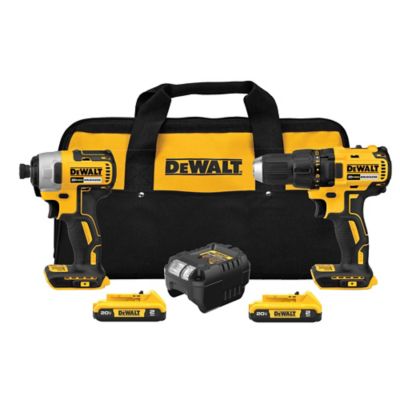
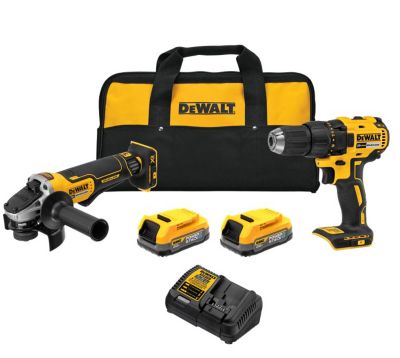
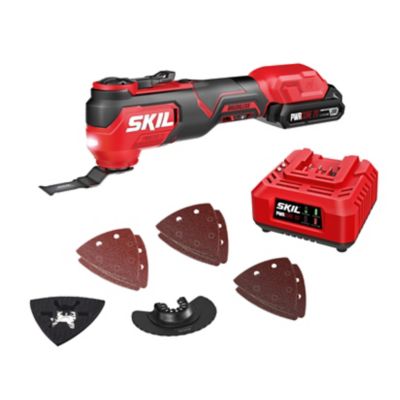
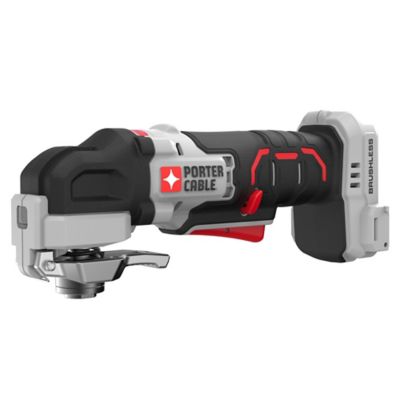
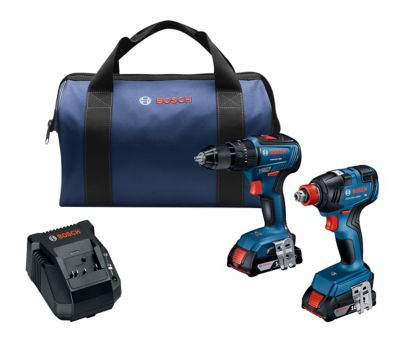
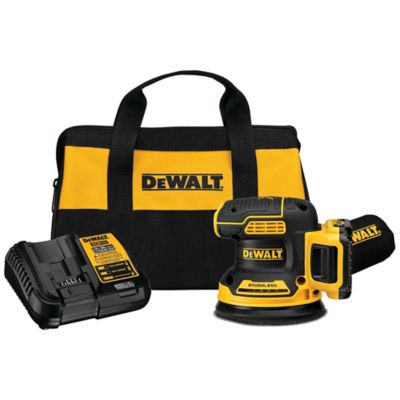
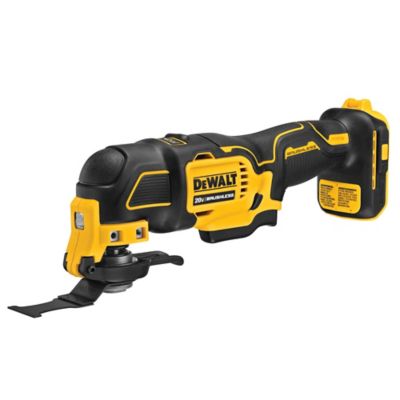
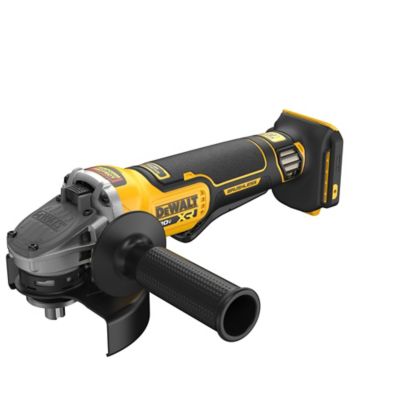
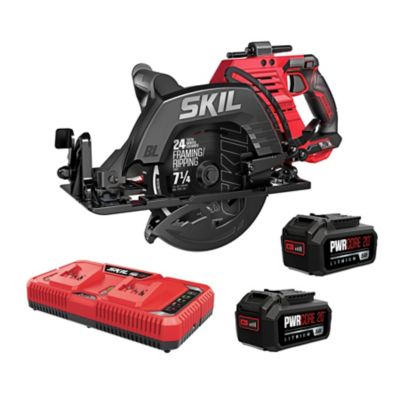
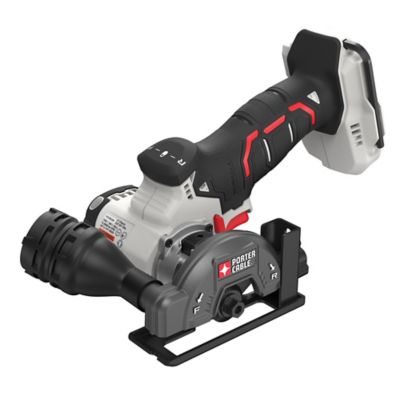
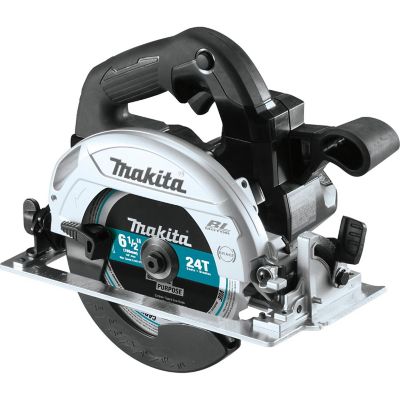
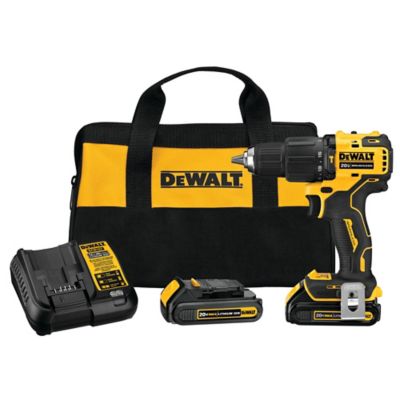
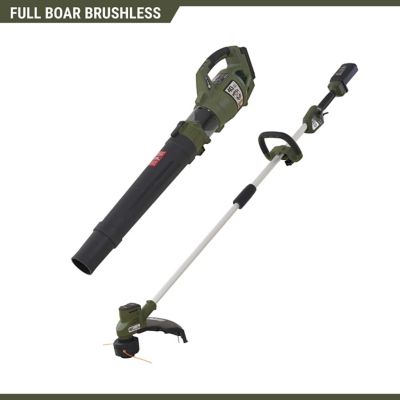
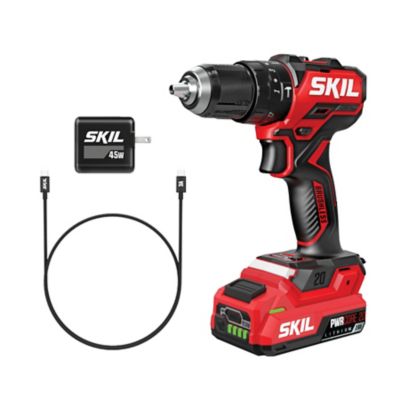
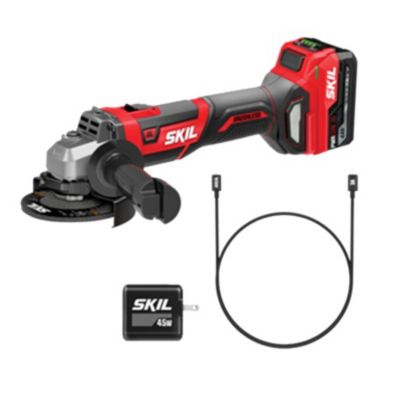
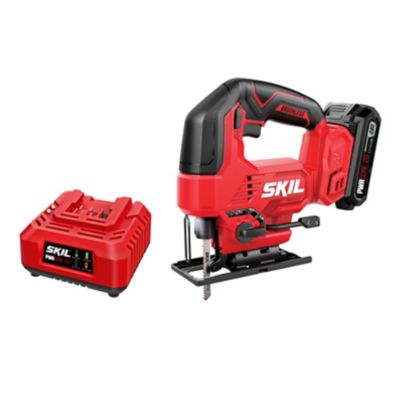
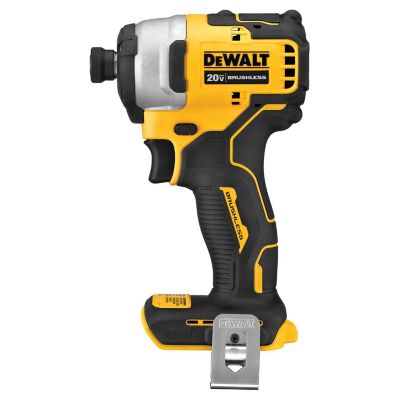
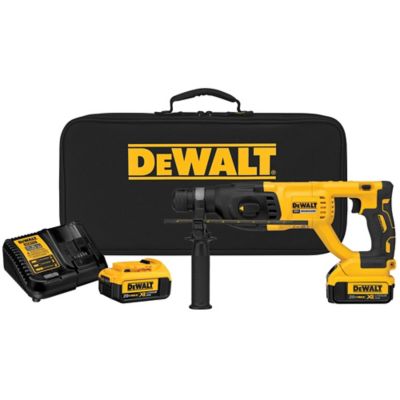
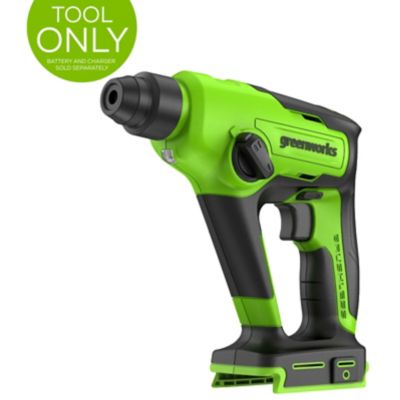
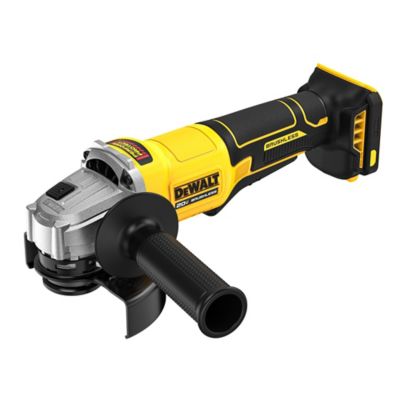
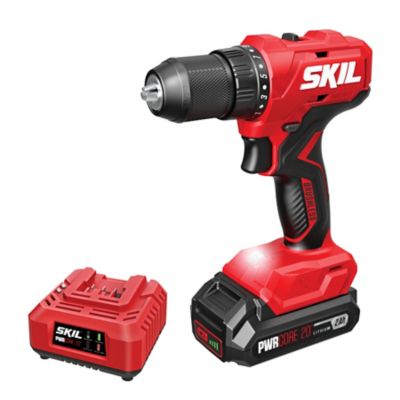
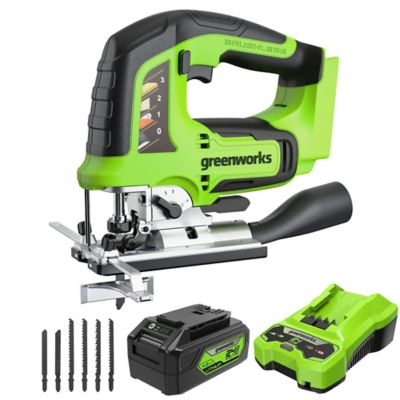
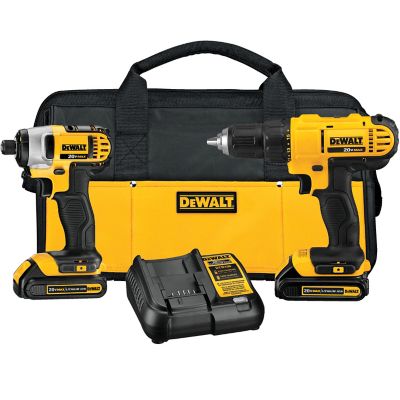
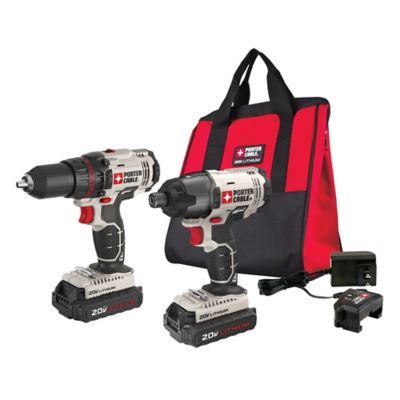
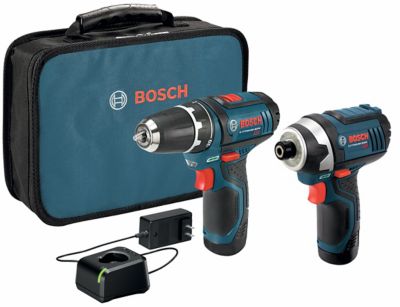
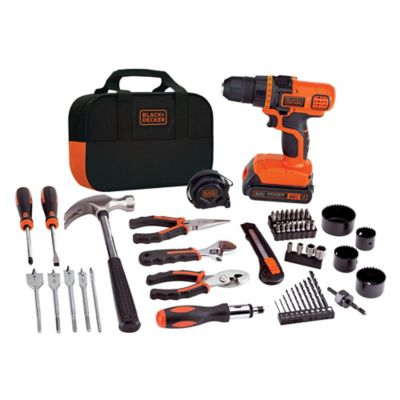
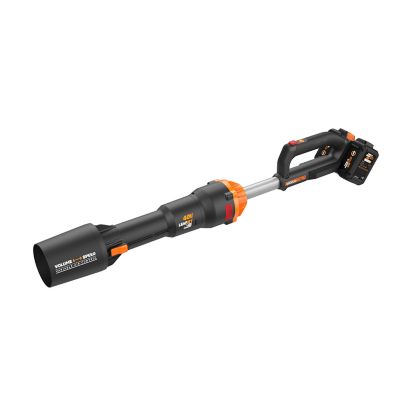
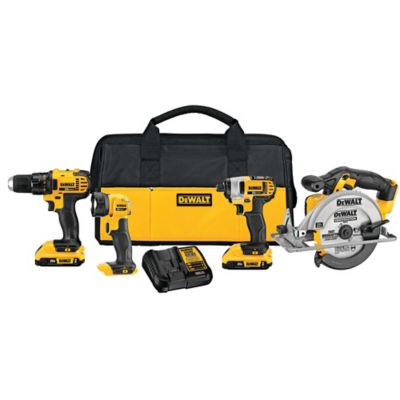
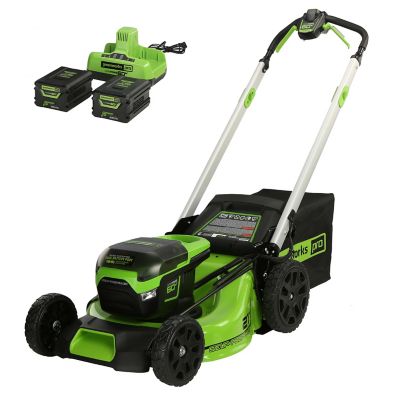
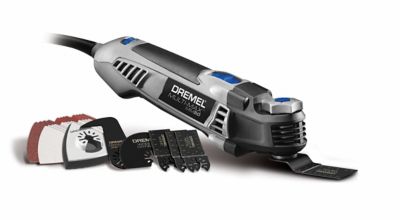
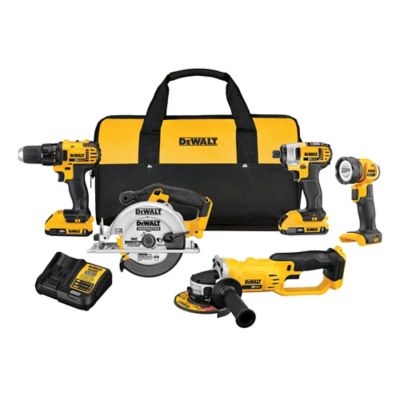
Brushless tools are power tools that use electronic controls rather than carbon brushes and a mechanical commutator to switch current inside the motor. The controls send current through stationary wire windings, creating a magnetic field that turns a rotor, typically fitted with permanent magnets. Removing the rubbing contact between brushes and a commutator can improve motor efficiency, reduce wear at that contact point, and eliminate the need for replacement motor brushes. In comparable battery-powered tools, that efficiency can help stretch runtime, though the battery, workload, tool design, and accessory all affect how much work gets done between charges. For folks repairing fence gates, building shelves in the shop, or fastening framing around an outbuilding, those differences can matter over a full afternoon of work. Brushless drills and drivers handle holes and fasteners, while brushless saws, grinders, and sanders bring the same motor technology to cutting, shaping, and surface preparation. Some tools emphasize a compact body that slips between framing members; others put more weight and size behind demanding jobs. Brushless describes the motor, not the power source, so it does not automatically mean cordless. It also does not mean every brushless tool will outperform every brushed model. A small drill built for cabinet hardware has a different job than a larger tool built for repeated boring through framing lumber. The most useful match comes from the work itself: the material, the size of the fastener or cut, the room around the workpiece, and how often the tool will run. Driving hinge screws into a gate post calls for different control than removing stubborn equipment fasteners. A brushless motor is one part of that match, alongside gearing, speed settings, accessory capacity, and the way the tool feels in hand. Across these categories, the appeal is straightforward: less motor-brush upkeep and the potential for more work from the energy supplied.
Battery compatibility deserves a close look when comparing brushless equipment, especially for a shop that already has chargers and packs on the bench. For shoppers browsing
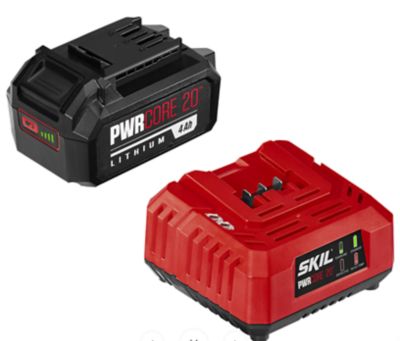
Cordless Tools, the battery platform can be just as important as the motor type. Packs with similar-looking shapes or the same listed voltage are not automatically interchangeable; the tool, battery, and charger need to be approved to work together. A tool-only configuration generally leaves the battery and charger separate, while a kit may include them, so the listed contents matter. Battery capacity, commonly shown in amp-hours, helps describe how much electrical charge a pack can hold, but runtime also depends on voltage, pack design, the task, and the tool’s demands. A larger pack may support longer stretches of work while adding weight beneath the handle. That tradeoff feels different when making cuts at a bench than when driving screws above shoulder height. Grip shape, balance, trigger reach, and room for a gloved hand all affect comfort during repeated work. Compact housings can help inside cabinets or beside posts, while an auxiliary handle can provide needed control on tools designed for heavier drilling. Reinforced polymer housings, metal gear cases, rubberized grip areas, and protective guards serve different purposes, and their presence varies by tool. A metal housing alone does not tell the whole story about service life. Bearings, seals, gearing, cooling airflow, and proper handling matter, too. Performance ratings are most helpful when tied to a task: torque for turning fasteners, speed for drilling or sanding, and cutting capacity for getting through the intended material. Variable-speed triggers and selectable settings can make it easier to start a screw without sending it sideways or begin a hole without the bit wandering. A clutch on a drill helps limit driving force, while an impact mechanism serves a different purpose. Those features are worth considering alongside the brushless label rather than treating the motor as the only deciding factor.
Brushless tools fit everyday property upkeep as well as building projects, from replacing stall hardware to trimming plywood for storage shelves. Woodworkers, mechanics, maintenance crews, farm owners, and homeowners may all reach for them, but the work determines which features earn their place in the toolbox. A person fastening sheet goods all day may value low weight and a comfortable grip, while someone loosening equipment bolts needs a tool and drive accessories suited to that fastening load. Bits, blades, sanding materials, and sockets should match both the tool and the material; a struggling cut is not always a sign that the motor needs more power. A dull blade, worn bit, or wrong accessory can slow progress and put extra strain on the equipment. Brushless construction reduces one source of motor wear, but it does not make the whole tool maintenance-free. Clear cooling vents, clean battery contacts, sound guards, and secure accessory holders still matter. Follow the manufacturer’s cleaning and service directions, and disconnect the power source before changing accessories or making adjustments. Tools belong in a clean, dry storage spot where loose screws, nails, and other metal pieces cannot bridge exposed battery terminals. A fitted case or organized tool bag helps keep blades from knocking against batteries and makes small parts easier to find when a hinge repair turns into an unexpected trip across the property. Eye protection, hearing protection, and task-appropriate dust control remain important regardless of motor type. For someone setting up a first shop or replacing a hard-working tool, brushless equipment can also make a practical gift, particularly when it fits an existing battery platform and the recipient’s regular projects. The strongest match is a tool with the reach, control, capacity, and handling for the jobs waiting on the bench—not simply the largest motor or the highest number on the label.