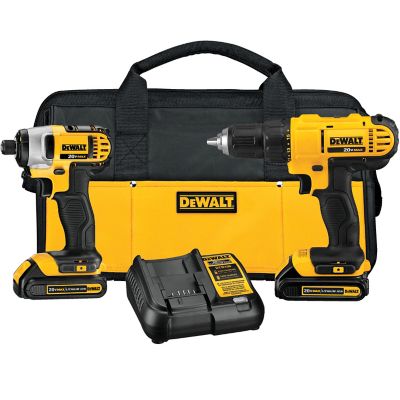
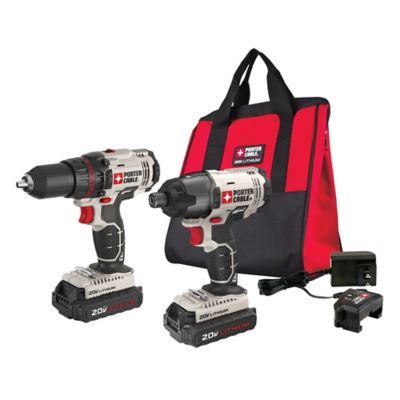
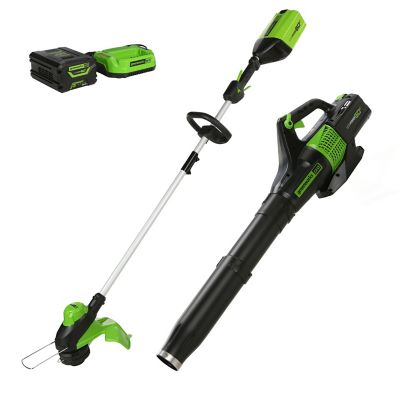
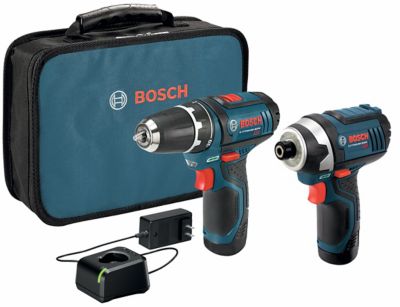
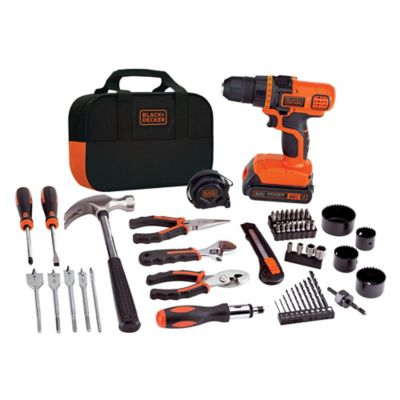
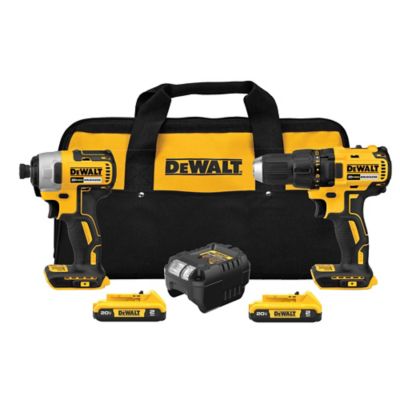
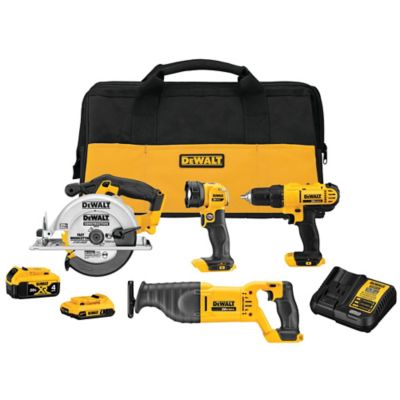
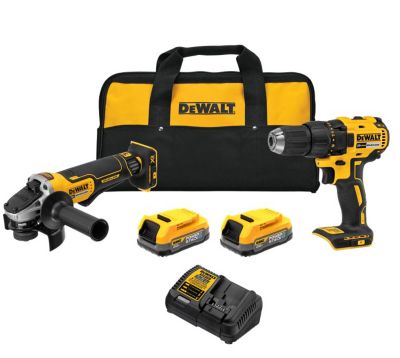
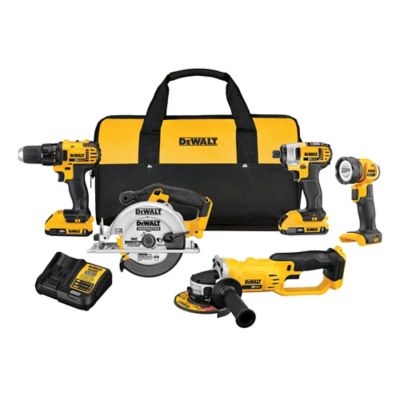
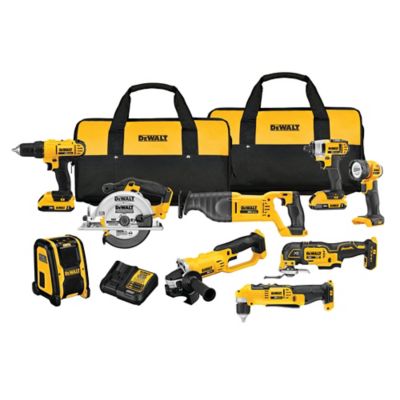
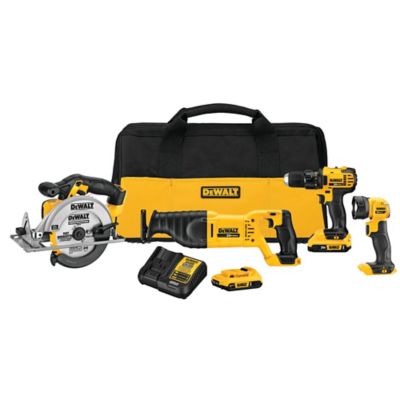
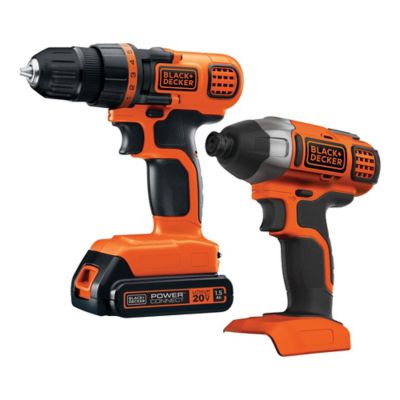
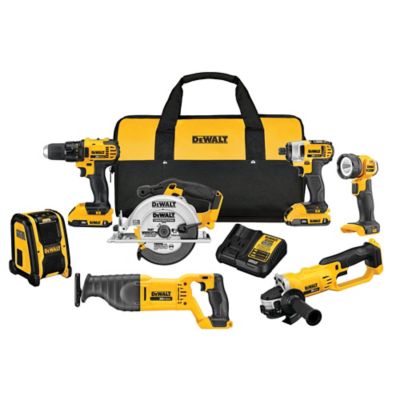
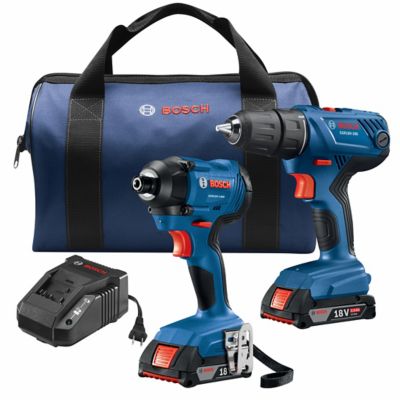
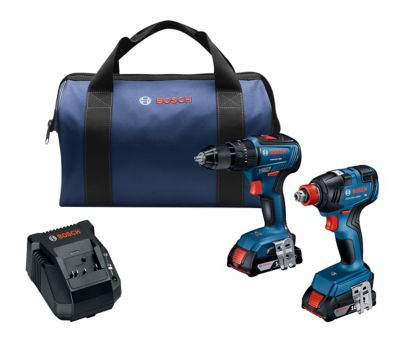
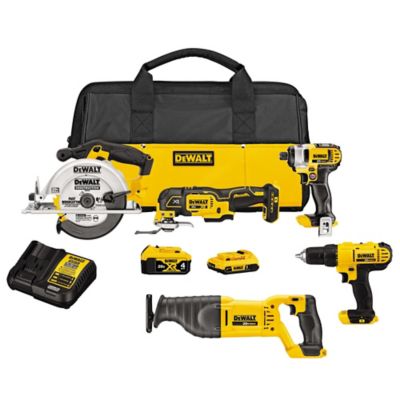
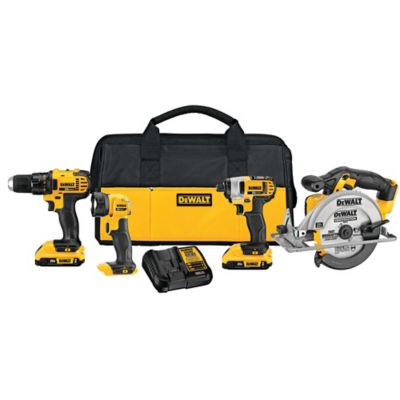
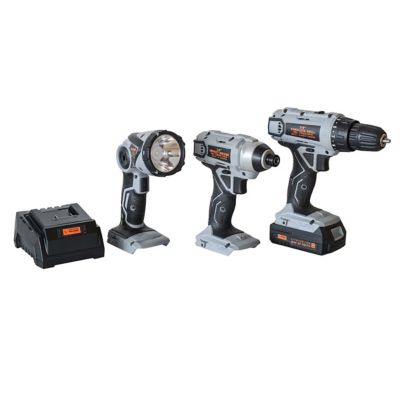
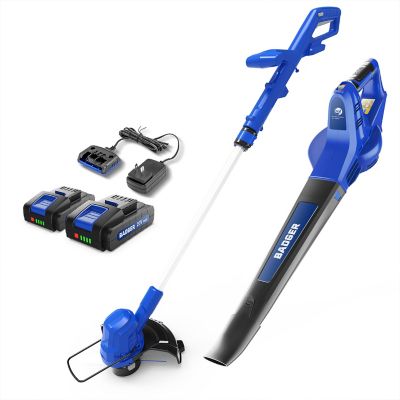
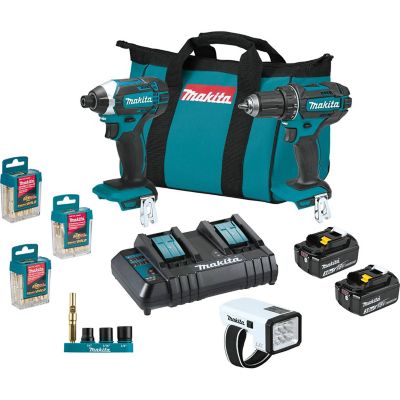
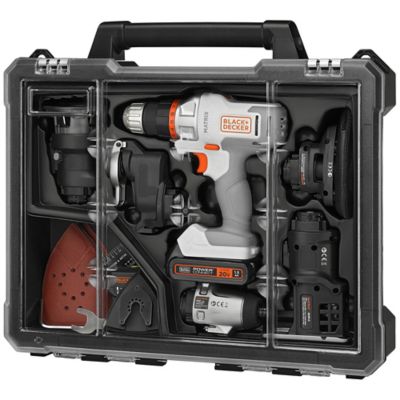
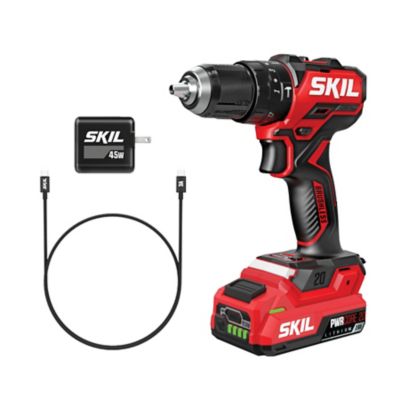
Cordless tool combo kits bring several battery-powered tools together in one set, typically built around a shared battery platform. Many kits include rechargeable batteries, a charger, and a carrying bag or case, though the contents vary by package. That setup makes sense for jobs that call for more than one tool, such as drilling pilot holes, driving screws, and cutting boards while fixing a stall partition or building shelves in the shop. Instead of stretching an extension cord across the work area, compatible tools can share batteries as the job moves from the bench to the barn. A set built around
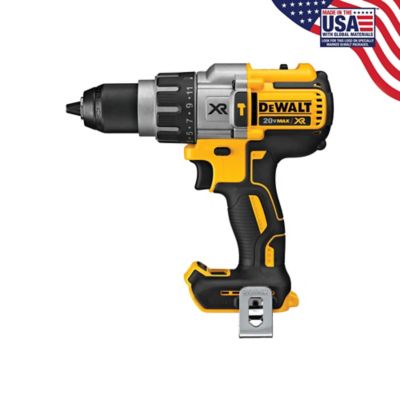
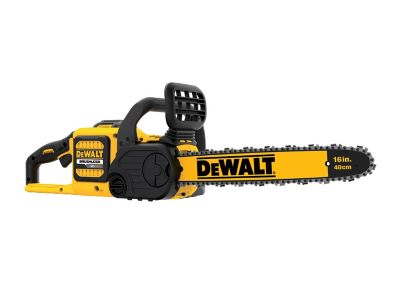
Cordless Drills and impact drivers covers plenty of everyday fastening work, while a larger assortment may add saws, an oscillating tool, a grinder, or a work light. The right combination depends less on the number of tools in the bag and more on the work ahead. A drill handles holes and controlled screwdriving, with a clutch that helps limit driving force when fastening hardware or working with softer materials. An impact driver delivers rotational impacts for driving fasteners, making it handy for longer screws and repeated fastening tasks. A circular saw suits straight cuts in lumber and sheet goods, while a reciprocating saw reaches into demolition and rough-cutting work with the proper blade attached. An oscillating tool can help with trimming, scraping, or making small cuts where a larger saw will not fit. These tools have different strengths, so a well-matched kit supports the whole project rather than repeating the same function. For a homeowner hanging storage racks, a landowner repairing outbuildings, or a tradesperson moving between job sites, the appeal is straightforward: several tools that work together, with a battery system that keeps the setup manageable.
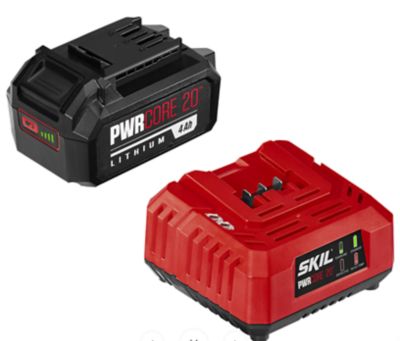
Battery compatibility is one of the biggest considerations with cordless power tool combo kits. Matching voltage numbers alone does not establish compatibility; the battery connection, electronics, and manufacturer-designated platform must also match. Anyone adding a kit to an existing tool collection should check the exact platform before counting on batteries to transfer between tools. Battery capacity, listed in amp-hours, matters too. Within the same platform and comparable operating conditions, a higher-capacity pack generally supports longer runtime, but it often adds weight and changes how a tool balances in the hand. A smaller pack can make overhead drilling or repeated hinge installation less tiring, while a larger pack may better suit a saw making repeated cuts. Actual runtime depends on the tool, material, accessory, load, and battery condition, so an amp-hour rating is not a promise of a certain number of holes or cuts. The number of batteries and the charger included also affect the workday. Two compatible packs can let one charge while the other powers a tool, although charging time and heavy tool demand may still require a pause. Brushless motors can improve efficiency and reduce motor maintenance compared with brushed designs, but motor type is only part of the picture. Torque settings, speed ranges, cutting capacity, and tool size all influence how well a set fits the job. Grip shape, trigger reach, and balance deserve attention, especially for work that involves plenty of repetition. Rubber grip surfaces can help with handling, and metal components in high-stress areas can support a tool’s working life, though construction varies. A compact drill may fit between framing members more easily, while a larger tool may offer the capacity needed for bigger holes. Comfort and control count just as much as power when the task stretches beyond a few quick fasteners.
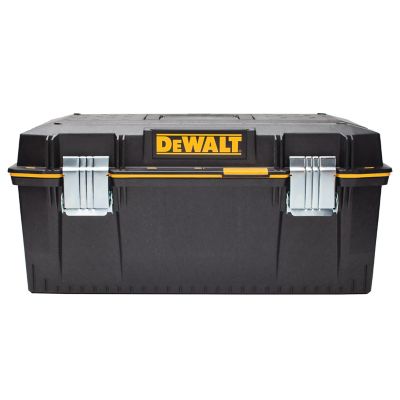
The accessories fitted to each tool help determine what materials it can handle and how cleanly it works. Drill bits, driver bits, saw blades, and grinding accessories need to match both the tool and the task, including the required dimensions and speed rating. A wood-cutting blade is not a substitute for a blade intended for metal, and a standard drill does not gain hammer-drilling capability simply by fitting a masonry bit. Kits may include starter accessories, but the package details are worth checking before planning a project around them. For work around a farm or home, common jobs might include replacing gate hardware, cutting blocking for a shed repair, assembling a workbench, or taking apart a damaged section of shelving. Each job puts different demands on the tools, and good working habits help protect both the operator and the equipment. Secure the material, wear suitable eye and hearing protection, and remove the battery before changing blades or making adjustments as directed by the tool’s manual. Keeping vents clear of sawdust and wiping down housings after a job helps prevent debris from building up around moving parts and controls. Battery contacts should stay clean, and loose packs need protection from screws, nails, or other metal objects that could bridge the terminals. Storage and charging should follow the battery manufacturer’s directions, including guidance on temperature limits and approved chargers. A carrying case or bag helps keep the set together, but blades and sharp accessories still need their own protection so they do not damage tools or hands reaching inside. Cordless combo kits can also make practical gifts for someone setting up a first workshop, taking on home repairs, or expanding the equipment kept at the farm. For a recipient who already owns cordless tools, platform compatibility matters more than adding another tool with the same basic function. A thoughtfully matched set earns its place through everyday work, whether that means tightening up a loose hinge, finishing a fence repair, or having the right cutting and fastening tools together when a bigger project comes along.