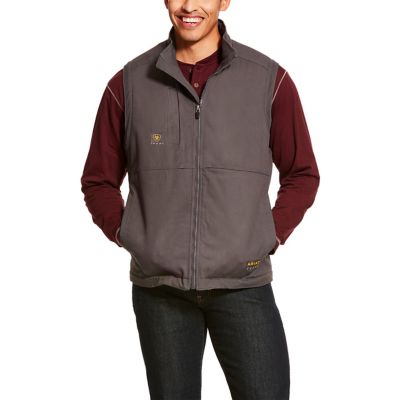
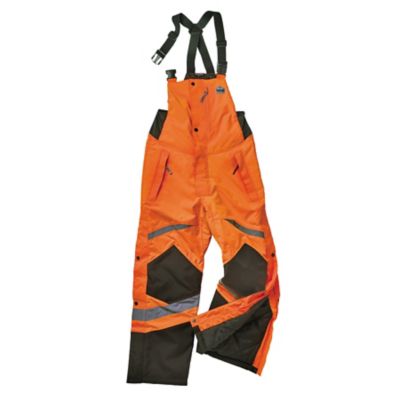
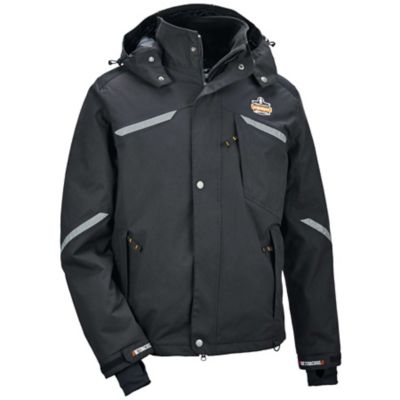
Construction work gear brings together personal protective equipment (PPE), work clothing, and jobsite footwear suited to the work at hand. A framing crew, a concrete finisher, and a farm owner putting up a new equipment shed may share some basics, but their gear needs can differ. Carrying rough lumber calls for abrasion resistance, repeated kneeling puts extra wear on knees, and climbing ladders makes freedom of movement especially important. Work pants, bib overalls, and work shirts earn their place through practical details: seams that hold up to pulling and bending, pockets positioned within reach, and enough room to move without loose fabric hanging near equipment. Cotton duck has a tightly woven construction that stands up well to rubbing against rough surfaces, while denim offers a familiar feel for everyday work. Fabric blends with stretch can make squatting, stepping over forms, and reaching overhead less restrictive. Reinforced knees and seat panels add material where contact and friction tend to be greatest. Double-layer knees may also accommodate kneepads when the garment is designed for them, a useful detail for flooring, finish carpentry, and other work close to the ground. Fit deserves just as much attention as fabric weight. A waistband that feels fine while standing can pinch when crouching, and a shirt that pulls across the shoulders can interfere with an overhead reach. Workwear should allow those movements while keeping hems, cuffs, and straps clear of snag points. Pocket placement matters, too: a phone pressed against the thigh or a loaded pocket behind the knee can become a distraction over a long shift. Hammer loops and utility pockets offer handy storage, but keeping frequently handled gear within comfortable reach matters more than having the most pockets. For apprentices getting their first jobsite wardrobe together and longtime tradespeople replacing worn essentials, the best match starts with the movements and surfaces they encounter every day. Straightforward construction clothing should feel ready for the work, not like something that needs constant adjusting between tasks.
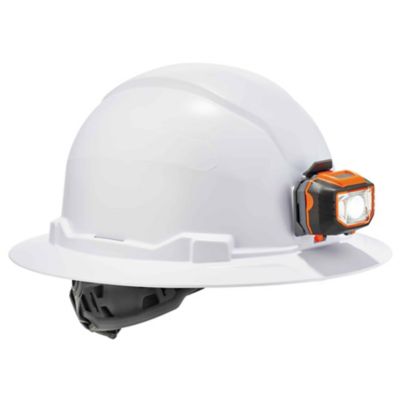
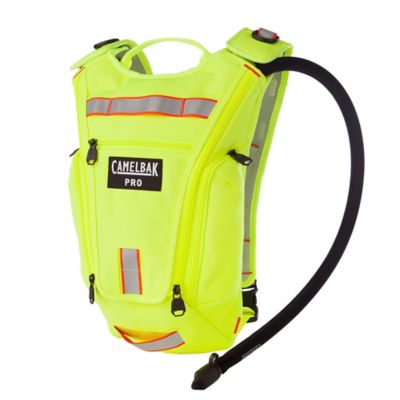
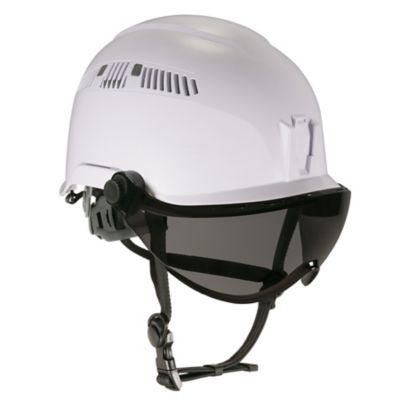
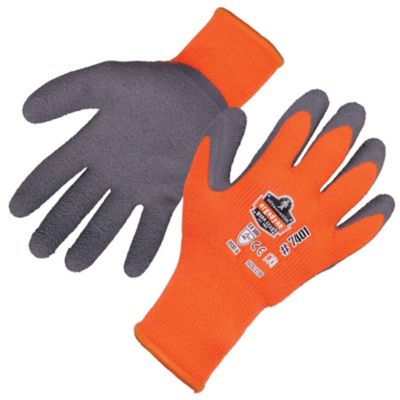
Safety gear has a different job from ordinary workwear, and its protection depends on the rating, fit, condition, and task. Hard hats help protect against specified head-impact hazards, but not every hard hat offers the same protection. Under ANSI Z89.1, Type I and Type II classifications address different impact requirements, while electrical classes identify separate electrical-protection capabilities. Those markings matter when overhead work, moving materials, or electrical exposure are part of the site assessment. High-visibility apparel also has defined performance requirements. Garments marked to ANSI/ISEA 107 carry type and performance-class information that helps match them to the work environment; the appropriate selection depends on traffic exposure, site rules, and applicable requirements. Bright fabric and reflective material serve different visibility needs, so an ordinary bright shirt is not a substitute for required high-visibility clothing. Eye protection belongs in the same task-specific conversation. Safety eyewear meeting applicable ANSI Z87.1 requirements can address certain impact hazards, but the design and markings still need to match the exposure. Side coverage, a secure fit, and compatibility with other PPE matter when cutting, drilling, or handling debris. Some tasks require goggles or a face shield in addition to safety glasses rather than glasses alone. Hearing protection likewise depends on noise exposure and proper fit, whether the job calls for earplugs, earmuffs, or a combination selected through a workplace hearing-protection program. Gloves need a close look at the actual work: abrasion resistance helps with rough materials, cut resistance addresses specified cutting hazards, and dexterity matters when fastening small hardware. No glove protects against every hazard, and gloves can create entanglement risks around certain rotating machinery. Dust-producing tasks may require respiratory protection selected for the exposure, with required training and fit testing for tight-fitting respirators. These pieces also need to work together. Eyewear arms, earmuff cushions, hard-hat suspensions, and other components should sit as intended without disrupting one another. Required PPE is part of a larger site safety plan, not a replacement for equipment guards, exposure controls, training, or safe work practices.
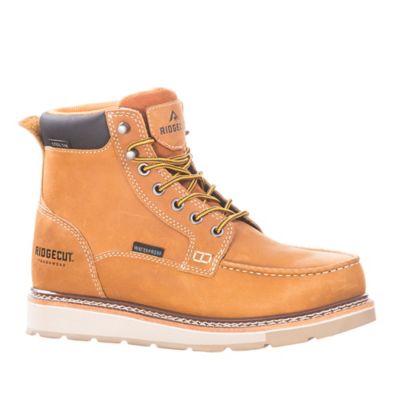
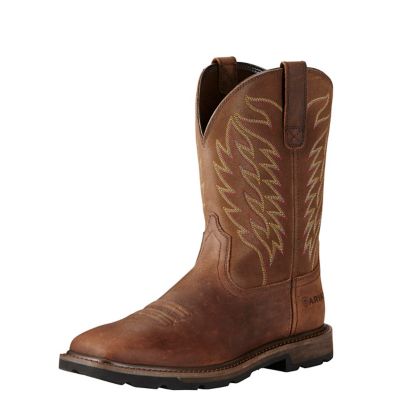
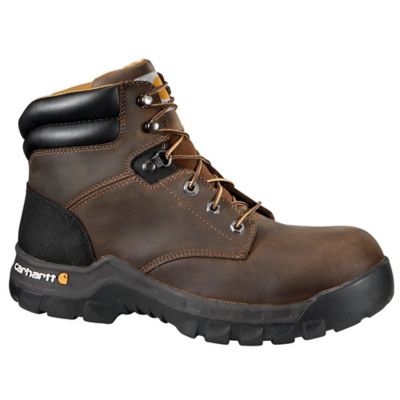
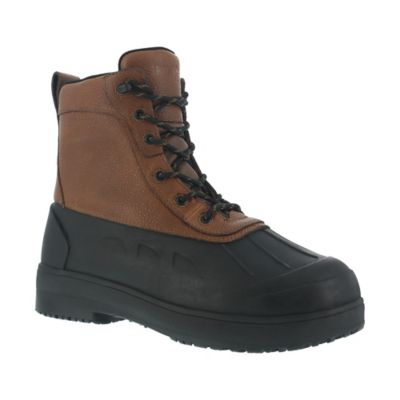
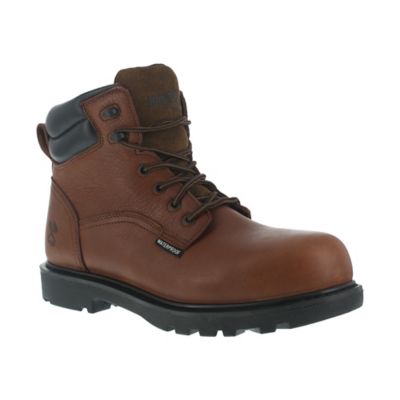
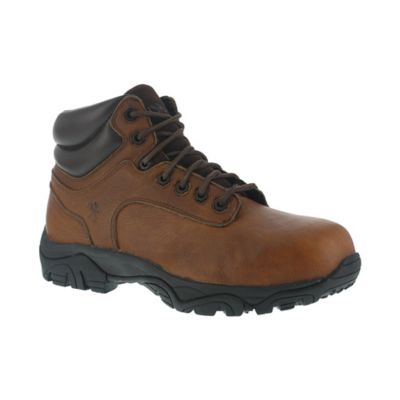
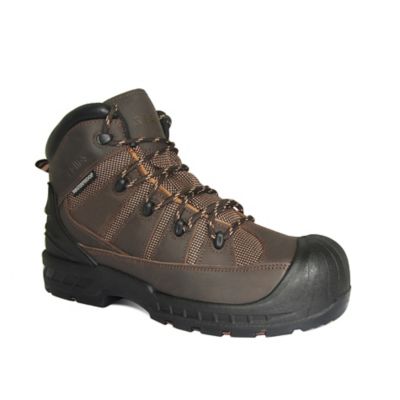
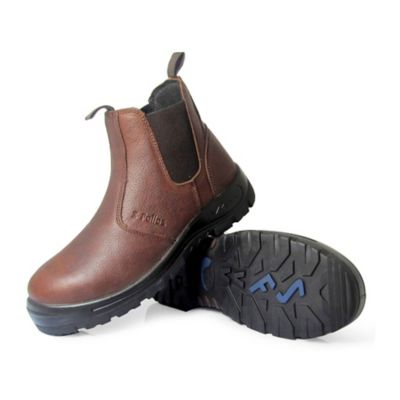
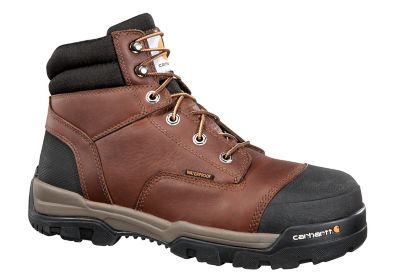
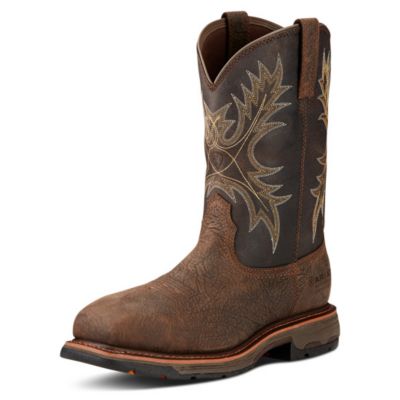
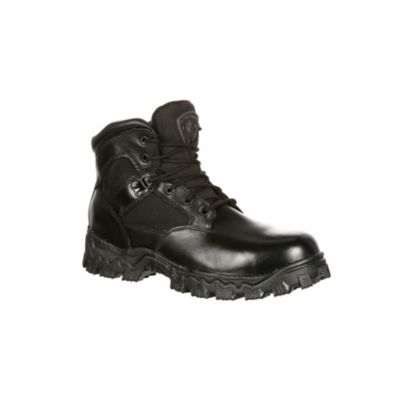
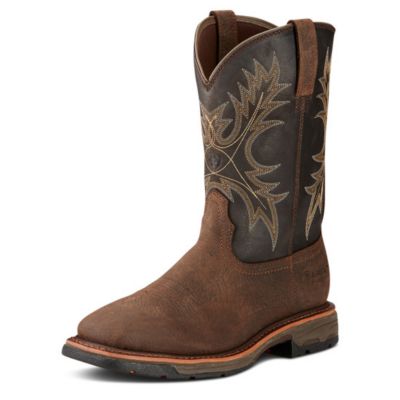
Work boots carry a lot of responsibility through a shift spent walking forms, standing at a bench, or moving between a shop floor and a building site. Toe protection, traction, underfoot support, and fit all deserve attention, but those features are not interchangeable. Safety-toe footwear should carry markings for the applicable protection requirements, such as ASTM F2413; a steel or composite toe alone does not establish every protective feature a job may require. Puncture resistance and electrical-hazard protection are separate features that need their own verification. Outsole patterns and compounds also vary, and slip resistance does not mean a boot cannot slip. Smooth concrete, loose gravel, and ladder rungs put different demands on footing. Boot fit includes enough room for toes without excessive heel movement, plus support that remains comfortable when walking and carrying materials. Trying footwear with the work socks and any appropriate inserts intended for the job gives a better sense of the complete fit. Leather uppers benefit from cleaning and manufacturer-recommended care, while fabric panels, linings, and removable insoles may have different care directions. Similar attention helps the rest of the gear stay ready for work. Grit trapped in clothing can rub against fabric, overloaded pockets strain seams, and damaged closures can interfere with fit. Laundering instructions are especially important for high-visibility and other protective garments because improper care can affect their performance. Cracked head protection, scratched lenses that obstruct sight, separated soles, and torn glove palms are reasons to assess whether equipment needs replacement under its manufacturer’s guidance. Storage matters, too: protective gear needs a clean spot away from damaging chemicals and crushing loads. Construction work gear pairs with
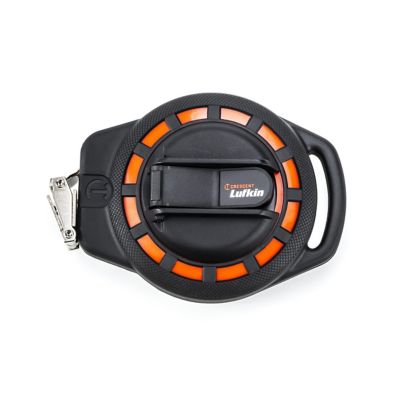
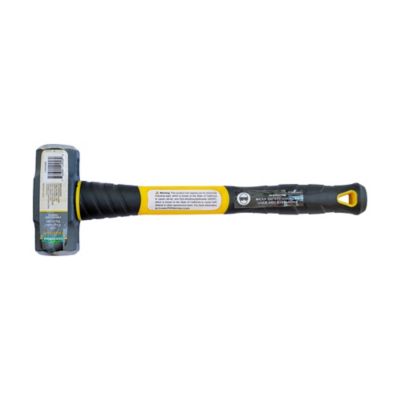
Construction Worker Tools as part of a practical setup for layout, building, repairs, and cleanup. Keeping clothing, footwear, and protective equipment matched to those tasks helps make the day more comfortable and organized, whether the work is a full-time trade or a substantial project around the property.