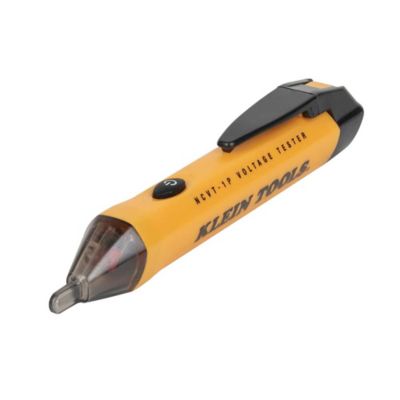
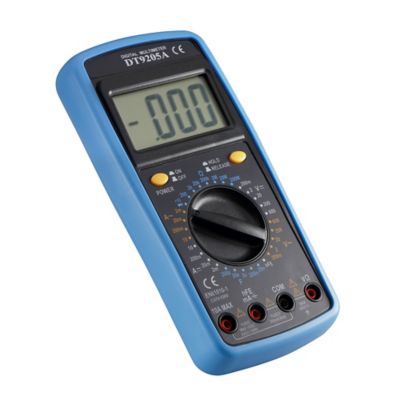
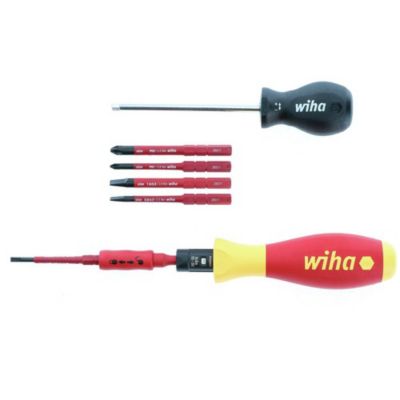
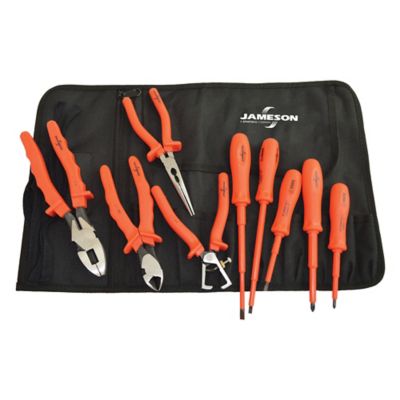
Safety equipment for electricians covers several kinds of protection, from electrically insulated tools and voltage-testing equipment to lockout/tagout supplies, rubber insulating gloves, arc-rated clothing, and head, eye, and foot protection. Each category serves a different purpose, whether the job involves a farmhouse service panel, a barn lighting circuit, or a motor control cabinet in a repair shop. Shock protection helps limit exposure to electrical current, while arc-flash protection addresses the intense thermal energy that an electrical fault can release. Neither replaces shutting down equipment, isolating every energy source, and verifying that an electrically safe work condition has been established. For electricians, apprentices working under supervision, and qualified maintenance crews, the right selection starts with the task, the system voltage, and the workplace hazard assessment—not simply how heavy a glove feels or how thick a jacket looks. Equipment markings matter because ordinary workwear and general-purpose tools do not necessarily provide electrical protection. Electrically insulated hand tools have purpose-built insulation and a stated voltage rating; a cushioned grip alone does not mean a tool is electrically insulated. Even properly rated tools are not permission to work on energized circuits. Voltage testers and meters also have distinct roles. A non-contact voltage detector can help identify possible voltage, but it cannot, by itself, establish that equipment is de-energized. Qualified workers need an appropriately rated test instrument and an established verification procedure, including confirming instrument operation before and after checking the circuit. Meter measurement-category ratings, voltage limits, and the condition and ratings of test leads all belong in that decision. Lockout/tagout equipment supports a different part of the job: keeping isolated energy sources from being switched back on while work is underway. Compatibility with the disconnect or breaker, clear identification, and provisions for each authorized worker help make these supplies practical for both single-person service calls and larger maintenance jobs. Together, these categories support a coordinated electrical safety program rather than a one-piece solution.
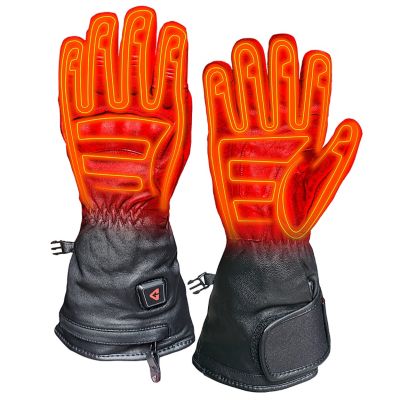
Fit and material selection become especially important when electrical work calls for a steady grip and careful movement in a tight space. Rubber insulating gloves provide electrical insulation within their assigned class and voltage limits, while compatible leather protectors generally help guard the rubber against cuts, punctures, and abrasion. Leather work gloves alone do not provide that insulating function, and cut-resistant gloves should not be mistaken for shock protection. The distinction is worth keeping in mind when comparing
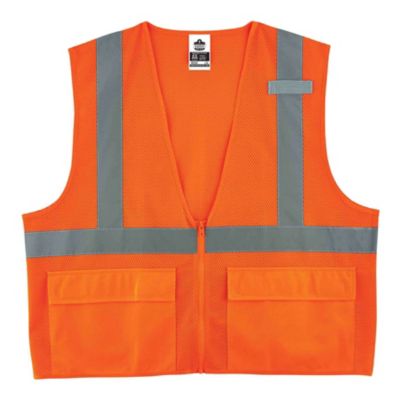
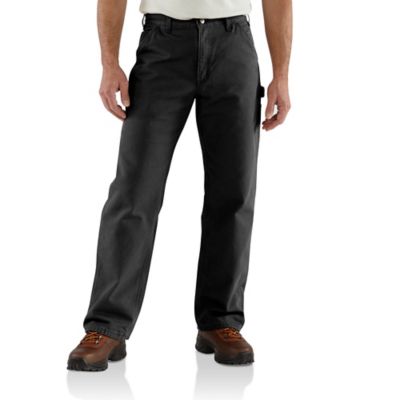
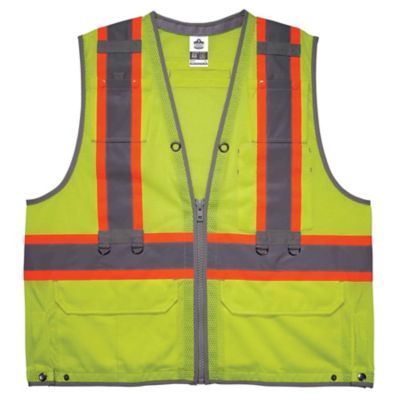
Work Gloves For Electricians, particularly for tasks that involve pulling cable, handling conduit, or working near exposed electrical parts. Glove sizing needs to account for the complete glove system, including any approved liners and protectors, without bunching at the fingertips or restricting the hand. A fit that allows controlled movement helps with handling small fasteners and maintaining a secure hold, but comfort never replaces the required electrical rating. Rubber insulating equipment also requires inspection and electrical testing at the intervals specified by applicable requirements; an intact-looking surface is not proof that a glove is ready for service. Arc-rated clothing has another job altogether. Its rating describes thermal protection against an arc exposure under standardized testing, and the required rating depends on the assessed hazard. Flame-resistant clothing is not automatically arc-rated, so the garment label deserves a close look. Fabric weight alone does not establish protection, either. Garment coverage, sleeve length, closures, and room to bend or reach affect how well clothing fits the work. Reaching across a bench or crouching beside a cabinet should not pull a shirt free or leave required coverage open. Layering also needs attention because an ensemble’s protection cannot be determined by simply adding the ratings of separate garments. Melting fabrics in underlying layers can introduce hazards, making manufacturer guidance and workplace clothing requirements important. Arc-rated face protection, when required, must suit the assessed exposure and work with the rest of the protective ensemble; an ordinary face shield is not a substitute.
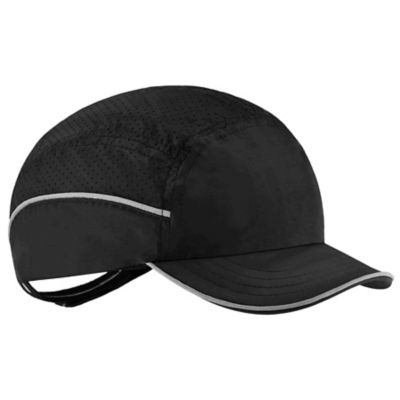
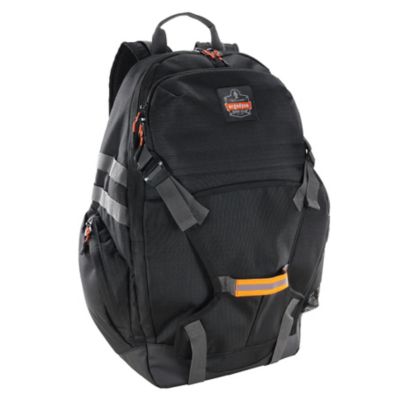
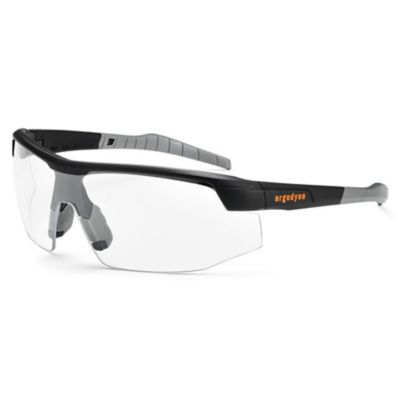
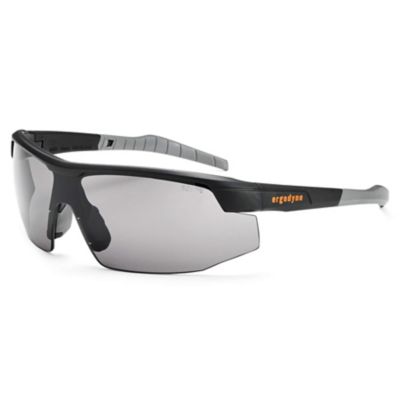
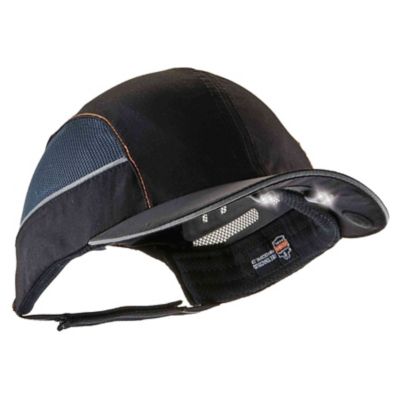
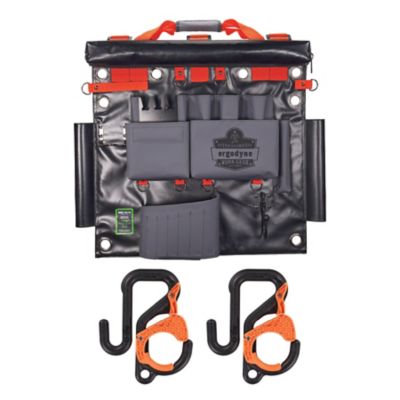
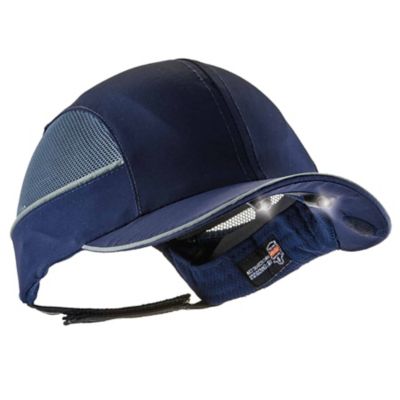
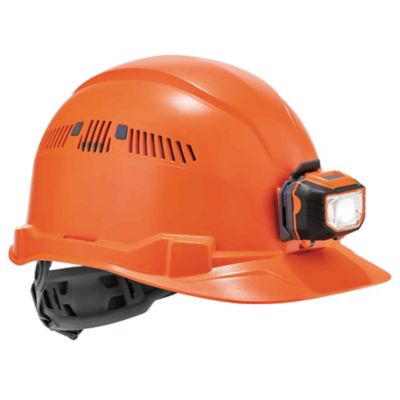
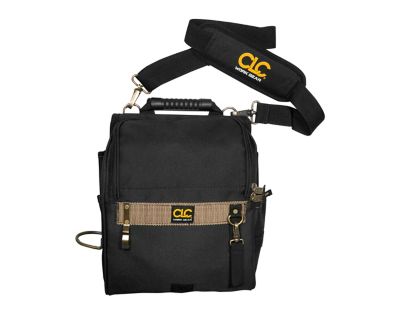
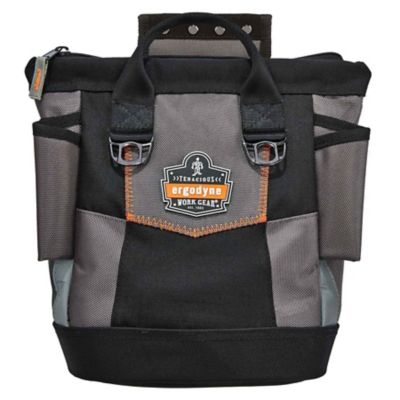
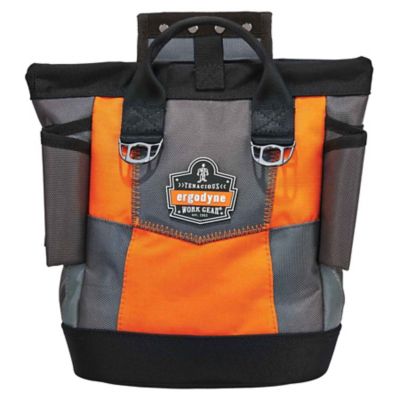
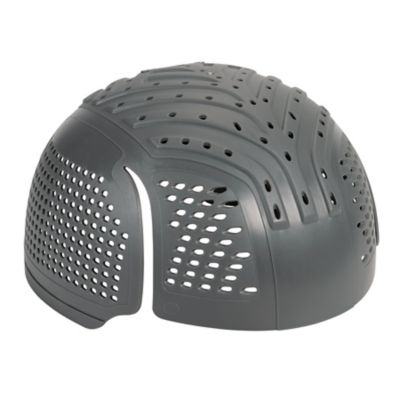
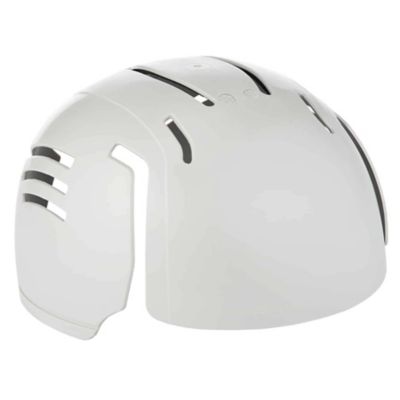
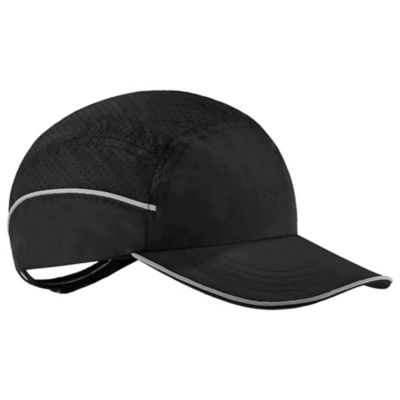
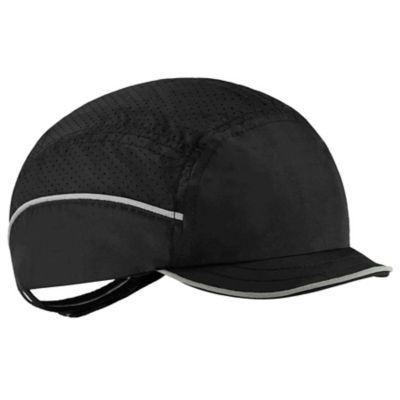
Head protection, safety eyewear, hearing protection, and electrical-hazard footwear round out many electricians’ work setups, though each still needs to match the actual exposure. A hard hat’s electrical classification matters around electrical hazards, along with the impact protection required for the setting. Unapproved attachments, holes, coatings, or alterations can compromise its intended performance. Safety glasses address hazards such as flying particles during drilling or cutting, while additional face protection may be necessary for the task. Where arc-flash hazards exist, the required eye, face, head, and hearing protection should work together without interfering with proper fit. Electrical-hazard footwear provides secondary protection against certain accidental electrical contact under specified conditions; it is not a replacement for electrical isolation or other required protective equipment. Sole condition, contamination, moisture, and the work environment can affect performance, so the designation should never be taken as a promise against every electrical hazard. Fit matters here, too: secure footing and enough room for natural movement help during long stretches on concrete floors or repeated trips between a service truck and a work area. Across all these categories, service life depends on more than tough-looking materials. Insulating surfaces need protection from sharp edges, harmful chemicals, and storage conditions that can cause deterioration. Dedicated compartments help keep test leads from tangling with cutting tools and keep rubber gloves away from loose screws or metal shavings. Cleaning methods must match the manufacturer’s directions, especially for arc-rated fabrics, insulating rubber, and face-shield surfaces. Damaged insulation, cracked shells, compromised soles, unreadable ratings, or missing test records can all affect whether equipment belongs in service. Replacement parts and accessories need to be approved for the equipment rather than chosen only because they seem to fit. For a working electrician, a well-matched setup balances the required protection with reach, visibility, grip, and everyday organization. Clearly marked ratings, straightforward care requirements, and compatibility across the complete setup make safety equipment easier to evaluate for the work ahead, whether that work takes place in a home, an agricultural building, or a commercial facility.