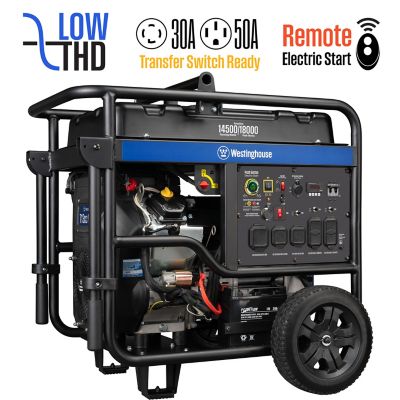
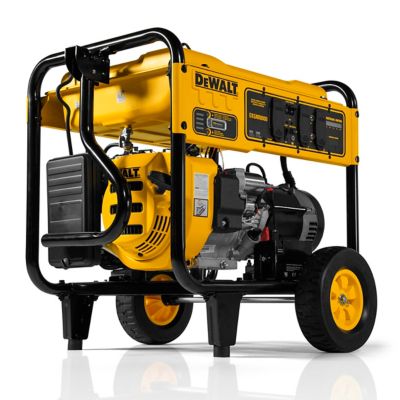
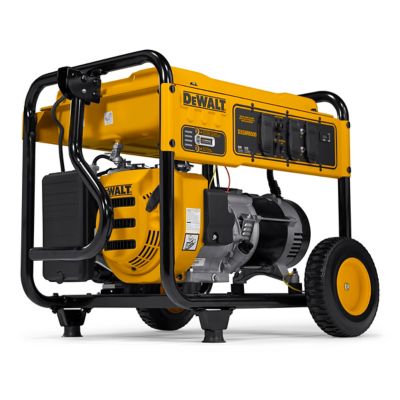
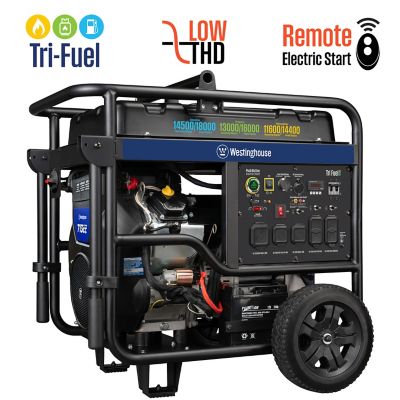
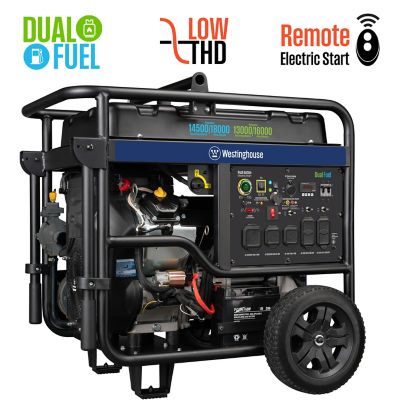
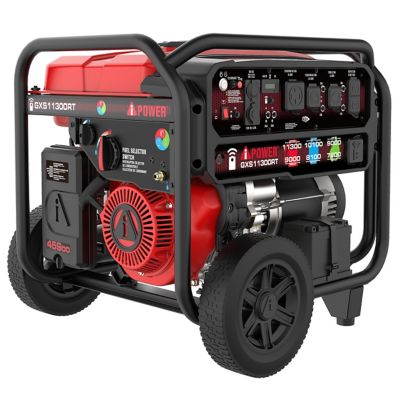
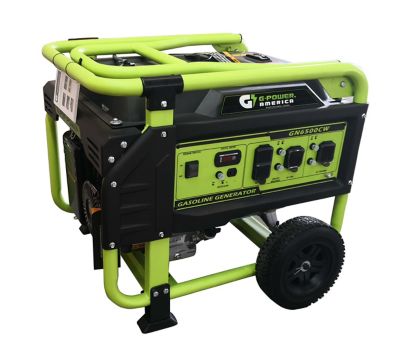
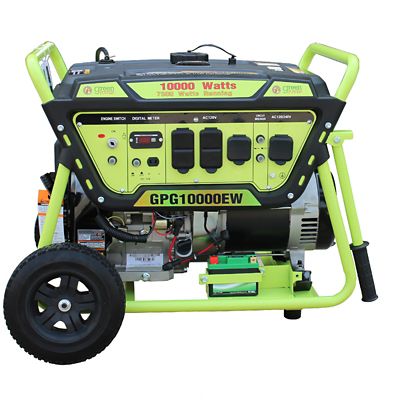
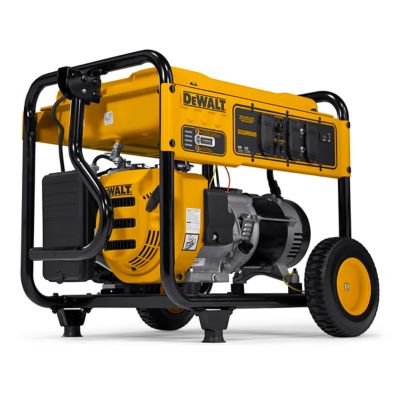
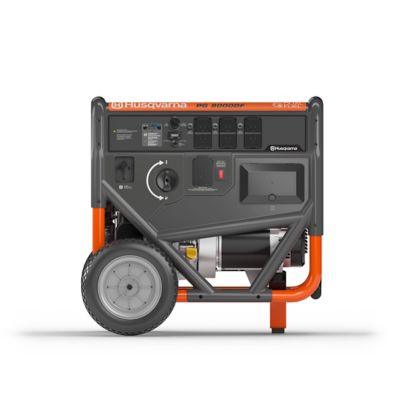
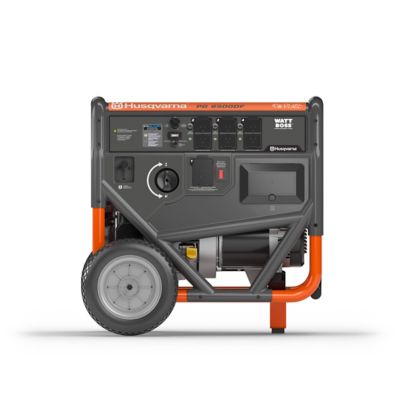
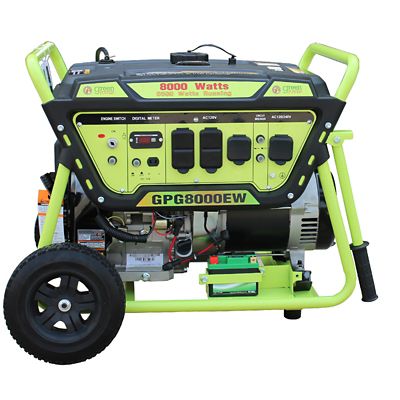
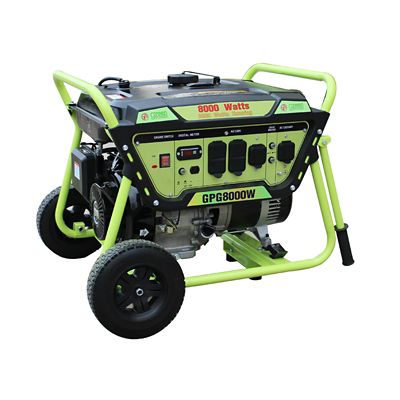
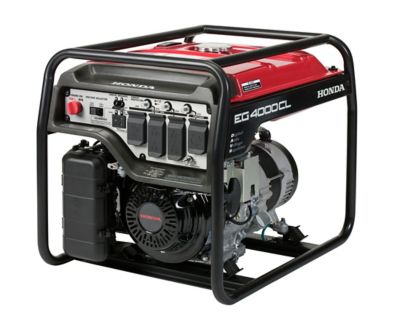
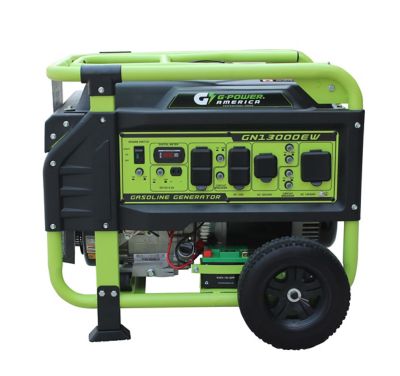
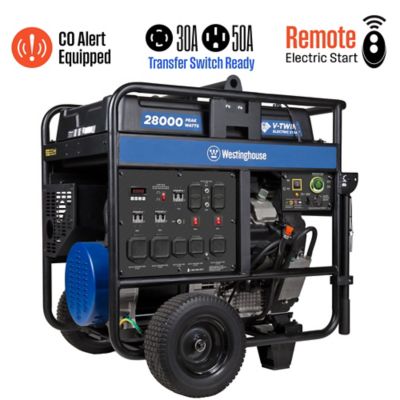
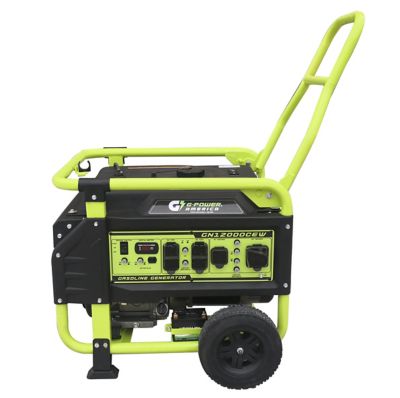
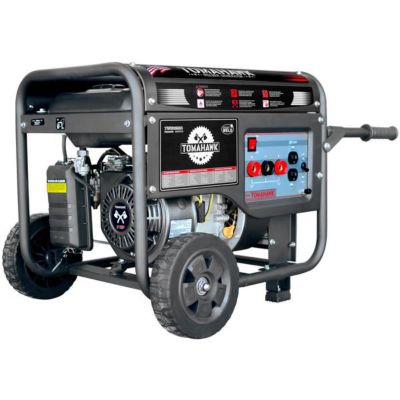
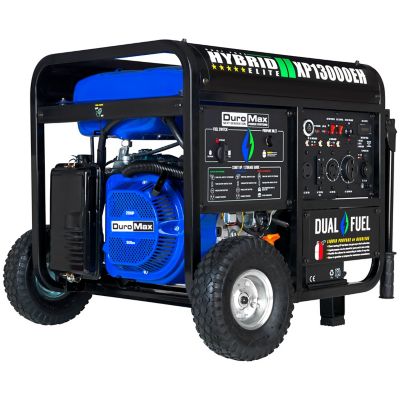
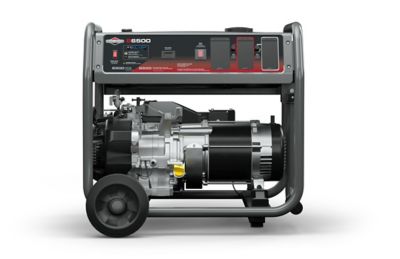
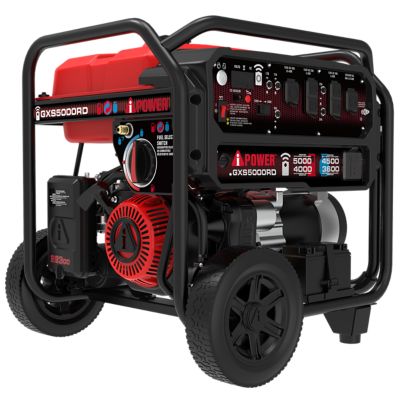
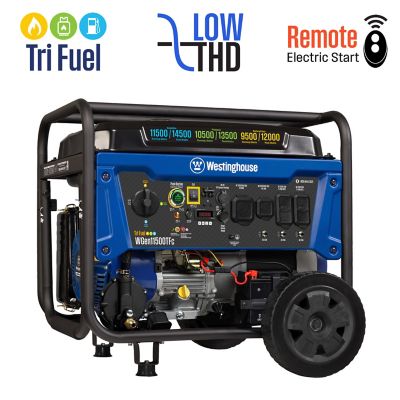
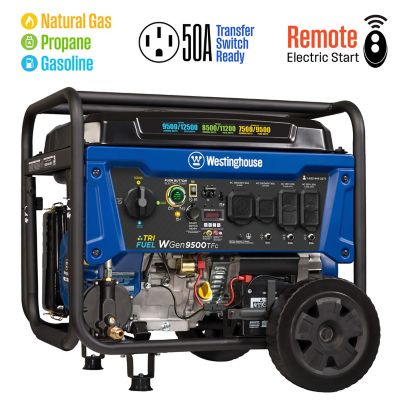
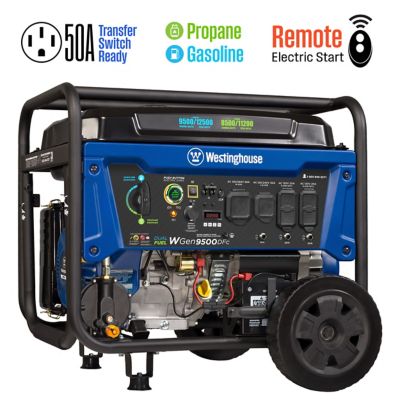
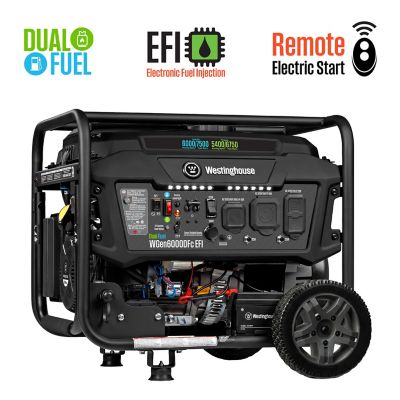
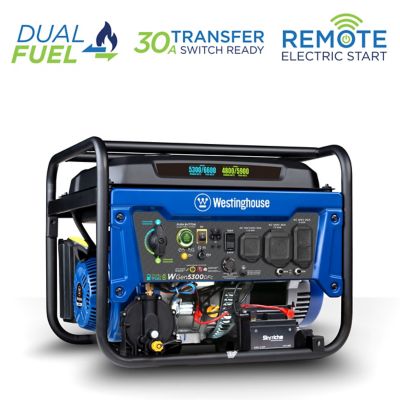
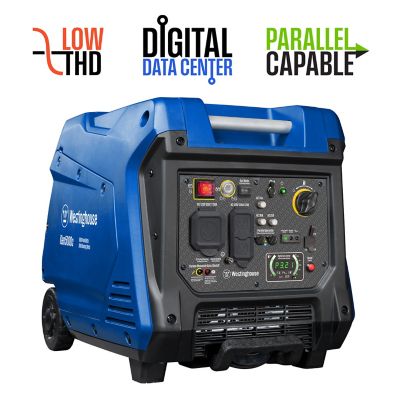
Portable generators for construction sites bring power to places where permanent electrical service is not ready or an outlet is too far from the work. From framing a house to putting up a pole barn, these generators support the saws, compressors, task lights, and battery chargers that keep a crew moving. The right fit starts with the equipment drawing power, not just the largest wattage number on the generator. Running watts describe the power a generator can supply continuously, while starting watts describe the extra output it can deliver briefly as certain motors get going. An air compressor cycling on while a table saw is cutting lumber can create a different demand than either tool operating alone. A practical capacity estimate accounts for the combined running loads plus the additional starting demand of equipment that may start at the same time. Tool nameplates and manufacturer specifications matter here, especially for compressors, concrete mixers, and other motor-driven equipment. Generators in the roughly 3,500- to 6,500-watt running-output range may suit smaller construction jobs with a limited combination of tools, lights, and chargers. Larger units rated around 9,000 to 15,000 running watts or more can support broader loads, but the actual equipment mix determines whether that capacity is enough. A welder or large compressor may have requirements beyond what a general-purpose portable generator can provide. Voltage matters just as much as wattage: a 240-volt tool needs compatible generator output and a properly rated connection, while many everyday jobsite tools operate on 120 volts. Individual receptacle and circuit limits also affect how much power can reach each tool. For contractors, carpenters, remodelers, and property owners handling building projects, matching those details helps keep a generator suited to the work rather than simply oversized, undersized, or awkward to connect. It also leaves room to think through the whole workday, from a single saw making the first cuts to several trades sharing power later on.
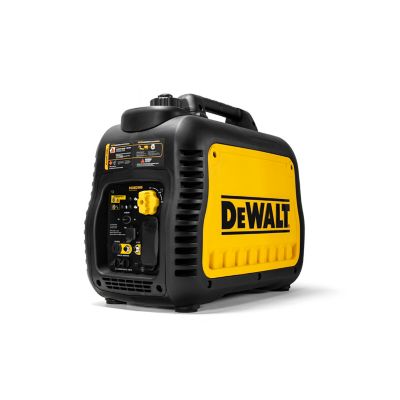
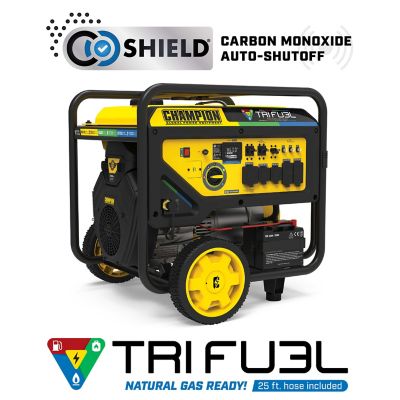
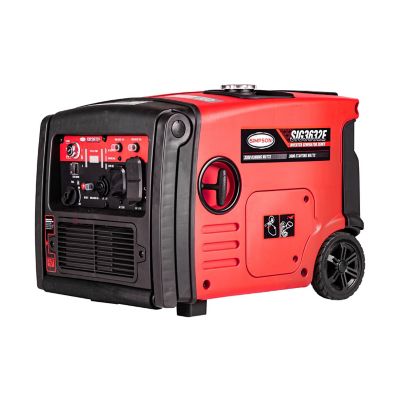
Construction work calls for a portable generator that handles frequent loading, unloading, and movement across a busy site. Steel-tube frames, protected control panels, substantial handles, and well-supported wheels are practical construction details to compare. Frame design can help shield the engine and alternator from incidental bumps, while wheel size and ground clearance influence how easily the unit travels over gravel and uneven ground. A generator that rolls comfortably across a shop floor may take considerably more effort to move beside a foundation. Listed weight, overall dimensions, and the space needed for transport deserve attention, particularly when the same truck also carries lumber, fasteners, and tools. Lifting should follow the manufacturer's directions; a carry handle is not necessarily an approved lifting point. Gasoline generators are a familiar option for crews already managing fuel for small engines, while dual-fuel generators offer flexibility between gasoline and propane when the model supports both. Output and run time can differ by fuel, so each fuel's ratings deserve a separate look. Tank capacity alone does not tell the whole story, either. Advertised run time usually reflects a stated load, such as 25% or 50% of rated output, and heavier tool demand generally shortens that interval. A full shift of intermittent cutting is different from hours of continuous equipment operation. Electric start can simplify frequent starts, and a recoil backup, where provided, offers another starting method. Inverter generators may appeal to crews powering compatible electronics or seeking lower sound levels, though waveform specifications and sound ratings need comparison under similar conditions. For teams hauling equipment between repair calls, building projects, and outlying properties,
Portable Generators For Mobile Work Crews covers another closely related work setting. Across these applications, portability means more than wheels: it includes manageable transport, accessible service points, sensible cord routing, and controls that are easy to reach without climbing around equipment.
Jobsite power also depends on electrical protection, careful placement, and routine engine care. GFCI-protected receptacles are an important feature for construction applications because they help protect against ground-fault shock hazards. OSHA construction requirements address ground-fault protection through GFCIs or an assured equipment grounding conductor program where permitted; a generator's outlet features alone do not establish compliance for the entire site. The employer's safety program, applicable rules, and the generator's configuration all matter. Grounding and bonding requirements likewise depend on how the generator supplies equipment, so an added ground rod is not automatically the right setup for every portable unit. A qualified electrician can address distribution equipment, grounding questions, and any connection to building wiring. A generator must never feed building wiring through a wall receptacle; a building connection requires properly installed transfer equipment that prevents backfeeding. Extension cords need grounding conductors, intact insulation, and ratings suited to the connected load and cord length. Long or undersized cords can cause voltage drop that interferes with tool performance. Fuel-powered generators belong outdoors only, at least 20 feet from buildings, with exhaust directed away from doors, windows, vents, and occupied areas. Open doors do not make a garage, shed, or partly enclosed workspace a safe operating location. Carbon monoxide shutoff features provide an added safeguard, not permission to operate closer to a building or inside an enclosure. Refueling belongs between work periods, with the engine stopped and allowed to cool according to its instructions. Low-oil shutdown can help protect the engine if its oil level drops, but it does not replace regular oil checks. Dust from cutting, grading, and site traffic makes air-filter inspection especially important, with service intervals following the manufacturer's schedule for the operating conditions. Access to the oil fill, drain, filter, and spark plug can make those tasks less of a chore. With capacity, connections, transport, and upkeep matched to the job, a portable construction generator becomes a practical part of the equipment lineup, ready to support work beyond the reach of permanent power.