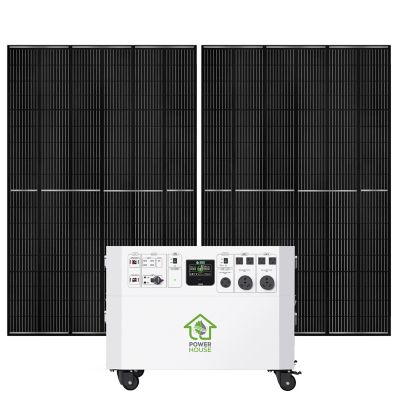
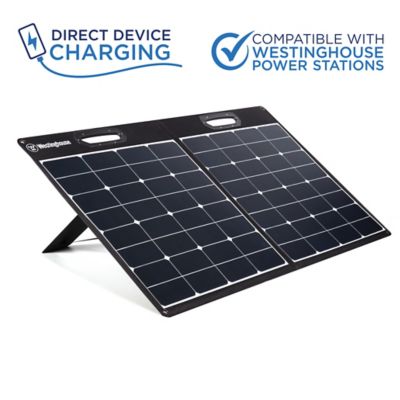
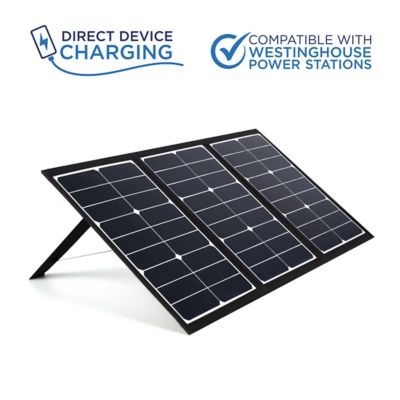
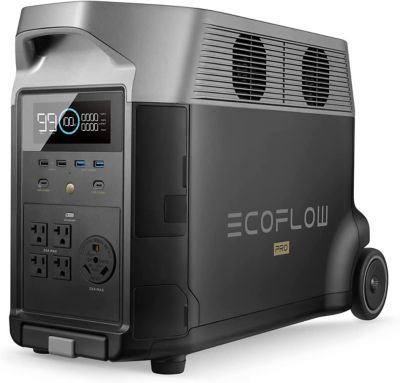
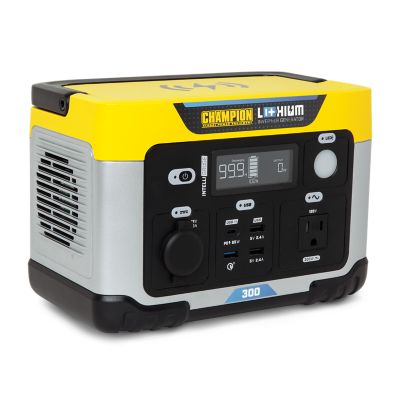
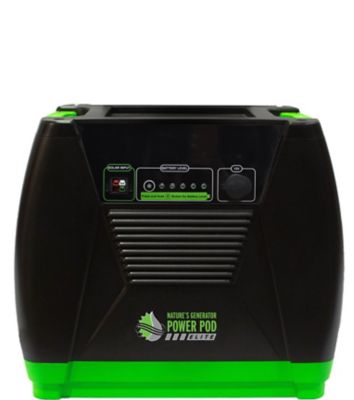
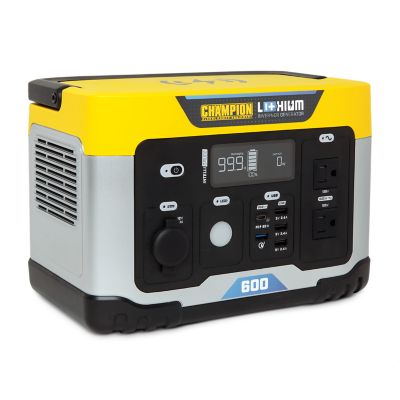
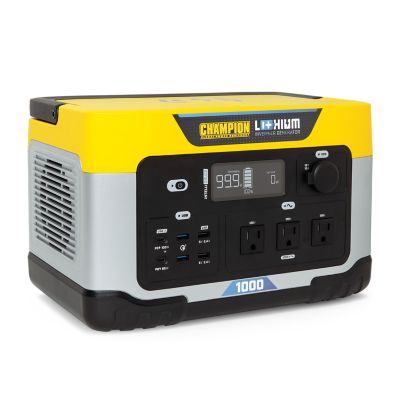
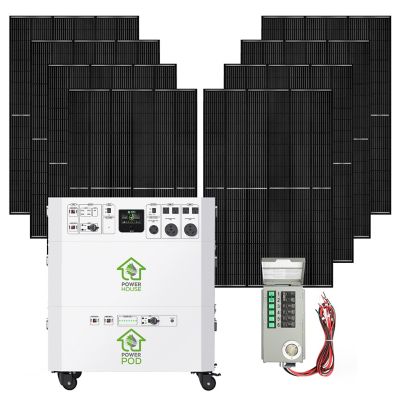
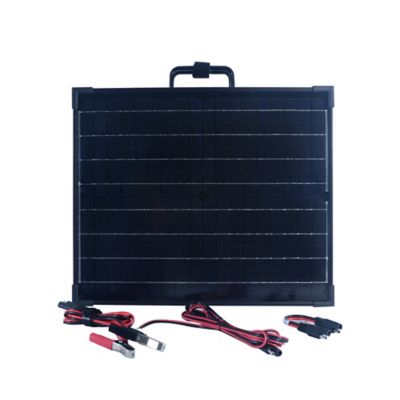
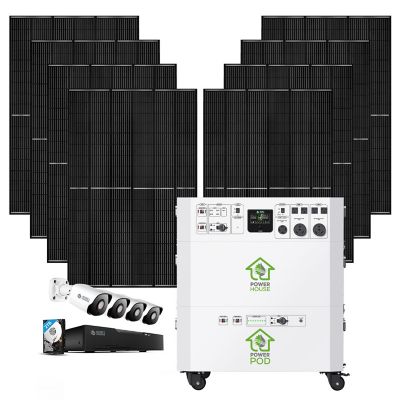
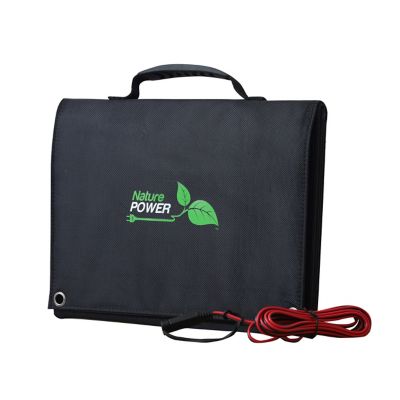
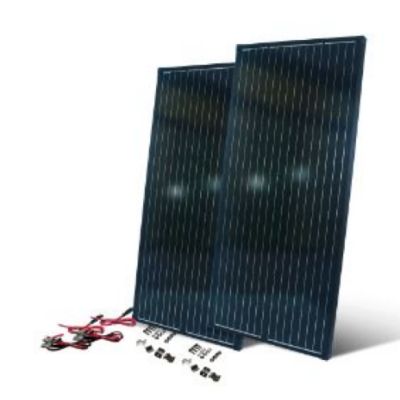
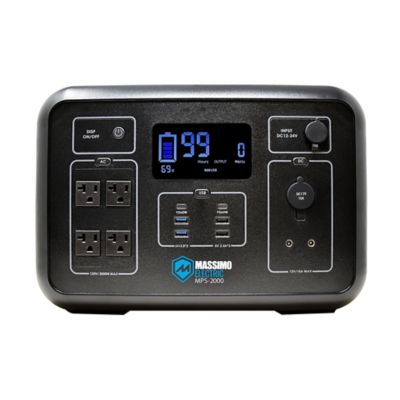
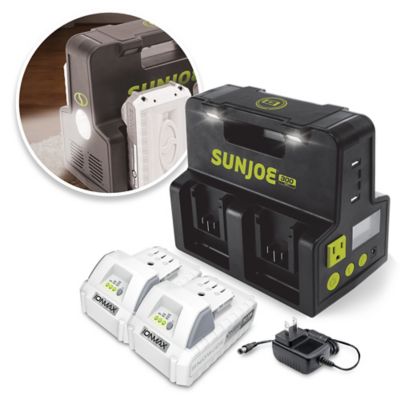
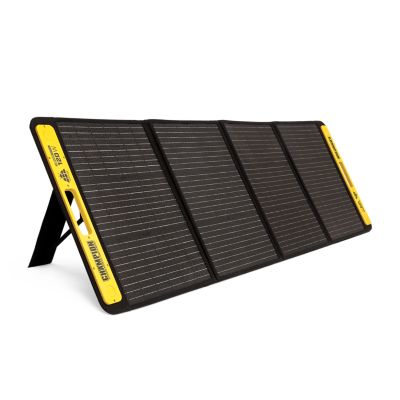
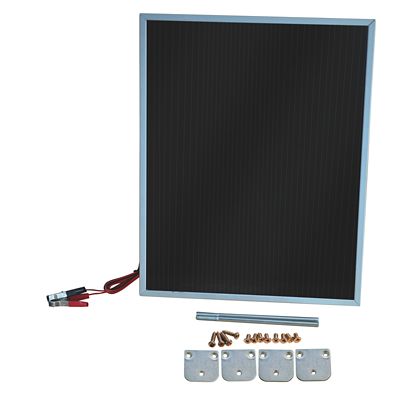
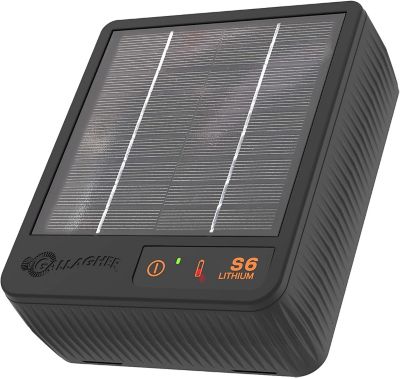
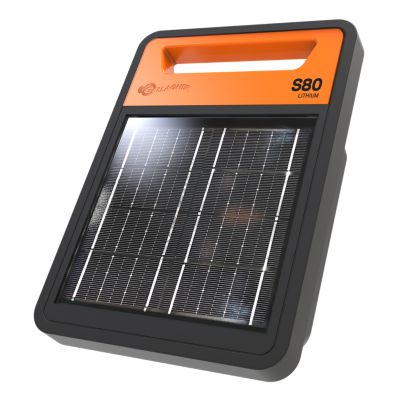
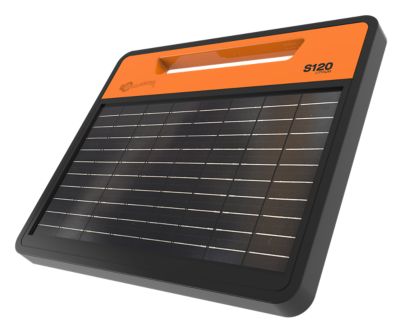
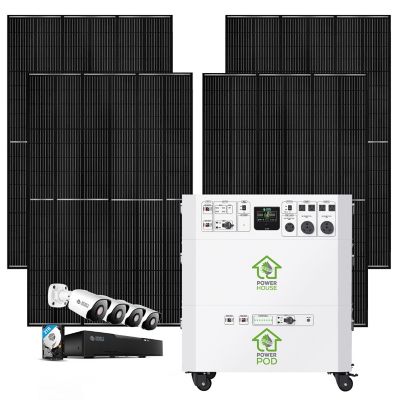
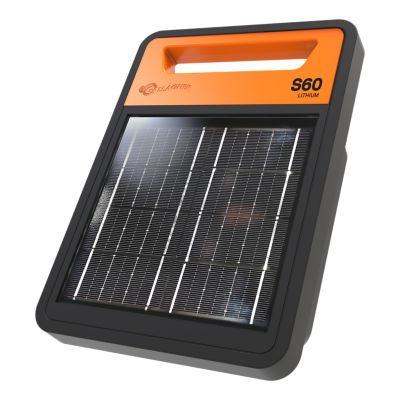
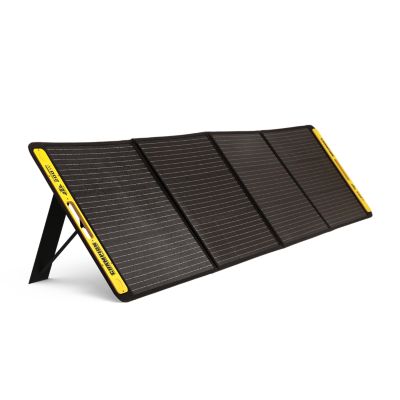
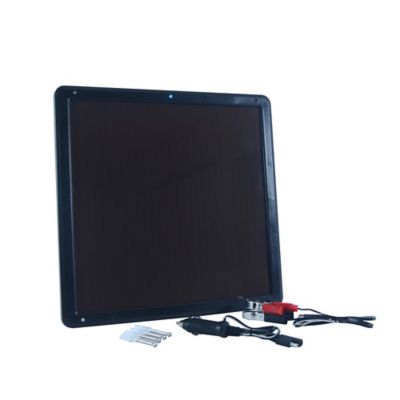
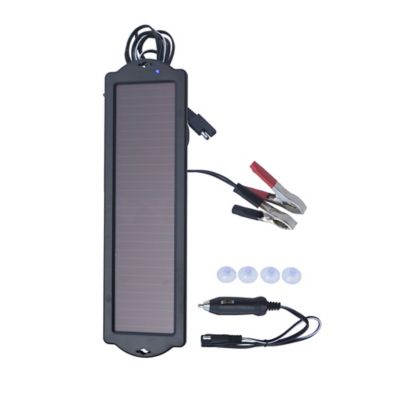
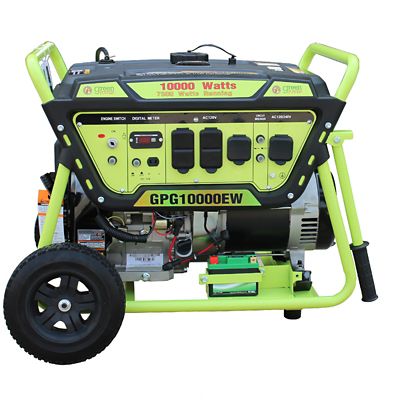
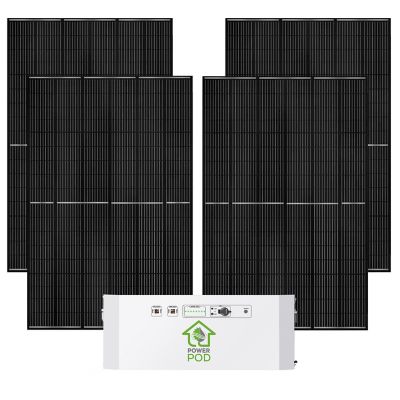
Lithium ion solar generators give you a practical way to make and store electricity without running a gas engine. A typical setup combines a portable battery power station with solar panels, a charge controller and a built-in inverter. The panels collect sunlight and produce direct current (DC) power, while the charge controller manages that energy as it moves into the battery. When you need to run a light, phone charger, small appliance or other household device, the inverter changes the stored DC power into the alternating current (AC) used by standard outlets. Many newer units use lithium iron phosphate, also called LiFePO4 or LFP, batteries. These batteries are valued for their long service life, steady performance and lack of fuel fumes, making them useful around the house, barn, campsite or hunting cabin. Unlike a gasoline generator, a solar generator can operate quietly, with no exhaust and no need to keep fuel cans on hand. It can be charged from sunlight, a wall outlet or, on some models, a vehicle connection. That flexibility comes in handy when the power goes out during a storm, when a remote property has limited electrical service, or when you need power away from an outlet. During the cooler months, a charged unit can help keep phones, radios, lights, internet equipment and medical devices running while you wait for utility service to return. It can also be a dependable companion for tailgating, roadside travel, emergency kits, outdoor work and weekend stays off the grid. For smaller loads and easier transport, take a look at
Compact Solar Generators, which can be a good fit for charging personal electronics, powering LED lights and handling other light-duty jobs.
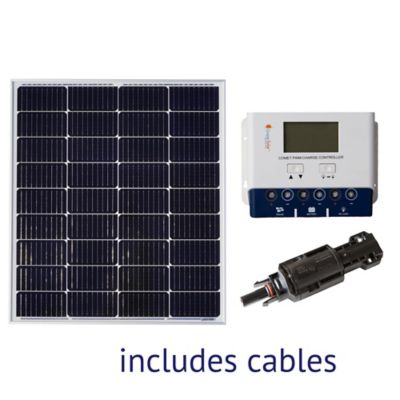
The best lithium ion solar generator depends on the equipment you plan to run and how long you need it to operate. Start with battery capacity, measured in watt-hours, or Wh. A higher Wh rating means the battery stores more energy, though actual run time will vary with the device, temperature, inverter efficiency and other loads. A small-capacity unit may be enough for phones, tablets, lanterns, a laptop, a small fan or a portable radio. A mid-size option can provide more breathing room for several devices, a CPAP machine, a small television, a router, a compact refrigerator or selected kitchen appliances. Larger systems are better suited to longer outages and heavier equipment, but they are also bulkier and may require more panel space and charging time. Compare that capacity with the wattage listed on the tools and appliances you expect to use. Continuous output tells you how much power the inverter can supply during normal operation, while peak or surge output covers the brief burst some motors need when starting. Refrigerators, freezers, sump pumps, well pumps and power tools may draw more electricity at startup than they do once running, so leave room between the generator’s rated output and your estimated load. It is also worth checking the available connections, such as household AC outlets, USB-A and USB-C ports, 12-volt outlets and regulated vehicle-style plugs. A display showing remaining battery percentage, input wattage and output wattage makes it easier to manage power when you are working by lantern light. If you plan to recharge with solar panels, review the solar input range and maximum charging wattage rather than assuming every panel will work. Monocrystalline panels are a common choice because they produce useful power in a relatively compact footprint, while an MPPT charge controller helps draw energy from changing sunlight more efficiently. Panel angle, shade, cloud cover, dust and shorter daylight can all affect charging, so a larger panel array or a second charging method may be worthwhile for backup planning.
Think about how the unit will fit into your daily routine before making a purchase. Handles, wheels, weight and overall size matter when the generator needs to move from a mudroom to a truck bed, from the house to a camper or across a gravel drive. A lighter unit is easier to carry for fishing, hunting and camping, while a heavier high-capacity model may be better kept in one place for home backup. Look for a battery management system that helps protect against overcharging, overheating, overloading and excessive discharge. Follow the manufacturer’s directions for operating and storing the unit, and keep the power station and panels dry unless they are specifically rated for wet conditions. Solar panels can be set outside to charge, but the battery station should generally remain in a clean, dry, ventilated area away from direct rain and standing water. Never use an inverter generator or other electrical equipment in an enclosed space, and remember that a portable power station is not a replacement for professionally installed whole-home backup equipment. Keep track of which critical items need power first, such as refrigeration, communications, lighting or a medical device, and conserve energy by switching off equipment that is not being used. In many homes, a solar generator is also a thoughtful gift for a camper, traveler, new homeowner, storm-preparedness planner, remote worker or family member who spends time at a cabin. It is the kind of gift that may sit quietly on a shelf until a storm rolls through, a vehicle gets stuck away from home or a long day outside calls for a reliable charge. With the right capacity, charging options and output for the job, lithium ion solar generators offer a quiet, reusable source of portable electricity for everyday convenience and unexpected interruptions alike.