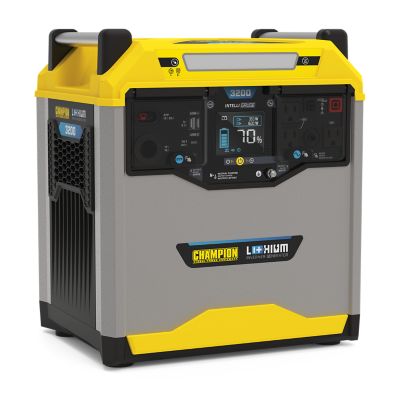
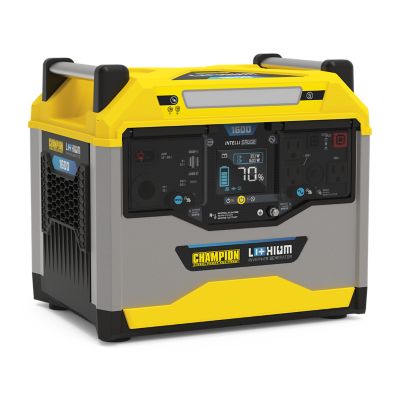
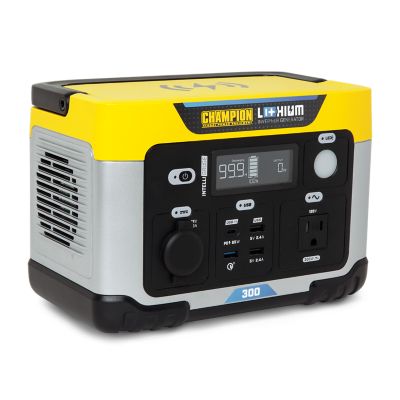
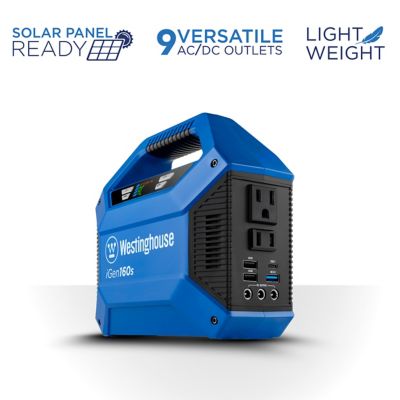
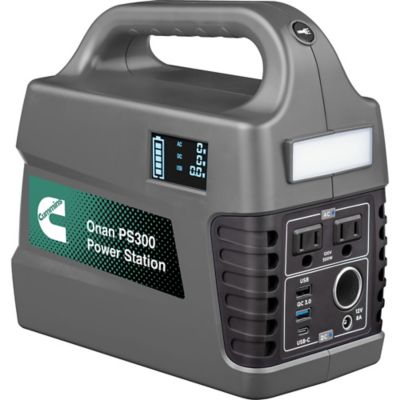
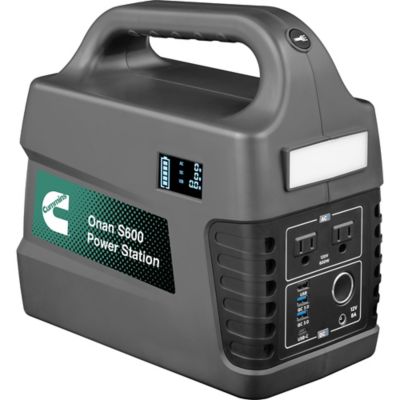
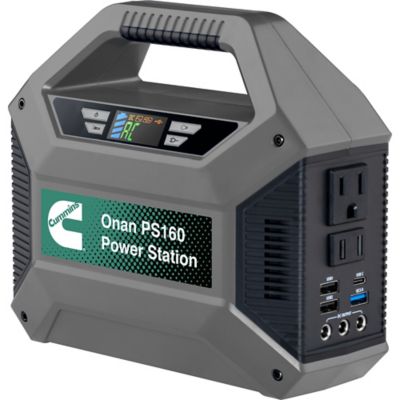
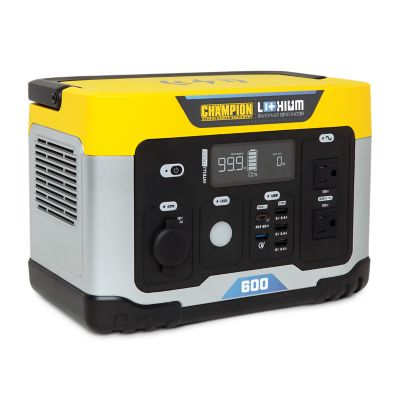
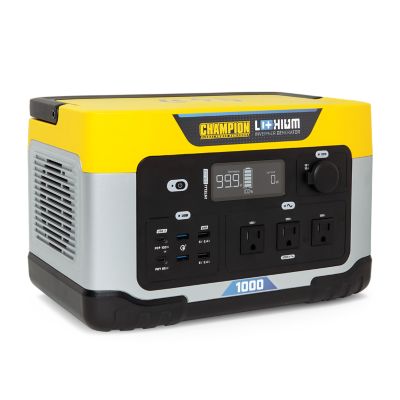
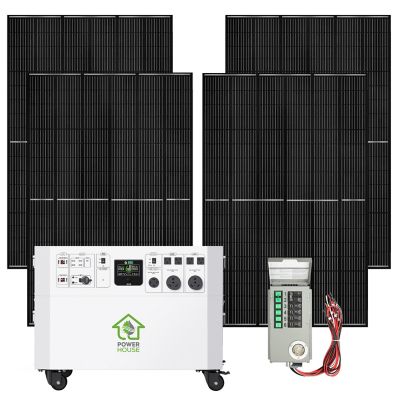
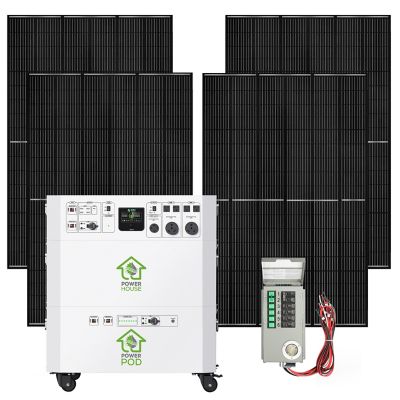
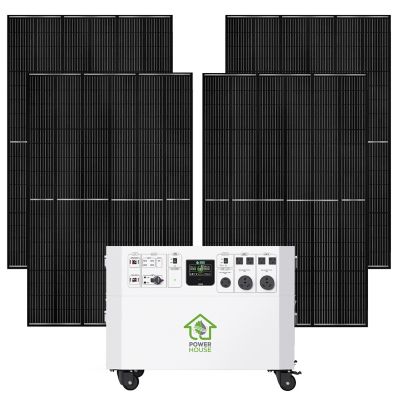
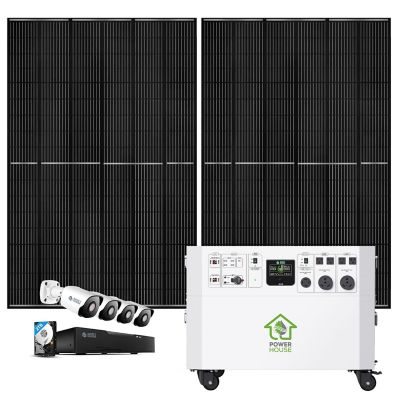
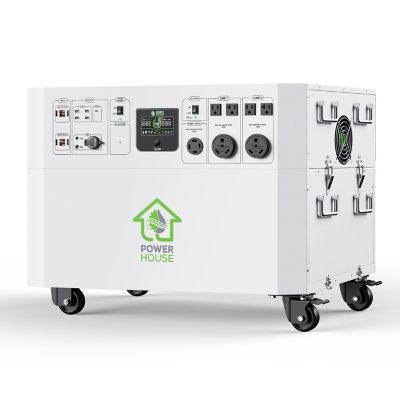
Solar generators for RV camping pair a rechargeable battery power station with compatible solar panels, giving travel trailers, fifth wheels and camper vans a way to power everyday essentials away from hookups. Unlike a fuel-burning generator, the power station supplies electricity without engine noise or exhaust at the point of use. That makes it a practical companion for a quiet campsite, a stop along a back road or a weekend parked near the fishing hole. The battery stores energy, the solar panels replenish it when sunlight permits, and an inverter converts battery power into household-style AC electricity. Many power stations also have USB and DC connections for charging devices without a separate wall adapter. Battery capacity, measured in watt-hours, describes stored energy, while output, measured in watts, determines which appliances can run together. Those numbers answer different questions: a larger battery generally supports longer runtimes, but it does not necessarily provide enough output to start a demanding appliance. A 1,000Wh battery supplying a steady 100W load has a theoretical ten-hour runtime before conversion losses, reserve settings and other demands reduce that figure. Actual results depend on the connected equipment and how it operates. A refrigerator cycles on and off, while a television, internet terminal or laptop may draw power for hours at a stretch. Coffee makers, microwaves and electric cooking appliances can draw considerably more power, even during short runs. Smaller portable setups can make sense for phones, rechargeable lights and occasional electronics, while longer stays and refrigeration call for closer attention to capacity and daily energy consumption. Pure sine wave AC output is a useful feature for many electronics and appliances, though equipment compatibility still matters. For folks keeping a camper ready for fishing trips, fairgrounds or visits with family, the best fit starts with the electrical loads that make the trip comfortable—not simply the largest wattage printed on the housing.
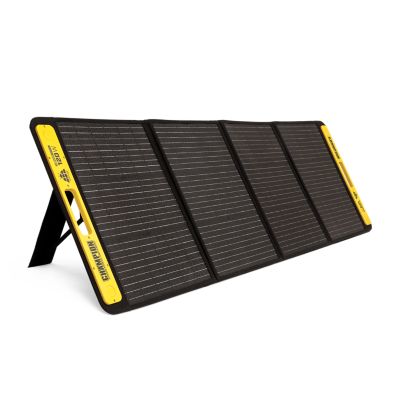
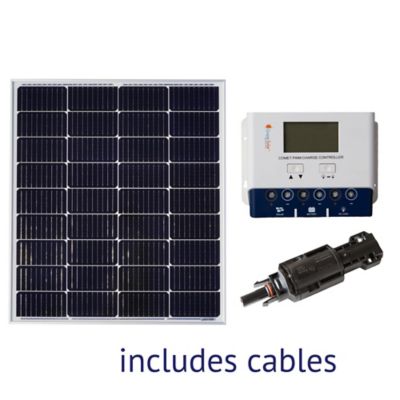
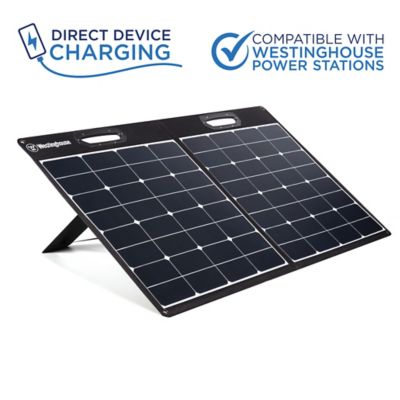
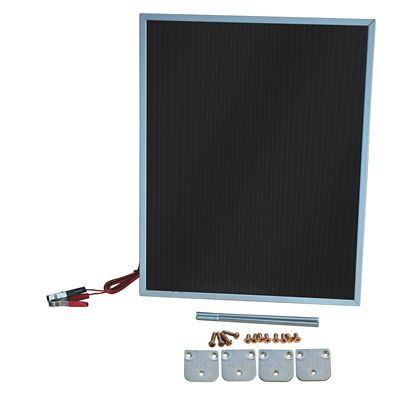
Solar charging depends on more than the panel wattage listed on the label. Panel placement, shading, the angle toward the sun and the power station’s solar input limits all affect how much energy reaches the battery. A 200W panel would need five hours at its full rated output to supply 1,000Wh before charging losses; real charging commonly takes longer because output varies throughout the day. A panel leaning against a picnic table may be convenient, but shade from the trailer, a tree limb or nearby equipment can cut production. Portable folding panels give campers flexibility to park the RV in one spot and position the panels somewhere with better sun exposure, within cable length and electrical limits. Rigid panels may suit an installed arrangement, with mounting hardware and roof compatibility becoming part of the fit. Panel construction varies, from framed glass designs to folding sections with fabric backing, so weight, handling needs and storage space deserve attention alongside electrical ratings. A folded panel needs somewhere protected during travel, and a larger power station needs a secure spot that will not block an aisle or shift against other gear. Carry handles, wheels and the weight of the battery can make a real difference when moving equipment between a pickup bed, storage compartment and campsite. Compatible connectors alone do not guarantee a match: panel voltage, current, polarity and the station’s permitted input range must also line up. An integrated solar charge controller manages incoming panel power, but it still has operating limits. Multiple panels require an approved arrangement rather than guesswork with adapters. Charging from a household outlet before departure can provide a full starting battery, and vehicle charging may offer another option when the equipment supports it. Systems with several charging methods give travelers more flexibility, but recharge times depend on the actual input accepted by the station, not just the capability of the source.
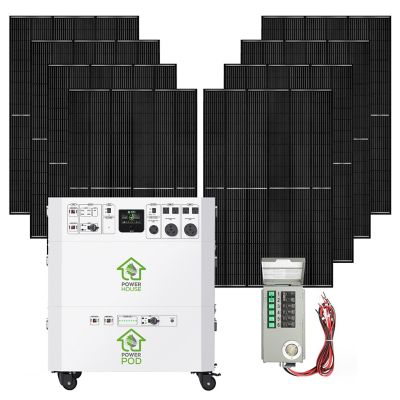
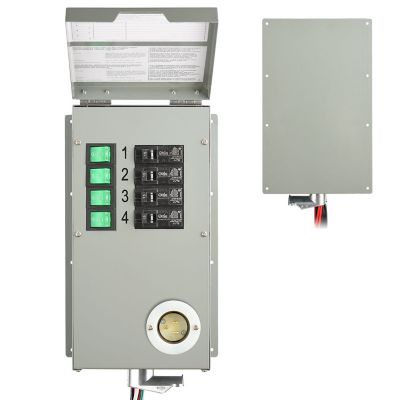
RV electrical connections deserve the same attention as battery size. A household-style outlet on a power station is not automatically a substitute for a campground pedestal, and an RV-style receptacle does not mean every appliance in the trailer can operate at once. Circuit ratings, inverter output and surge capacity still set the limits. Air conditioners can demand substantial starting power and draw down a battery quickly, so running one calls for equipment specifically matched to that load and enough stored energy for the intended runtime. Even a capable system may have little power left for cooking or other appliances at the same time. Direct connections to an RV inlet require properly rated, manufacturer-approved equipment; permanent integration and changes to trailer wiring belong with a qualified RV electrical professional. Power must never be fed backward through a wall outlet. For compatible 12V appliances, a suitable DC connection may reduce conversion losses, provided the outlet rating and appliance requirements match. Battery chemistry is another consideration: lithium iron phosphate batteries are common in this category, and their cycle-life ratings depend on stated test conditions, depth of discharge and care. Expansion batteries can increase storage on systems designed to accept them, though added capacity brings more weight and does not necessarily raise inverter output. A battery management system helps monitor operation, but it does not replace following charging, ventilation and storage requirements. Housings, corner protection and port covers help shield components during normal handling; they do not make every station suitable for rain, road spray or an enclosed compartment without airflow. Panels may carry a different water-resistance rating than the battery unit, so each component needs appropriate placement. Clean panel surfaces and sound cables help maintain performance, while secure transport keeps connectors from taking strain on rough roads. Between trips, storage charge levels and recharge intervals should follow the manufacturer’s directions. Campers splitting time between a trailer, a cabin and other places beyond hookups may also find a fit among
Solar Powered Generators for Off Grid. A setup that matches those everyday loads, travels comfortably and fits the RV’s electrical system can keep the essentials running without bringing more equipment than the trip calls for.