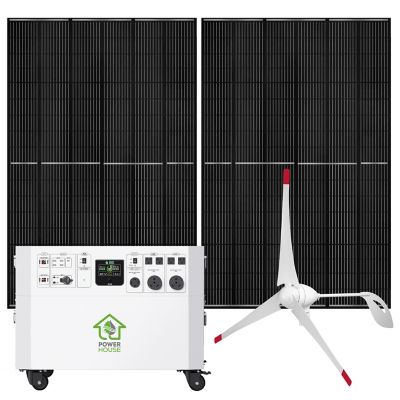
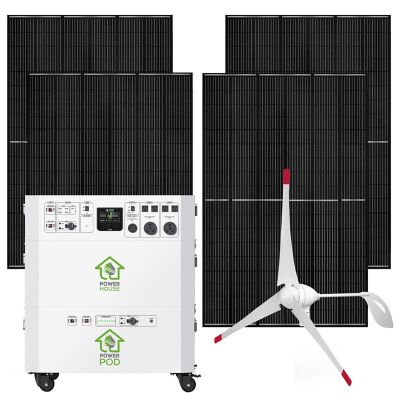
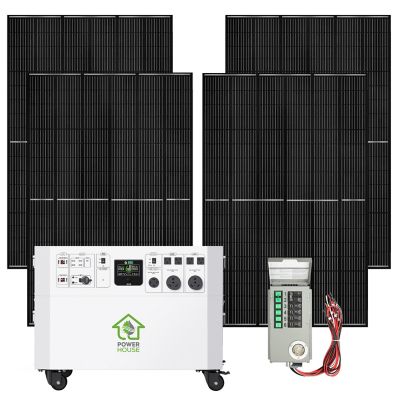
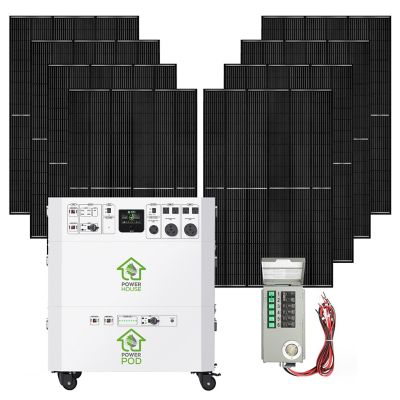
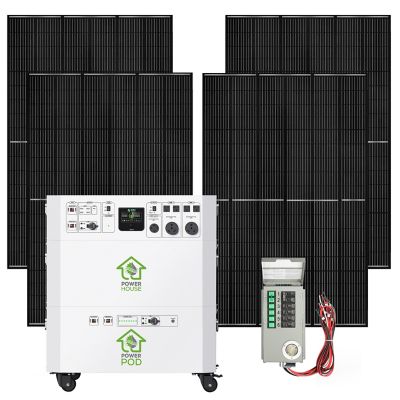
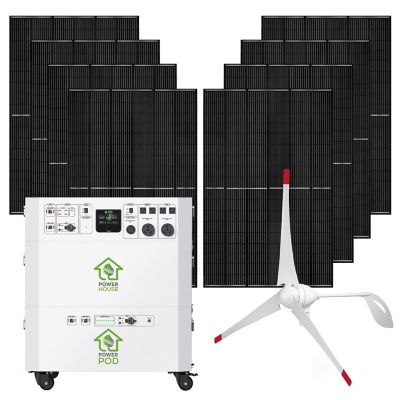
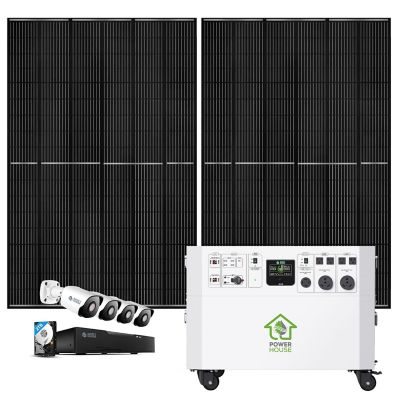
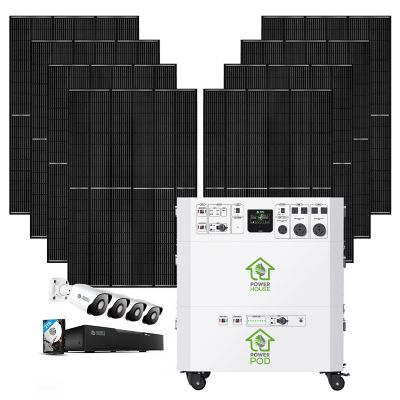
Solar-powered generators for off-grid living bring electricity to places where an outlet is a long way off, from a hunting cabin down a gravel lane to an RV parked beyond the campground hookups. These systems generally combine a rechargeable battery, an inverter, a charge controller and compatible solar panels. The panels collect energy from sunlight, the battery stores it, and the inverter supplies AC power for compatible equipment. Some systems include panels, while others require a separate panel setup, so the components included matter as much as the generator’s size. Unlike a fuel-burning generator, a battery power station produces no engine exhaust during operation and runs without a gasoline engine, although cooling fans can still make noise. That makes solar power a practical option for lighting a bunkhouse, charging phones and tool batteries, or keeping a suitable refrigerator running away from utility service. The right fit depends on both power output and stored energy. Watts describe how much power the system can deliver at one time; watt-hours describe how much energy its battery holds. A 100-watt load running for five hours needs 500 watt-hours before accounting for inverter losses and the system’s own power consumption. Actual runtime also depends on battery condition, operating settings and the appliance’s changing demand. A refrigerator cycles on and off, while a light left on draws power steadily. Electric cooking equipment and other high-draw appliances can drain a battery much faster than a few lights and phone chargers. For a cabin occupied several days at a time, the useful comparison is daily energy demand against both usable battery capacity and expected solar production. Enough stored power for an evening does not necessarily mean enough solar charging to support the same routine every day. A little reserve capacity leaves breathing room when chores run long, another device needs charging or the panels collect less energy than expected.
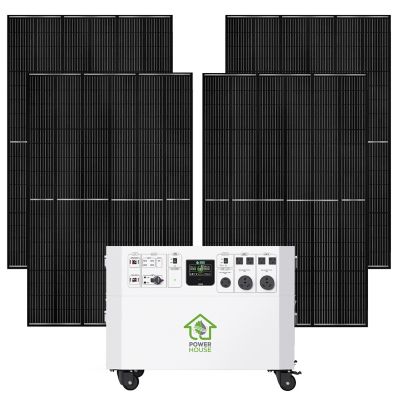
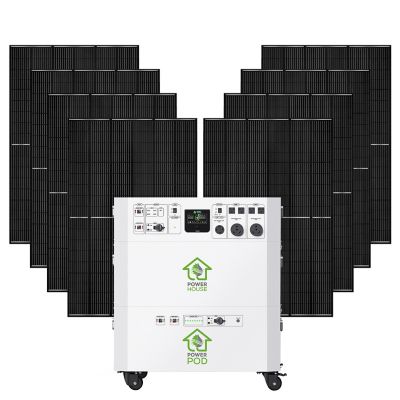
Battery chemistry and solar charging capability shape how well an off-grid power system fits regular life away from the grid. Lithium iron phosphate, often labeled LiFePO4 or LFP, is one type of lithium-ion battery chemistry found in portable power stations. It can offer a long cycle life, but service life still depends on the battery’s design, depth of discharge, charging habits and storage conditions. Cycle-life ratings are most meaningful when considered alongside the manufacturer’s stated test conditions and remaining-capacity threshold, rather than treated as a promise of a certain number of years. Expandable battery systems can hold more energy for longer stays, though extra batteries add weight and require connections approved for that system. More storage also needs enough charging capacity to refill it within the time available. Solar input ratings show how much panel power a station can accept, and those ratings are separate from its AC output rating. A high-output inverter does not necessarily come with a high-capacity solar input. Panel selection involves more than matching a wattage number: array voltage, current, connectors and the charge controller’s operating range all need to fall within the manufacturer’s specifications. Series and parallel panel connections change electrical characteristics, so they are not interchangeable arrangements. Panel ratings also reflect test conditions, not a guarantee of constant output throughout the day. Shade from a barn roof, tree branch or the RV itself can cut charging performance, and panel placement can make a noticeable difference. Foldable panels suit setups that move between camp and home, while rigid panels with metal frames may fit a planned mounting location better. Secure mounting, protected cable routes and room to position panels without blocking a walkway all matter around a working property. Some power stations also support charging from a wall outlet or vehicle connection, providing another way to prepare the battery before heading out. Those options can be handy, but regular off-grid operation still depends on balancing incoming energy with the loads drawing it.
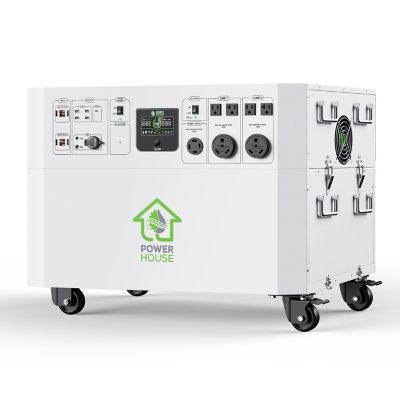
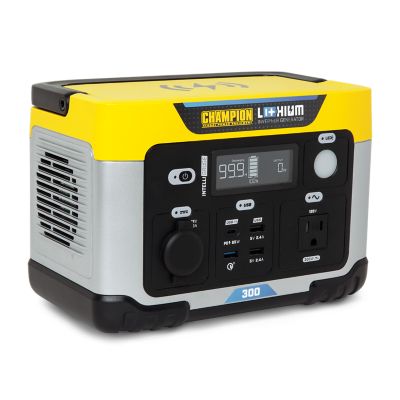
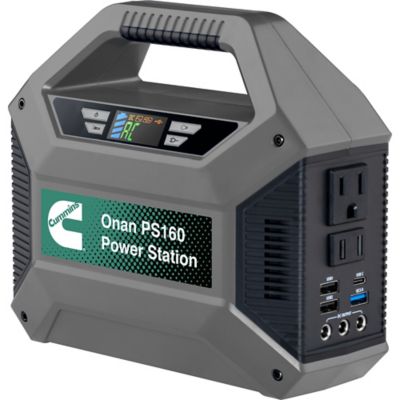
Electrical connections, carrying weight and everyday care deserve just as much attention as battery capacity. Continuous AC output needs to cover the equipment running together, while surge capability needs to handle brief startup demands from compatible motors and compressors. Surge ratings vary in how long they can be sustained, so a large peak-watt figure alone does not establish that a system will start a particular pump. Pure sine wave AC output is generally preferred for many appliances and electronics, with the equipment manufacturer’s requirements providing the final check. Standard 120-volt outlets do not establish support for 240-volt equipment; loads such as certain well pumps need the correct voltage, sufficient starting power and a system specifically designed for that connection. An RV-style receptacle likewise needs to match the trailer’s electrical requirements, not just the plug’s appearance. For lighter loads and easier hauling,
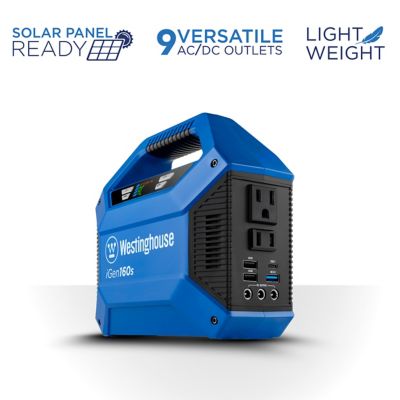
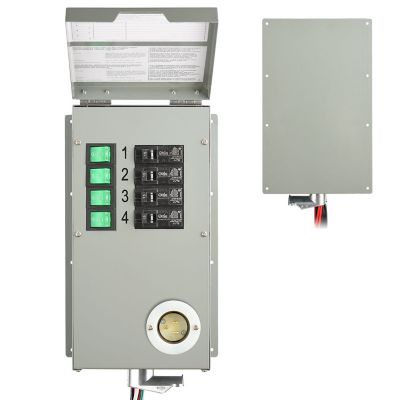
Compact Solar Generators can make sense for weekend outings, small cabin essentials and charging tasks around the property. Larger systems may call for wheels, a level standing area and a dedicated place near the equipment they serve. Molded housings, reinforced handles and protected ports can help with everyday handling, but a sturdy-looking case does not mean a power station is waterproof. Panel and power-station exposure ratings may differ. A dry, stable location with the specified ventilation clearance helps protect the electronics, and covered cable connections reduce exposure to moisture and dirt. Routine care includes checking cords for damage, keeping vents clear and following the maker’s storage-charge recommendations. Direct appliance connections suit many portable setups; connection to cabin or home wiring calls for compatible transfer equipment and installation by a qualified electrician. A power station must never feed building wiring through an ordinary wall receptacle. With the right electrical fit and a manageable charging routine, solar power can support the everyday essentials that make time beyond the power lines more comfortable.