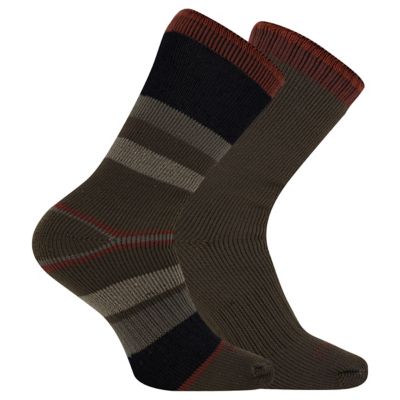
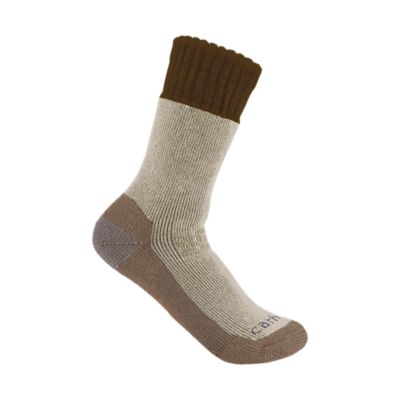
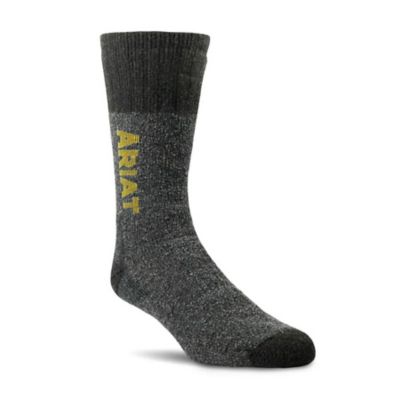
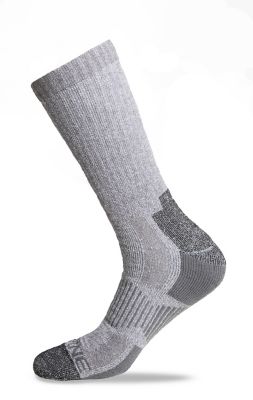
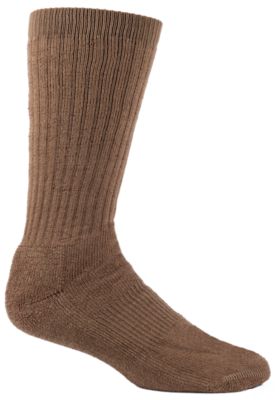
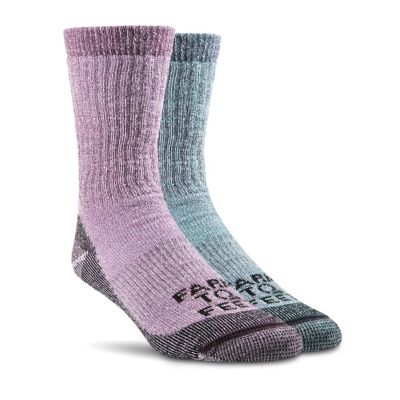
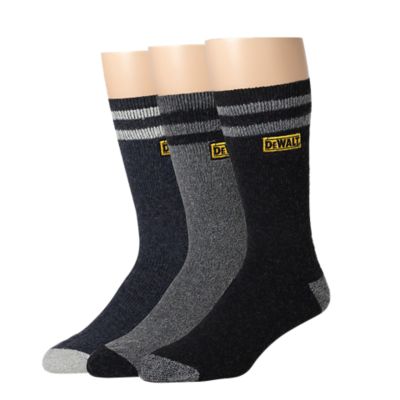
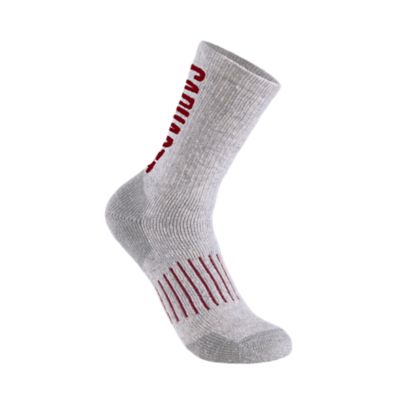
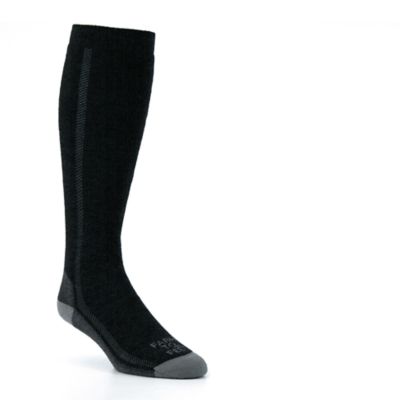
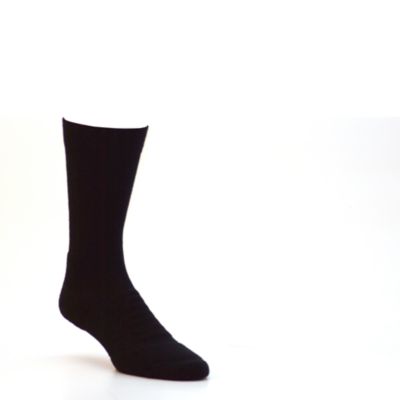
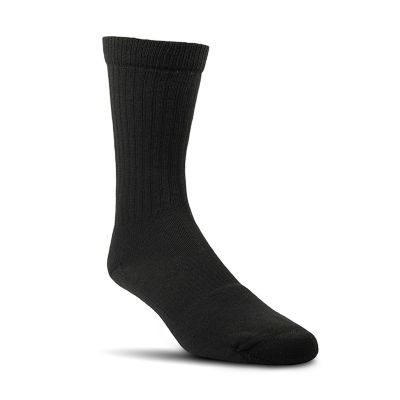
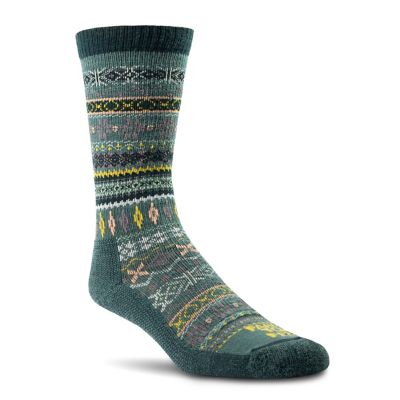
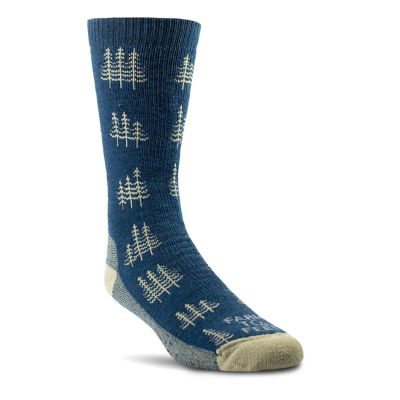
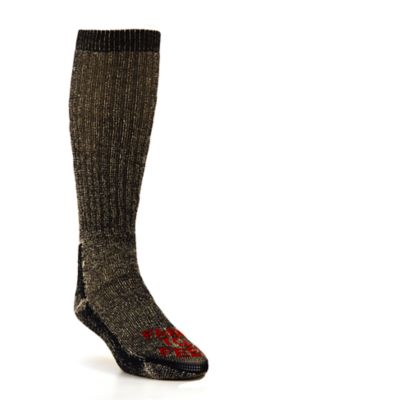
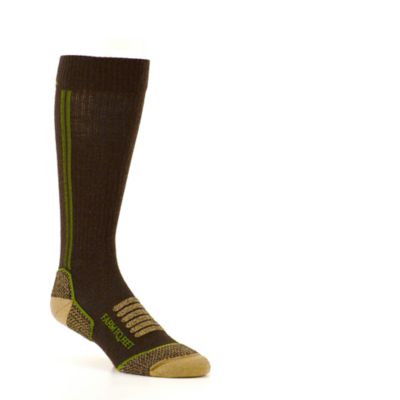
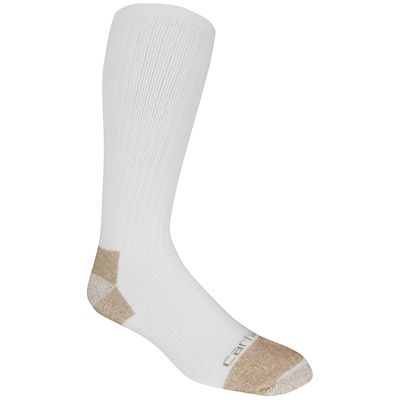
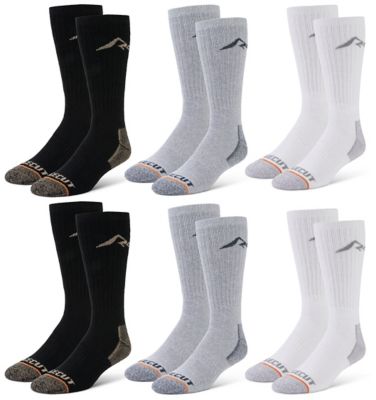
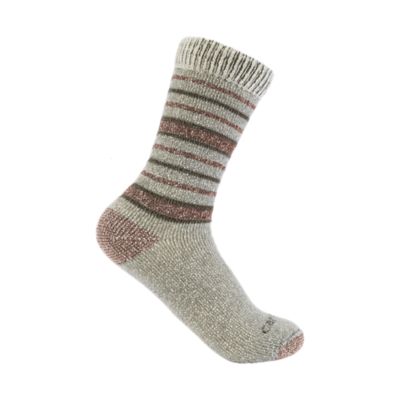
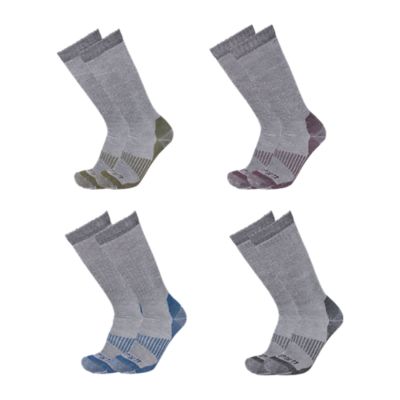
Wool socks for cold weather are a dependable choice when the day starts with frost on the truck windshield, a long walk across the pasture, or hours spent in a chilly barn, shop, or hunting blind. Wool helps insulate your feet by holding warm air close to the skin, while also moving moisture away from sweaty feet so dampness does not turn into a deep chill. That moisture control is one of the biggest advantages wool has over cotton, which can hold onto perspiration and leave feet cold once activity slows down. Modern Merino wool is made with fine fibers that feel much softer than the scratchy wool many folks remember, and alpaca blends are another warm, comfortable option with naturally insulating fibers. Wool can help regulate temperature in changing conditions, too, keeping feet warm outside without feeling overly stuffy when you step into a heated truck, feed room, or house. Natural odor resistance is useful during long workdays, travel, camping trips, and hunting seasons when changing socks is not always convenient. For the coldest weather, look for high-density or heavyweight wool socks with full cushioning, especially through the heel, sole, and toe. Extra cushioning adds comfort inside work boots and helps protect feet from hard ground, repeated steps, and boot pressure. Over-the-calf styles provide added coverage when snow, cold air, or tall boots leave the lower leg exposed, while crew and boot-height socks can be easier to wear with everyday shoes, casual boots, and mid-height work footwear. A pair of wool socks can also make a practical gift for anyone who spends time outdoors, including farmers, ranchers, hunters, hikers, campers, delivery drivers, maintenance crews, and people who work in unheated buildings. They are the kind of useful gift that gets pulled from the drawer again and again when the temperature drops.
Choosing the right pair starts with the job, the footwear, and how long your feet will be outside. Thin wool liner socks can provide moisture management and help reduce rubbing under a thicker pair, while medium-weight socks offer a flexible balance for daily chores, walking, travel, and general outdoor use. Heavyweight socks are better suited to very cold conditions, stationary activities, and roomy winter boots, but they should not make your footwear tight. Boots need enough space for your toes to move and for the wool to hold a layer of insulating air around your foot. If thick socks squeeze the foot or press tightly against the toes, circulation may be restricted and the insulation can be compressed, leaving feet colder instead of warmer. Try wool socks on with the boots you plan to wear, paying attention to the heel pocket, toe room, and any bunching across the top of the foot. A smooth toe seam can make a noticeable difference during a full day on your feet, especially when walking, climbing, or operating equipment. Reinforced heels and toes are helpful for work and outdoor use, while a secure cuff keeps the sock from sliding down inside a boot. For severe cold, a thin Merino wool liner under a thicker wool sock can add warmth and manage moisture, provided the boot still has enough room and does not feel cramped. Wool socks also pair well with
Winter Work Socks when the goal is dependable comfort during cold-weather chores. Consider the amount of cushioning you prefer, the height of your boots, and whether you need a light everyday sock or a serious layer for freezing temperatures. Someone working hard and building heat may be more comfortable in a medium-weight pair, while a person sitting in a deer stand, checking livestock before daylight, or clearing snow may appreciate thicker insulation.
Proper care helps wool socks keep their shape, softness, and moisture-wicking performance through many cold seasons. Check the care label first, since blends and construction can vary, but many wool socks do well when washed inside out in cool water on a gentle cycle. Avoid fabric softener, which can coat the fibers and interfere with wool’s ability to move moisture. A mild detergent is usually a better choice, and socks should be dried according to the label; low heat or air drying helps reduce the chance of shrinking and keeps elastic from wearing out too quickly. Letting damp socks dry fully between wears is especially important after muddy chores, long hikes, or a day in wet boots. It can help to keep an extra pair in a truck, tool bag, or coat pocket so wet socks can be changed before feet get cold. Rotate several pairs rather than wearing one pair day after day, and inspect the heel, toe, and cuff for thinning before a small worn spot becomes a hole. Wool socks for cold weather are useful well beyond outdoor work. They can warm feet during early-morning errands, weekend camping, tailgate gatherings, travel over snowy roads, or quiet evenings on a porch as the air turns crisp. They make a thoughtful present for a new homeowner, college student, outdoor enthusiast, or anyone who enjoys practical gear that brings everyday comfort. With the right weight, fit, and boot combination, wool socks help feet stay warm, dry, and ready for the work and adventures that come with the cooler months.