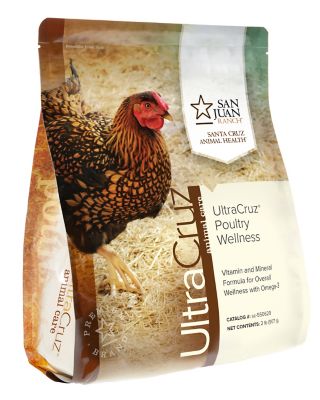
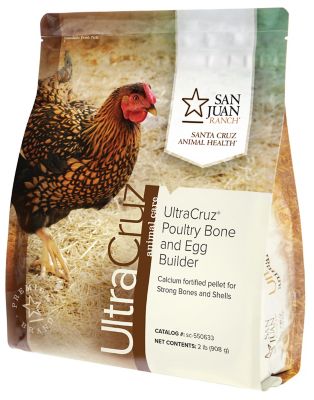
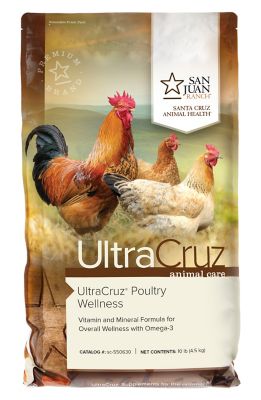
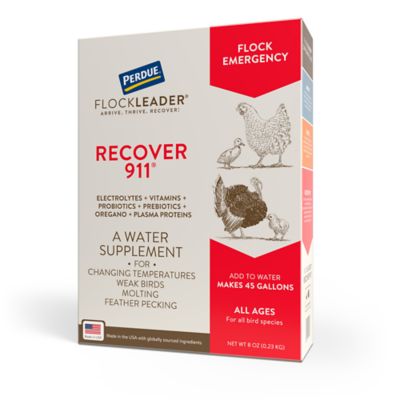
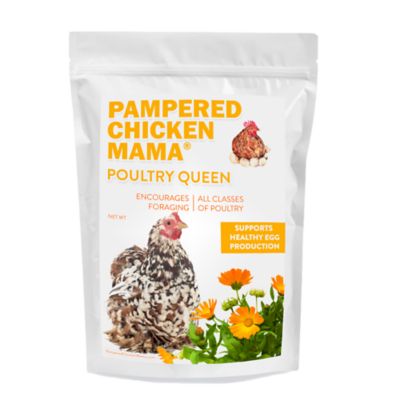
Chicken vitamins are feed supplements that provide nutrients involved in normal growth, bone development, feather production, and everyday body functions. They come in several forms for backyard flocks, laying hens, growing birds, and other poultry, with labels that spell out the intended species and life stages. For most healthy chickens, a complete feed matched to their age and purpose already supplies the vitamins they need. Extra supplementation makes the most sense when there is a specific nutritional concern or a veterinarian recommends additional support, rather than as an automatic addition to every feeder or waterer. Vitamin A supports normal vision and the tissues lining the respiratory and digestive tracts. Vitamin D3 helps the body absorb and use calcium, making it important for bone development and eggshell formation. Vitamin E supports normal muscle and nervous system function and helps protect cells from oxidative damage, while vitamin K plays a role in normal blood clotting. B vitamins, including thiamine, riboflavin, niacin, and B12, contribute to energy metabolism, nerve function, and other essential processes. Those roles explain why poultry vitamin formulas can look quite different from one another: a broad multivitamin blend and a supplement centered on a particular nutrient are not interchangeable. Vitamins also do not replace protein, calcium, phosphorus, or the other building blocks supplied by a balanced ration. A hen laying thin-shelled eggs, for example, may have a concern involving her overall diet, age, or health rather than a simple need for more vitamin D3. The right fit depends on what the flock eats, which birds will receive the supplement, and what the label says it is meant to support. For the keeper gathering eggs before chores or raising a small group of pullets behind the barn, that means looking beyond the word “vitamins” and considering the whole feeding routine. Scratch grains, table scraps, and time spent foraging can add variety, but they do not provide the same nutritional balance as a complete poultry ration.
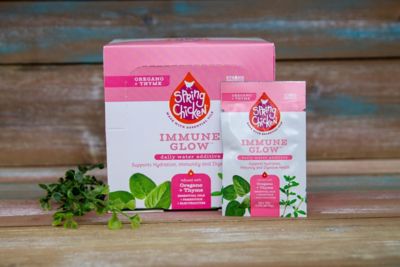
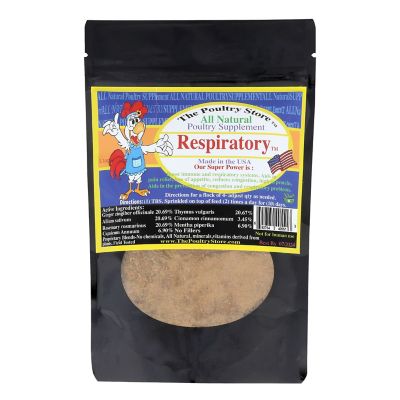
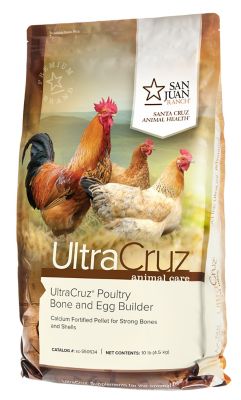
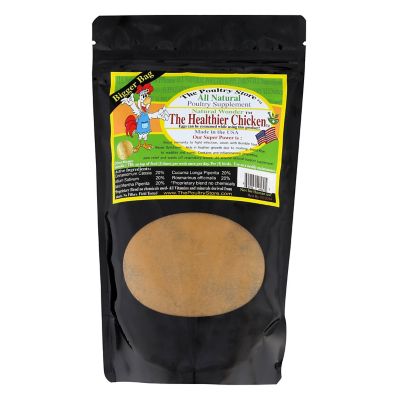
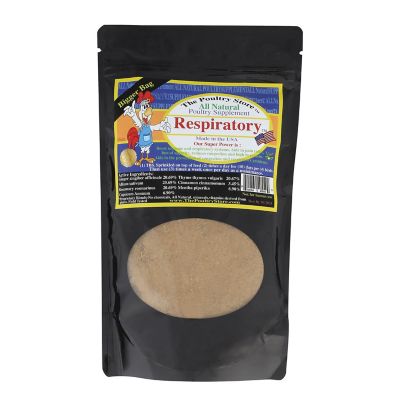
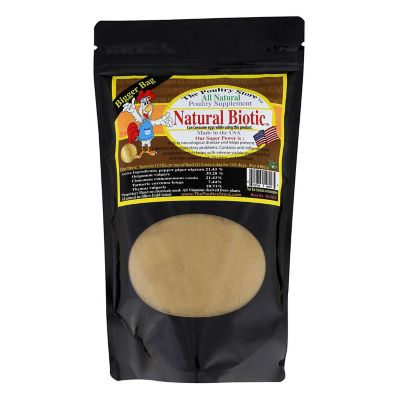
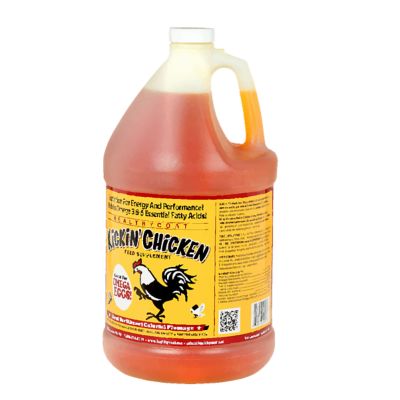
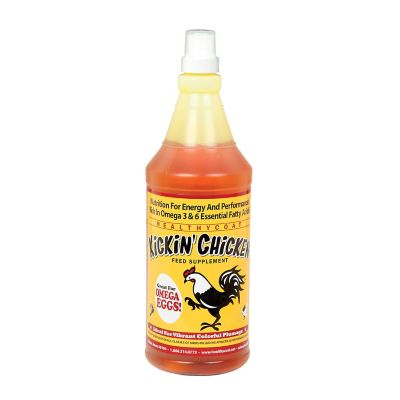
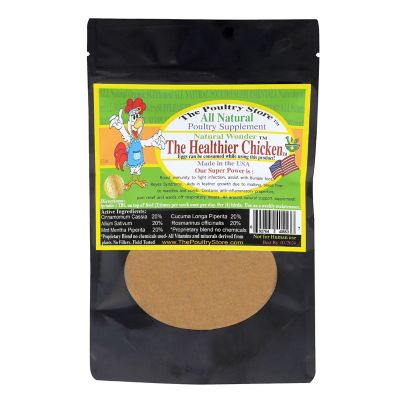
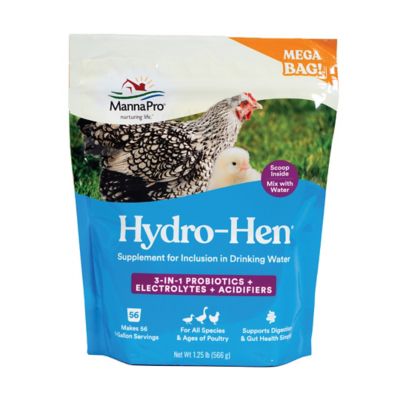
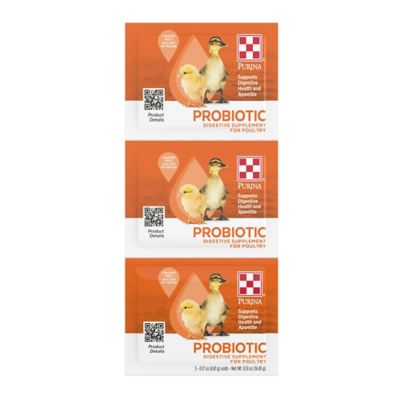
Powders, liquids, and feed-mixing supplements offer different ways to fit chicken vitamins into daily chores. Water-soluble powders and liquid concentrates are intended for dilution according to the package directions, while other formulations are designed for measured incorporation into feed. The distinction matters: a supplement intended for drinking water should not automatically go into the feeder, and a feed supplement may not dissolve properly in a waterer. Clear directions, a readable measuring scale, and a package that closes securely all make handling easier around the coop. For a small flock, the amount needed for a single waterer can be more relevant than the total package size. Mixing instructions should match a volume that can be measured without guesswork, especially when only a few birds share the drinker. Concentration matters as much as convenience, since adding extra powder or liquid does not necessarily provide extra benefit. Some blends combine vitamins with minerals, amino acids, or electrolytes, so the full ingredient list gives a better picture than the front label alone. Vitamin blends and
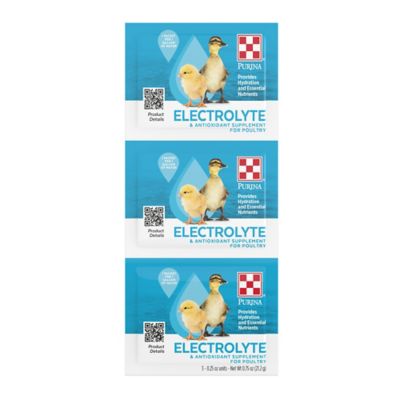
Chicken Electrolytes serve different purposes, even when they appear together in one formula. Vitamins support metabolic functions, while electrolytes help maintain normal fluid and mineral balance. Neither takes the place of a balanced ration or access to drinking water. Compatibility with the flock’s waterer also deserves attention, including whether the label specifies restrictions for certain container materials or watering systems. Mixed solutions have their own freshness limits, and label directions may call for replacement at a stated interval. Birds do not all drink the same amount, so delivery through a shared waterer cannot guarantee that each chicken receives an identical dose. A small chick, an active pullet, and a full-grown rooster can have different intake patterns. That makes labeled age ranges, flock suitability, and mixing directions especially important when choosing a formula for birds housed together.
The intended use of chicken vitamins can range from filling a confirmed dietary gap to providing short-term nutritional support under veterinary guidance. Transport, changes in feed intake, molting, and recovery from illness are situations in which a flock keeper may have questions about supplementation, but none automatically means every bird needs an added vitamin blend. Feather replacement, for instance, also depends on adequate dietary protein; vitamins alone cannot supply the material needed to grow feathers. A chicken that stays on the roost while the rest of the flock heads for the feeder needs more than a bottle chosen by symptom. Poor appetite, weakness, difficulty walking, or an unusual head position can have several causes, including conditions that require prompt veterinary attention. Supplements are not substitutes for diagnosis or treatment, and vitamin K does not prevent or treat coccidiosis. More is not always better, either. Fat-soluble vitamins such as A and D can build up in the body, and combining several fortified supplements can create excessive intake. Water-soluble vitamins still need to follow labeled amounts and schedules. For laying flocks, labeling should address suitability for birds producing eggs for people to eat, including any applicable restrictions. Handling and storage are part of the purchase decision as well. Original packaging keeps the ingredient panel, lot information, expiration date, and directions together, while a tight closure helps protect the contents from moisture and contamination. A dry storage spot away from direct sunlight, feed spills, children, and animals helps keep supplements separate from everyday coop supplies. Clean measuring tools and containers help prevent bedding dust or dirty water from getting into the package. Whether the flock numbers six hens or several dozen birds, a useful supplement is one that fits a clearly identified need, works with the existing feeding setup, and comes with directions the keeper can follow consistently. Complete feed, clean drinking water, and attention to each bird’s behavior remain the foundation; chicken vitamins have a supporting role when the flock’s needs call for them.