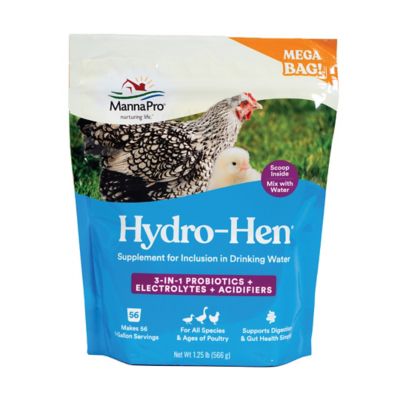
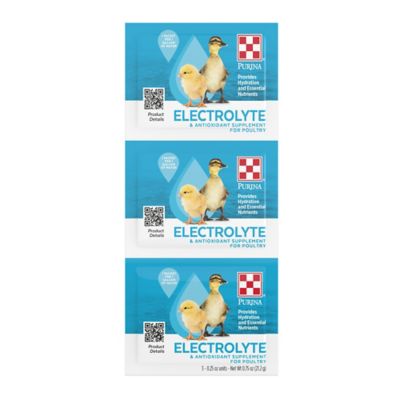
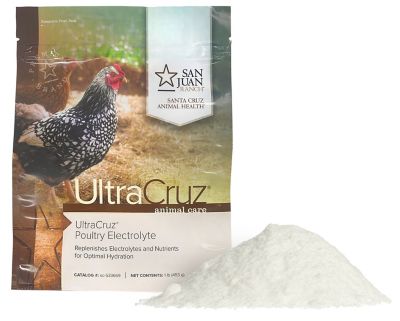
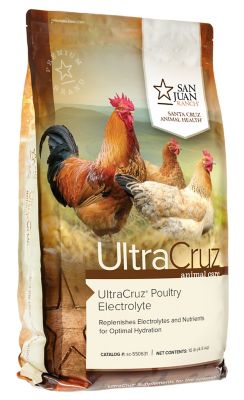
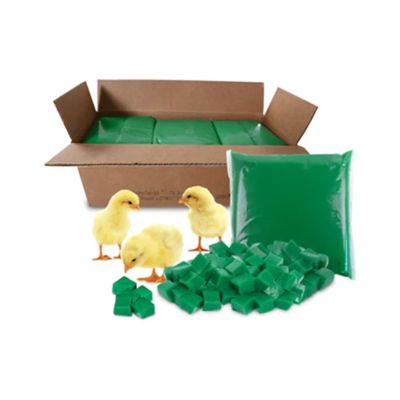
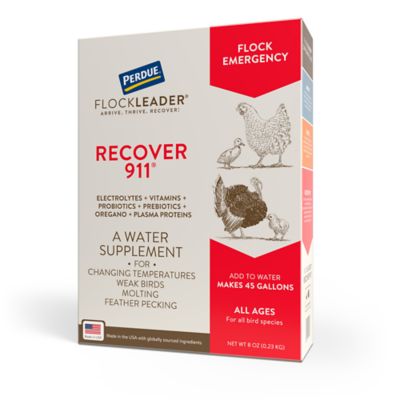
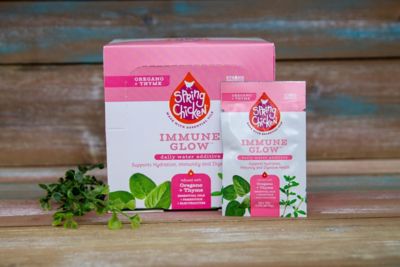
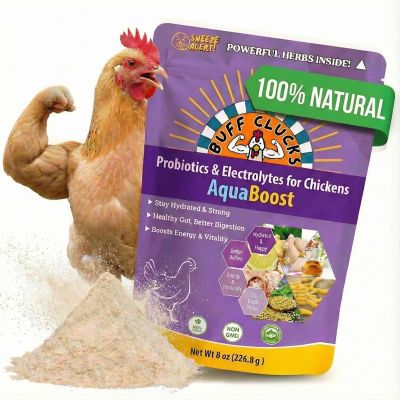
Chicken electrolytes are poultry supplements that supply minerals to help support hydration and normal fluid balance. Sodium, potassium, and chloride are common electrolytes, and they also play a part in nerve signaling and muscle function. For backyard flock keepers, homesteaders, and folks raising birds for eggs or meat, these supplements can have a place alongside other poultry care supplies. Their intended role is targeted support, not a replacement for complete feed, fresh drinking water, or veterinary care. Transport, shipping, and other stressful events can affect a bird’s drinking habits, and a poultry-labeled electrolyte supplement may be appropriate for a limited period when its directions fit the situation. A group of newly arrived chicks settling into a brooder has different needs from mature hens returning from a poultry show, so the label’s age and species information matters. Electrolytes do not make every tired bird perk up, and a hen hanging back from the feeder may need more than something added to her water. Persistent weakness, unusual droppings, difficulty breathing, or a bird that will not drink calls for prompt attention from a veterinarian who treats poultry. Even when hydration support is appropriate, plain, clean water remains the flock’s everyday drink. Routine electrolyte supplementation without a clear reason can upset mineral balance, particularly when the solution is stronger than the label directs. That makes intended duration just as important as the ingredient list. Some formulas are meant for brief periods of stress, while others have directions tailored to particular life stages or circumstances. A supplement with clear poultry directions helps flock keepers match the formula to the birds rather than guessing from a general livestock label. For a small coop or a larger setup with several pens, the best fit is a formula that matches the flock’s needs and can be measured consistently for the amount of water being prepared.
The differences among chicken electrolyte supplements start with their ingredients, concentration, and preparation requirements. Water-soluble powders and liquid concentrates offer different ways to prepare drinking water, while package size and measuring tools can affect how easily a supplement fits into daily chores. A small packet may suit an occasional batch, while a resealable container requires careful measuring each time it is opened. Neither format removes the need to follow the stated dilution. Too little water can create an overly concentrated solution, and extra powder does not mean extra benefit. Directions should make the amount of supplement, the volume of water, and the length of use clear. Formulas may also contain vitamins, sugars such as dextrose, or other added ingredients. Those additions serve different purposes: sugars can provide a readily available energy source, while vitamins support their own nutritional functions. They do not turn an electrolyte supplement into a complete ration. Comparing labels helps separate mineral support from broader nutritional supplementation and avoids doubling up on ingredients already present in other flock supplements. Chicken-specific labeling still matters when comparing
Electrolyte Mixes, since a formula intended for another animal may have different concentrations and directions. Age suitability deserves the same attention. Newly hatched chicks, growing pullets, laying hens, and mature roosters should receive only supplements whose labels cover their intended use. For laying flocks, any restrictions concerning eggs for consumption also belong in that comparison. Medication, additional vitamins, or other water additives should not share the same drinker unless the labels or a veterinarian confirm that the combination is appropriate. Mixing several supplements together can change the final concentration and make it harder to know what each bird is taking in. Straightforward directions and readable measurements are especially helpful when more than one person handles feeding and watering, whether chores fall to a family member before school or a neighbor looking after the flock during a trip.
How an electrolyte supplement fits the watering setup matters as much as what is inside the package. A small brooder drinker and a larger flock waterer hold very different volumes, so preparation should follow the actual amount of water rather than an estimate based only on bird count. Solutions also need to work with the chosen equipment. Fine passages in nipple drinkers and automatic watering systems call for attention to solubility and any equipment restrictions on the label. Food-contact surfaces, seals, and fittings should be suitable for the prepared solution, with care directions followed for both the supplement and the drinker. Clean equipment is especially important when a formula contains sugars or other nutrients that can leave residue. Shavings kicked into a chick waterer, feed dust around the rim, and buildup inside a reservoir are reasons to keep washing and rinsing part of the routine. Prepared electrolyte water should be refreshed according to the label, not left indefinitely because the container still looks full. The dry powder or concentrate needs its own care, too: a tightly closed package, protection from moisture, and a clean measuring tool help keep the contents in the condition intended by the manufacturer. Original packaging keeps directions, expiration information, and handling precautions close at hand. Beyond the container, the flock’s behavior tells an important part of the story. Several drinkers spread through a pen can give timid birds room to drink without squeezing past a bossy hen. Watching whether birds approach the water, swallow normally, and continue eating is more useful than assuming a filled waterer means every bird is getting enough. A chicken that cannot stand or drink needs individual attention rather than a stronger batch for the whole flock. With the right poultry labeling, careful preparation, and sensible limits on duration, chicken electrolytes can serve as a practical short-term addition to a flock-care routine built around balanced feed, clean water, and close observation.