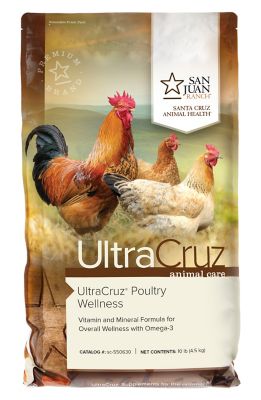
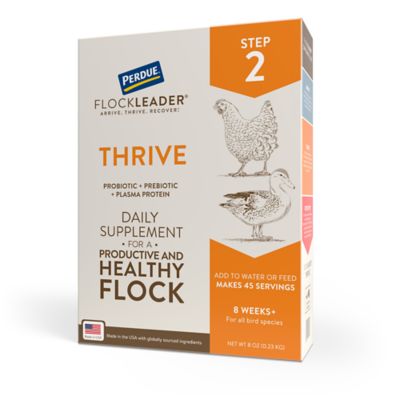
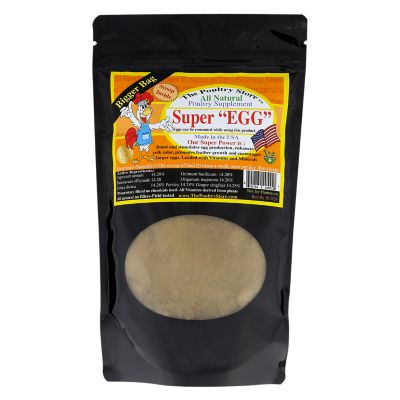
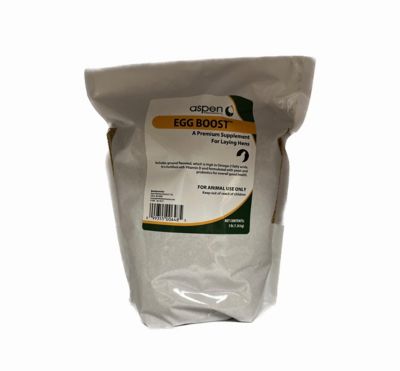
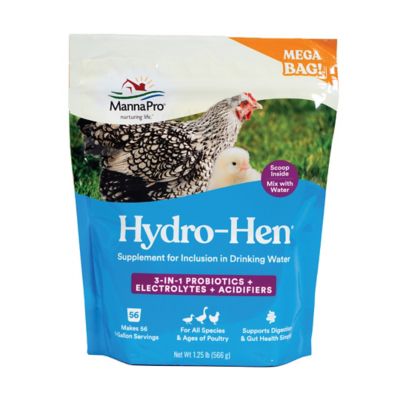
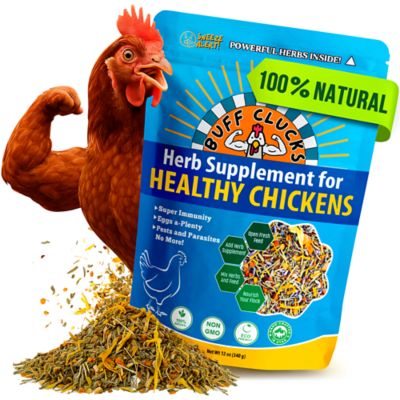
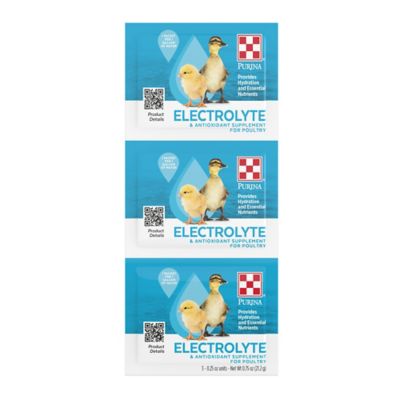
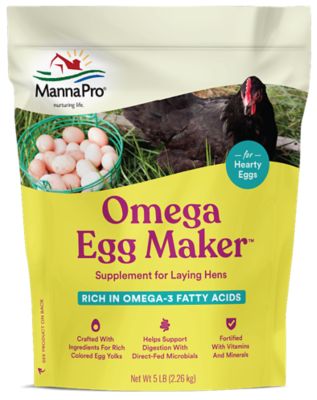
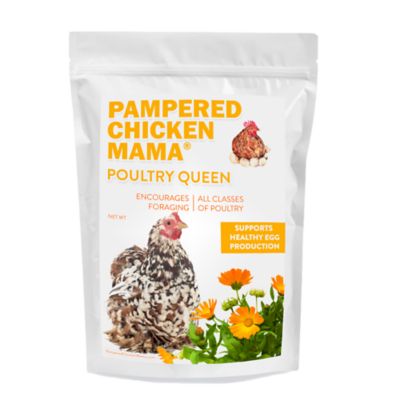
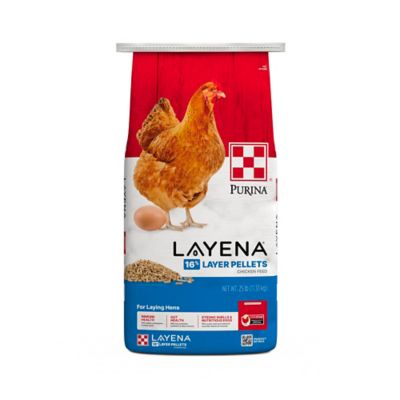
Powder chicken supplements add targeted nutrients or other dietary support to a flock’s regular feeding routine. Depending on the formula, they may contain vitamins, minerals, amino acids, probiotics, electrolytes, or a combination of these ingredients. Some powders mix into feed, while water-soluble formulas dissolve in drinking water according to the label directions. For backyard chicken keepers and folks tending a larger laying flock, the main consideration is matching that added support to the birds’ age, diet, and needs. A complete poultry feed remains the foundation; supplements are not a replacement for balanced nutrition, fresh water, or sound coop management. Vitamin blends may include vitamins A, D3, E, K, and B-complex nutrients, each with different roles in normal body function. Vitamin D3 helps birds use calcium, while calcium itself is important for eggshell formation. That does not mean every flock needs extra calcium or a broad vitamin blend. Chicks, growing pullets, laying hens, and roosters have different nutritional requirements, and a supplement suitable for adult layers may not suit every bird sharing the run. A mixed-age flock calls for particular attention to feeding arrangements and label restrictions. For hens eating a complete layer ration, any additional calcium should fit the overall diet rather than simply add more to every scoop. Powdered calcium supplements also differ from coarse oyster shell offered separately for laying hens; their directions and feeding methods are not interchangeable. Neither takes the place of insoluble poultry grit, which helps the gizzard grind certain foods. When eggshells become thin or egg numbers drop, nutrition is only part of the picture. Age, laying cycle, access to feed, and health can all play a role. The most useful powder chicken supplement is one that addresses a clear dietary purpose without piling unnecessary nutrients onto an already balanced ration.
Feather condition, digestive support, and hydration are other common reasons chicken keepers consider powdered supplements. Feathers are largely protein, so growing new plumage depends on sufficient dietary protein and the right amino acids, including methionine and lysine. During a natural molt, a hen may put more nutritional resources toward feather replacement and lay fewer eggs. A feather-support powder may provide selected nutrients for that process, but its value depends on what the flock already eats and how the formula fits the complete ration. For options focused on plumage and feather growth,
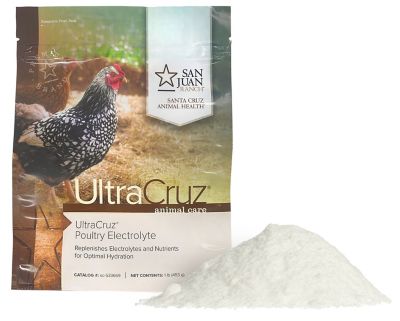
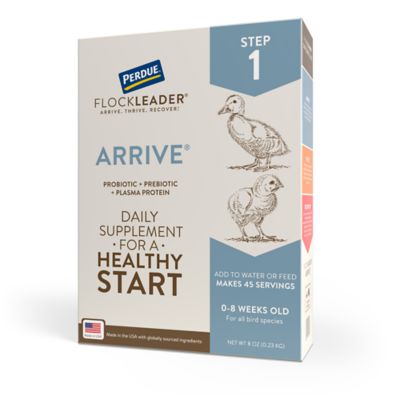
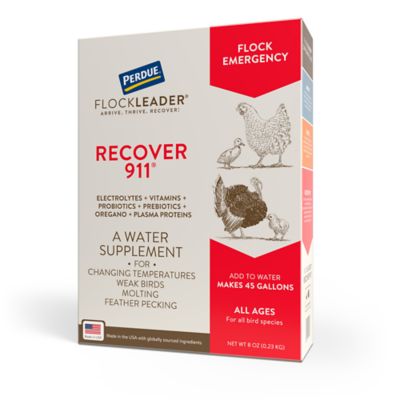
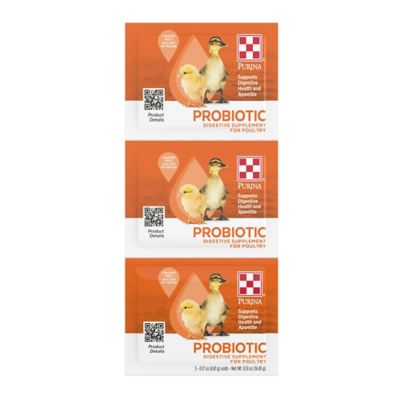
Chicken Feather Support Supplements offers a related category to consider alongside the flock’s everyday feed. Bare patches do not always point to a nutritional gap, though. Pecking, parasites, rubbing, and other problems can also damage feathers, so a powder alone may not address the cause. Digestive-support formulas serve a different purpose. Probiotic powders supply specific live microorganisms intended to support the normal microbial balance in the digestive tract, while some blends also contain prebiotic ingredients that help nourish beneficial bacteria. Labels may identify the organisms and their counts, which makes the ingredient panel more helpful than a broad claim on the front of a package. Electrolyte powders, sometimes paired with vitamins, are generally intended for particular situations rather than automatic, ongoing addition to every waterer. Transport or another demanding event may be a reason to consider one when its label supports that purpose. These categories are not interchangeable, and combining several blends can duplicate ingredients. Plant-based powders also vary widely in composition; garlic, oregano, or other herbs should not be treated as substitutes for parasite control or veterinary treatment. Persistent loose droppings, breathing trouble, poor appetite, or a sudden change across several birds deserves attention from a poultry veterinarian rather than repeated changes in supplements.
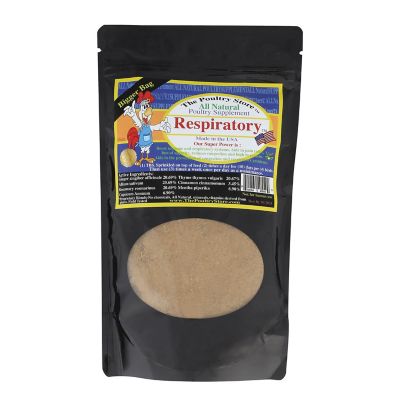
The way a powder fits into daily chores matters just as much as its ingredient list. At the feed bin, a small measured serving needs even distribution so one hen does not get a concentrated mouthful while another gets almost none. A feed-mixing formula should state how much powder belongs in a given amount of ration, and those directions may differ from a water-soluble formula measured by drinking-water volume. The package scoop, when supplied, belongs with that formula; a scoop from another container may hold a different amount. Where directions call for weight, a suitable scale is more useful than guessing with a kitchen spoon. Fine powders can drift when poured, so careful handling in a sheltered spot helps keep them out of eyes and limits breathing in dust. For drinking-water supplements, solubility and compatibility with the flock’s waterer deserve attention, especially with narrow passages or nipple systems. Not every powdered ingredient dissolves, and material settling at the bottom can lead to uneven intake or interfere with equipment. Freshly prepared water, clean containers, and replacement at the interval stated on the label help keep the routine on track. Birds also need enough waterer space to drink normally without crowding. Storage is another practical consideration around a coop or feed room: a tightly closed container, a dry measuring scoop, and protection from moisture and pests help preserve the contents. Original packaging keeps feeding directions, expiration information, and any cautions close at hand, while storage away from children and other animals reduces mix-ups. Package size should suit the flock’s consumption and the labeled shelf life rather than leave an open container sitting for ages. Clear serving directions, appropriate life-stage labeling, and a formula that works with the existing ration make powdered supplements easier to manage. Whether the daily round involves a few hens scratching beside the barn or a bigger flock gathering at the feeder, a well-matched supplement has a defined job within the feeding routine—not a promise to solve every coop problem.