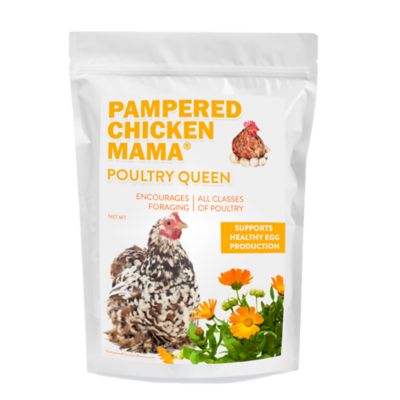
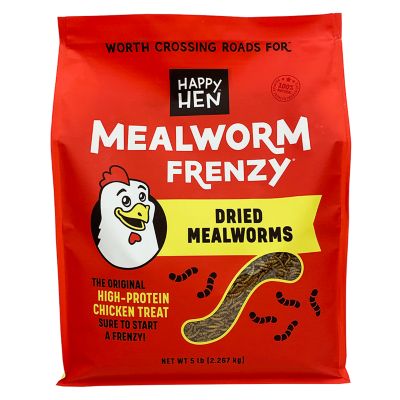
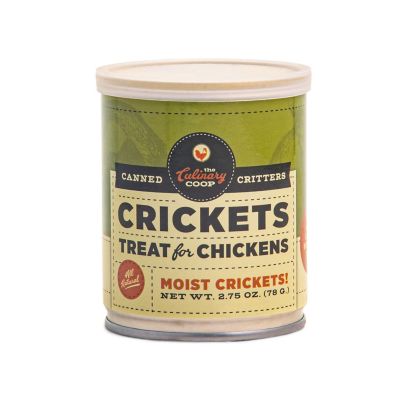
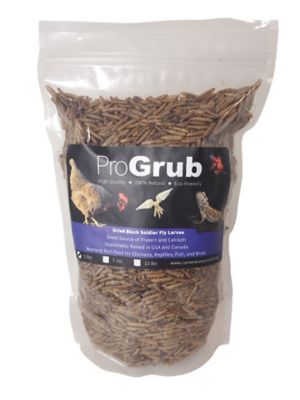
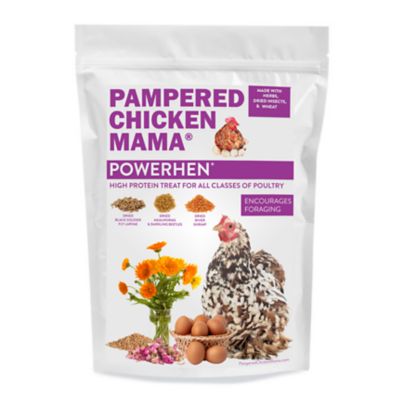
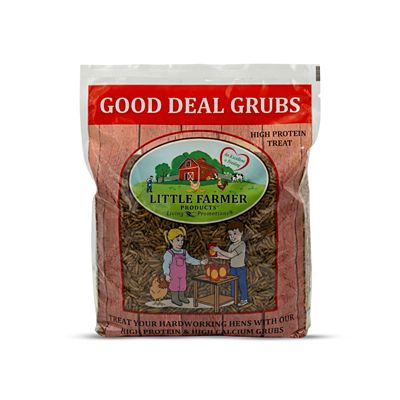
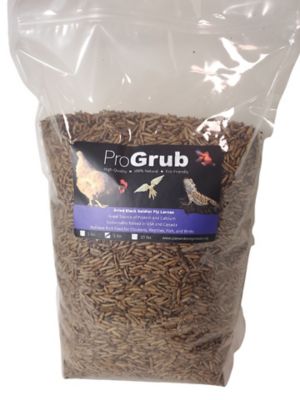
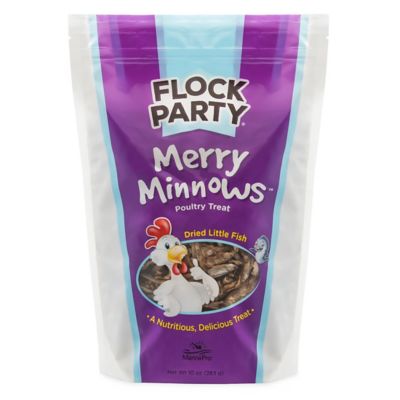
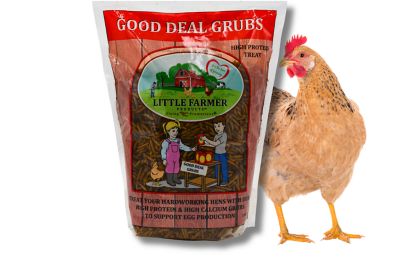
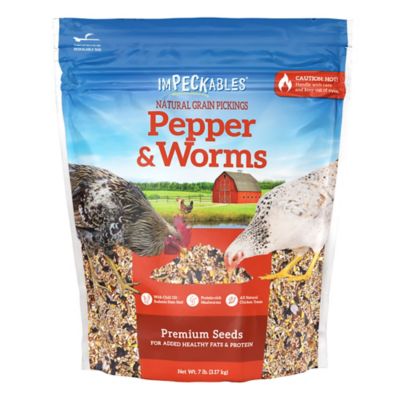
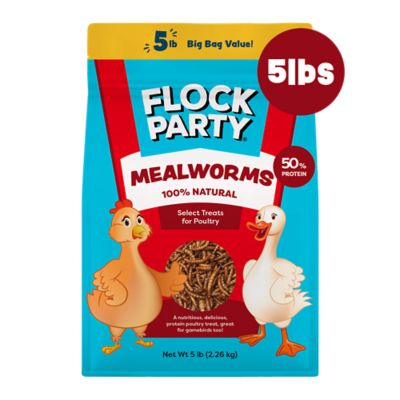
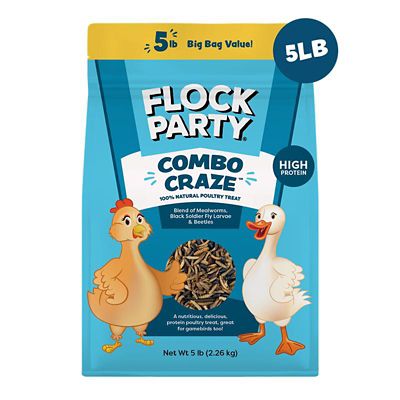
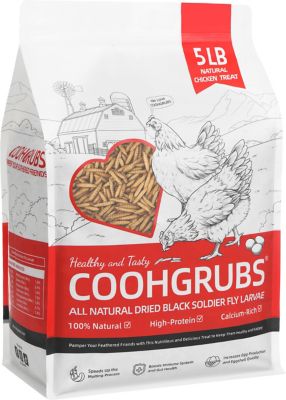
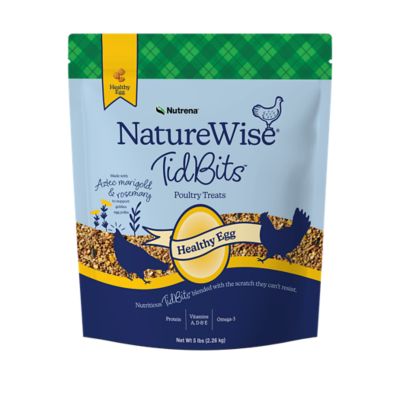
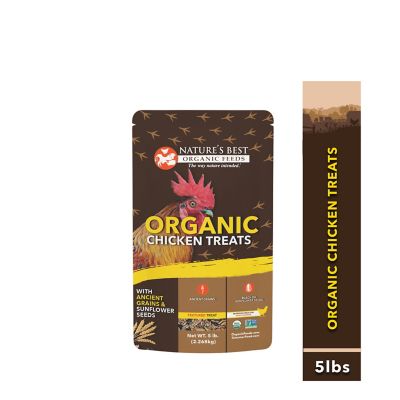
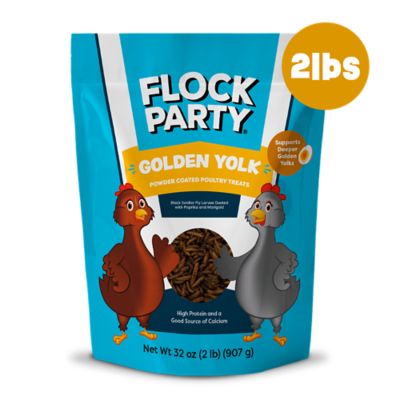
High-protein chicken treats bring a little extra nutrition and plenty of interest to a backyard flock’s daily routine. For hens scratching around a fenced run, a small serving of dried insects or a poultry treat blend offers something worth pecking at between trips to the feeder. These snacks are meant to complement complete chicken feed, not take its place. Protein supplies amino acids that chickens need for muscle maintenance, feather growth, and normal body functions, while the flock’s regular ration provides the broader balance of nutrients appropriate for its age and purpose. Common protein-rich chicken treat ingredients include dried mealworms, black soldier fly larvae, and seeds, though their nutritional profiles vary considerably. Some dried insect treats contain around 50% crude protein, but the guaranteed analysis on the package is the place to check the actual percentage. Black soldier fly larvae generally contain more calcium than mealworms, yet neither should be counted on to replace a balanced layer ration or an appropriate separate calcium source for laying hens. Seed-based treats can contribute protein along with substantial fat, so a seed blend and a dried insect snack are not interchangeable simply because both appeal to chickens. For shoppers comparing high-protein treats for chickens, the ingredient list, guaranteed analysis, feeding directions, and intended flock age tell more than the front of the bag alone. A straightforward insect treat may suit someone looking for a single-ingredient snack, while a blend provides different shapes and textures for birds to investigate. Keepers interested in another ingredient-focused selection can also explore
All Natural Chicken Treats, with the same attention to what each label says about ingredients and feeding amounts. Whether the coop holds a few family hens or a larger mixed flock, the best fit is a treat that works with the birds’ regular ration, their life stage, and the way they spend their day.
During the cooler months, high-protein chicken treats often draw attention as hens shed old feathers and grow a fresh covering. Feathers are largely protein, which makes adequate dietary protein especially important during a molt. A modest serving of protein-rich treats can contribute to that intake, but extra snacks alone cannot correct an unbalanced feeding program. Nor do they guarantee more eggs: molting, shorter daylight hours, age, stress, and health can all affect laying. A hen taking a break from the nest box may need time and a suitable complete ration rather than a bigger helping of treats. As a general rule, all treats combined should account for no more than about 10% of a chicken’s daily dietary intake, with complete feed making up the rest; package directions or advice from a poultry veterinarian may call for less. That allowance includes scratch grains, kitchen scraps, and other extras, not just the protein snack in the scoop. Letting birds eat their regular feed before offering a small afternoon treat helps keep the snack from crowding out the main meal. Portion size also matters when a flock includes bantams alongside larger hens, since one generous handful does not translate into the same share for every bird. Scattering a measured serving across several clean, dry feeding spots can give timid flock members a chance to join in rather than leaving everything to the bold hen at the gate. Chicks and growing pullets have different nutritional needs from adult layers, so age suitability deserves a close look before treats enter their routine. Chickens that eat insects, seeds, or other foods requiring grinding also need access to appropriately sized insoluble grit; oyster shell serves a different purpose and does not replace it. Fresh drinking water belongs alongside any feeding routine, including when cold weather makes keeping water thawed an extra chore. For birds recovering from illness, a veterinarian’s feeding recommendations matter more than a treat’s protein percentage.
Texture, package size, and storage needs make a practical difference when choosing chicken treats for everyday coop chores. Dried insects are light and easy to portion, with a crisp texture that encourages pecking, while seed-containing blends offer a different mix of sizes and densities. Small pieces may settle toward the bottom of a bag, so portions can vary in composition unless the contents are gently mixed as the label allows. A package that closes securely helps protect dry treats from moisture between feedings, and a manageable size makes sense for a small flock that takes longer to finish a bag. For a larger flock, consider how the daily serving adds up without letting a bigger package turn into a reason to overfeed. Keep treats in a cool, dry location protected from rodents, wild birds, and insects, ideally with the labeled package inside a tightly closing feed container. Saving the label keeps feeding directions, dates, and lot information close at hand. Damp clumps, visible mold, or an off smell are reasons to discard the contents, and seed-rich blends need particular attention because their fats can turn rancid. A scoop reserved for dry feed helps keep water and coop dirt out of the package. Out in the run, intended use matters just as much as storage: a small scatter on a clean feeding surface can encourage natural searching and pecking, while treats offered at a consistent call can help build a familiar return-to-the-run routine. Avoid tossing snacks into wet bedding or muddy corners where uneaten pieces disappear and attract pests. When birds spend more time inside a covered run, spreading a modest portion among several suitable spots adds interest without piling on extra calories. For households where children help with chores, a clearly measured scoop makes the feeding limit easier to follow, and handwashing afterward belongs in the routine. High-protein poultry treats earn their place as a small, enjoyable addition to thoughtful flock care, with balanced feed, clean water, suitable shelter, and room to behave like chickens still doing the everyday work.