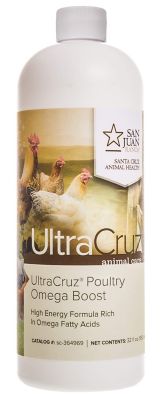
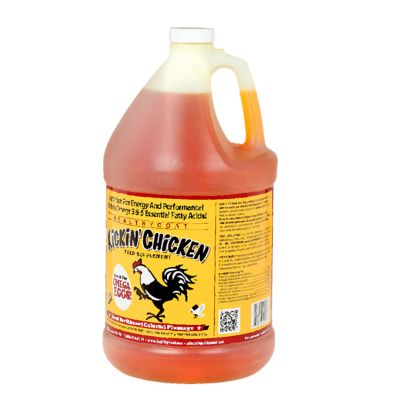
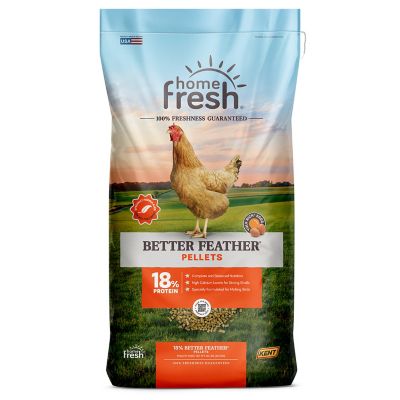
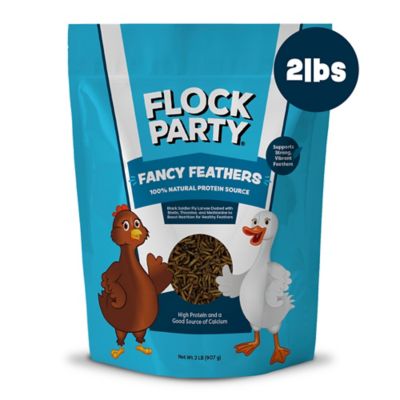
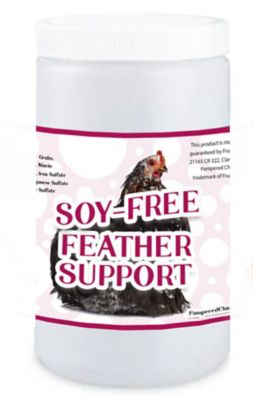
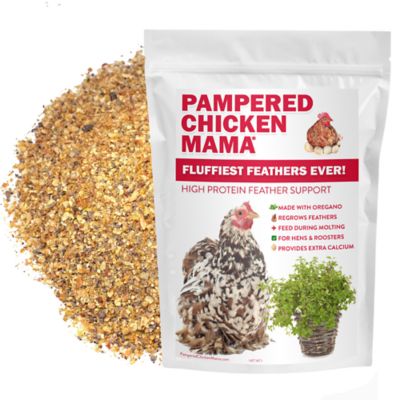
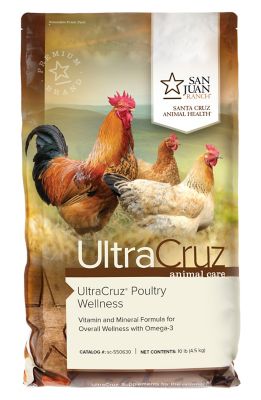
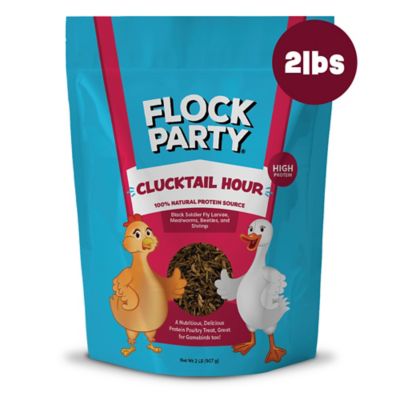
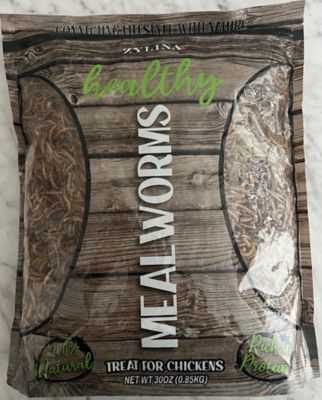
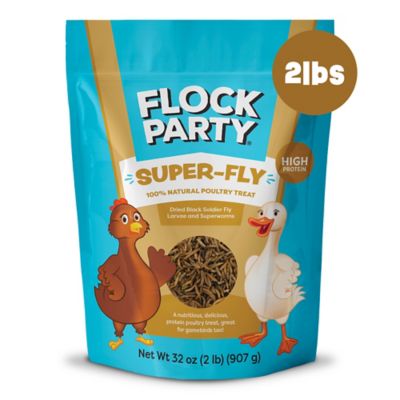
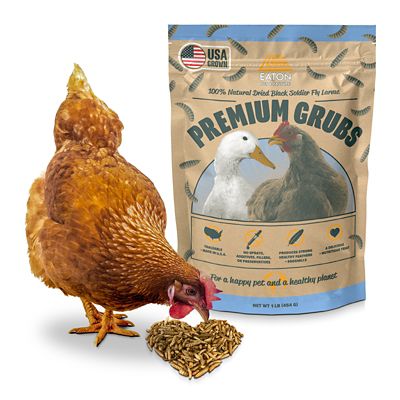
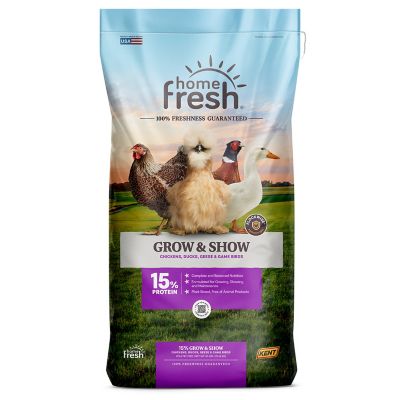
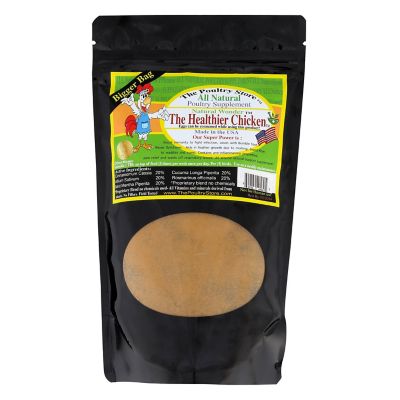
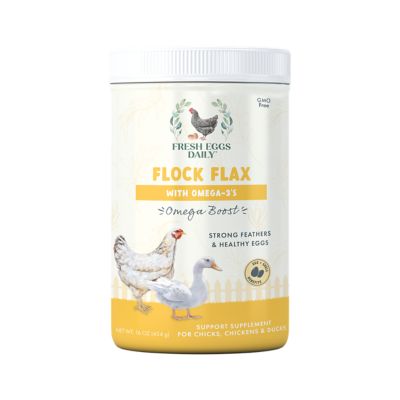
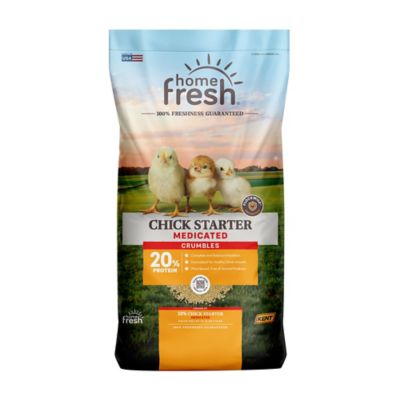
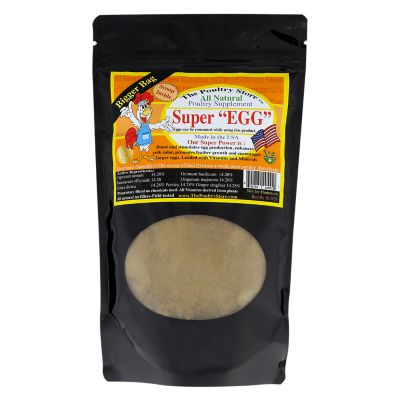
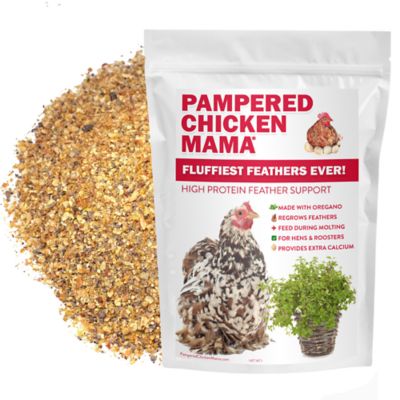
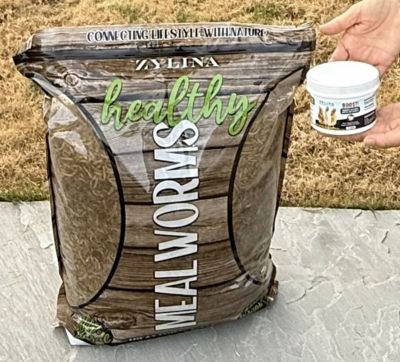
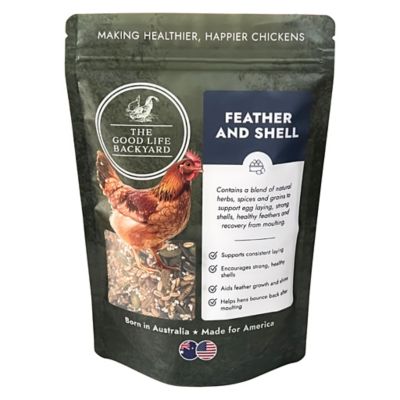
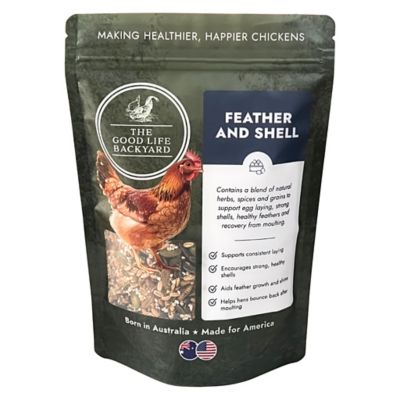
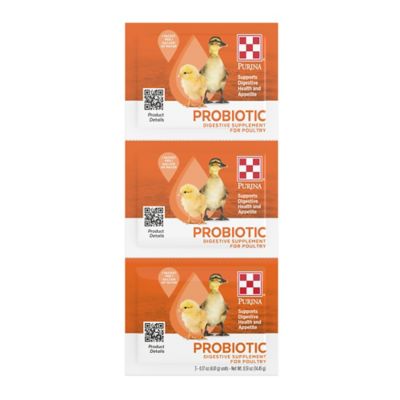
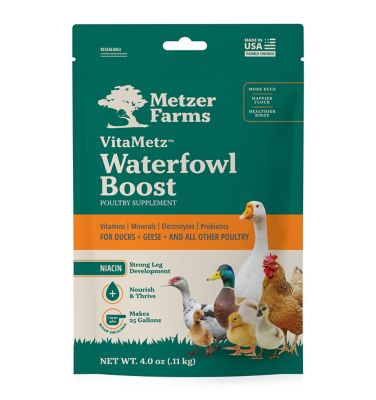
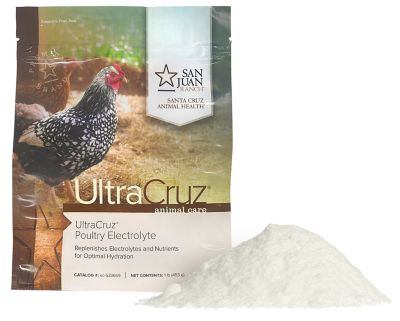
Chicken feather support supplements are made for flock owners who want to help hens maintain healthy skin and regrow strong plumage during molting, recovery from feather pecking or other times of added stress. Feathers are made mostly of keratin, a protein-based structure, so a balanced diet with enough good protein is the foundation of feather care. Many poultry supplement options provide added protein along with amino acids such as methionine and cysteine, which are important building blocks for keratin. Some also include biotin and other B vitamins to support skin condition and normal feather development, along with trace minerals such as zinc, manganese and copper. These nutrients do not replace fresh water, good housing or a complete poultry ration, but they can help round out a flock’s daily nutrition when fed as directed. During a molt, it is common to see loose feathers around the coop, bare patches along the neck or back, and a temporary drop in egg production. Molting can make even a normally lively hen look a little rough around the edges, and the process takes time because the bird’s body is putting resources toward new feathers. A feather support supplement may be useful during this transition, especially when birds are eating less, dealing with flock pressure or coming back from feather damage. Look for a product that clearly states its intended poultry use, feeding directions and nutrient content. A higher-protein option may be appropriate for molting support, but the right choice depends on the age, breed, condition and overall ration of your birds. For many adult laying flocks, a complete feed formulated for the season or life stage should remain the main source of nutrition, with supplements serving only as a helpful addition rather than a substitute for balanced feed.
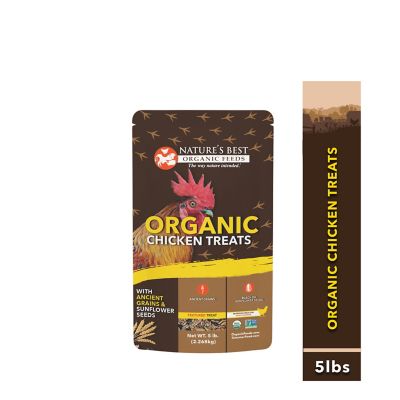
Chicken feather support products come in several forms, and the best fit often comes down to how your flock eats and how much hands-on care you prefer. A complete poultry feed with added protein and feather-support nutrients can be an easy choice for owners who want one consistent ration at the feeder. Powdered supplements and flock mixes can be measured into regular feed, making them convenient for smaller backyard flocks or for keeping a supplement available through a period of heavy molting. If you prefer that approach,
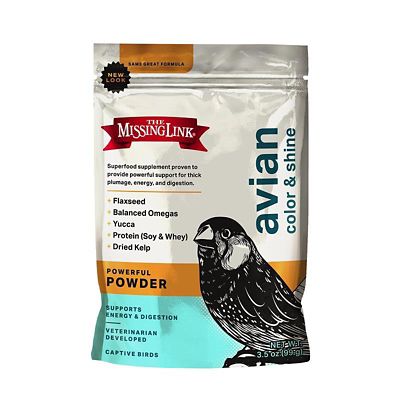
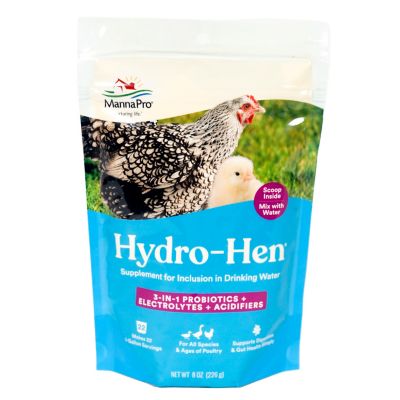
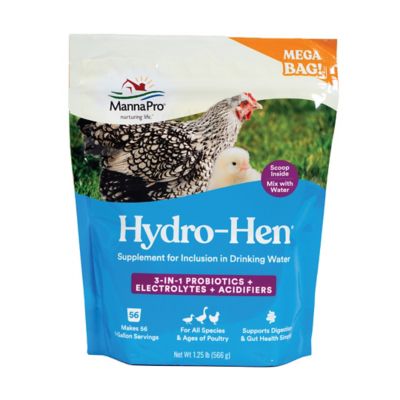
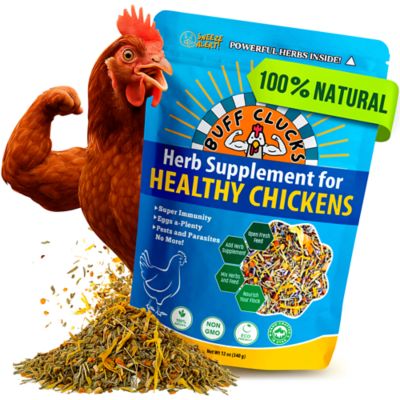
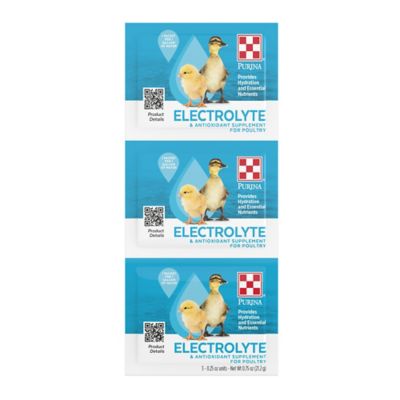
Powder Chicken Supplements offer a simple way to compare feed additives intended to mix into a flock’s daily ration. Liquid supplements may be added to drinking water or feed, depending on the label, and can be handy when birds are not showing much interest in dry feed. Always follow the serving instructions closely; adding more than recommended does not make feathers grow faster and may upset the balance of the birds’ diet. A separate container of clean, fresh water should be available at all times, particularly during warmer weather or when a liquid additive is not being added. Some flock owners also look for formulas that include carefully selected herbs or natural ingredients. Garlic, nettle and oregano are sometimes included for general nutritional or wellness support, but they should be viewed as additions, not replacements for protein, amino acids, vitamins, minerals or veterinary care. When comparing options, check whether the product is designed for chickens, whether it is suitable for laying hens, how it should be stored and how long it remains fresh after opening. It also helps to consider the number of birds in your flock, the amount needed per serving and whether the product can be mixed evenly into the feed. A supplement that disappears into a shared feeder is often more practical than one that requires catching each bird, unless an individual hen needs separate attention.
Feather support supplements can be useful for backyard chicken keepers, small homesteads, 4-H families and anyone caring for a flock through the cooler months, when birds may be finishing a molt and spending more time sheltered in the coop. They can also make a thoughtful gift for a new chicken keeper, especially when paired with other practical flock-care supplies such as a clean feeder, waterer or poultry-safe bedding. Before starting any supplement, take a close look at the whole setup. Crowded housing, poor ventilation, mites, lice, bullying, sharp edges or an unbalanced diet can all contribute to feather loss, and a supplement alone will not correct those problems. Watch for signs that call for closer attention, including bleeding skin, persistent bald spots, scabs, severe weight loss, weakness, trouble breathing or a hen that stops eating and drinking. In those cases, separate an injured bird when appropriate and contact a veterinarian or experienced poultry professional. For ordinary seasonal molting, keep the coop dry and clean, reduce unnecessary handling, provide a calm roosting area and make sure every bird can reach feed and water without being chased away. Introduce any new supplement gradually when the label allows, and observe droppings, appetite, activity and feather condition as the flock adjusts. New pin feathers can look like small quills pushing through the skin, and they may be tender, so gentle handling is best. With steady nutrition, clean water and a low-stress environment, new plumage can gradually come in fuller and stronger. Choosing a chicken feather support supplement is less about finding a quick fix and more about matching the product’s protein, amino acids, vitamins, minerals and feeding method to the everyday needs of your birds.