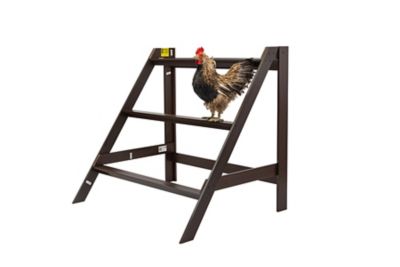
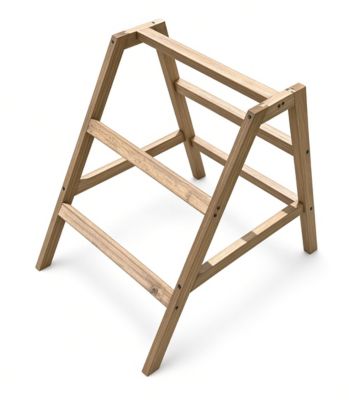
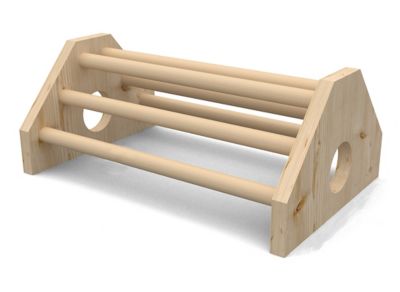
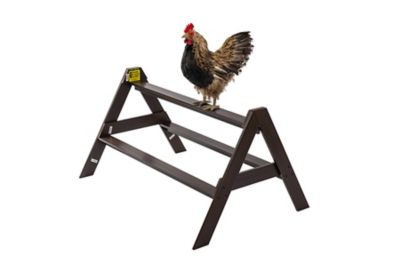
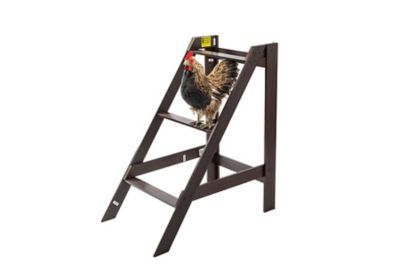
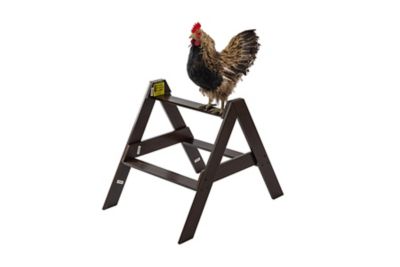
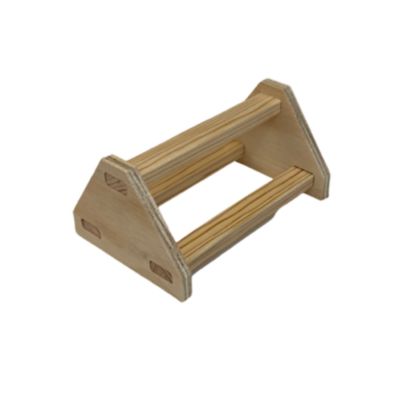
Chicken roosting bars give a flock a steady place to settle at night, keeping sleeping birds up off the coop floor and away from the bedding below. Chickens naturally seek an elevated resting spot, and a well-fitted perch gives them room to balance, tuck their feet beneath their bodies and rest alongside their flock mates. For standard-size chickens, about 12 inches of usable bar length per bird is a practical planning allowance; larger breeds may need more elbow room. A flock of six standard hens, for example, calls for roughly 6 feet of total roosting space, arranged so every bird can reach a spot without squeezing past a wall or another hen. Materials and shape matter just as much as length. Untreated wood with a smooth, splinter-free surface and gently rounded edges offers a comfortable footing. A broad, flat-topped bar lets birds rest without gripping a narrow rod all night. The wide face of a nominal two-by-four, which measures about 3½ inches across, is a common reference point for that shape. Thin dowels offer less support, while slick plastic or smooth, bare metal can make footing less secure. Wooden bars still need enough thickness and support to hold the whole flock without bending, twisting or rocking when several birds hop up together. Roosting bars serve a different purpose from nesting boxes: one is a sleeping place, while the other gives hens a sheltered spot to lay eggs. When the coop layout allows safe access, roosts positioned above the nesting boxes can encourage hens to sleep on the bars rather than in the nests. That separation helps keep nesting material and eggs cleaner. Whether the flock lives behind a farmhouse or in a small backyard coop, a useful roost starts with the birds themselves—their size, their numbers and the way they move through the space.
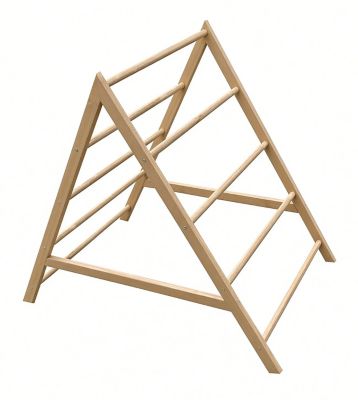
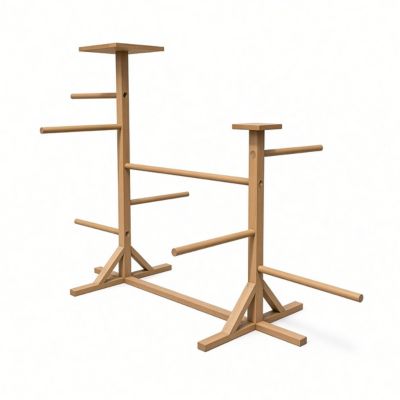
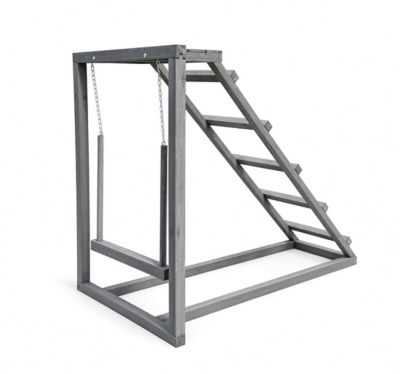
Fit goes beyond whether a bar stretches from one wall to the other. Chicken roosting bars need clear approach space, room overhead and an unobstructed landing area below. A lowest perch around 18 to 24 inches above the floor is a common starting point for many adult backyard flocks, but that height is not a rule for every bird. Heavy breeds, older hens and birds with limited mobility may do better with lower bars or a gently sloped access ramp. Higher perches demand more landing room and can increase the impact when a bird jumps down, especially in a tight coop. For parallel bars, roughly 12 to 18 inches of horizontal spacing is a useful starting range, with additional room where larger birds need it. The arrangement should keep chickens from pressing against each other and prevent birds on an upper tier from soiling those below. A long, level roost can also reduce competition for the highest position compared with a steep ladder-style arrangement, though flock behavior and floor space both play a part. Roost placement needs to work with the slope and supports of
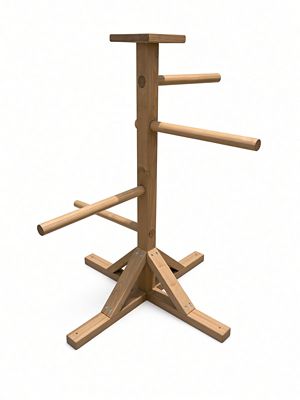
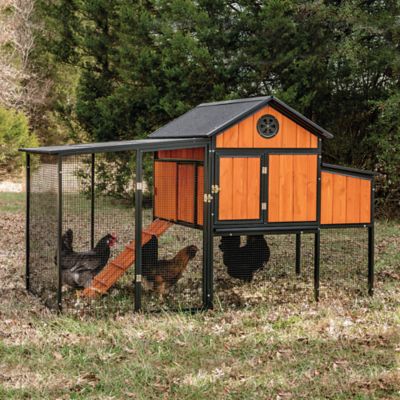
chicken coop roofs, leaving enough headroom for birds to step up, stand and turn without brushing the structure. Feeders and waterers belong outside the droppings zone, and a perch should not block the doorway or the path to the nesting boxes. Mounting style deserves a close look, too. Wall-mounted bars depend on sound attachment points, while freestanding roosts need a level footprint that stays put when birds land. Removable bars can make cleaning easier, provided their supports hold them securely during use. Smooth brackets, covered fastener ends and connections that do not wobble help keep the sleeping area free of snags and pinch points. For a compact coop, these details often matter more than adding another tier that leaves the flock short on maneuvering room.
Everyday care is another part of choosing chicken roosting bars that suit the way a flock is kept. Droppings tend to collect beneath the sleeping area, so access under and around the bars makes a noticeable difference during chores. A roost positioned over a removable droppings board can simplify cleanup, but the board needs enough clearance that birds are not resting against the mess below. Bars that lift out of their supports give better access to corners, joints and the underside of the wood, where debris and mites may hide. Scraping away buildup, cleaning with a poultry-appropriate product according to its label and letting surfaces dry before birds return help maintain the resting space. Wood benefits from regular checks for splinters, cracks and rough edges, particularly where feet contact the top or where fasteners enter the ends. Loose hardware, sagging spans and worn supports call for attention before a busy evening leaves the whole flock crowded onto an unstable bar. A broad perch is helpful, but it is not a substitute for routine foot checks or care for a bird that limps or avoids jumping. Watching the flock settle at dusk can reveal fit problems that are easy to miss in an empty coop. One hen repeatedly pushed off the end may need more space or another accessible resting spot; several birds sleeping in nesting boxes may point to awkward access, crowding or a perch they do not find comfortable. Young chickens may benefit from low practice perches as they develop balance, with the layout reconsidered as they grow. Bars in a run provide a daytime place to hop up and look around, but they do not replace a secure, enclosed sleeping area. For first-time chicken keepers and families tending an established laying flock alike, the right arrangement supports familiar chores: opening the coop, gathering eggs and checking that every bird has a comfortable place at the end of the day.