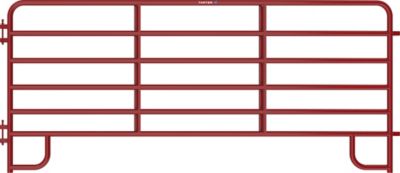
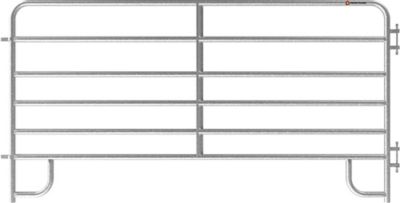
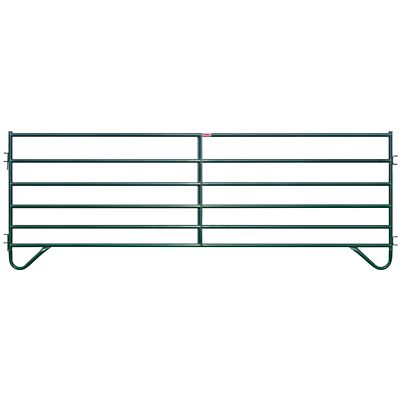
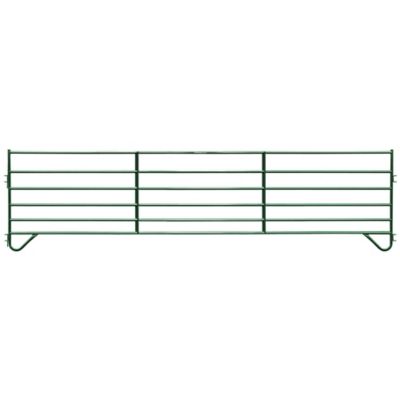
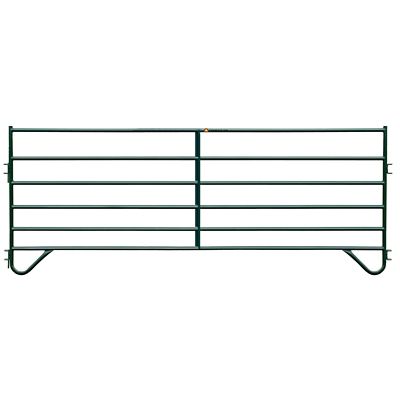
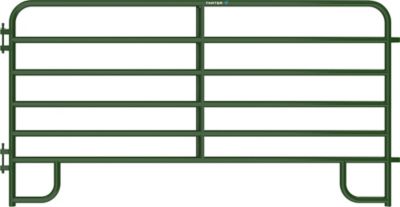
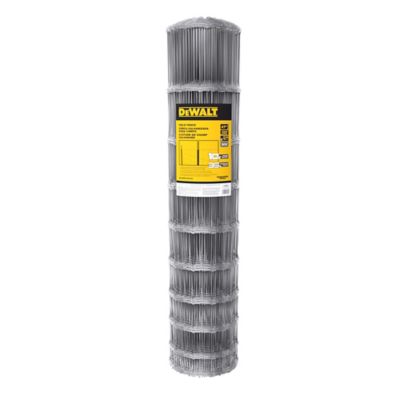
Cattle panels are rigid sections of welded wire fencing that help divide livestock spaces, close off parts of a barnyard, and support a range of projects around a farm or acreage. A common cattle panel measures 16 feet long by 50 inches tall and features 4-gauge galvanized steel wire, though dimensions, wire thickness, and opening patterns vary by panel. Those measurements matter when fitting a fence between existing posts, planning a pen beside a shed, or figuring out how much room a load needs for the trip home. Unlike fencing that comes in a roll, welded cattle panels hold their rectangular shape without the same stretching process required for tensioned wire fencing. The intersecting wires form an open grid that lets air move through and keeps animals visible from the other side of the fence. Some panels have graduated mesh, with smaller openings near the ground and larger openings farther up; others have different spacing suited to their intended application. Smaller lower openings can help limit access near the bottom, but the entire mesh pattern needs to match the animals being contained. Galvanizing adds a protective zinc coating to the steel, helping slow rust where fencing faces rain, mud, and changing weather. Wire gauge also affects how a panel handles pressure and bending: within the same wire-gauge system, a lower number generally means thicker wire. Thickness alone does not tell the whole story, though. Weld condition, opening size, panel height, post placement, and fastening all contribute to how a fence performs. For cattle owners, small-acreage keepers, and folks maintaining mixed farm spaces, welded wire livestock panels offer a practical way to create clear boundaries while keeping chores in sight. Their open construction makes it easier to spot a tipped water tub, a loose connection, or an animal standing apart from the herd without walking all the way around an enclosure.
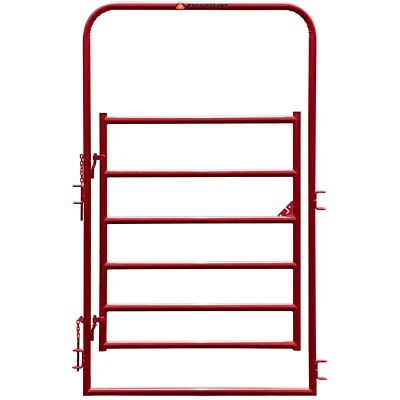
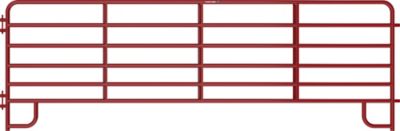
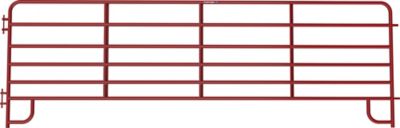
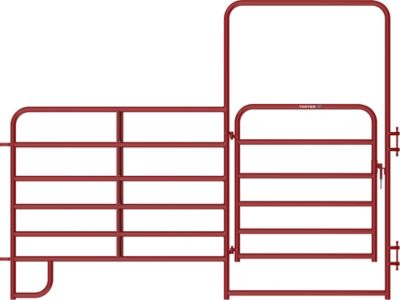
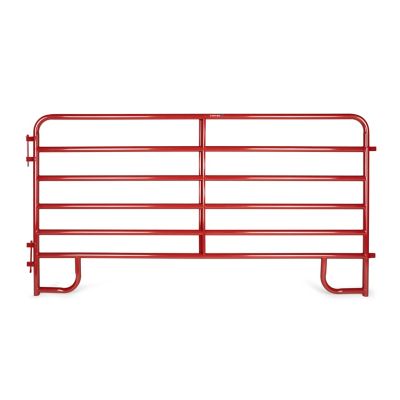
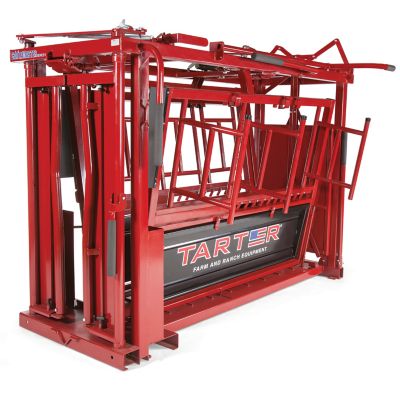
The best fit for a cattle enclosure depends on more than the length of the fence line. Calm animals in a spacious pen place different demands on fencing than cattle crowding a feeding area or pressing toward a gate. Welded wire cattle panels can serve in suitable pens and dividing fences, but they are not interchangeable with heavy tubular corral panels or purpose-built handling equipment. Working alleys, crowded holding spaces, and areas where large animals may strike or lean hard against a barrier call for equipment designed for that pressure. For spaces with different containment needs,
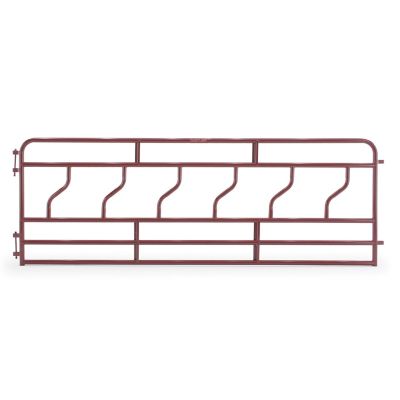
Panels For Ranch Containment Areas offers a related category to consider alongside welded wire fencing. Animal size and behavior deserve just as much attention as fence strength. Calves may reach through openings that an adult cow cannot, while horned animals can get caught in mesh that allows their heads through but prevents an easy retreat. Goats, sheep, and pigs also have different fencing requirements, so a cattle panel should not be assumed suitable simply because it stands tall enough. On uneven ground, a rigid section may leave a gap beneath the fence or require a different layout to follow a slope. Around gates and corners, secure connections help keep panel ends from shifting into walkways or leaving sharp projections where livestock pass. Post type, spacing, and attachment hardware should follow the panel manufacturer’s recommendations and suit the soil and expected animal pressure. A straight stretch along firm ground presents a different job than a muddy lot beside a waterer. During the cooler months, softened soil, frost movement, and repeated traffic can affect supports and leave connections needing attention. Regular checks of welds, fasteners, posts, and exposed wire ends help catch trouble before a small opening becomes an escape route. Bent sections, broken welds, or heavily corroded wire deserve prompt attention, especially beside feed, water, and gates where animals gather every day.
Cattle panels also have a place beyond the livestock lot, particularly where a stiff, open framework makes garden work easier. Their welded grid can support climbing beans, peas, cucumbers, and other vining plants when the panel is properly anchored and matched to the load. Tomatoes generally need tying or other support to keep stems positioned against the wire, while heavy squash or melons may need individual slings rather than hanging by their stems alone. Some gardeners shape suitable panels into arches over paths or between beds, creating room for foliage overhead while leaving access beneath for picking and tending. Not every panel bends the same way, and an arched setup depends on panel length, stiffness, anchor placement, and the clearance needed for people and equipment. Even an open trellis can catch considerable wind once it fills with leaves, so its supports need to account for more than the bare wire’s weight. Upright panels can also help define garden boundaries, although a typical 50-inch-tall cattle panel is not a dependable stand-alone deer barrier, and its openings may admit rabbits or other small animals. Where a garden borders a pasture, keeping climbing plants out of livestock reach matters too, since some plants can be harmful if eaten. Away from the garden, panel fit includes everyday access: room to swing a gate, get a wheelbarrow through, or mow along the fence without catching equipment on projecting wire. Handling and storage are worth considering before bringing long panels onto a property. A 16-foot section is awkward to carry through a narrow gate or around a barn corner, and its springiness calls for gloves, eye protection, and enough help to keep it under control. Transport requires a suitable vehicle or trailer and secure tie-downs that prevent shifting. Between projects, panels belong in a stable, secured position where they cannot tip into a walkway or become a climbing hazard. Clearing away tangled vines, accumulated debris, and mud makes welds and coatings easier to inspect. With the right dimensions, suitable supports, and attention to the job at hand, cattle panels can serve as useful working materials from the pen fence to the vegetable patch.