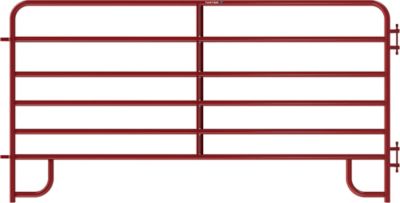
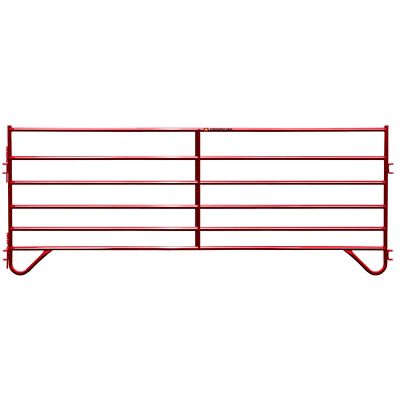
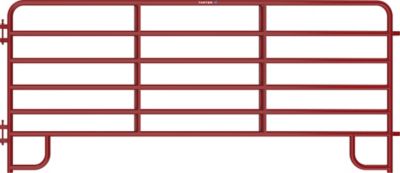
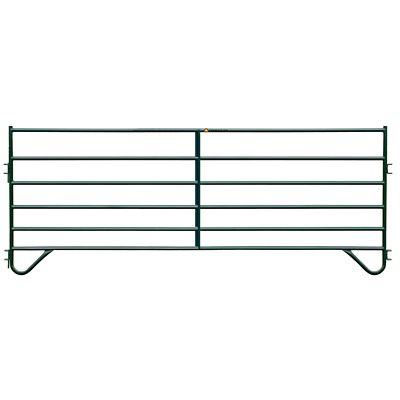
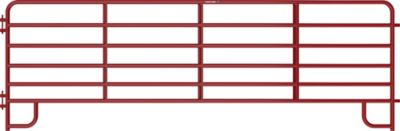
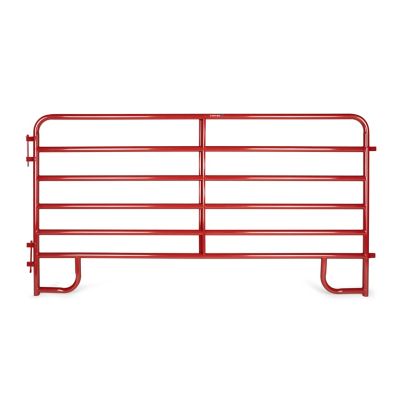
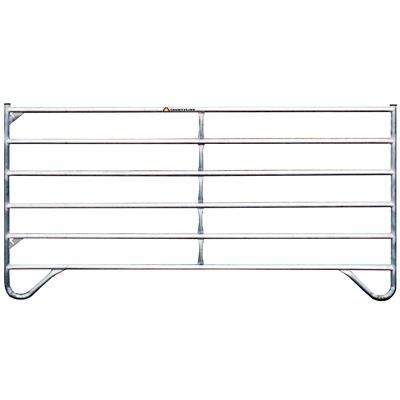
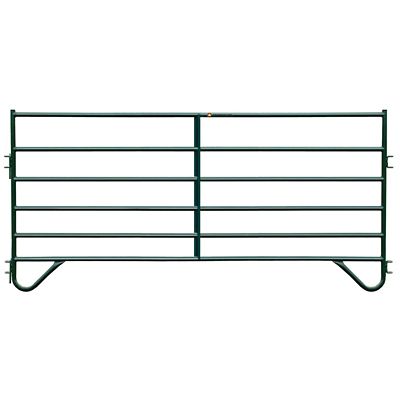
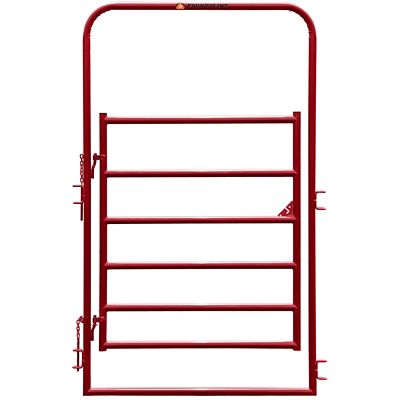
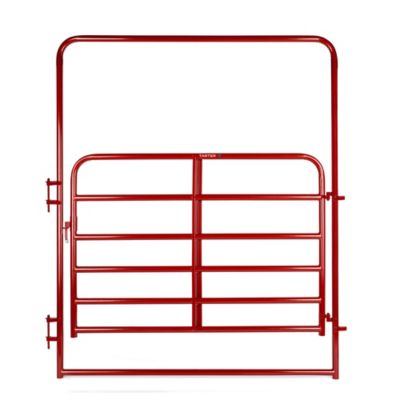
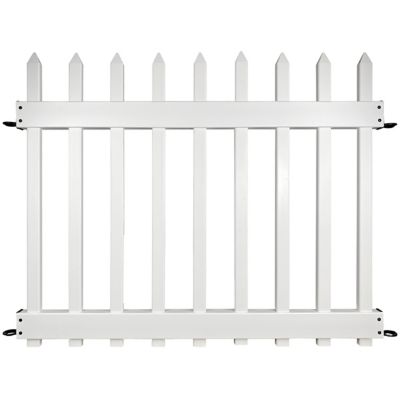
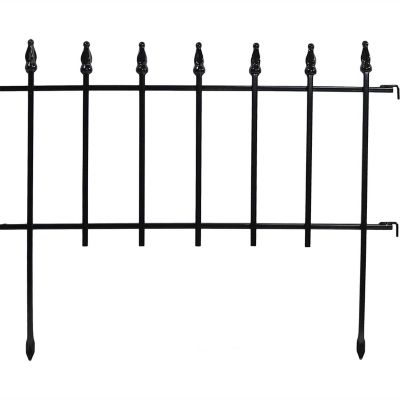
Panels for ranch containment areas help put practical boundaries around everyday livestock work, from holding a few calves near the barn to dividing a larger pen for feeding and sorting. On a working place, a panel needs to fit more than a stretch of ground. It needs to suit the animals behind it, the way they move, and the chores happening on either side. A quiet holding pen calls for a different setup than a sorting corner where cattle may lean against the rails. Portable corral panels make sense where the layout needs to change, while sections intended for post-mounted installation belong in plans for a more permanent enclosure. Steel tubing is common in livestock panels, with construction details that make a difference in how a section handles pressure. Tube diameter, wall thickness, rail count, bracing, and weld placement all contribute to the structure; overall weight alone does not tell the whole story. Galvanized surfaces and painted or powder-coated finishes provide different approaches to protecting the metal, and each finish benefits from attention around scratches, connections, and ground contact. Even welds, smooth edges, and a square frame matter when sections need to join without a struggle. Rounded corners and recessed connection points can reduce exposed edges, though the complete installation still needs a close look for snag points. For a small acreage, manageable panel sections can help separate feeding spaces or establish a temporary holding area within an existing enclosure. On a larger operation, the same general category supports sorting pens, receiving areas, and lanes between established parts of the ranch. The right match starts with the job: containing settled animals, guiding movement, or handling closer contact during routine livestock care. Panels designed for one purpose are not automatically suited to every other task, especially where animal size, temperament, and pressure differ.
Panel dimensions shape both the enclosure and the work inside it. Height needs to match the livestock and intended application, while rail spacing deserves attention at every level, not just along the top. A panel suitable for mature cattle may leave openings that do not suit calves, sheep, or goats. Horned animals bring another consideration because an opening that admits a head may not allow an easy retreat. For horses, smooth contact surfaces and spacing that helps limit opportunities for a hoof or leg to become trapped are important parts of the selection. No single rail pattern fits every animal, and manufacturer recommendations matter more than appearance alone. Length affects how a pen lays out around a barn wall, existing fence, or loading area. Longer sections can reduce the number of connections across a straight run, while shorter sections may fit tighter spaces and allow more flexibility around corners. Panel feet, connector styles, and compatible gates also influence the finished footprint. Pin connections, chain connections, and other joining systems differ in how they accommodate changes in direction and how securely they hold adjoining sections. A useful layout leaves room for the handler as well as the herd, with gates positioned so a feed cart, tractor, or livestock trailer can reach the necessary area without taking the enclosure apart. A gate that swings into a narrow lane can interfere with livestock movement, while a poorly placed corner can turn an ordinary sorting job into a bottleneck. Panels near a water trough or feed bunk also need to work with the animals’ access rather than block it. For a family keeping a handful of animals, these details can mean fewer awkward chores at feeding time. For ranch hands moving groups between pens, they influence the rhythm of the whole work area. Livestock panels form only part of a handling system; loading alleys, crowding areas, and restraint points call for equipment specifically intended for those demands.
The choice between movable sections and a fixed fence line often comes down to how often the space changes and how much support the installation requires. Portable panels can help reshape a holding pen or divide an existing enclosure, but portability does not remove the need for secure connections and any anchoring specified by the manufacturer. A freestanding section is not a substitute for a properly supported boundary under animal pressure. For longer, post-supported runs,
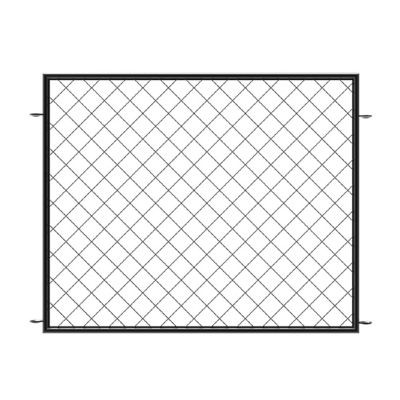
Continuous Fence Panels provide another approach to planning ranch boundaries, with post spacing, fastening methods, and installation requirements determined by the panel design. Ground conditions and changes in grade also affect fit: a section that sits neatly on level ground may leave a larger opening underneath when the fence line crosses a dip. Connection clearance, gate alignment, and access for maintenance all deserve space in the layout. Once panels are in service, regular checks help catch a missing pin, loose fastener, cracked weld, or bent rail before it becomes a bigger problem. Manure and packed bedding can collect around lower rails and feet, hiding corrosion or making a connection harder to inspect. Cleaning those areas and addressing finish damage according to the manufacturer’s directions can help extend service life. Moving sections without dragging their ends protects both the finish and the connectors, while stable storage keeps spare panels from falling into walkways or animal spaces. Panel weight matters here, too: a section that works well in the enclosure still needs to be manageable with the people and equipment on hand. Ranch containment panels earn their place through that everyday fit—rails suited to the livestock, connections that match the layout, and access that makes chores less cumbersome. With those details in place, a pen can support the work happening around it without adding unnecessary obstacles to the day.