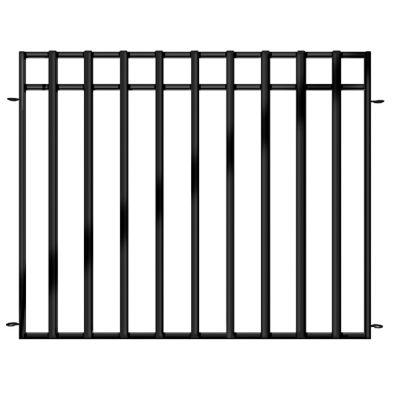
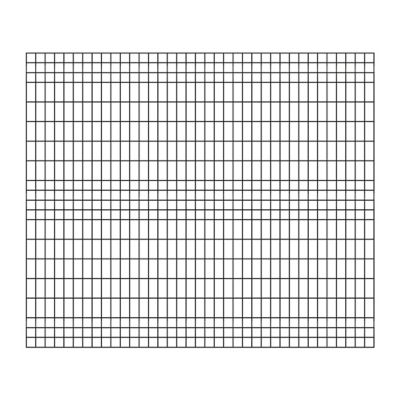
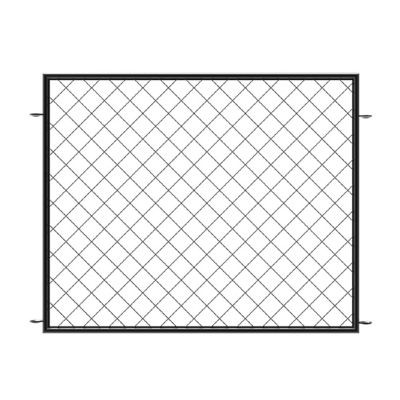
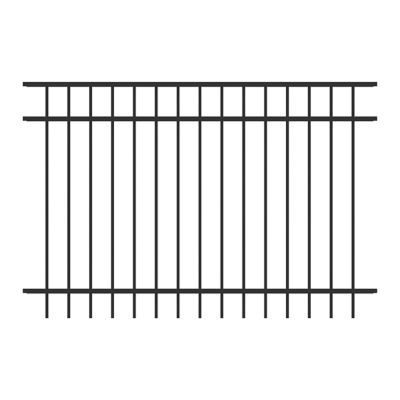
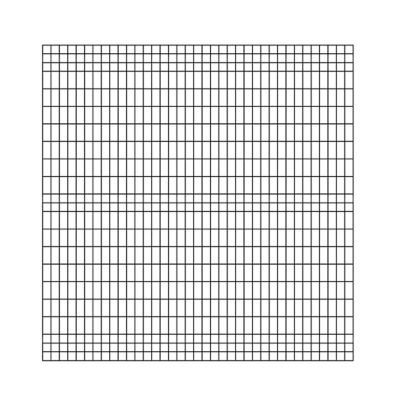
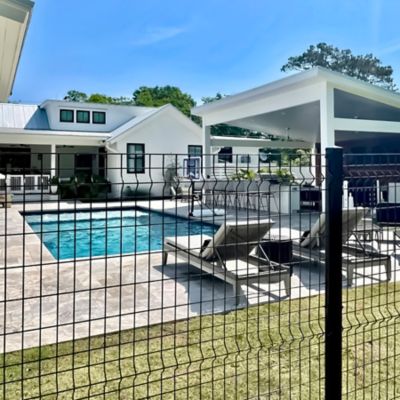
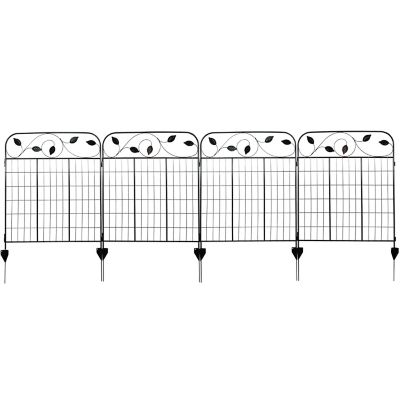
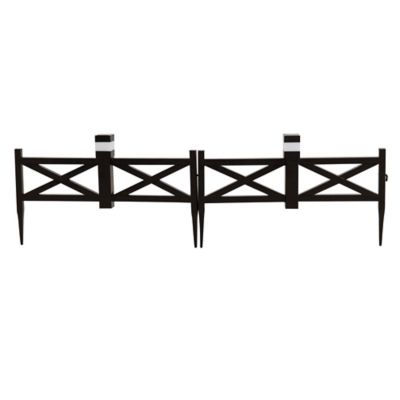
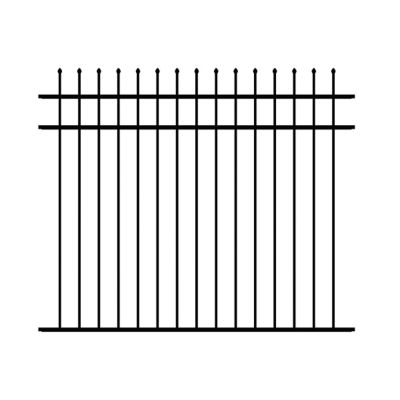
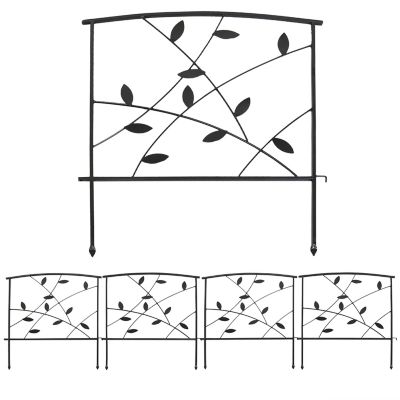
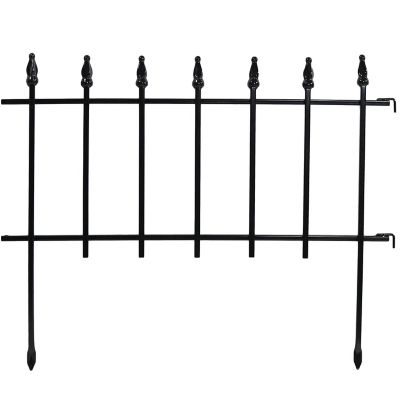
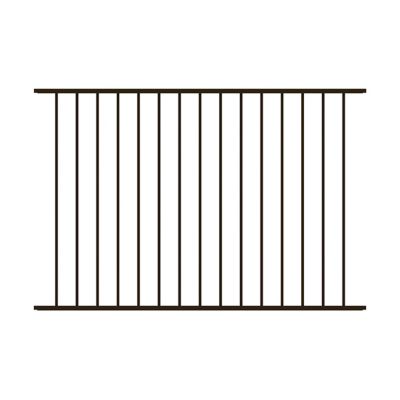
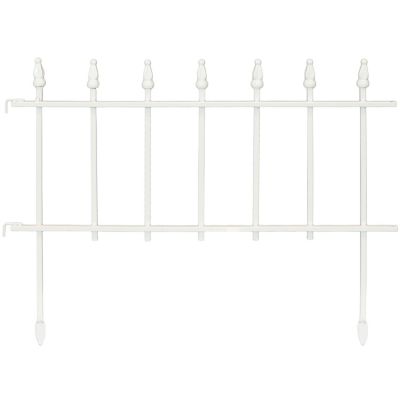
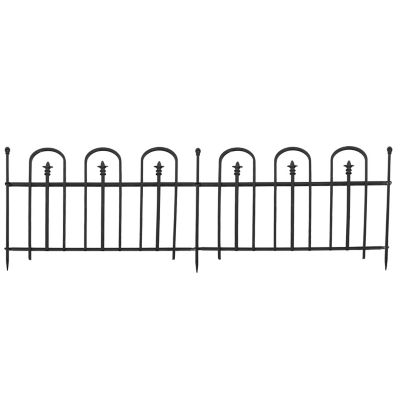
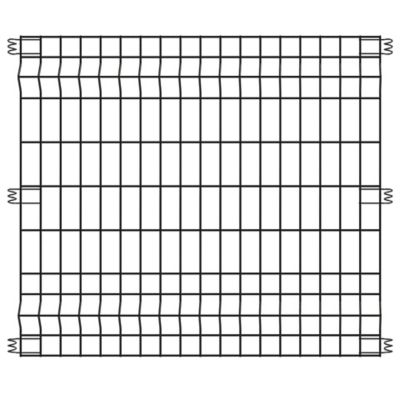
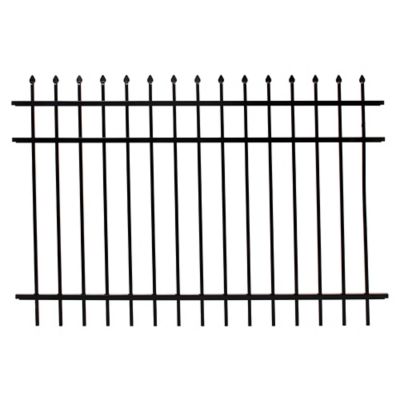
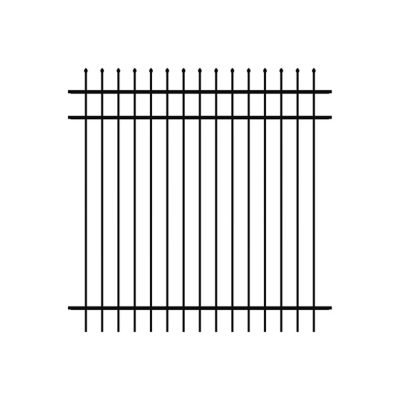
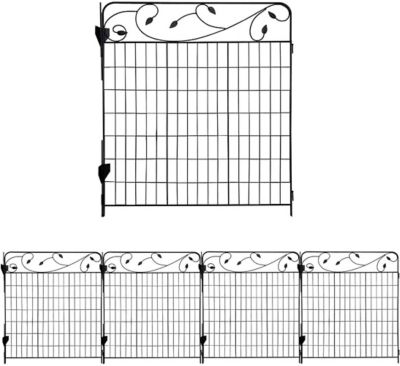
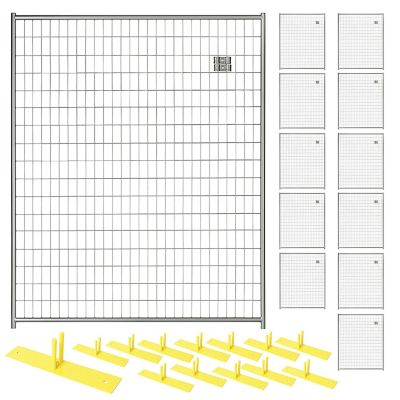
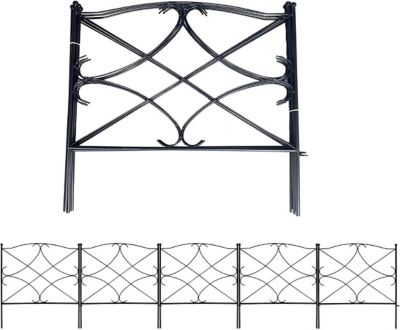
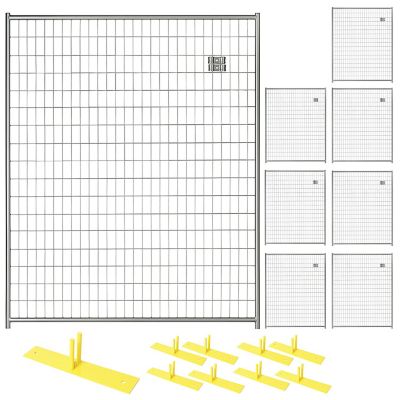
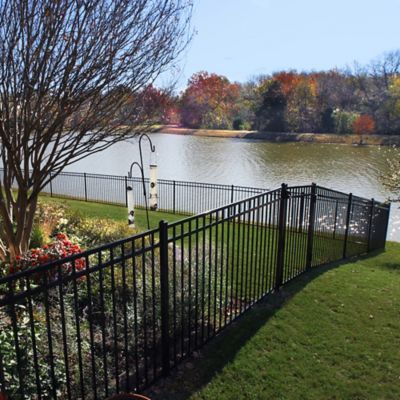
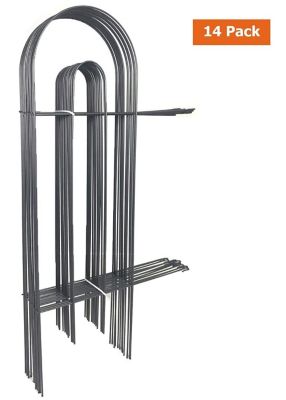
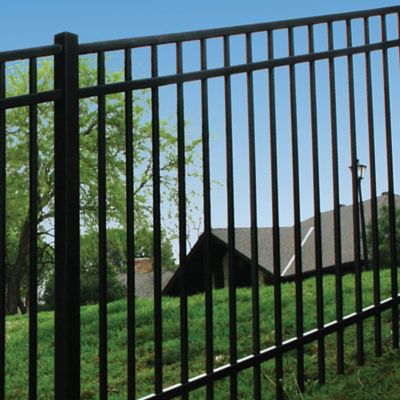
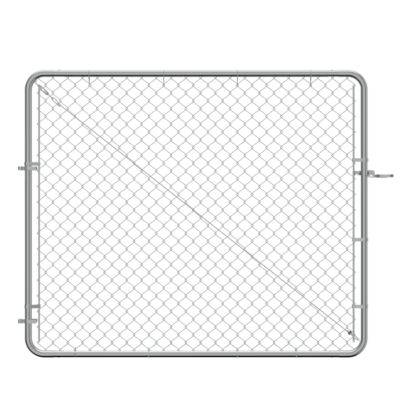
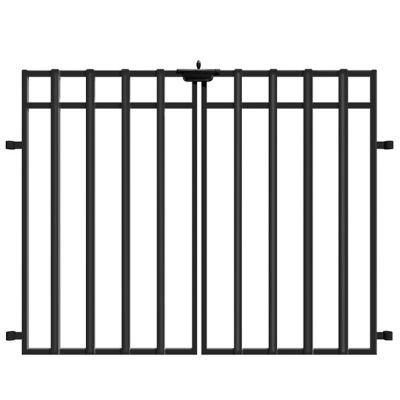
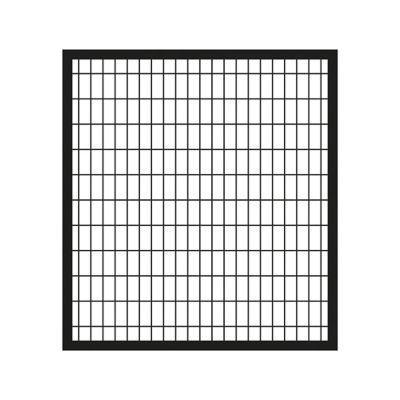
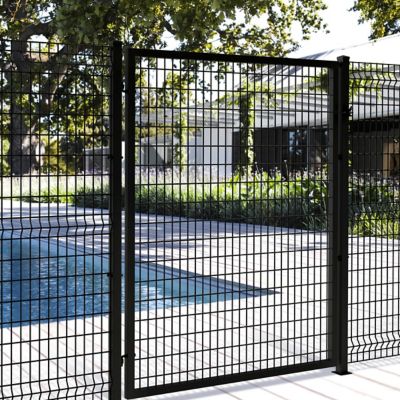
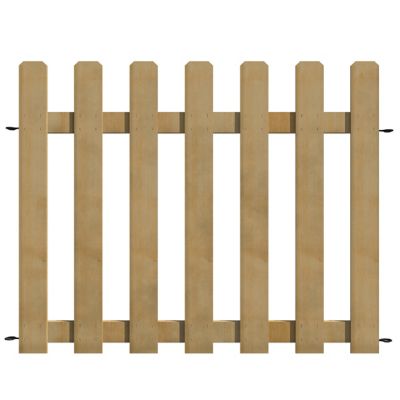
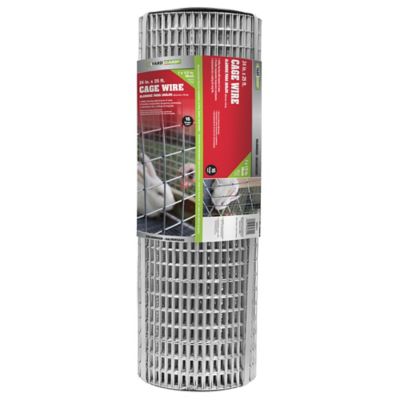
Metal fence panels are ready-made sections of steel or aluminum fencing that connect to posts or other supports to form a boundary around a yard, garden or designated animal area. They range from open welded-wire grids and upright pickets to solid metal sections that limit the view through the fence. That difference matters on a working property: an open panel can mark the edge of a vegetable patch while leaving the rows visible from the porch, while a solid section can screen a patio or separate a yard from a neighboring space. Steel panels generally bring more weight and rigidity, making them worth considering where strength is a priority. Aluminum panels are generally lighter and resist rust, though their suitability still depends on the frame, connections and intended application. Galvanized steel has a zinc coating that helps protect the underlying metal from corrosion. Powder-coated finishes provide another protective layer and a finished appearance, but the coating does not make a fence immune to scratches or damage. Some panels combine these treatments; others have a different finish, so the material description matters more than appearance alone. Welded-wire panels have intersecting wires joined at their crossing points, creating openings whose size affects what can pass through. Picket panels create a more defined fence line without completely closing off the view. Corrugated or solid-sheet styles provide more screening, with the framing and support system carrying the load of the finished section. Homeowners, gardeners, homesteaders and property managers may all have a place for metal fencing, but the best fit comes down to what the boundary needs to accomplish. A neat edge along a walkway, a barrier around raised beds and an enclosure beside a barn call for different heights, openings and support arrangements. Metal fence panels offer a consistent shape from section to section, helping a long fence line look orderly while keeping the purpose of each area clear.
Panel height, width and opening size all affect how a metal fence fits the property. A shorter section can define a flower bed or discourage foot traffic across a planted area, but it is not automatically a suitable pet enclosure. For dogs, the fence height needs to account for jumping and climbing, while the spaces between pickets, within a wire grid and beneath the bottom rail need to suit the animal’s size. A small dog may slip through an opening that looks narrow from the driveway, and a determined digger may find the gap beneath an otherwise substantial panel. Garden fencing has similar limits: a boundary that keeps feet out of the bean rows may not stop rabbits or deer. For cattle, horses and other large animals, panels should be intended for that application rather than selected just because they have a ranch-style appearance. These distinctions help keep yard fencing, garden barriers and livestock fencing in their proper roles. The layout also needs room for everyday chores. A gate wide enough for a wheelbarrow may still be too narrow for a mower, and a tight turn beside a shed can make moving equipment awkward. Panel dimensions should be considered alongside post spacing, gate openings, corner connections and clearance at the ground. A straight run across level ground is different from a fence that follows a sloping yard. Some systems allow sections to adjust with the grade; others require stepped installation, which can leave larger gaps underneath. Posts, brackets, fasteners and gates need to match the panel system, especially where a gate adds weight to the supports. Permanent installations may call for posts anchored in concrete or another specified foundation, while certain lighter systems rely on stakes or purpose-built surface mounts. Those methods are not interchangeable. Manufacturer instructions, local fence rules, property lines and buried utility locations all belong in the planning before holes are dug. A sound layout keeps the fence from crowding a driveway, blocking access to a water spigot or putting a gate where it interferes with regular chores.
Metal fencing often requires less routine finish work than a painted wood fence, but low maintenance does not mean no maintenance. The finish, connections and ground clearance all deserve attention over time. Soil piled against the bottom of a steel panel, repeated contact from a string trimmer and irrigation spray hitting the same section can create trouble spots. Keeping vegetation from pressing into the fence makes it easier to see loose fasteners, bent wires or damaged coating before a small problem spreads. Cleaning should follow the manufacturer’s recommendations; a gentle wash and a soft brush are often a better match for coated surfaces than harsh cleaners or abrasive tools. Scratches on coated steel may need a compatible touch-up treatment, especially where bare metal is exposed. Aluminum does not rust like steel, but its finish and connecting hardware still need care. Gate hinges and latches take regular handling, so their alignment matters just as much as the panels beside them. A gate that drags across the ground or needs a hard shove to latch can put extra strain on posts and connections. Around a garden, keeping enough clearance for mowing and trimming helps the fence line stay tidy without turning every pass into a careful maneuver. Around pets, checking the bottom edge and latch is part of maintaining the enclosure, particularly after landscaping changes or digging. Appearance has a practical role, too. Open grids keep a small yard from feeling boxed in, while evenly spaced pickets give a front boundary a more finished look. Solid sections can create a quieter-looking backdrop for a seating area or screen everyday clutter near an outbuilding. For another take on clean lines and straightforward yard boundaries, explore
Modern Fence Panels alongside traditional picket and grid layouts. The lasting appeal of a metal fence comes from matching its material, shape and support system to the property, leaving enough access for the work that happens there, and giving the connections and finish a little regular attention.