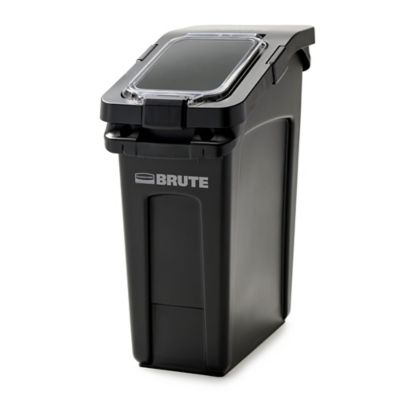
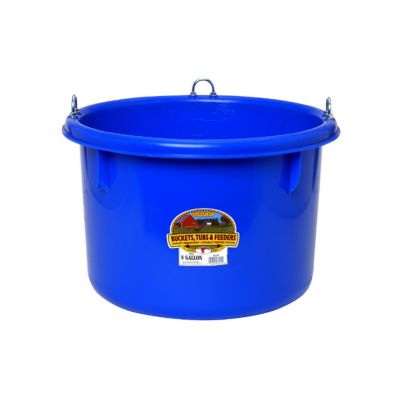
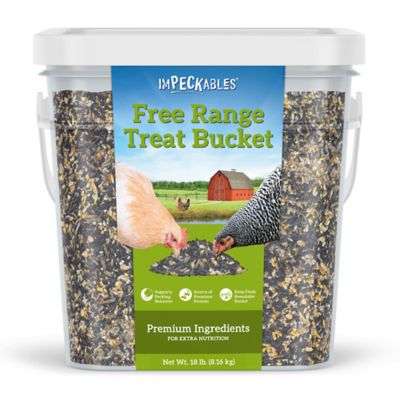
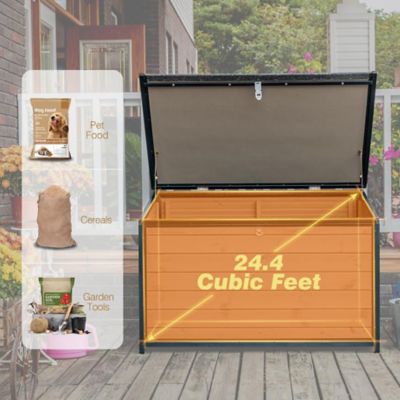
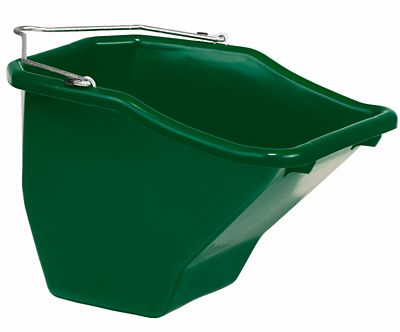
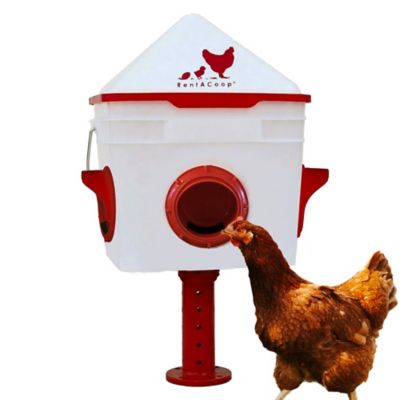
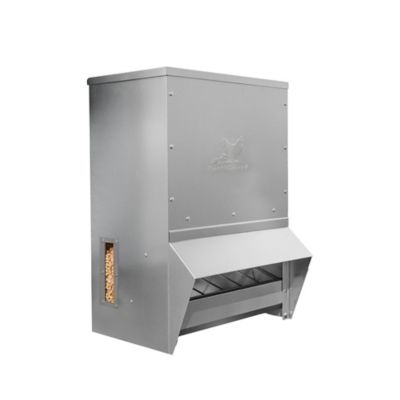
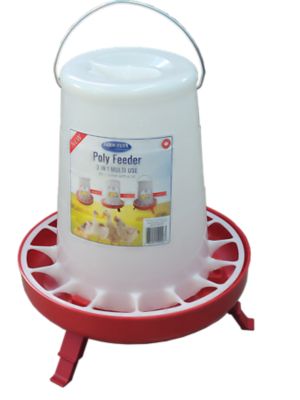
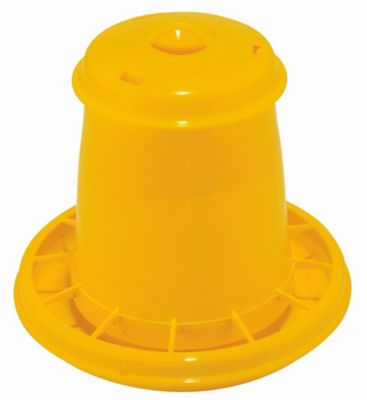
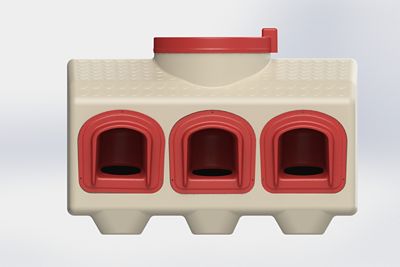
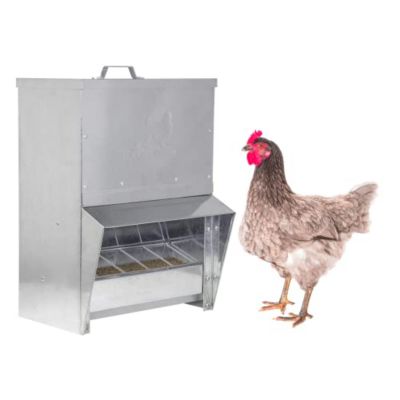
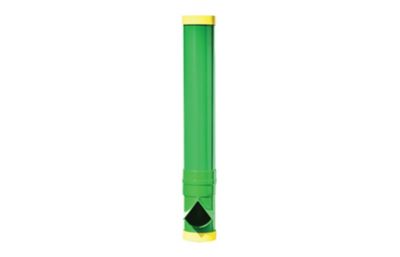
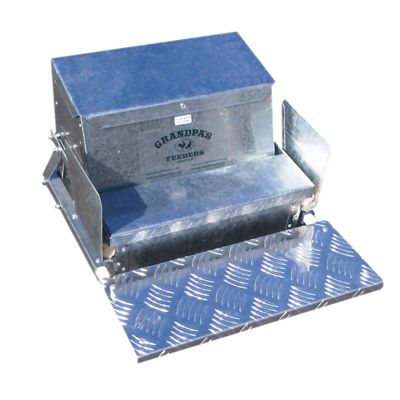
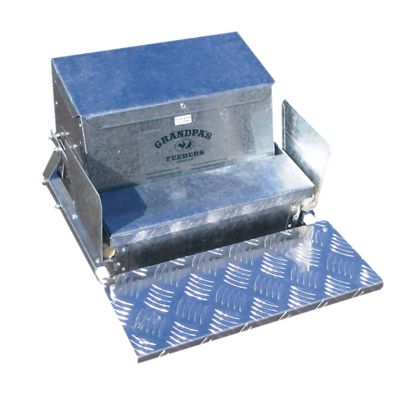
Chicken feed buckets are containers for storing, carrying, or dispensing poultry feed, with different designs suited to different parts of the daily feeding routine. A storage bucket keeps a supply of feed together under a lid, while a bucket feeder has feeding ports or a tray that lets chickens eat directly from the container. In a gravity-fed design, feed moves down toward the feeding area as birds eat, so the way the bucket releases feed matters just as much as how much it holds. For a backyard flock, a bucket can make the walk from the feed room to the coop simpler, especially when there’s a gate to open along the way. Around a larger poultry setup, separate buckets can help organize rations for different groups of birds. Pellets, crumbles, and mash don’t always move through a feeder the same way; small particles can settle, and feed that picks up moisture can clump instead of flowing freely. Compatibility with the intended ration is an important part of choosing a bucket feeder. Covered feeding openings can limit the scratching and tossing that sends feed into the bedding, though no design eliminates every bit of spilled feed. The shape of the opening, the feeding height, and the number of birds sharing it all affect how comfortably a flock can eat. Adult hens need room to reach the feed without crowding, while young chicks need feeding equipment sized for their smaller bodies. A large feed supply doesn’t replace enough feeding space, either. When several hens arrive at once, multiple access points or separate feeding stations can help keep a bossy bird from controlling the whole meal. The right chicken feed bucket fits the flock’s size, the type of feed, and the daily chores around the coop, rather than simply being the biggest container that fits through the door. Its role should also be clear: carrying feed, holding feed between refills, and feeding birds directly call for different features, even when the containers look similar at first glance.
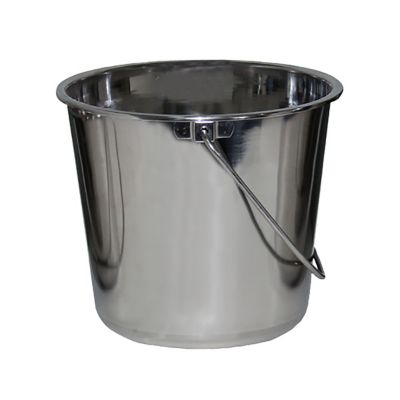
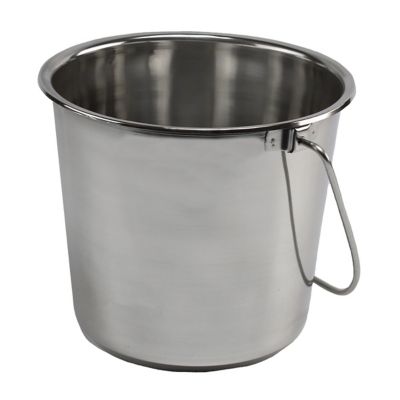
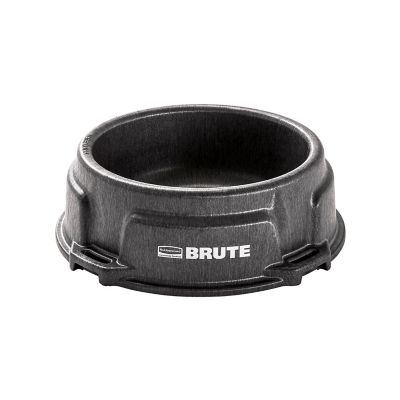
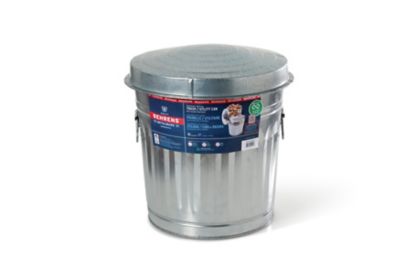
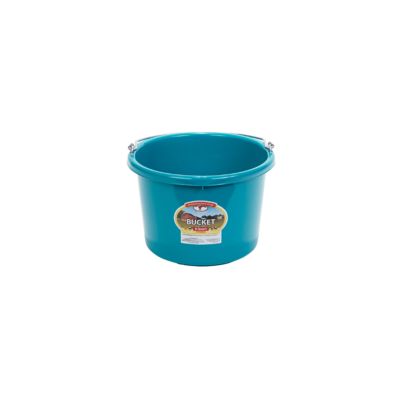
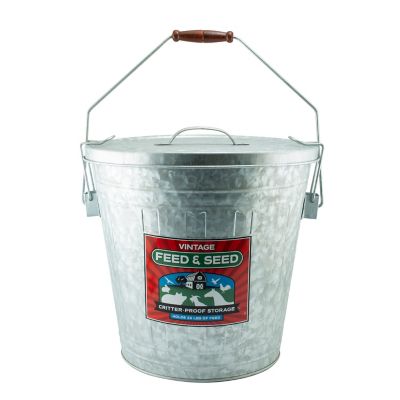
Materials and construction make a noticeable difference when a bucket gets carried across the yard, set on a barn floor, and washed between refills. Plastic feed buckets can be lighter to carry, and smooth interior walls make it easier to empty out the last handful of crumbles. Metal buckets bring a different feel and weight, with seams, coatings, and edges worth considering wherever feed or hands make contact. For either material, suitability for animal-feed contact matters more than appearance. A container that once held chemicals is not an appropriate place for poultry feed. Handles also deserve attention: a comfortable grip, secure attachment points, and enough clearance for a gloved hand can make a full bucket easier to manage. The weight of the feed itself adds up quickly, so a manageable carrying size may serve daily chores better than a larger bucket filled to the brim. Capacity listed by volume doesn’t translate to one fixed feed weight, since different rations have different densities. Lids should fit securely while remaining practical to open for regular filling and cleaning. A snug lid helps keep bedding, dust, and stray debris out, but a lid alone doesn’t make a bucket rodent-proof. Storage location and the container’s overall construction still matter. For buckets that dispense feed, a steady base or a suitable mounting arrangement helps keep the feeding area from rocking when birds gather around it. Any hanging setup needs support rated for the full weight of the container and its contents, along with clearance that keeps the bucket from swinging into nearby equipment. Port height and tray position should suit the birds rather than force them to stretch or crouch awkwardly. Rounded edges, secure fittings, and feeding openings appropriate for the flock are practical details that matter every time a hen steps up for a bite. A bucket that sits neatly beside a wall may work well for storage, while a feeder needs enough open space for birds to approach and step away without getting boxed into a corner.
Care and everyday placement help chicken feed buckets do their job without turning a simple chore into extra cleanup. Feed belongs in a clean container that can dry completely after washing, since trapped moisture and leftover feed don’t make a good combination. Removable lids and accessible interiors make it easier to spot residue along the bottom or around feeding ports. Designs with deep crevices or enclosed passages call for closer attention during cleaning, particularly where fine feed collects out of sight. Following the manufacturer’s cleaning directions helps protect the container and any fittings, and regular checks can catch cracked plastic, loose handles, rough metal edges, or damaged lids before the next refill. Emptying out old feed rather than continually topping it off also makes it easier to notice clumps, insects, or an unusual smell. Feed that shows mold or spoilage should stay out of the flock’s ration. In the coop or run, a feeding bucket needs a spot away from leaking waterers and heavy bedding buildup, with room around it for ordinary flock traffic. A lid over the main container does not necessarily protect exposed feeding openings from spilled water or other contamination. Storage buckets serve a different purpose and belong in a secure feed-storage area, closed between trips to the birds. Clear labels are handy when chick starter, grower feed, layer feed, or other animal rations share a feed room; similar-looking pellets aren’t a reason to combine them. On properties with both poultry and horses,
Horse Feed Containers address another part of the feeding routine, while separate containers help keep each animal’s ration straight. For families sharing chores, a bucket that’s easy to recognize, lift, close, and clean can make handoffs smoother. Whether the daily routine means carrying a measured ration to a small coop or tending several feeding stations, practical chicken feed buckets help keep feed organized and within reach.