Casting equipment brings together the tools and machinery that melt metal, prepare molds and help molten material take on a finished shape. Depending on the process, a casting setup may include a melting furnace, a compatible crucible, mold-handling tools, a burnout kiln and a vacuum casting system. Each has a different job, and not every project calls for every machine. Melting furnaces supply the heat needed to liquefy a selected metal inside a crucible, while burnout kilns prepare investment molds by removing wax or other approved pattern materials through a controlled heating cycle. Vacuum equipment can help remove trapped air from investment slurry before it sets; in a properly configured casting system, a pressure difference also helps metal fill the mold cavity. Those distinctions matter whether the work happens at a jeweler’s bench, in a sculpture studio or in a dedicated metalworking shop out behind the barn. A small pendant with fine lettering presents a different challenge than a broad bronze shape or a simple aluminum blank. Narrow passages, surface detail, wall thickness and the amount of metal required all influence the equipment that fits the work. Lost-wax casting generally calls for pattern preparation and an investment mold, while sand casting relies on a packed sand mold formed around a pattern. Other methods involve permanent molds made for a particular metal and application. For shoppers comparing metal casting equipment, the intended process is the starting point that keeps the rest of the setup working together. Furnace capacity alone does not tell the whole story: the mold size, crucible shape, handling clearance and space around the work area all matter, too. Casting appeals to jewelry makers, artists, metalworking hobbyists and experienced shop owners who enjoy turning a drawing or pattern into something solid. It also rewards patience, since a clean casting depends on preparation as much as the final pour.
Materials and equipment ratings deserve a close look because casting puts every working surface through demanding heat cycles. Crucibles may contain graphite, clay-graphite, silicon carbide or ceramic materials, with suitability depending on the alloy, furnace design and operating conditions. A crucible appropriate for one setup is not automatically suitable for another, even when its dimensions look close. Its outside diameter, height, pouring shape and compatibility with the lifting tools all affect how it sits in the furnace and how securely it can be handled. Furnace linings, heating elements, lids and supports also need to match the work expected of them. Electric melting furnaces can offer controlled heating in a compact arrangement, while fuel-fired furnaces bring different requirements for fuel connections, exhaust and installation. A listed maximum operating temperature should be evaluated against the selected alloy’s processing needs and the manufacturer’s stated limits, rather than treated as proof that a furnace can handle every metal. Capacity figures warrant the same attention: a weight rating based on one metal will represent a different weight when the crucible holds a metal with another density. For investment casting equipment, flask dimensions, chamber clearance, pump requirements and seal condition help determine whether the system fits the intended mold. A vacuum chamber meant for mixing or degassing is not necessarily built for casting hot flasks, so the stated application matters. Burnout kiln controls and interior dimensions are another part of that fit, particularly when a project involves several flasks or a pattern material with a specified burnout schedule. The practical details count on a busy bench. Controls should be readable from the normal working position, handles should allow the clearance specified for protective gear, and service parts should be clearly identified in the equipment documentation. A hobbyist making occasional keepsakes may value a manageable footprint, while a working studio may put more emphasis on repeatable cycles and room for larger molds. Matching those needs helps keep a casting setup useful without filling the shop with machinery that does not suit the work.
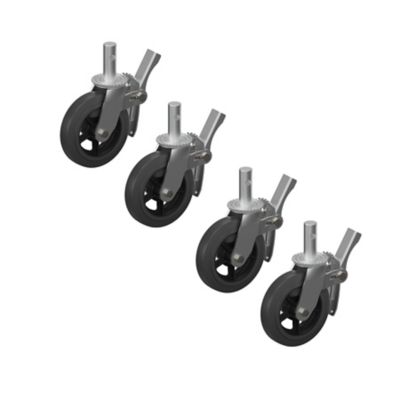
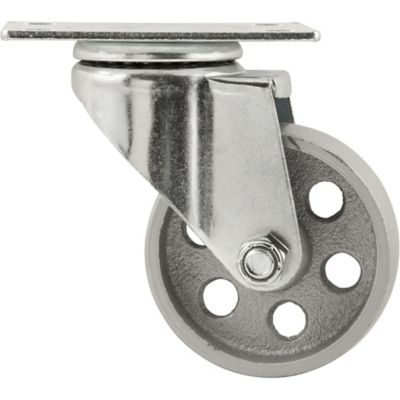
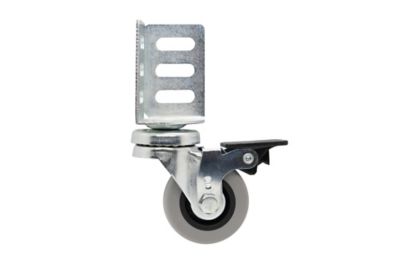
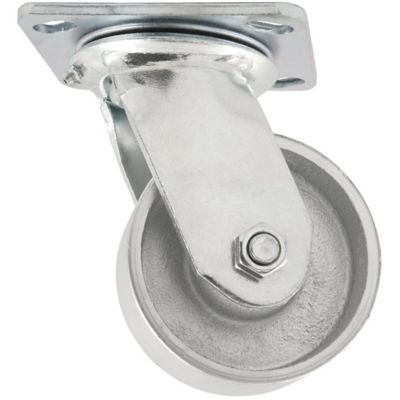
Care, workspace planning and safe handling are part of owning casting equipment, not extras to sort out after the first project. Crucibles and furnace linings need regular inspection for cracks, erosion and other damage, with replacement decisions following the manufacturer’s guidance. Tongs and lifting devices should fit the intended crucible and remain free of defects that could compromise their grip. Keeping equipment clean and dry, maintaining pumps as directed and protecting electrical connections from dust and damage can help extend service life. Moisture around molten metal is a serious hazard, so charge material, tools and molds require preparation appropriate to the specific casting method; a surface that looks dry is not a substitute for the prescribed process. A dedicated workspace needs suitable ventilation, noncombustible working surfaces and enough clear floor space for handling tasks without stepping around cords, feed sacks or other shop clutter. Burnout fumes, combustion gases and dust from some investment materials introduce hazards that ordinary room ventilation may not address. Appropriate eye and face protection, clothing, gloves and footwear should be selected for molten-metal work, and equipment instructions and safety data should stay close at hand. Casting machinery belongs on the support specified by its manufacturer, with the required clearances and electrical or fuel service. Rolling storage can still have a place elsewhere in the shop for patterns, measuring tools and cooled supplies. For a shop cart that needs attention,
Caster Replacements can help with the storage side of the workspace; mobile storage should remain separate from active pouring and hot equipment. As a gift, casting equipment makes the most sense for someone whose process, power supply and existing setup are already known. A machine that suits an experienced jewelry maker may be a poor fit for a beginner without a prepared work area. Thoughtful equipment choices leave room for skill to grow while keeping the work grounded in compatible materials, sound maintenance and a setup suited to the casting at hand.