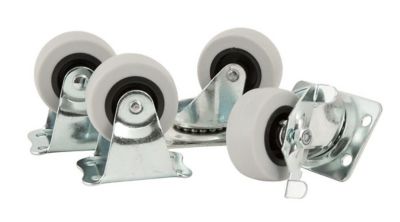
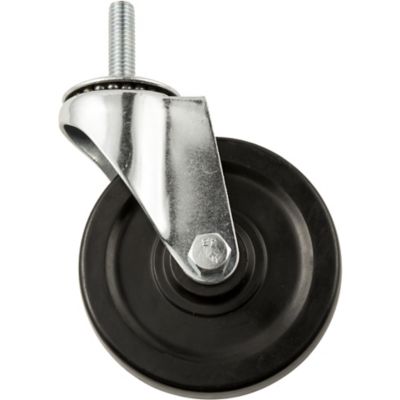
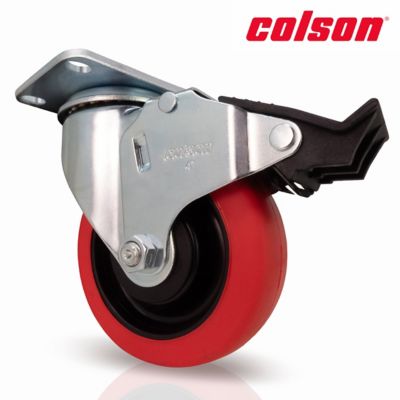
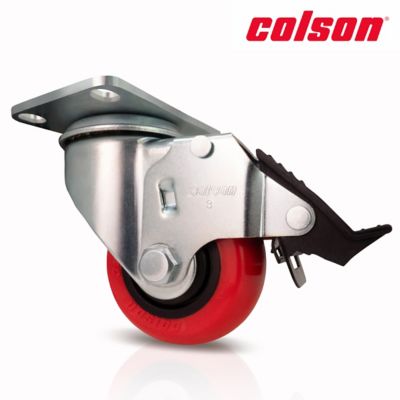
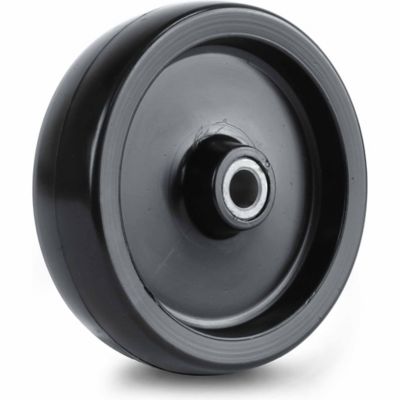
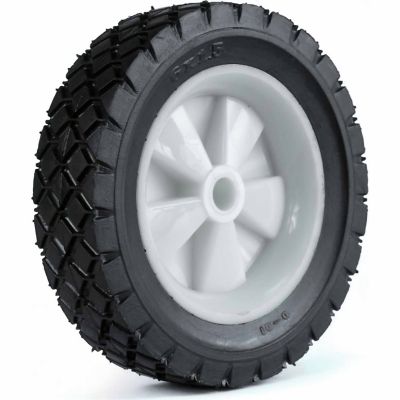
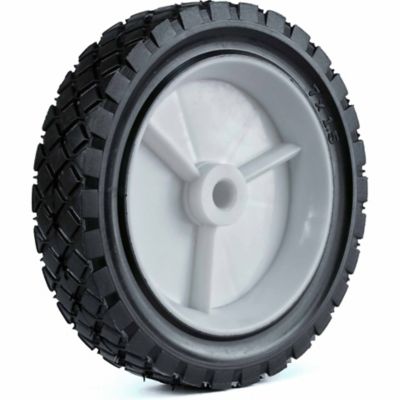
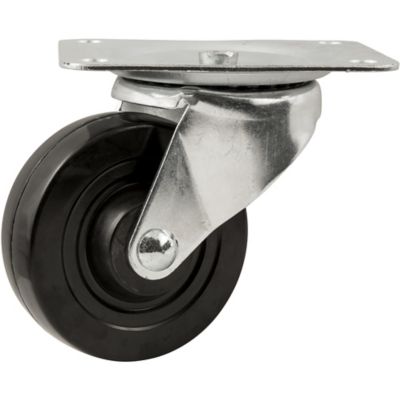
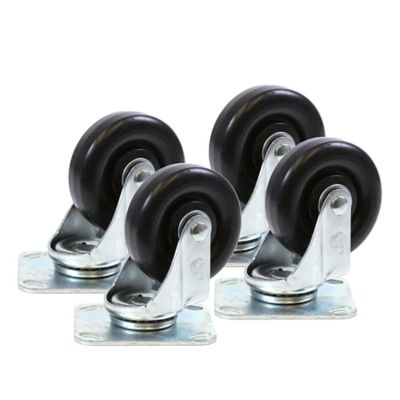
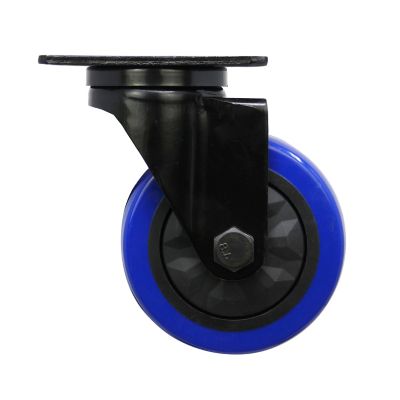
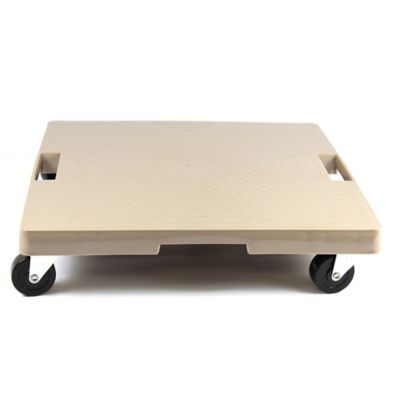
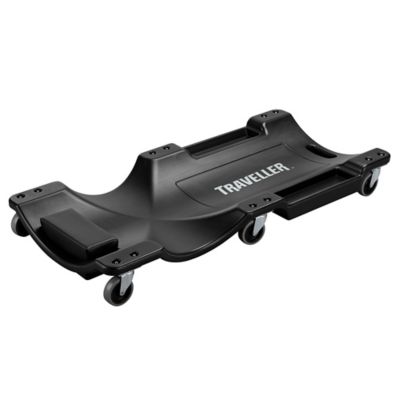
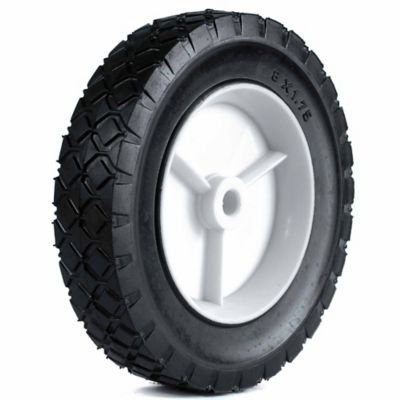
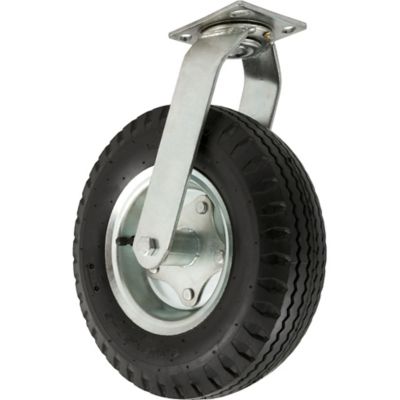
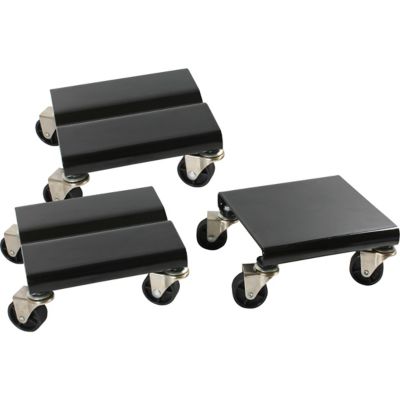
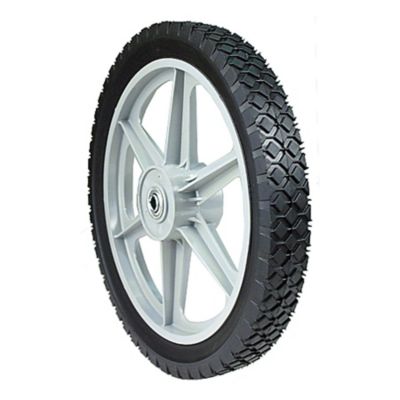
Plastic casters are a handy way to add rolling convenience to furniture, carts, shop fixtures and light-duty equipment around the home, barn, garage or business. Made from durable plastics such as nylon, polyolefin or polypropylene, these small wheels are valued for being lightweight, affordable and resistant to moisture, many common chemicals and everyday wear. They can help turn a stationary work table into a movable project surface, make a storage cart easier to pull across the shop, or let a small utility stand slide out of the way when chores are finished. Plastic casters are also useful on rolling bins, display fixtures, office furniture, feed-room organizers and workbenches that need to be repositioned from time to time. Since they generally leave less marking than some rubber wheels, they can be a practical choice for clean, finished surfaces, although the floor and the condition of the wheel still matter. A bit of grit caught in a caster can act like sandpaper, especially on delicate hardwood or sealed flooring, so clean wheels and a properly rated load are important. Hard plastic wheels may roll with more sound on concrete, tile or other firm floors, but that tradeoff is often worthwhile in a mudroom, utility area, warehouse corner or working shop where easy movement matters more than a whisper-quiet glide. During the cooler months, rolling storage and equipment can make it easier to clear walkways, shift supplies indoors and keep frequently used tools close at hand without lifting and carrying every item.
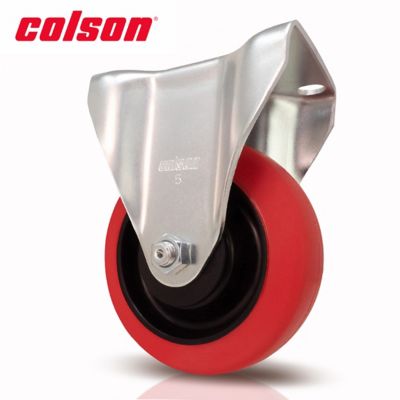
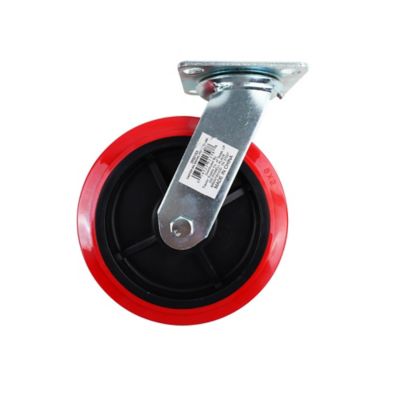
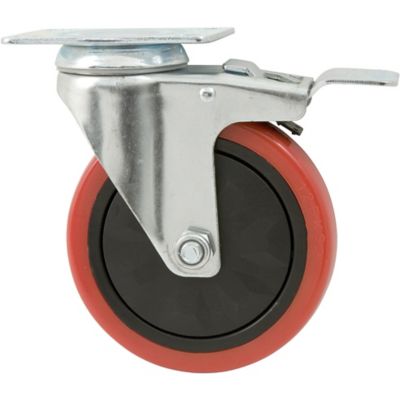
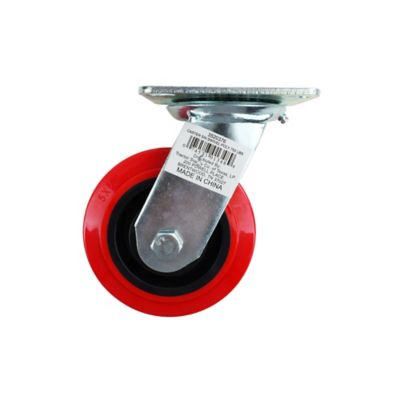
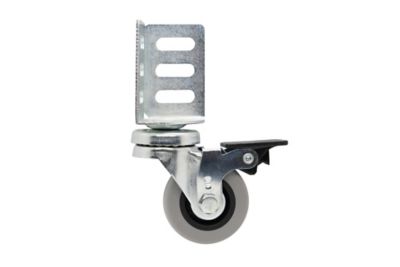
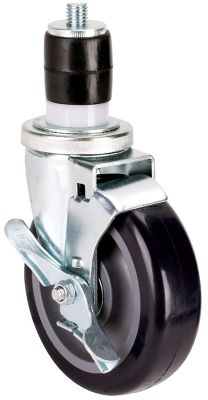
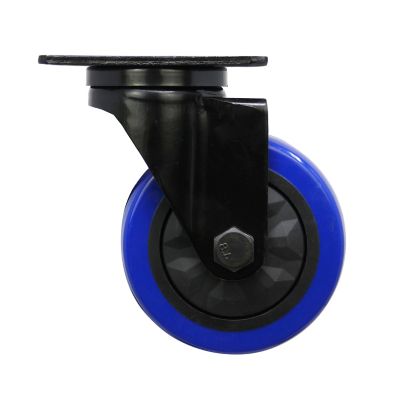
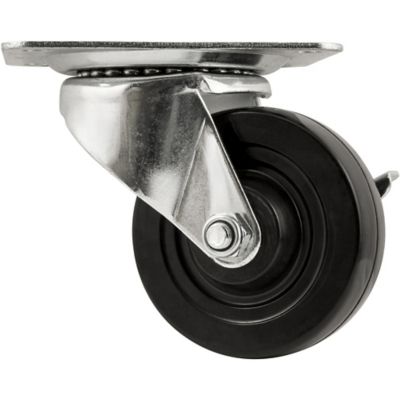
Choosing the right plastic casters starts with the item they will support and the surface where they will travel. Look for the caster’s weight rating, then consider the total weight of the furniture, cart or equipment along with anything placed on it. A listed capacity is commonly given per wheel, but dividing the total load evenly among all wheels can be optimistic because floors are not always perfectly level and one wheel may carry more weight than the others. Leaving a little room below the maximum rating helps the casters roll more reliably and hold up better over time. Light- to medium-duty plastic casters often support roughly 40 to 150 pounds per wheel, depending on their size, construction and mounting style. Smaller wheels work well where clearance is tight and the load is modest, while larger wheels tend to move more easily over seams, thresholds, gravelly shop floors and other minor obstacles. A swivel caster turns in any direction and is useful at the front or all four corners of a cart that needs to maneuver in a narrow space. Fixed casters travel in a straight line and can add stability or make a longer cart easier to guide. Some setups use a combination of both. Mounting is another key detail: plate-mount casters attach to a flat surface with screws or bolts, while stem-mount versions fit into a prepared socket or mounting hole. Measure the existing mount before ordering replacements, including the plate size, hole spacing, stem diameter, stem length and available clearance. Also check the wheel width and overall height so doors, drawers and nearby parts will still open and move as intended. When replacing old casters, matching the original height can help keep a work surface level and prevent a cart from leaning.
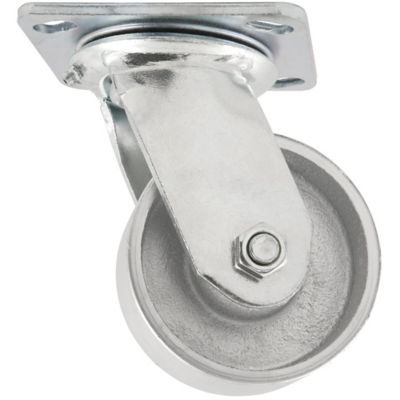
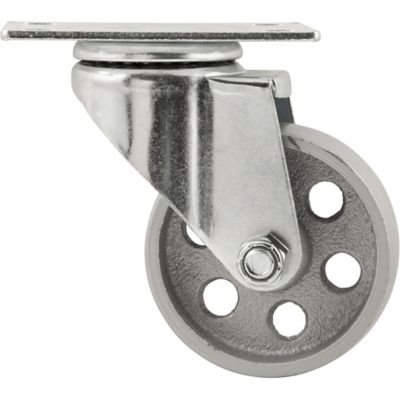
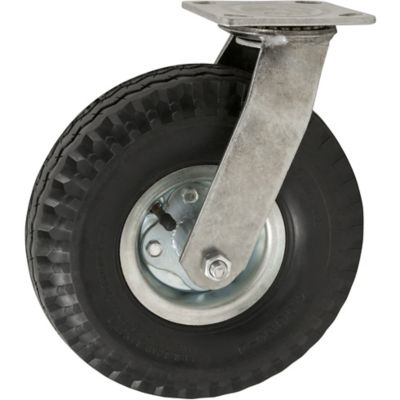
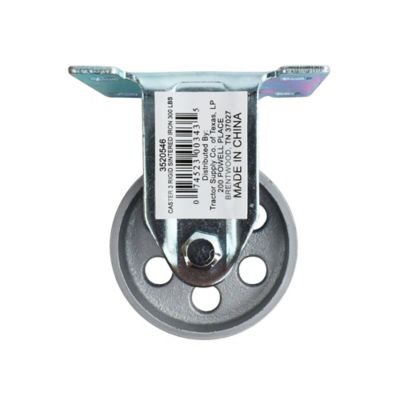
Plastic casters are a good fit for people who enjoy practical projects and want a simple way to improve the usefulness of everyday equipment. A homeowner might add them to a compact worktable so it can roll out for repairs and tuck against the wall afterward. In a garage, they can help organize hand tools, cleaning supplies or seasonal equipment without committing every item to a permanent spot. Gardeners can use rolling storage to keep pots, hand tools and soil amendments together, then move the setup closer to a sunny window or sheltered work area as conditions change. In a barn or utility room, casters can make light-duty bins and small racks easier to shift while sweeping, checking for leaks or preparing for a change in routine. They may also be a thoughtful add-on for someone setting up a first workshop, sewing room, craft space or home office, especially when the project involves updating a sturdy table or cabinet already on hand. Before installation, inspect the mounting surface for cracks, loose fasteners or weakened wood, and use hardware suited to the material and load. Tighten each fastener evenly, make sure every wheel sits flat, and test the finished piece on the actual floor where it will be used. Keep heavier items low and centered, avoid pushing a loaded cart sideways across uneven ground, and use brakes when the caster design includes them. Regularly remove hair, straw, dust and packed dirt from the wheel and swivel area, then check for flat spots, cracks, wobbly mounts or unusual resistance. For heavier loads, rough outdoor travel or demanding shop conditions, compare plastic construction with
Metal Casters to find a wheel material that matches the job. With the right size, mount, wheel design and capacity, plastic casters can provide an economical, low-maintenance way to keep light and medium-duty equipment moving smoothly through daily work.