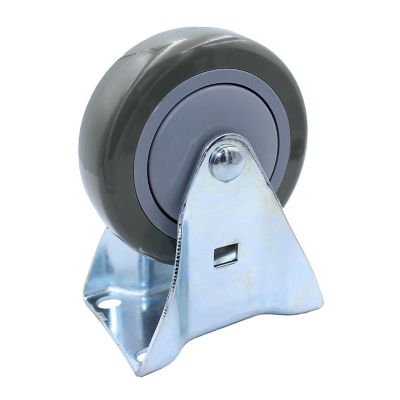
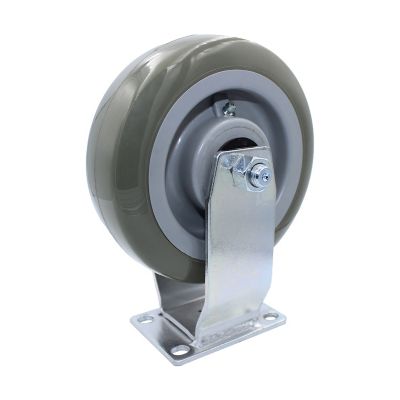
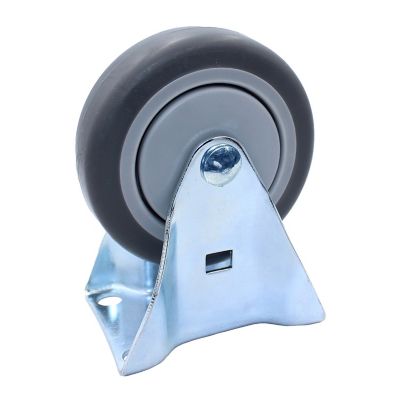
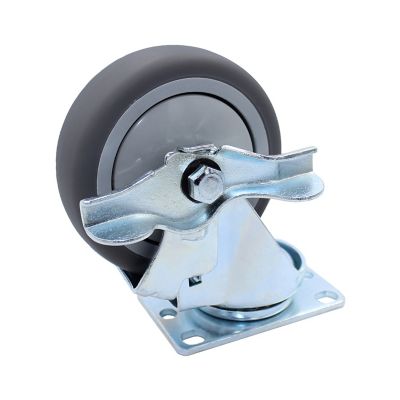
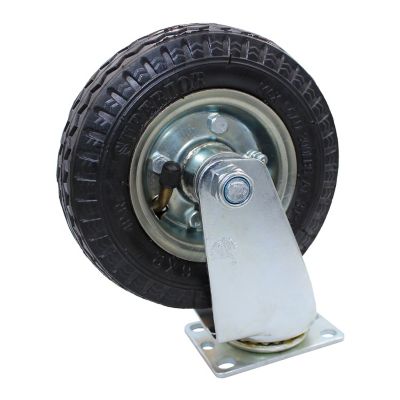
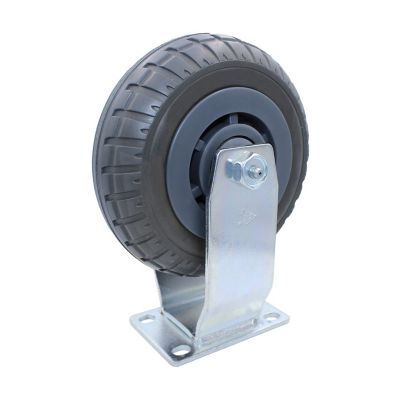
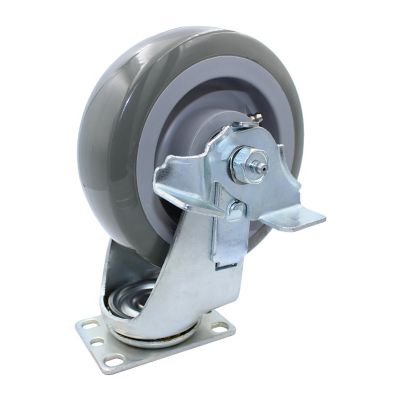
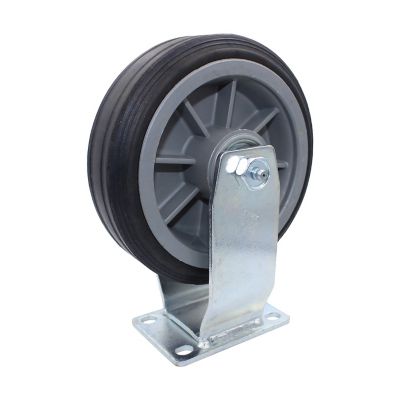
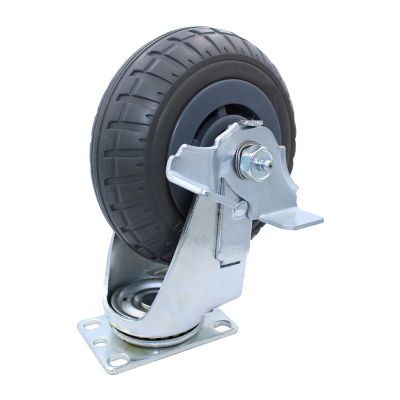
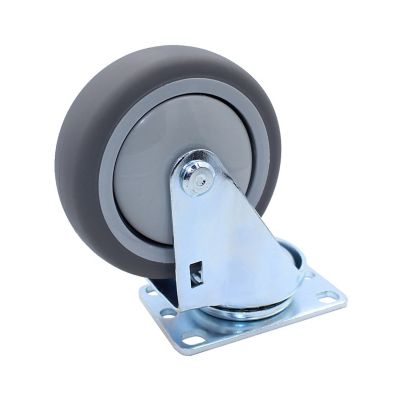
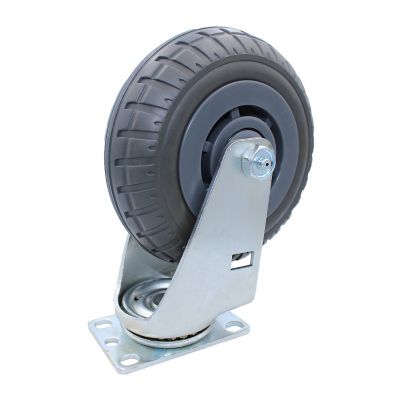
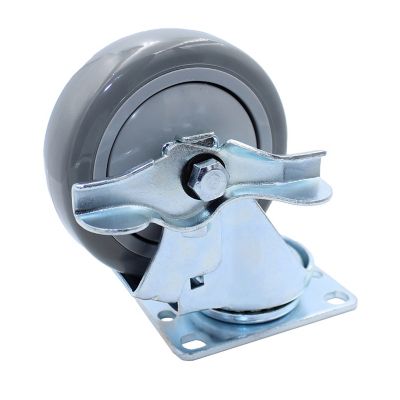
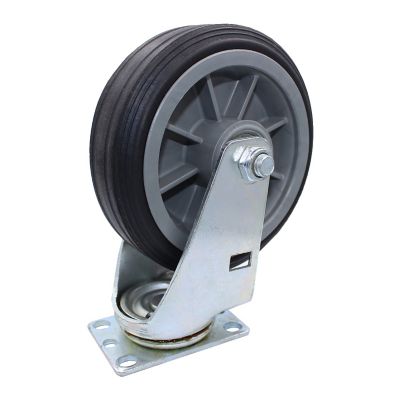
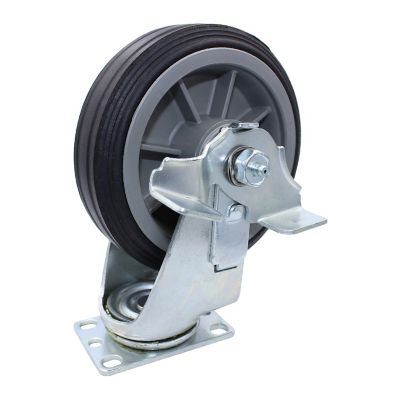
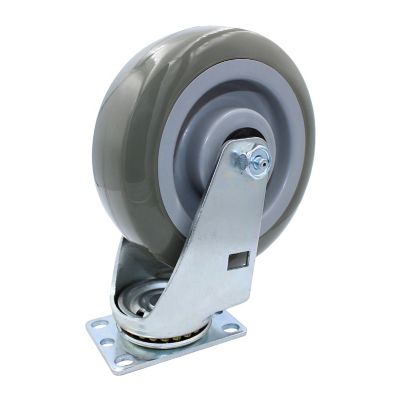
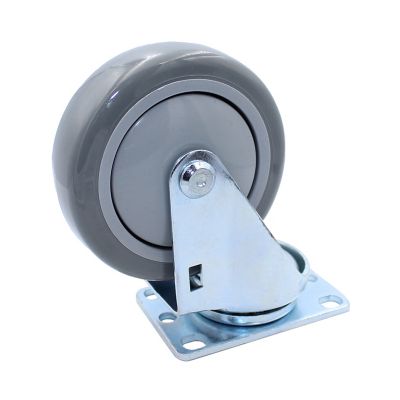
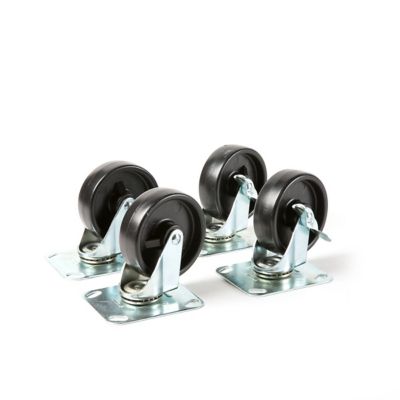
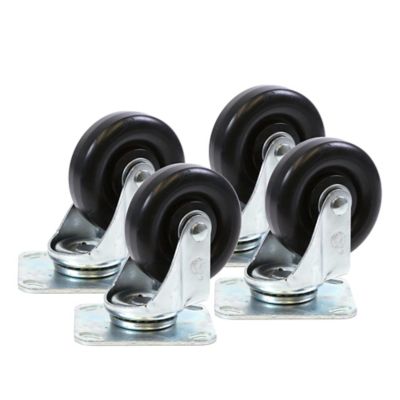
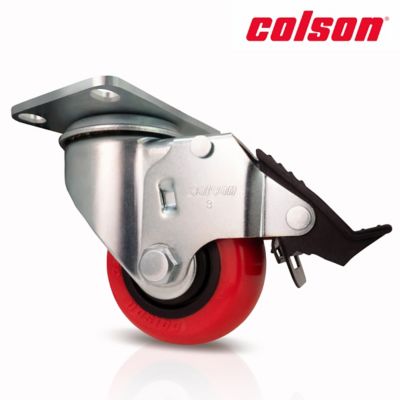
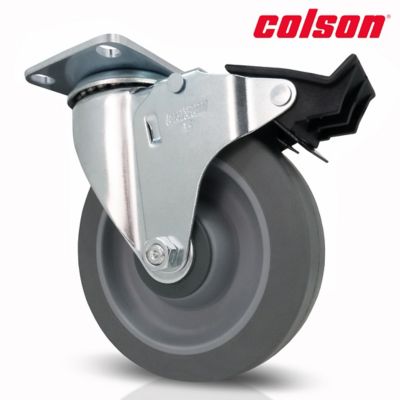
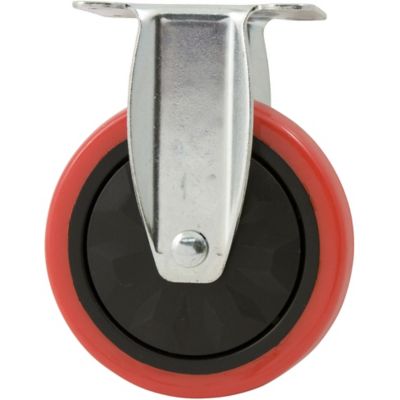
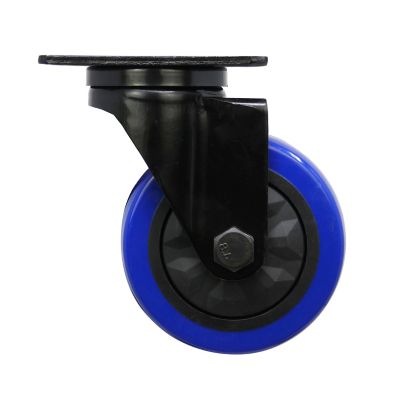
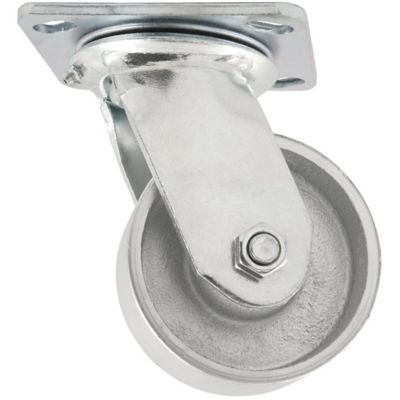
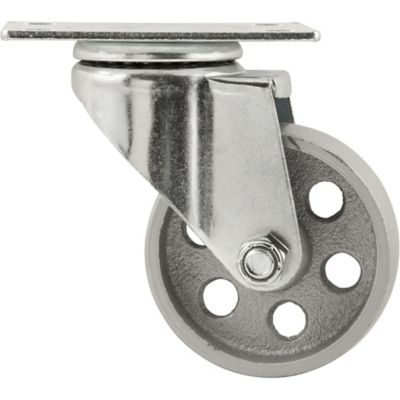
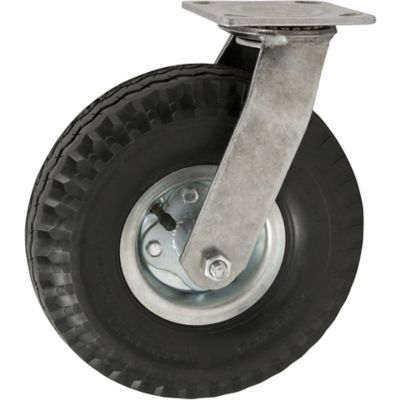
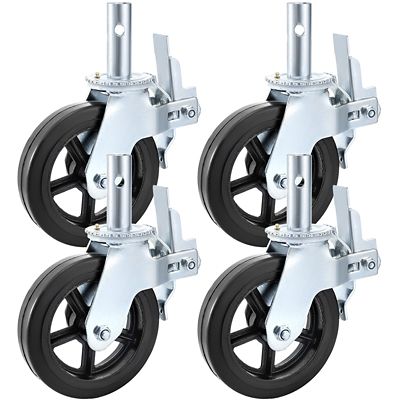
Caster replacements help keep carts, rolling benches, shop seats and other wheeled equipment moving without the dragging, rattling or stubborn steering that can slow down a job. A caster is more than the wheel itself: the complete assembly includes the wheel, its supporting bracket and a mounting connection, with a swivel mechanism on models designed to turn. Replacement wheels can address worn tread or wheel damage when the surrounding assembly remains sound, while a complete replacement caster also addresses a bent bracket, loose swivel or damaged mounting connection. These parts earn their keep in farm shops, garages, barns, storage rooms and workspaces where supplies need to move from one spot to another. A cart carrying feed bags across a concrete aisle has different needs than a rolling seat near a workbench, so intended use matters as much as appearance. Wheel material plays a big part in how equipment rolls and how it treats the surface beneath it. Rubber tread can soften vibration and reduce rolling noise, while polyurethane often balances load support with floor protection. Neither material guarantees a mark-free floor; tread formulation, trapped debris and the floor finish all matter. Harder wheels, including some nylon and metal designs, can roll readily under substantial loads on suitable surfaces, but they may transmit more noise and vibration. Metal wheels can also damage flooring that cannot handle their concentrated contact. Wheel diameter changes the feel of a loaded cart, too. Larger wheels generally cross small joints and shallow gaps more easily than smaller ones, although no caster makes an unsuitable route safe. Wider treads may spread weight over a larger contact area, depending on wheel construction. For folks moving tools, parts or supplies throughout the day, the best match is one that suits the load, the floor and the amount of turning the job requires—not simply a wheel that looks close to the original.
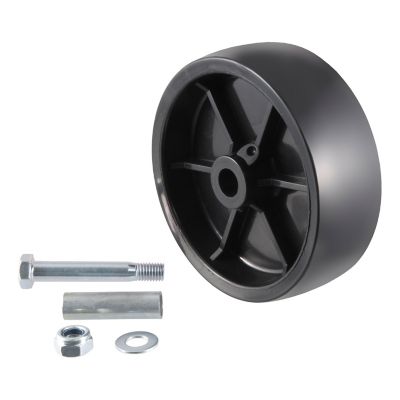
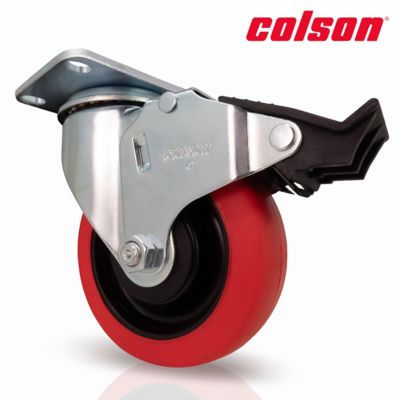
Fit is where caster replacements either settle in properly or create new trouble. Plate-mounted casters attach through a flat mounting plate, and compatibility depends on plate dimensions, bolt-hole spacing, hole size and clearance around the mounting area. Stem-mounted casters fit into a socket or threaded opening, with stem diameter, length and connection style determining the match. A grip-ring stem and a threaded stem are not interchangeable just because their wheels share the same diameter. Overall mounting height matters alongside wheel size because it determines how high the equipment sits after installation. Mixing heights can leave a cart rocking, shift weight onto fewer wheels or change the working height of a bench. Wheel-only replacements have their own fit requirements, including wheel width, bore diameter, hub length and axle compatibility. Load ratings deserve the same attention as mounting measurements. The weight to account for includes both the empty cart or equipment and everything it carries, and a per-caster rating is not the same as the capacity of the whole setup. On a four-caster cart, uneven floors can leave three wheels carrying much of the load, so dividing total weight by four may leave too little allowance for real working conditions. Manufacturer guidance should govern capacity, operating conditions and the suitability of the mounting structure. Steering style also affects everyday handling. Rigid casters track in a fixed direction, while swivel casters allow turns and side-to-side positioning. A combination can help a longer cart follow a straight path without making every corner a wrestling match. All-swivel arrangements offer maneuverability in tight spaces but can take more effort to keep traveling straight. Brake designs differ as well: some stop wheel rotation, while total-lock designs typically restrain both the wheel and swivel. A brake is not a substitute for proper parking practices or a setup approved for sloped surfaces. Clearance for feet, nearby shelving and the full sweep of a swivel caster helps determine whether the finished setup will work comfortably.
Long service life depends on more than a strong-looking bracket or a thick wheel. Bearings, tread construction, mounting hardware and the surrounding frame all contribute to how caster wheels hold up through repeated trips. A smooth concrete shop floor presents a different challenge from an aisle scattered with wood shavings, baling twine or metal filings. Loose material can wrap around axles, interfere with swivels or become embedded in softer tread, making routine cleanup worthwhile. Hair and string caught behind a wheel can make an otherwise sound caster feel stiff, while flat spots, cracked tread, wobbling hubs and loose mounting points can signal a need for attention. Care requirements vary by design: some bearings need lubrication at specified intervals, while sealed assemblies may require different treatment. Cleaning methods and lubricants should match the manufacturer’s recommendations, especially where wheels may contact grease, cleaners or other shop chemicals. Washing equipment also calls for attention to bearing protection and the corrosion resistance of exposed metal components. For a rolling workbench that stays near one work area, steady positioning and a suitable locking arrangement may matter most. For a supply cart traveling between storage racks and a loading area, rolling resistance, directional control and clearance over floor joints become bigger considerations. Neither setup benefits from a replacement that transfers more weight than the frame can support or raises the equipment beyond a comfortable working height. Matching the original specifications, or confirming an approved alternative, helps preserve the way the equipment was meant to handle. Caster replacements belong among the practical repair parts that help keep a busy shop running, alongside other equipment-specific parts found through
Rotor Replacements. Whether the job involves a lightly loaded utility cart or a substantial rolling workstation, attention to fit, floor contact, load limits and ongoing care helps keep everyday movement manageable.