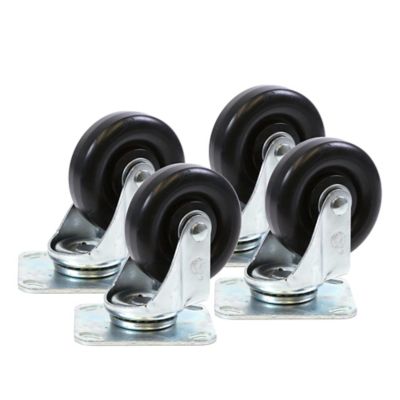
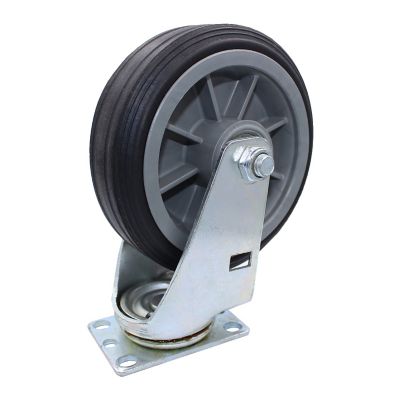
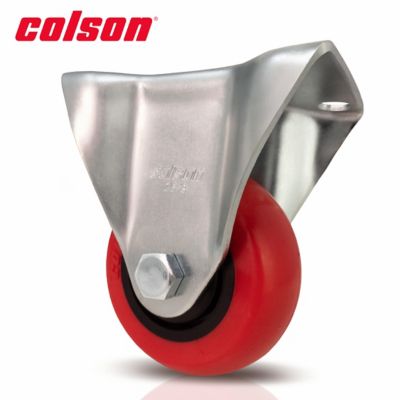
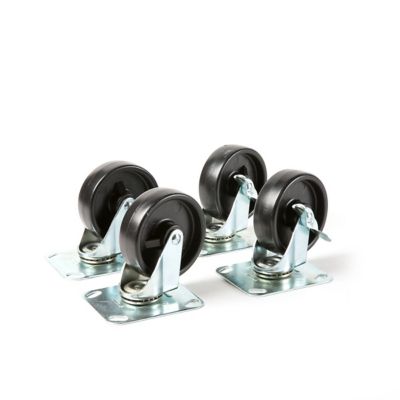
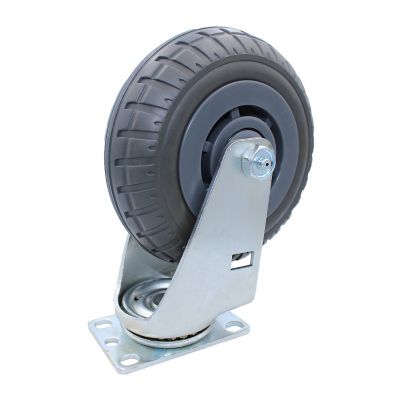
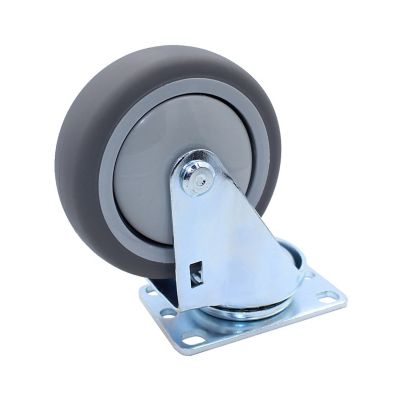
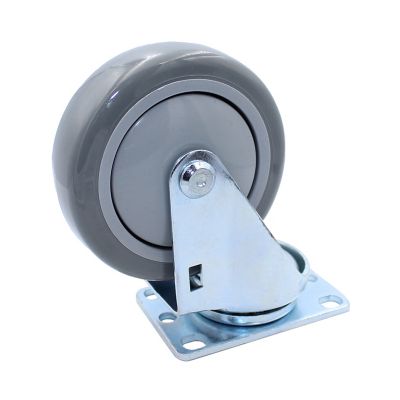
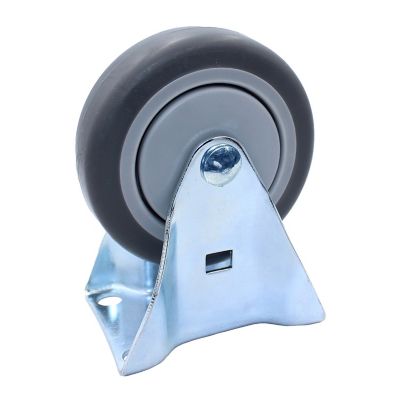
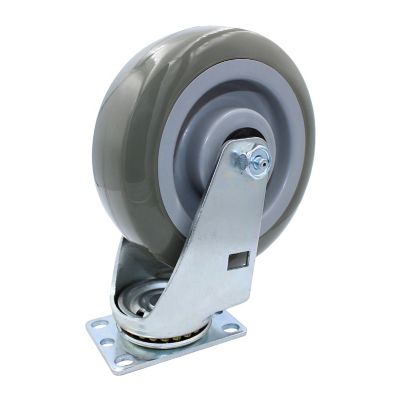
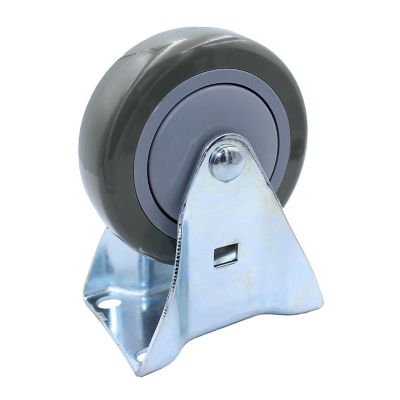
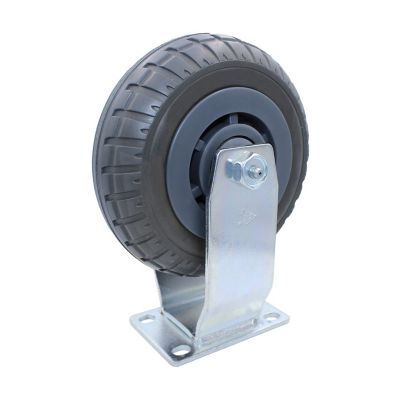
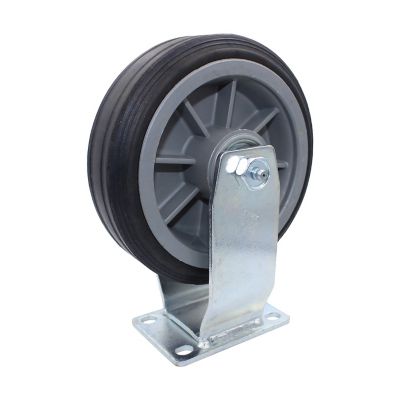
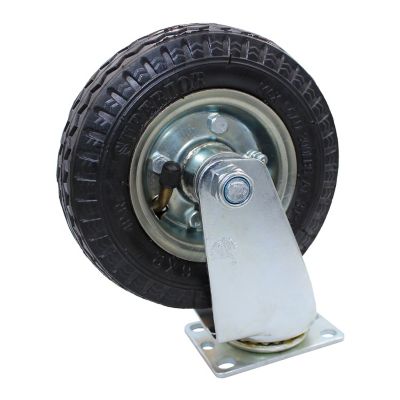
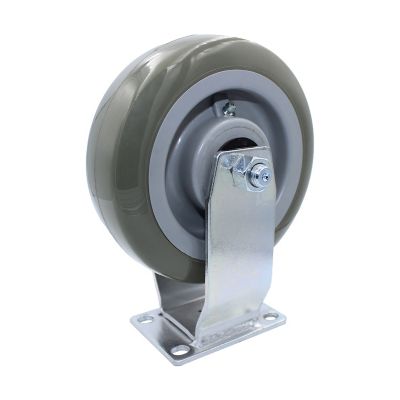
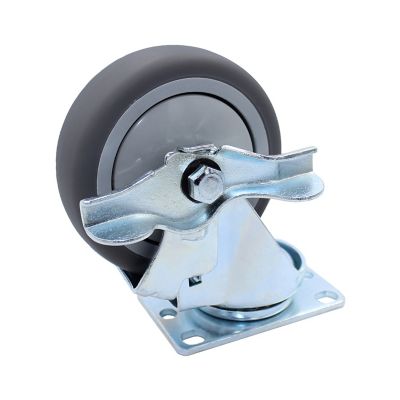
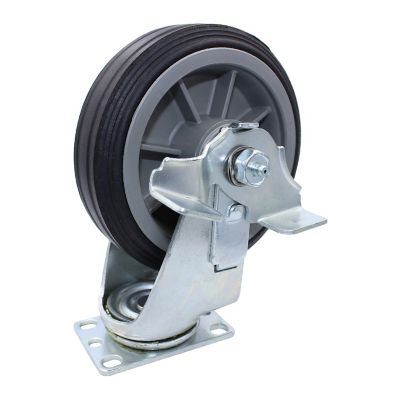
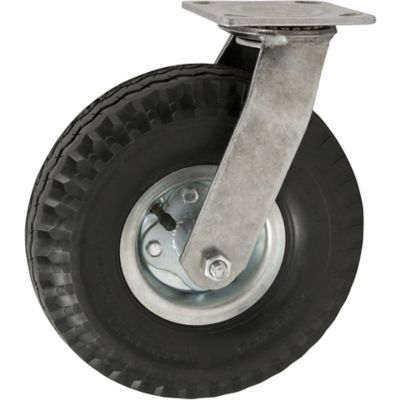
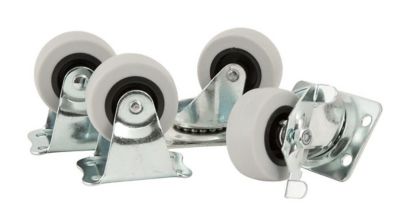
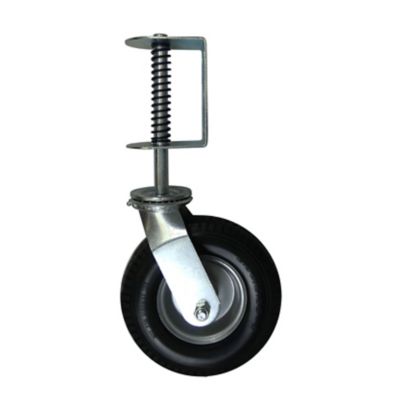
Replacement casters are wheel-and-mount assemblies that give carts, workbenches and other movable equipment rolling support. The right replacement matches the equipment’s mounting style and dimensions, supports the expected load and has a wheel material suited to the floor. That combination matters whether a cart carries feed sacks across a barn aisle or tools between work areas in a garage. A caster includes more than the wheel itself: its bracket, mounting connection and, on swivel models, turning assembly all affect fit and movement. Plate-mounted casters attach through a flat mounting plate, so plate length, plate width, bolt-hole spacing and hole diameter are important measurements. Stem-mounted casters fit into a socket or threaded opening, making stem diameter, stem length and connection style essential. Threaded stems also need the correct thread pitch, while grip-ring stems need a compatible receiving socket. Similar-looking mounts are not necessarily interchangeable, and a close fit can still leave an assembly loose or prevent it from seating fully. Overall caster height deserves just as much attention as the mounting connection. A taller or shorter replacement changes the working height of a bench and can leave a cart sitting unevenly when it does not match the other wheels. Clearance beneath shelves, frame rails and equipment housings also affects whether the wheel can swivel freely. When replacing only a wheel rather than the complete caster, axle diameter and hub width become additional fit considerations. Load capacity should account for the weight of the equipment plus everything it carries, not just an empty frame. Ratings generally apply to an individual caster under the manufacturer’s stated conditions. Uneven floors can shift weight onto fewer wheels, while floor joints and sudden stops add stress beyond a steady, evenly distributed load. The mounting hardware and equipment frame must also support the application; a higher-rated caster does not strengthen a cracked frame or damaged mounting point.
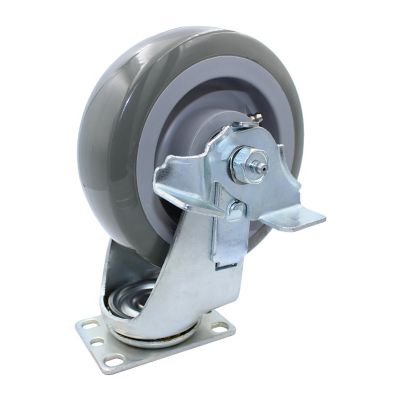
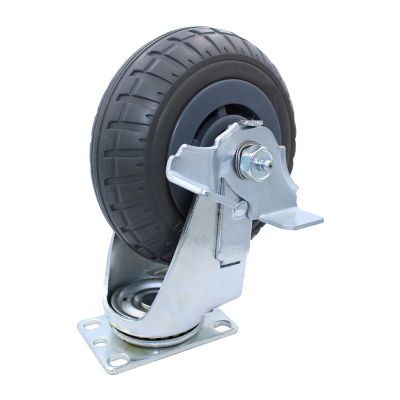
Wheel material makes a noticeable difference in how replacement casters roll, sound and treat the floor beneath them. Rubber wheels can cushion movement and soften the clatter of a cart crossing concrete joints, which is helpful around shared workspaces or equipment that carries loose tools. Some rubber compounds can leave marks, so a stated non-marking designation matters where floor appearance is a concern. Polyurethane wheels can offer a balance of load support, rolling ease and floor protection, though tread hardness and construction vary. A softer tread may absorb more vibration, while a harder tread generally deforms less under weight. Nylon, polypropylene and other hard plastics often roll readily on smooth, firm surfaces, but they provide less cushioning over rough spots. When comparing
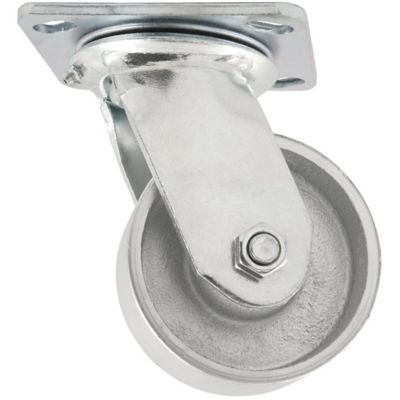
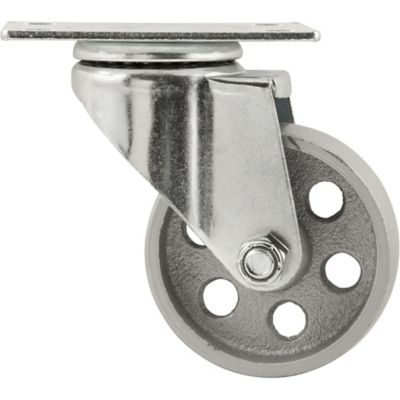
Plastic Casters, the resin type, load rating and intended floor surface matter more than appearance alone. Resistance to oils, cleaning solutions and other substances depends on the particular material, so compatibility deserves attention around shop fluids or wash areas. Metal wheels suit certain heavy industrial applications, but their hard contact surface can create more noise and may damage floors that cannot handle concentrated pressure. Wheel diameter also changes the way a load moves. Larger wheels generally cross small cracks and floor joints more easily than smaller wheels, provided there is enough mounting clearance and the resulting equipment height still works. Smaller wheels can keep low equipment closer to the floor, though they tend to catch more readily on debris and uneven transitions. Tread width influences contact with the floor and how readily a wheel turns under load. A wider tread may spread weight over a larger area, but width alone does not establish capacity or floor protection. Smooth shop concrete, sealed garage floors and packed work areas each call for different considerations. Loose gravel and deeply rutted ground present challenges that small, hard casters are not built to handle; wheel construction and the equipment’s intended operating surface need to match the job.
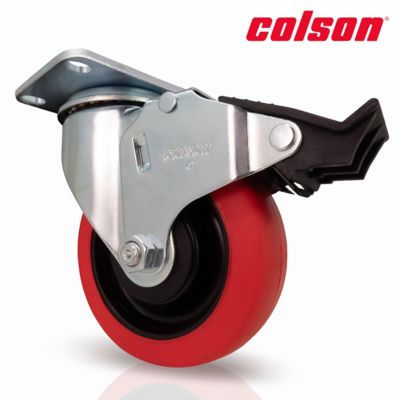
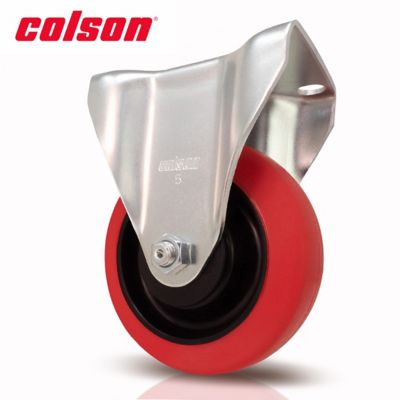
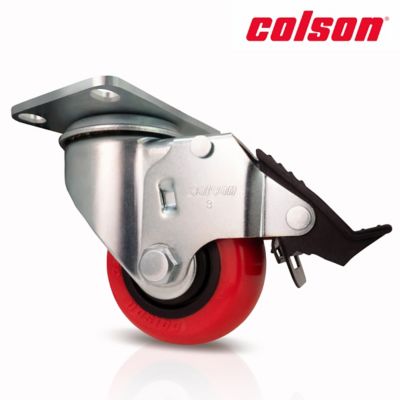
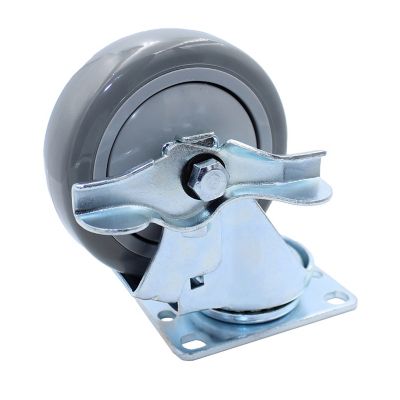
Caster layout determines whether equipment tracks straight, turns in tight quarters or stays put during work. Rigid casters roll along a fixed path, making them useful where steady directional travel matters. Swivel casters let a cart change direction without lifting one end, which helps around workbench corners, shelving and narrow shop aisles. A combination of rigid and swivel assemblies can provide straight-line control along with steering, while an all-swivel arrangement allows more sideways movement but can take more effort to keep on course. For a farm shop cart loaded with sockets and hand tools, that difference shows up when backing into a space beside the bench. On a movable worktable, keeping the surface still may matter more than making a tight turn. Brake designs vary: some stop wheel rotation, while total-lock designs typically restrain both wheel rotation and the swivel action. The manufacturer’s description should make clear which movement a brake controls. Brake access matters, too, especially when a pedal could end up tucked beneath a cabinet or behind a frame rail. Bearings influence rolling effort, and seals or shields can help limit contamination according to their design. Twine, wire, hair and shop debris can wrap around axles and make an otherwise sound wheel drag. Routine care includes keeping wheels clear, checking mounting hardware and watching for cracked tread, flat spots, loose swivels or side-to-side wobble. Lubrication requirements vary, so service should follow the caster manufacturer’s directions rather than assuming every bearing needs grease. Moisture exposure and contact with cleaning agents also affect the choice of bracket finish and hardware. Farmers, mechanics, maintenance crews and folks keeping a home workshop organized all benefit from casters matched to the actual load and travel path. A feed cart that rolls without fighting every floor seam, or a tool cabinet that turns into its parking spot without scraping a wheel sideways, makes everyday hauling and cleanup less of a chore.