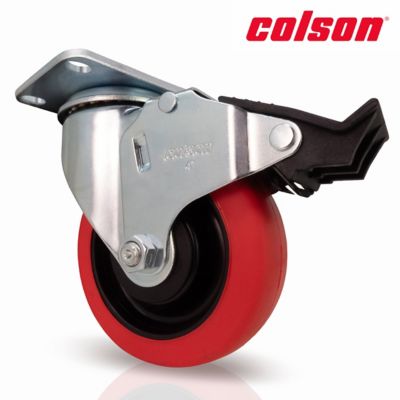
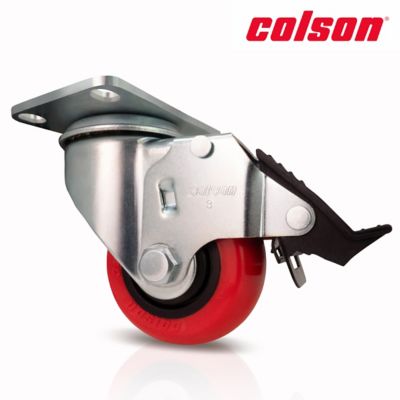
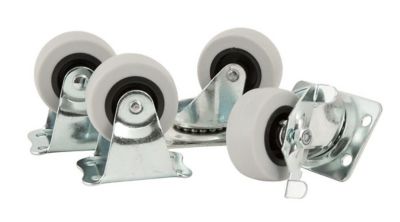
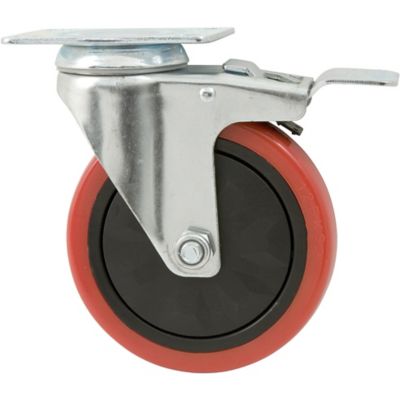
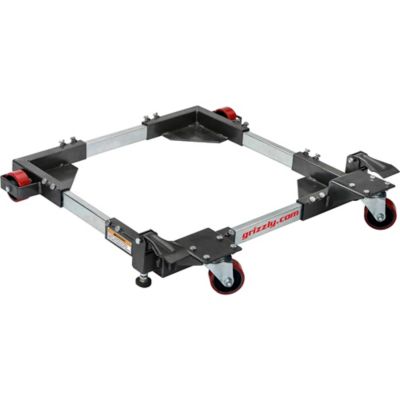
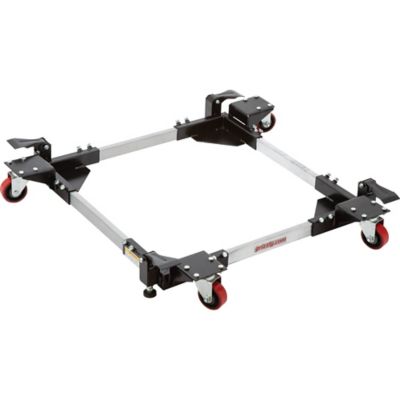
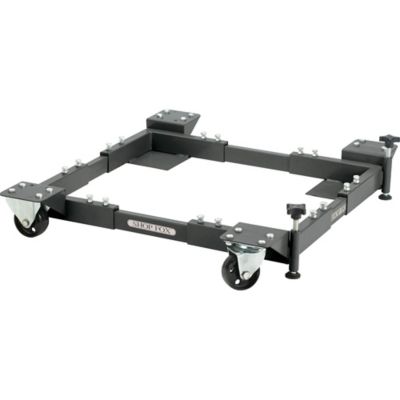
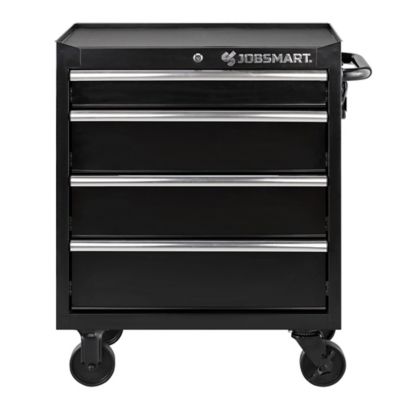
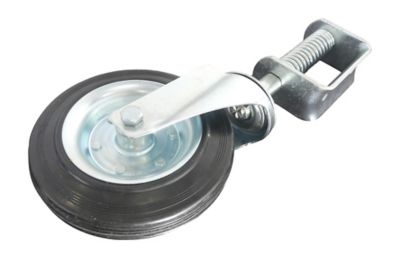
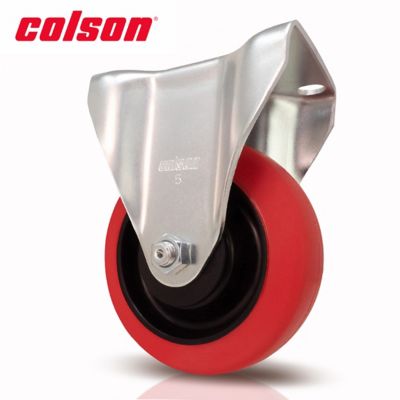
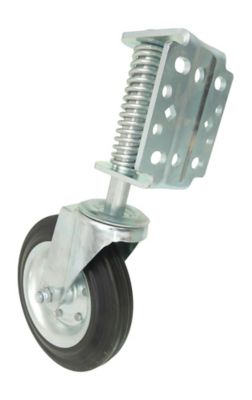
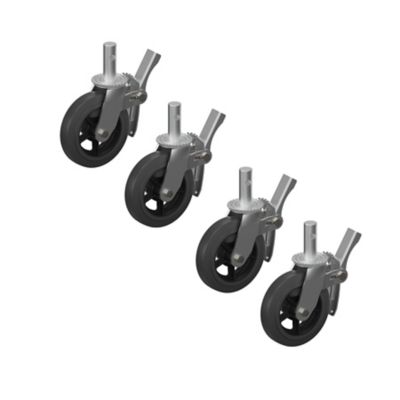
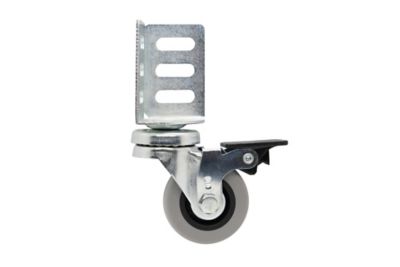
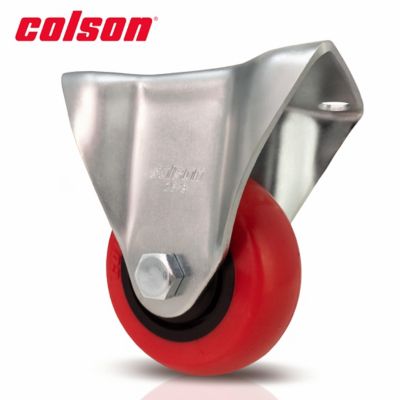
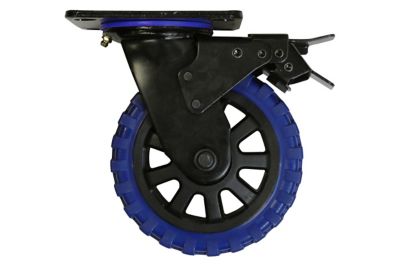
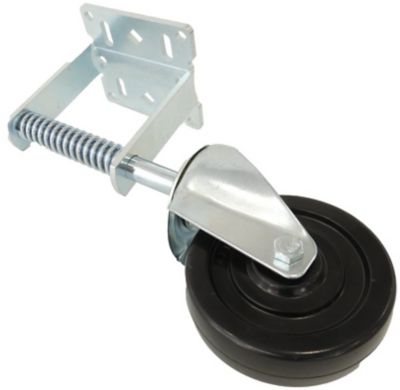
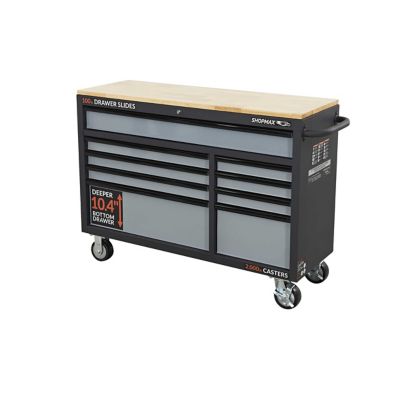
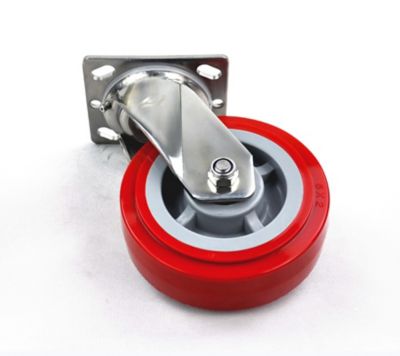
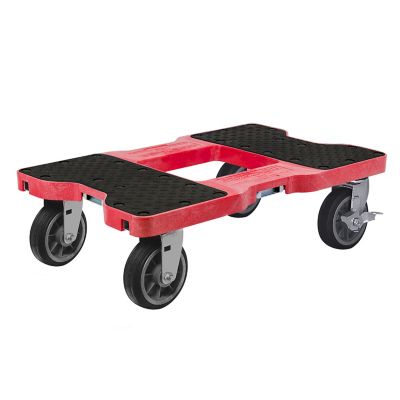
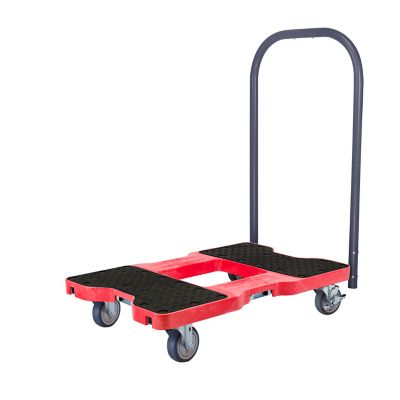
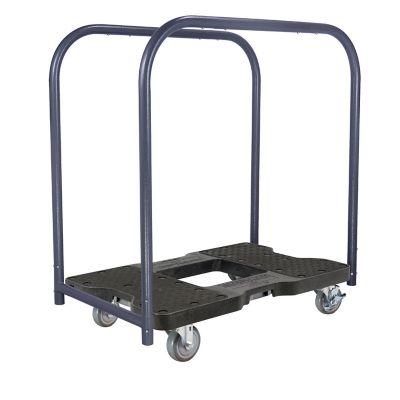
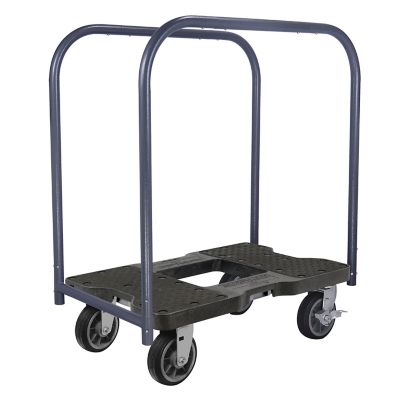
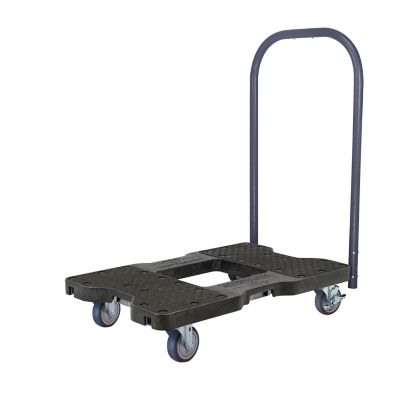
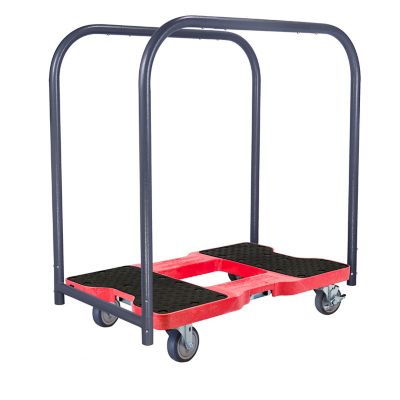
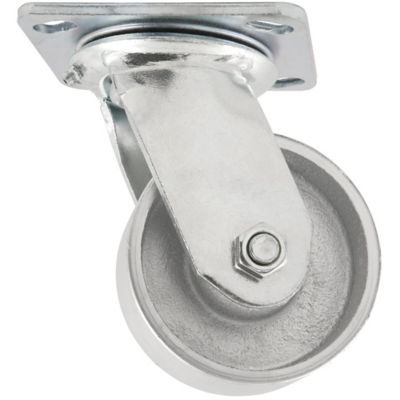
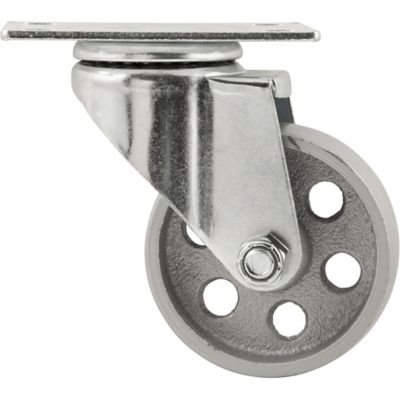
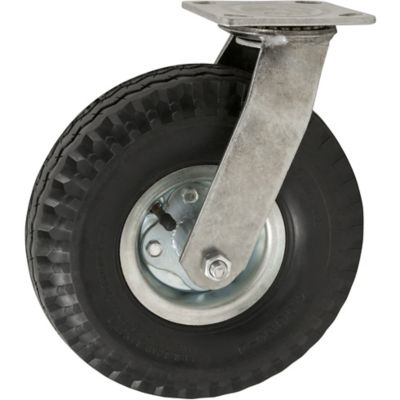
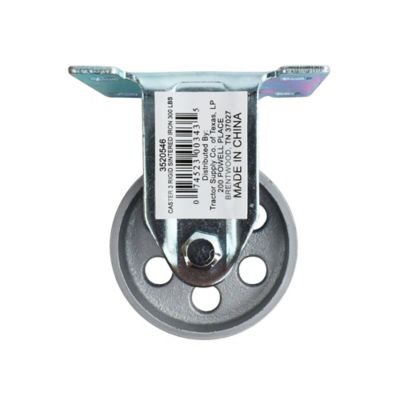
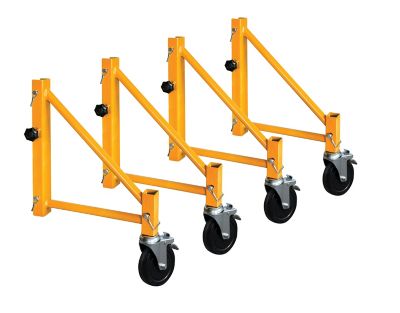
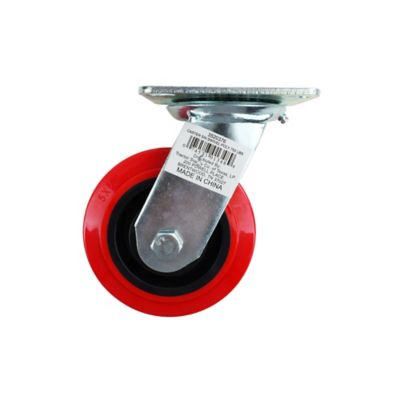
Industrial casters make it easier to move the heavy, hardworking items found around a farm, shop, garage, warehouse or worksite. They are wheels fitted with mounting hardware, allowing equipment, carts, racks, worktables, bins and other large items to roll instead of being dragged across the floor. That simple change can save time and spare backs, knees and floors from unnecessary strain. In a farm shop, casters may help move a welding table away from the wall when a larger project comes in. In a barn or feed room, they can help shift storage equipment so sweeping, repairs and seasonal rearranging take less effort. In a maintenance area, rolling equipment can keep tools close at hand while still allowing the space to be cleared when a tractor or mower needs attention. When choosing industrial casters, start with the total load they need to carry, including the weight of the equipment and anything placed on it. Divide that amount among the number of casters supporting the load, then allow room for uneven floors, sudden stops and the added strain that comes from rolling over thresholds. A caster that fits a light cart may not suit a loaded workbench, so matching the wheel and mounting hardware to the job is an important first step.
The working surface matters just as much as the load. Concrete shop floors, packed barn aisles, gravel paths and smooth indoor flooring each place different demands on a wheel. Wheel material affects how easily the equipment rolls, how much noise it makes and how it handles bumps, seams and debris. For indoor work areas,
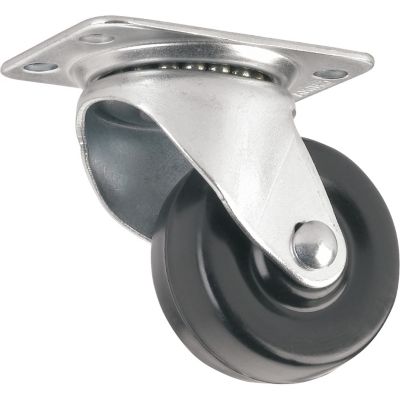
Rubber Casters may be a practical choice when a quieter roll and a little give underfoot are helpful. Swivel casters turn in several directions, which can make a cart easier to guide in tight corners, while rigid casters keep the travel path straighter and can add stability when moving a long or heavily loaded item. Many setups use a combination of both. Braked casters can help hold equipment in place while a person works, loads a shelf or handles a repair. Look closely at the brake style and make sure it is easy to reach once the casters are mounted. Mounting plates and stems also need to match the equipment, with enough room for secure attachment and proper clearance around the wheel. Before installation, check that the frame is sound, the mounting area is flat and the wheel can turn without striking a leg, shelf or nearby wall. A few minutes spent measuring wheel height, mounting space and turning room can prevent a cart from sitting unevenly or becoming difficult to steer.
Industrial casters are a useful addition for farm families, mechanics, contractors, warehouse crews, school shops and anyone who spends long hours moving equipment by hand. They can help organize a work area during the cooler months, when more projects shift indoors and every bit of floor space matters. A rolling rack can be moved aside to make room for a vehicle, while a mobile table can follow a project from the garage to the shed without repeated lifting. They also help make seasonal storage less of a chore by allowing empty bins, service stands and shop fixtures to move into a corner until they are needed again. For equipment that stays outside part of the year, consider exposure to moisture, mud, grit and changing temperatures before selecting the wheel and hardware. Keeping wheels free of packed dirt, checking fasteners and looking over the brake and swivel parts from time to time can help the setup keep rolling as intended. Avoid exceeding the load rating, and distribute weight evenly rather than stacking everything to one side. Whether the goal is to make a repair station more flexible, keep a workbench moving with the job or improve access to stored supplies, the right industrial casters can bring practical mobility to the places where hard work gets done.