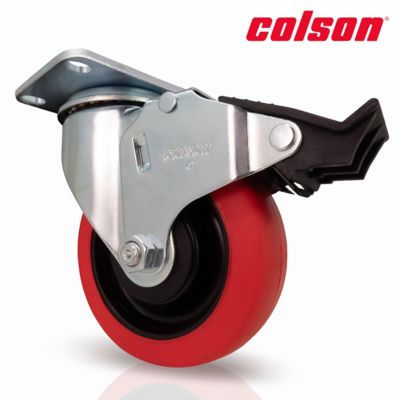
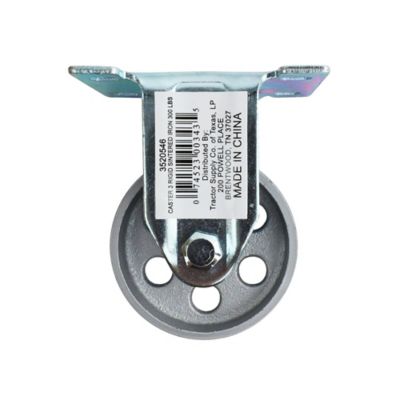
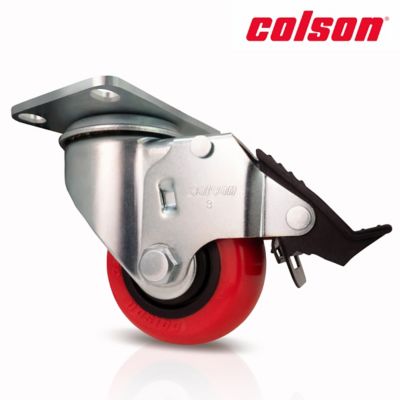
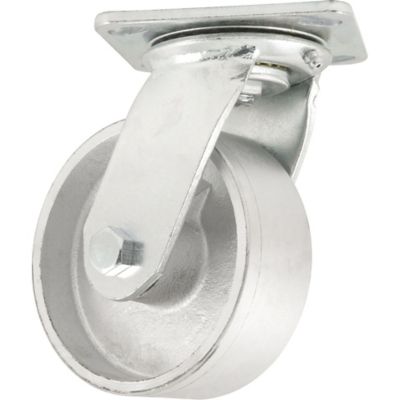
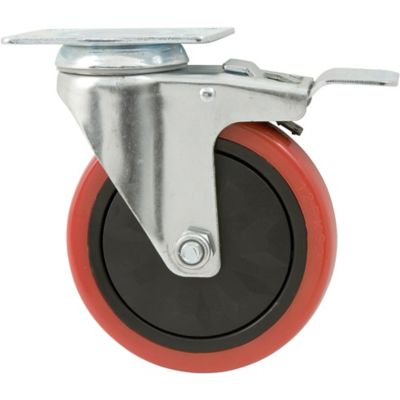
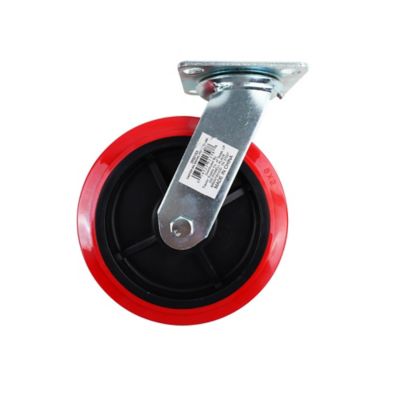
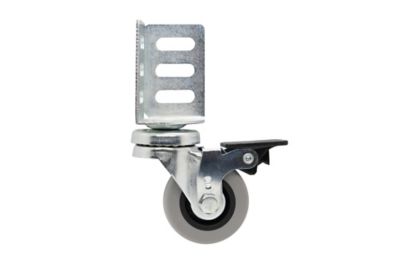
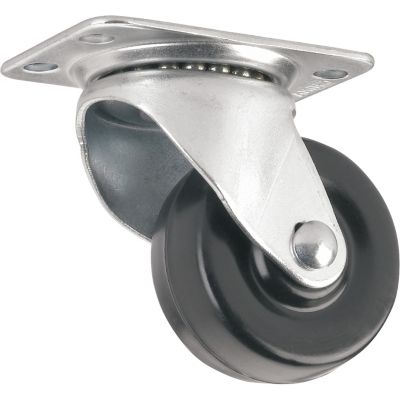
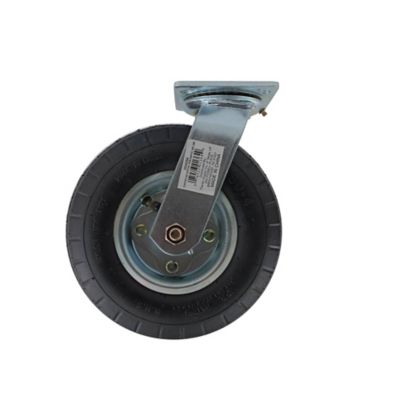
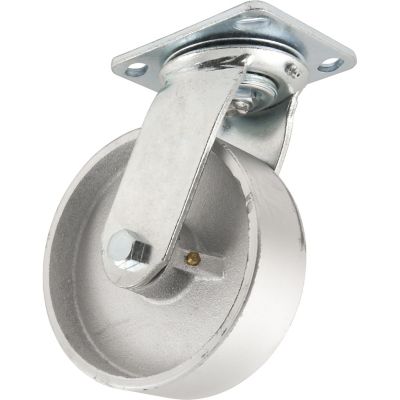
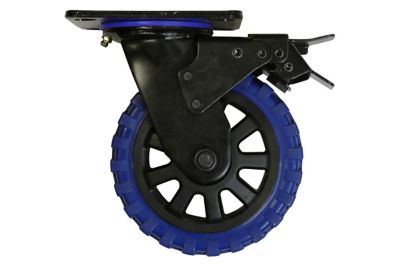
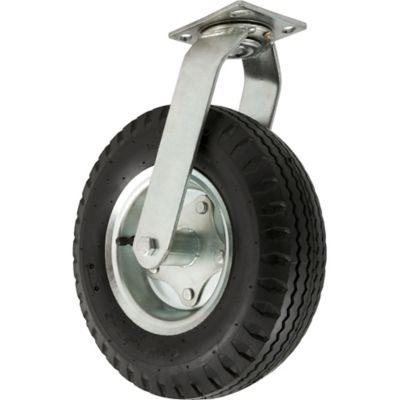
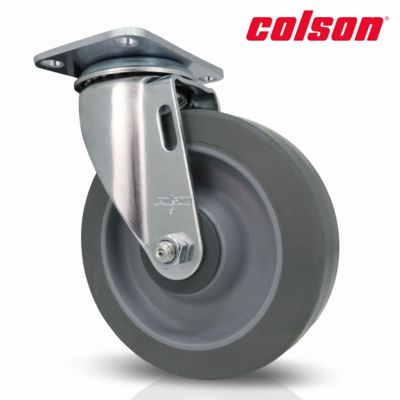
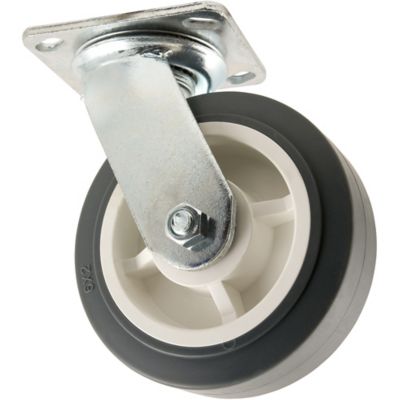
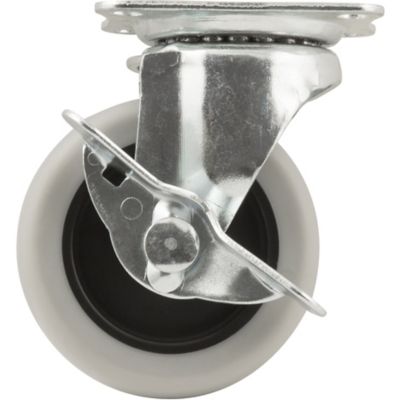
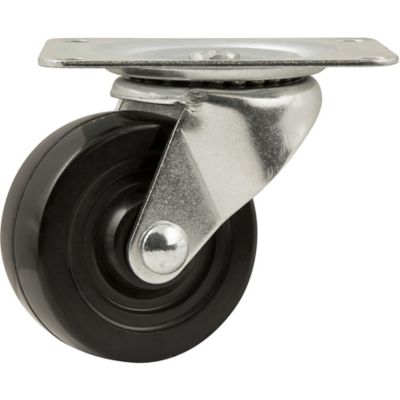
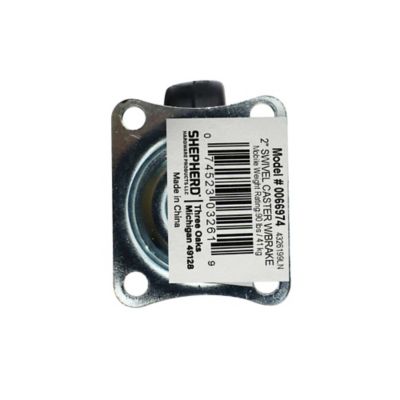
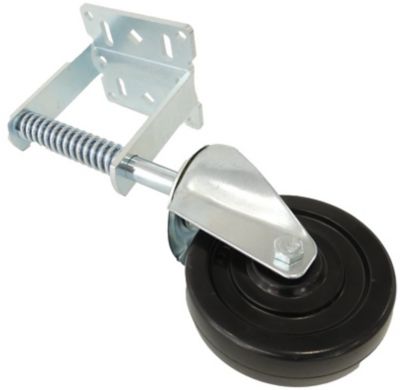
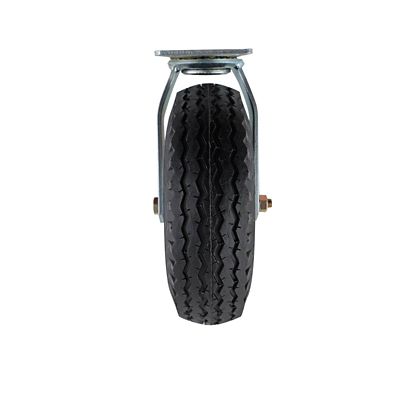
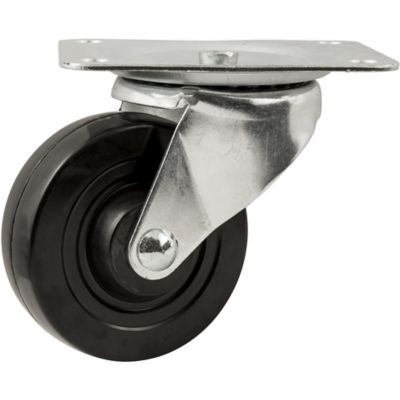
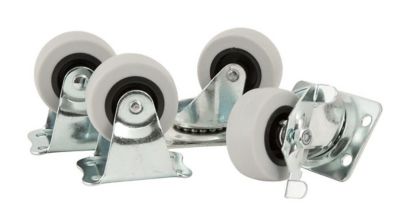
Swivel caster wheels combine a rolling wheel with a fork that pivots 360 degrees beneath its mount, allowing carts, equipment and furniture to change direction without lifting. That turning action comes in handy when a loaded shop cart needs to slip between workbenches or a movable table has to tuck against the wall. Instead of dragging a heavy base across the floor, you can steer it around corners and line it up where the work happens. Farm shops, garages, maintenance areas and home workshops all have jobs for swivel casters, from moving tool cabinets to repositioning assembly tables. The right setup depends on more than whether a wheel turns freely. A cart with swivel casters at one end and rigid casters at the other generally tracks straighter over longer runs, while an all-swivel arrangement offers more freedom to move sideways in close quarters. That extra maneuverability can also make a heavy load harder to keep on a straight path. Directional locks, where included, hold the swivel assembly in line for straighter travel. Wheel brakes and total-lock mechanisms serve a different purpose: a wheel brake stops wheel rotation, while a total-lock design stops both the wheel and the swivel action. Those distinctions matter on a work surface that needs to stay put while parts are laid out or tools are handled. Brake pedals also need enough room for a boot to reach them without getting caught beneath the frame. Wheel placement, the width of the base and the height of the load all affect how steady the equipment feels. A tall cabinet on a narrow footprint needs particular attention to tipping risk, even when its casters have enough load capacity. Swivel casters make equipment mobile, but they do not replace the leveling feet, supports or other restraints that some equipment requires during operation.
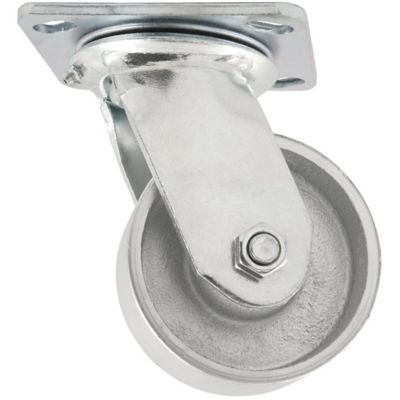
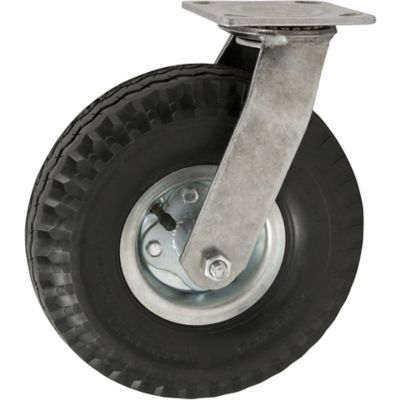
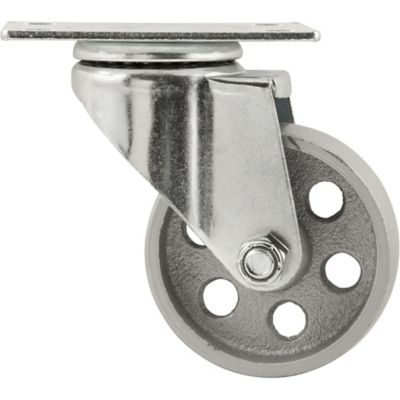
Wheel material and diameter shape how a caster feels across the floor. Rubber treads can cushion the ride and help quiet the rattle of an empty cart over concrete joints. Softer treads may also take more effort to push under a heavy load, so easy rolling and cushioning need to be balanced against the job. Polyurethane wheels often pair a firm core with a tread that provides some cushioning and resistance to abrasion; resistance to oils and cleaning chemicals depends on the particular material formulation. Nylon and other hard plastic wheels can roll readily on smooth, hard surfaces, though they tend to transmit more vibration across seams and rough patches. Cast iron and steel wheels suit certain heavy-load applications, but their hard contact surfaces demand careful attention to floor strength, noise and the possibility of surface damage. On finished floors, a nonmarking tread can help limit scuffs, but it cannot prevent trapped grit from scratching the surface. Wheel diameter matters just as much as tread material. Larger wheels generally cross joints, small gaps and minor obstructions more easily than smaller wheels, provided the assembly has clearance to swivel. Small wheels keep the overall height down, which can matter beneath a low shelf or an existing workbench, but they are more likely to hang up on debris. Wider treads can spread contact over a larger area, although floor suitability still depends on the full load and wheel construction. For rough paths or loose surfaces, an assembly specifically rated for that terrain matters more than simply choosing a larger shop caster. Pneumatic wheels can provide cushioning in suitable applications, but tire pressure becomes another maintenance consideration. Bearings also influence rolling effort. Sealed designs help limit dirt entry, while serviceable designs may call for lubrication. In a shop where sawdust, metal shavings or bits of hay collect around the benches, keeping the rolling path clear helps any tread do its job.
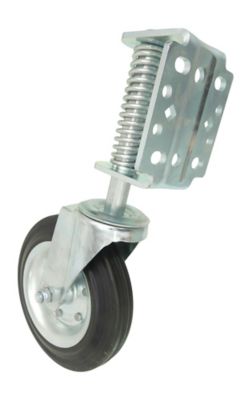
Fit starts at the mounting point, not at the outside edge of the wheel. Top-plate casters need a matching plate footprint, bolt-hole pattern and mounting surface strong enough to carry the load. Stem-mounted casters require the correct stem style, diameter, length and retaining arrangement; a threaded stem is not interchangeable with a grip-ring stem just because the wheels look alike. Overall caster height affects the finished height of a cart or bench, and replacement casters need compatible heights to keep the base level. Swivel clearance includes the space swept by the wheel, fork and brake pedal as the assembly turns. A caster that fits beneath a frame when pointed straight ahead may still strike a leg or brace while turning. Load capacity should account for the weight of the empty equipment plus everything it carries, including tools or materials added later. On four-caster equipment, sizing often assumes that only three wheels share the weight on an uneven surface; the caster or equipment manufacturer’s instructions take precedence. Impacts, movement speed and operating conditions can also affect the appropriate rating, so dividing the total weight evenly among four wheels does not tell the whole story. A load rating alone does not establish suitability for powered movement, towing or carrying people. For setups that need different steering arrangements,
Caster Wheels includes the broader category to consider alongside swivel designs. Once installed, caster assemblies benefit from attention to loose mounting hardware, worn tread, tangled cord and buildup around the axle. Hair, string and wire can wrap tightly enough to stop a wheel or strain its bearings. Lubrication belongs only where the manufacturer calls for it, and grease should stay off braking surfaces. Cracked wheels, bent forks or locks that no longer engage call for service before another load is moved. With the mounting style, tread and capacity matched to the work, swivel casters help keep a busy workspace easier to rearrange and equipment easier to steer.