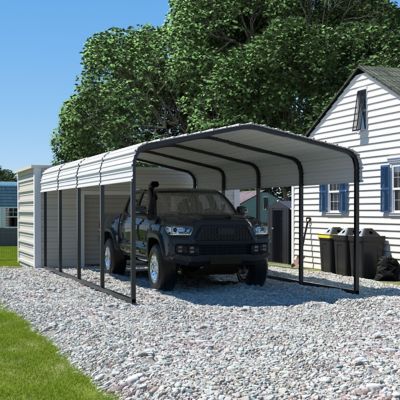
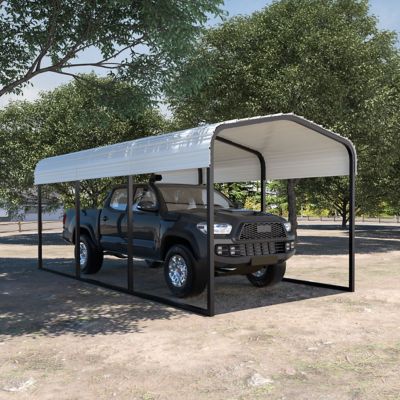
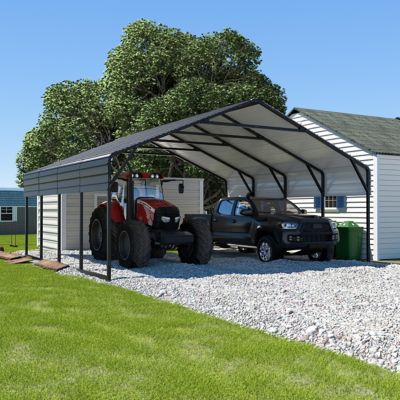
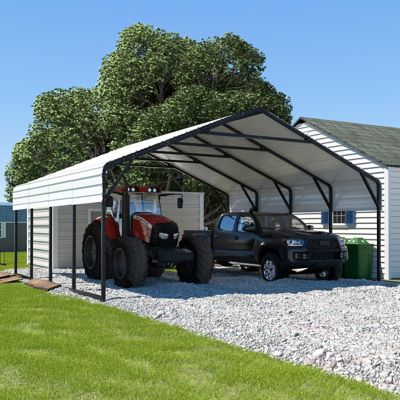
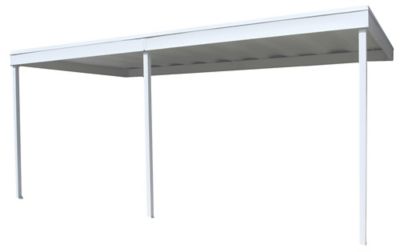
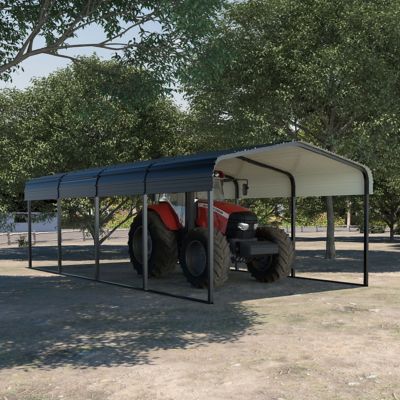
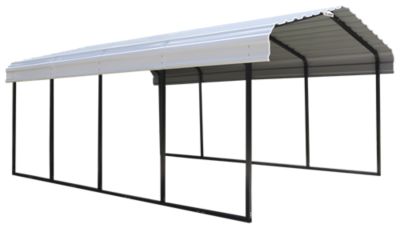
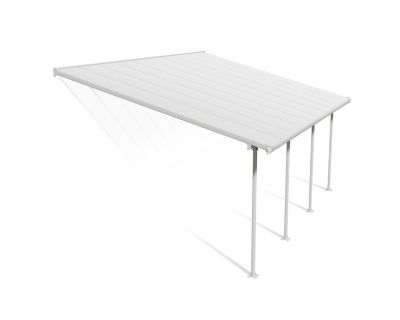
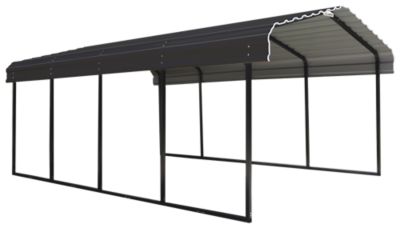
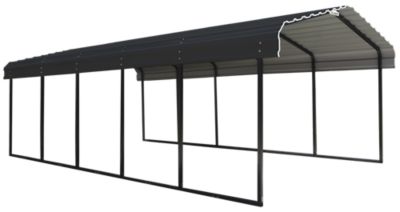
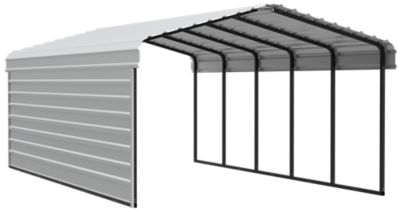
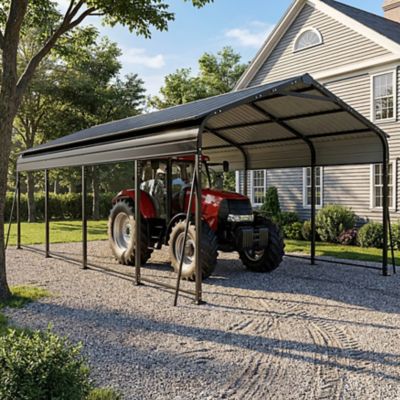
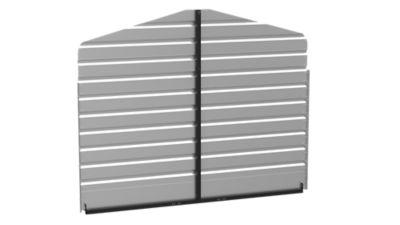
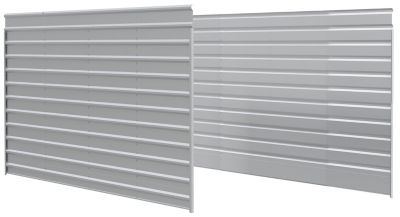
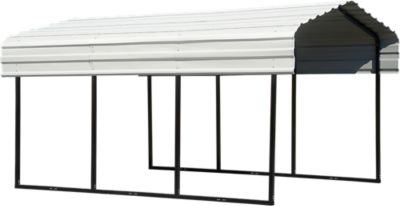
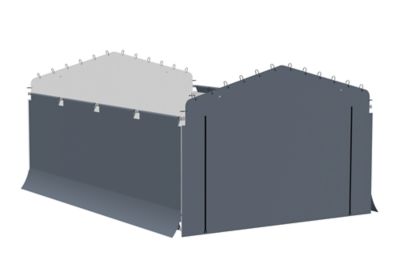
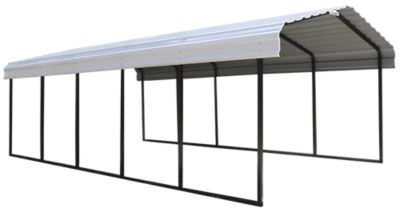
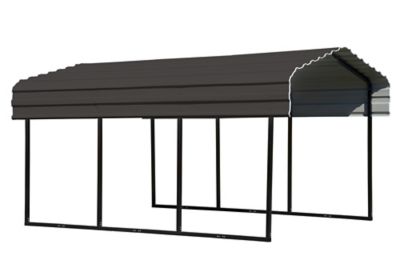
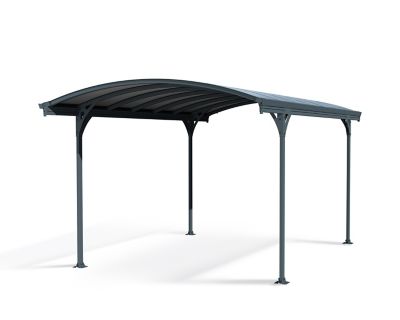
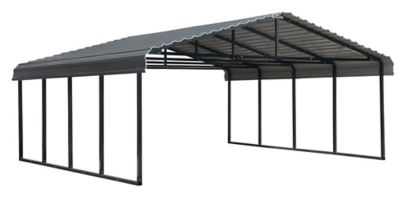
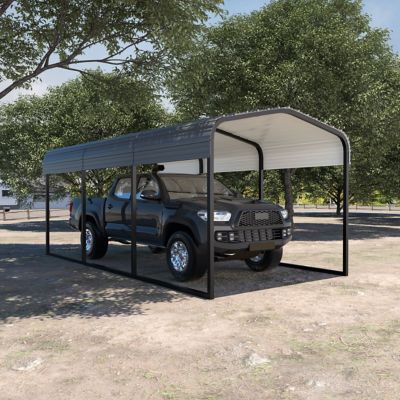
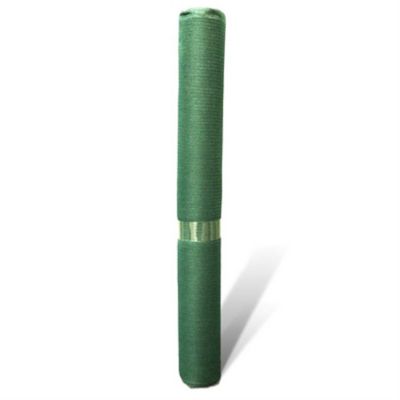
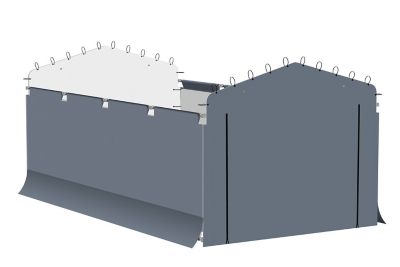
Carport building materials give you the parts needed to create a dependable place for vehicles, equipment, firewood, tools, or outdoor gear. A well-planned carport can keep a pickup, tractor, boat, trailer, or daily driver out of direct sun, rain, sleet, and falling branches, while also giving you a little extra covered workspace around the homestead. The right materials depend on the size of the structure, the surface it will sit on, and the weather it needs to handle. Galvanized steel is a popular choice for carport frames and roofing because it offers strong support, resists rust, and holds up well with little routine upkeep. Square steel tubing in heavier 12-gauge or 14-gauge options is commonly used for main posts, bows, crossmembers, and base rails, especially where high winds, heavy snow, or year-round exposure are concerns. Aluminum framing can be easier to handle and naturally resists corrosion, making it a practical fit near damp ground or coastal air, though it can bend more readily than steel if struck or overloaded. Pressure-treated wood offers a more traditional look that blends nicely with a house, barn, or workshop. Wood posts and rafters may be a good match for a custom-built structure, but they need proper sealing, staining, and inspection over time to help guard against moisture, insects, and decay. Before buying, measure the vehicles and equipment you want to shelter, then allow room for doors, mirrors, tailgates, ramps, and comfortable walking space. A narrow cover may protect the roof of a car but still leave tires and doors exposed, while a little extra width can make loading feed, unloading groceries, or climbing out after a long day much easier.
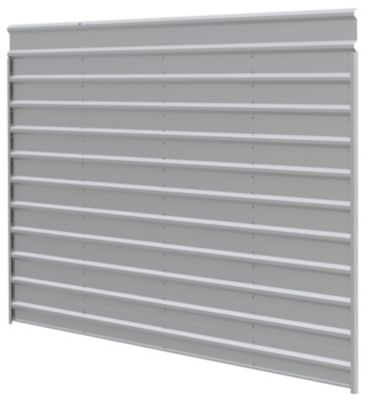
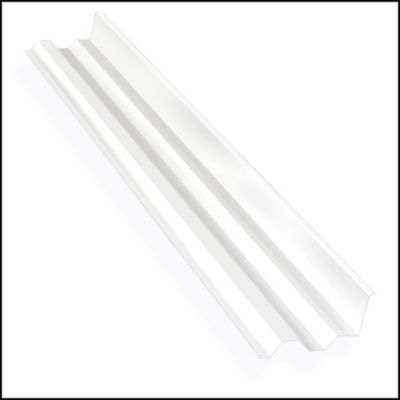
Roofing materials play a big part in how a carport performs through changing weather. Corrugated or ribbed galvanized steel panels are strong, familiar, and well suited to a roof that needs to shed rain and withstand everyday outdoor use. Thicker 26-gauge panels provide more rigidity, while 29-gauge panels may be a lighter, more budget-friendly option when the supporting frame and local conditions allow. Panel length, rib height, overlap, and roof pitch all matter because water needs a clear path away from the structure rather than a place to settle at the seams. Polycarbonate panels are another option when you want filtered daylight beneath the cover instead of a fully shaded area. They can work well over a small work zone, garden storage area, or parking space where a brighter interior is useful, though they should be selected and installed according to the maker’s recommendations for wind, snow, and temperature changes. Fasteners are just as important as the panels themselves. Self-tapping roofing screws with rubber washers help attach metal sheets tightly and seal around the fastening point, reducing the chance of leaks when installed in the proper locations. Use compatible trim, closures, sealants, and flashing where the roof design calls for them, and avoid mixing materials that may react with one another and speed corrosion. A sturdy frame also needs a solid connection to the ground. Heavy-duty concrete anchors or anchor bolts are suited to a properly prepared slab, while rebar pins or other approved ground anchors may be used for dirt or gravel installations when allowed by the structure’s instructions and local requirements. Anchoring is not a small finishing detail; it helps keep the frame from shifting, lifting, or twisting during gusty weather.
These materials can serve homeowners, farmers, ranchers, contractors, and weekend builders who need covered storage without adding a full enclosed building. They are useful for protecting a work truck during the cooler months, keeping hay tools and lawn equipment out of steady rain, or giving a new driver a sheltered place to practice parking and loading. Some families use a carport as a practical overflow area for outdoor gatherings, while others set one beside a shop for welding, sawing, potting plants, or cleaning muddy gear. If you are giving materials as a housewarming, new-home, or farm gift, start with the recipient’s plans and existing setup rather than guessing at dimensions. A person with a gravel drive may need different anchoring supplies than someone pouring a concrete pad, and a homeowner in an area with frequent snow or strong storms may need heavier framing and a roof system rated for those loads. Check local building codes, property setbacks, permit rules, and utility locations before construction, and follow the engineering, spacing, and anchoring instructions that come with the selected materials. Keep roof edges clear of low branches, plan for drainage, and make sure the finished structure does not block sightlines near a driveway. For enclosed or semi-enclosed storage needs, a
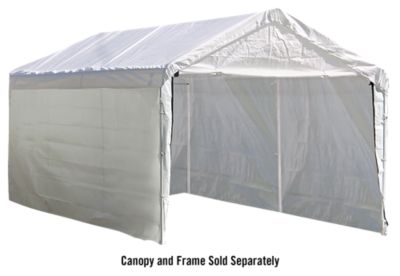
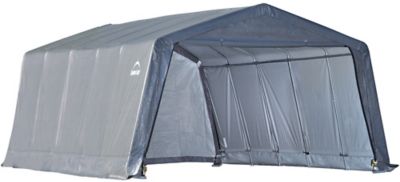
Portable Garage may offer another way to shelter vehicles and equipment while keeping setup more flexible. With careful measuring, weather-appropriate materials, and secure anchoring, a carport can become one of those hardworking improvements that earns its keep every time rain rolls in, the sun beats down, or muddy chores need a dry place to get done.