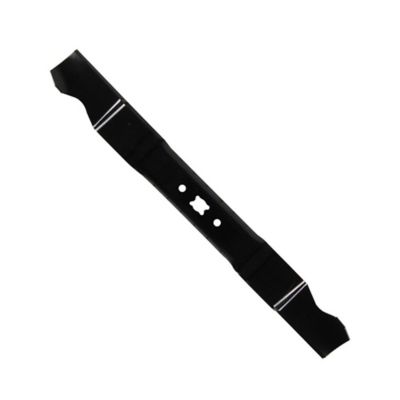
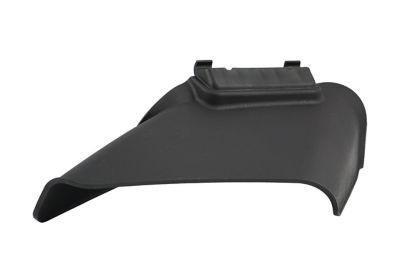
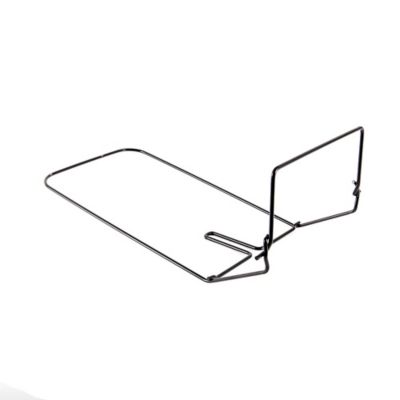
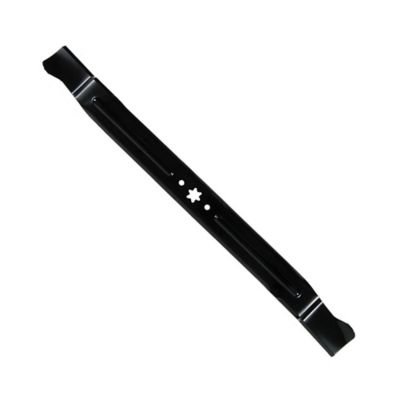
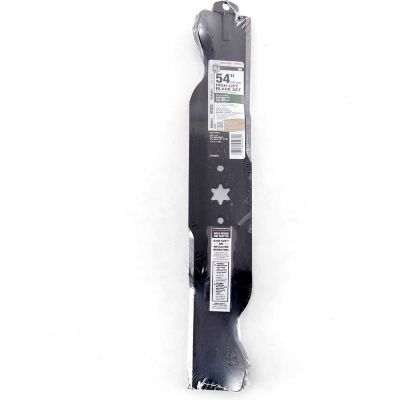
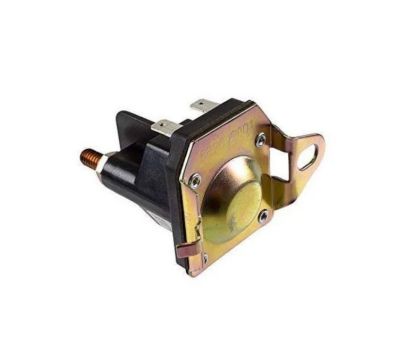
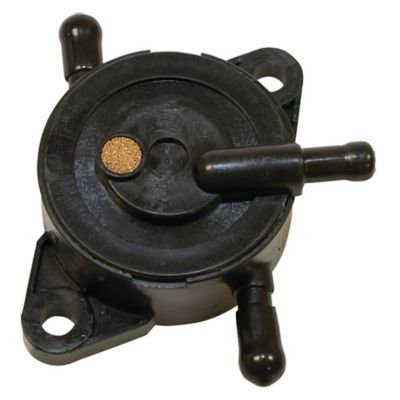
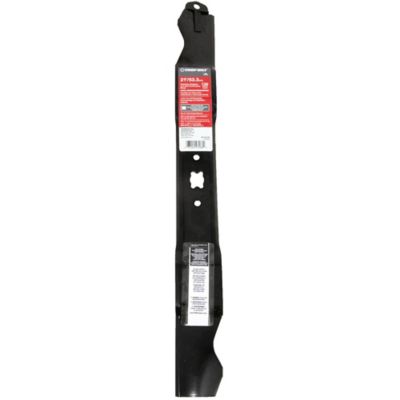
Finding the right Yardman lawn mower parts starts with identifying the mower before looking at individual components. Check the model number and serial number on the identification tag, which is often found along the rear of the cutting deck, beside the engine housing, beneath the seat, or near the frame. Write down every letter and number, including dashes or other markings, since a small difference can point to a different deck size, engine setup, belt path, or control system. It also helps to know whether the mower is a walk-behind machine or a riding tractor. Walk-behind mowers commonly need replacement cutting, air, starting, or control components, while riding equipment may call for deck, drive, steering, electrical, or seat-related parts. Search results and illustrated diagrams can narrow the field, but the mower’s identification information should remain the main reference. For shoppers comparing listings, check the part description, measurements, mounting points, connector style, and the equipment range shown by the seller. A blade that looks close may not fit the spindle, and a belt that appears to be the right length may follow a different route around the pulleys. Taking a quick photograph of the existing part before removing it can help with orientation, especially when several pulleys or cables are involved. When the original manual is tucked away in a barn drawer or no longer available, the model and serial numbers still give you a useful starting point. Shoppers looking for related equipment information can also browse
Yard Machines Lawn Mower Parts to compare replacement categories and find listings connected with outdoor power equipment.
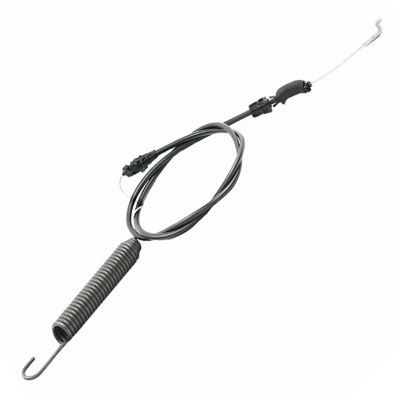
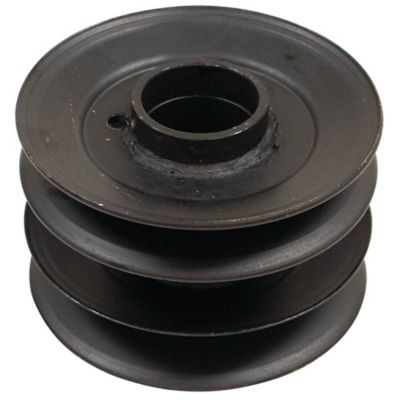
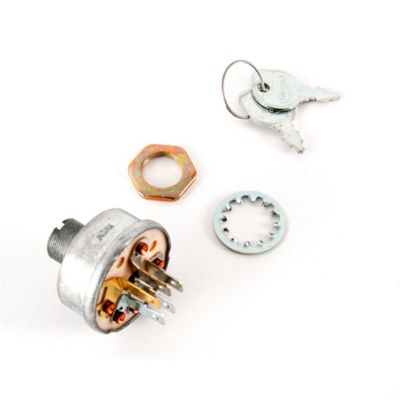
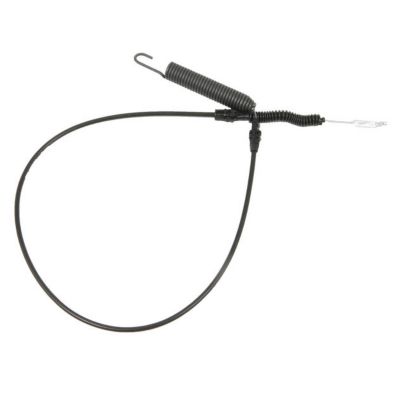
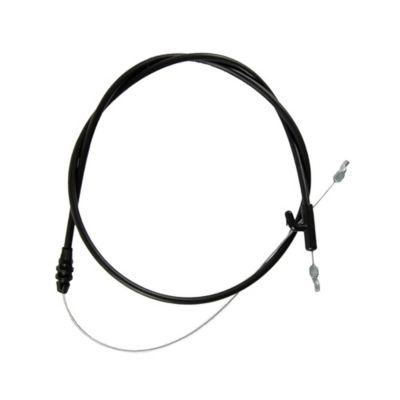
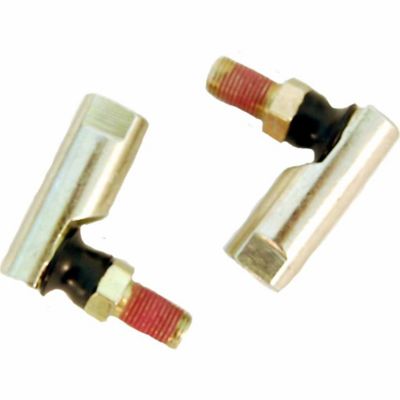
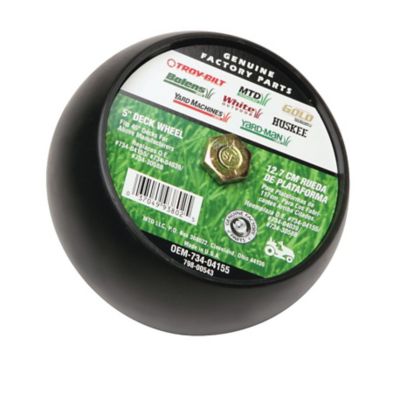
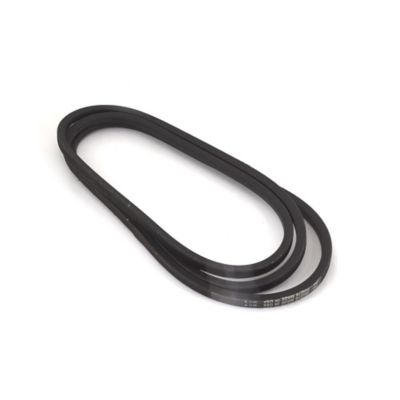
Lawn mower parts are often purchased when a machine begins to show a clear change in the way it works. A mower that leaves ragged grass behind may need attention at the cutting system, while a machine that struggles to move can point toward a belt, pulley, or drive-control concern. A mower that takes longer to start or runs unevenly may need an air filter or another engine-related component, though fuel, spark, and general service should be checked as well. Cables may become stiff, frayed, or slow to return, and a control handle should never be ignored if it does not move freely. Belts should be checked for cracking, stretching, glazing, or slack, while pulleys should turn smoothly without wobble or grinding. Before inspecting anything beneath a deck, stop the engine, disconnect the spark plug lead when appropriate, remove the key on riding equipment, and wait for moving parts to come to a full stop. Protective gloves and eye protection are sensible when clearing grass buildup or handling cutting components. During the cooler months, many property owners take stock of the mower before putting it away, giving them time to locate the right replacement part and handle repairs before the grass starts growing again. Others keep parts on hand for a working tractor that looks after a large yard, acreage, pasture edge, or rental property. These items can also make a practical gift for a parent, neighbor, or family member who takes pride in keeping the lawn neat, since the right part can help bring a familiar machine back into service without replacing the entire mower. Keep the model information, old component, and measurements together until the new part has been checked, and follow the equipment maker’s service instructions for installation, adjustment, and testing. With careful matching and a little patience, mower parts can support steady lawn care through changing weather, from the final rounds of fall mowing to the first stretch of spring growth.