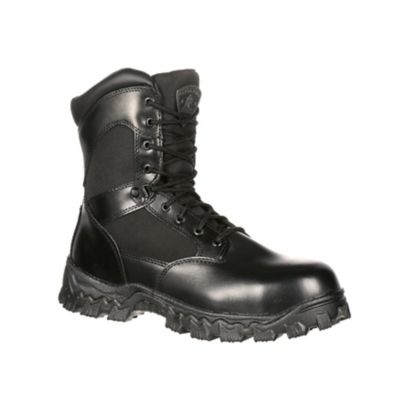
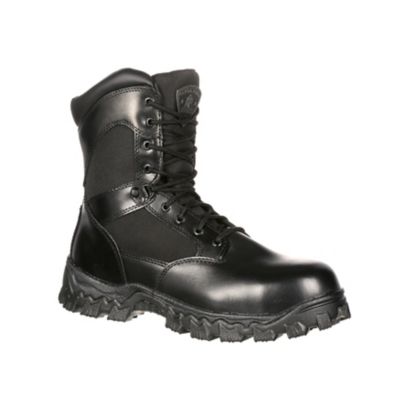
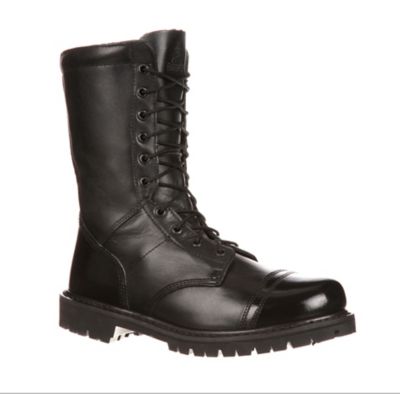
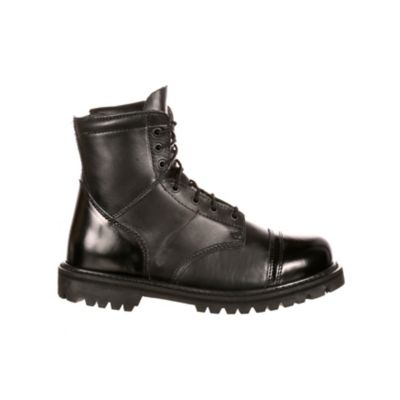
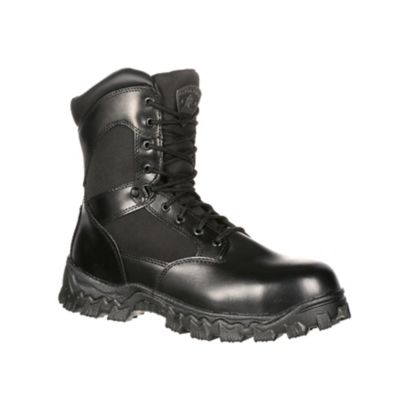
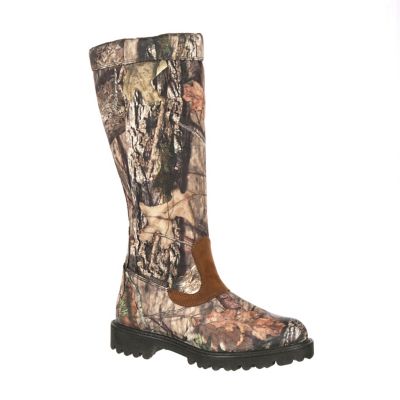
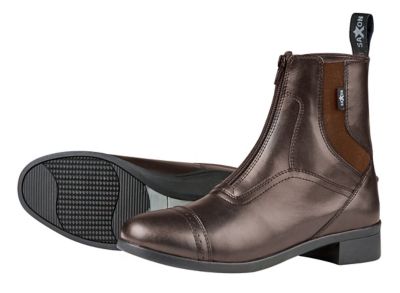
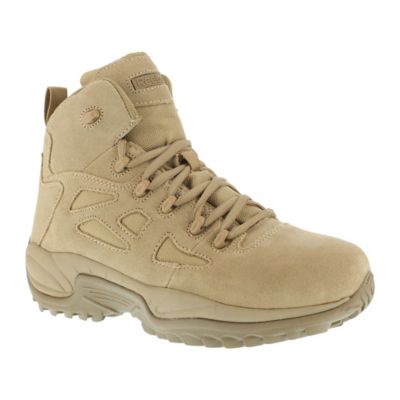
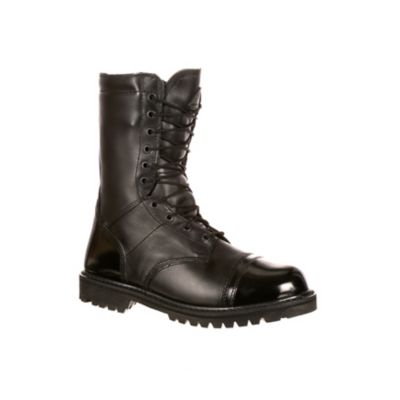
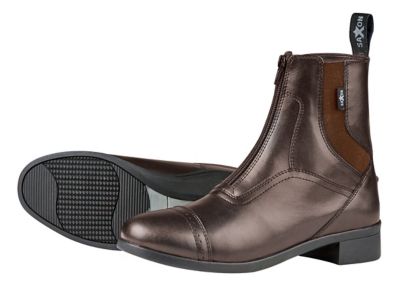
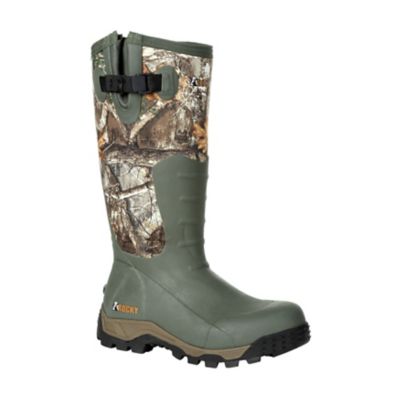
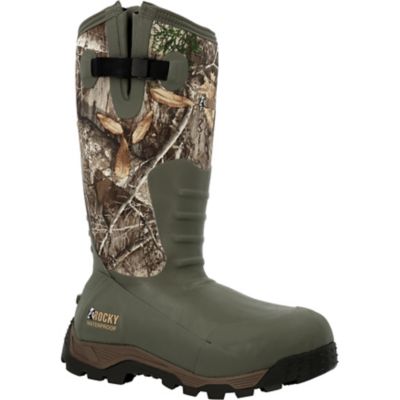
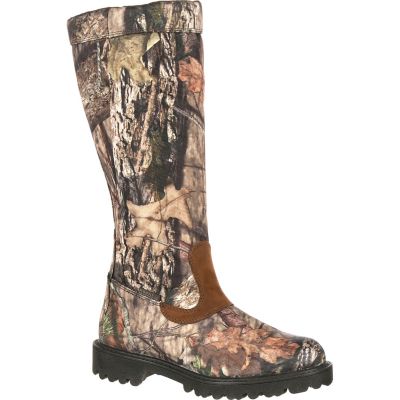
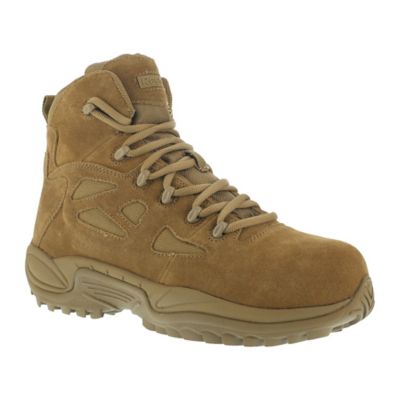
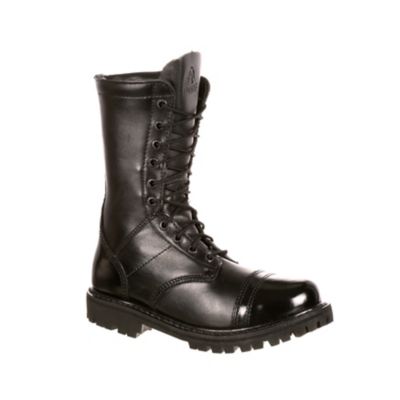
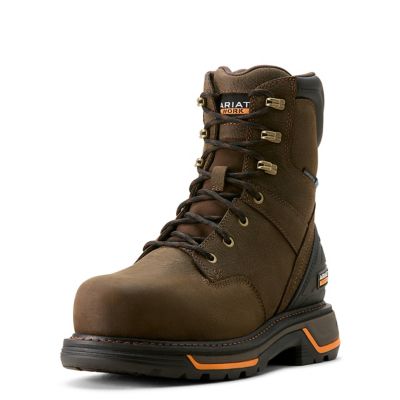
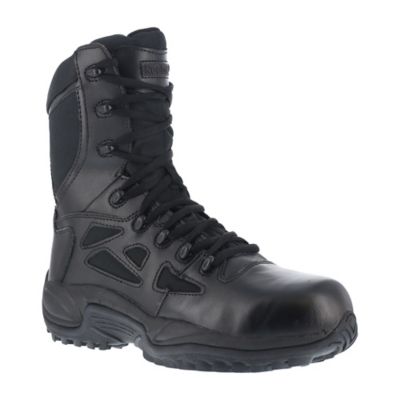
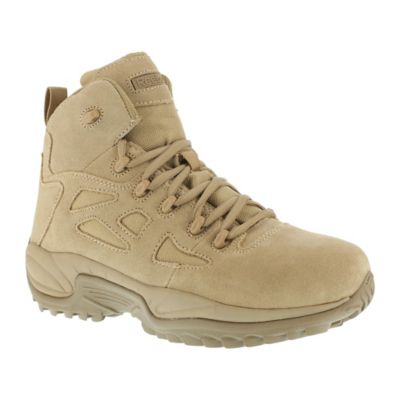
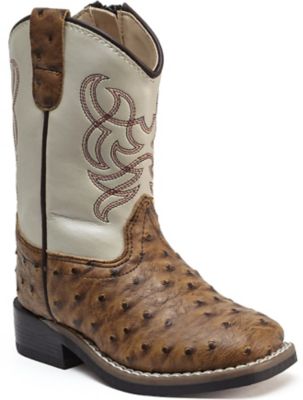
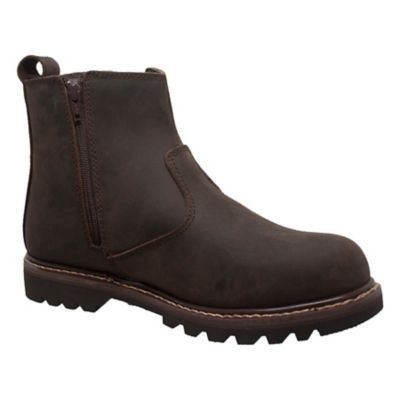
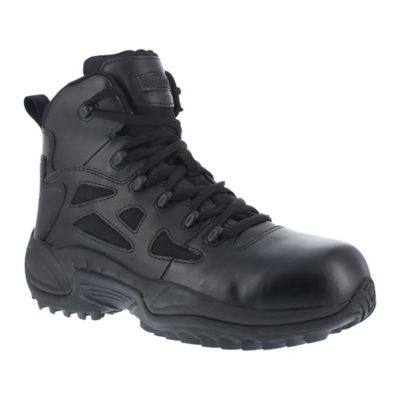
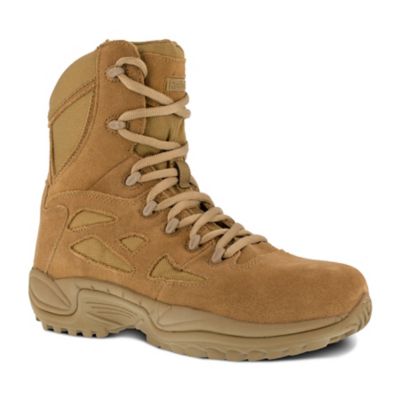
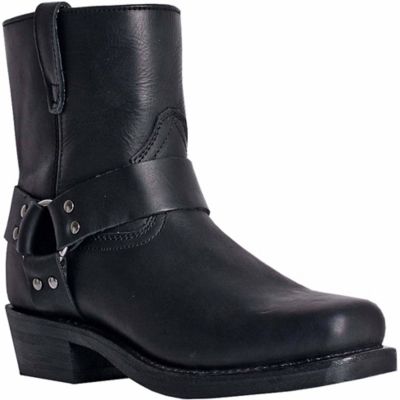
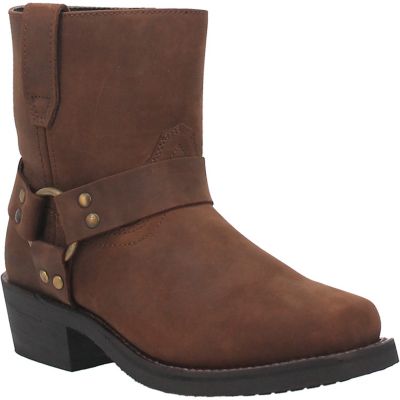
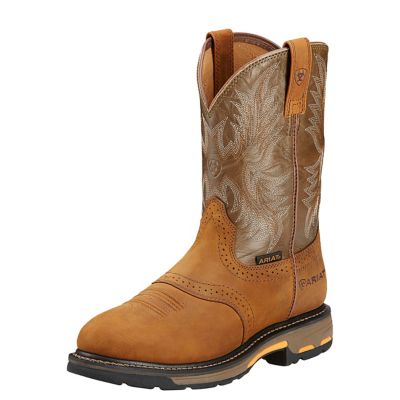
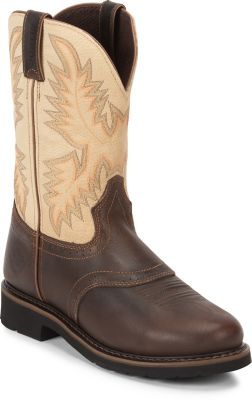
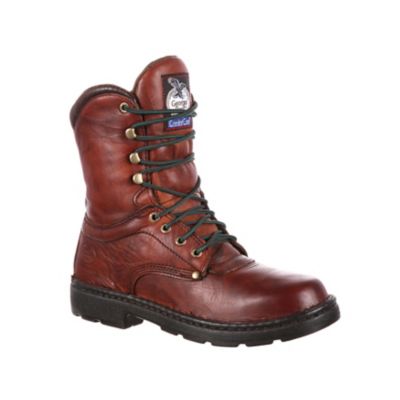
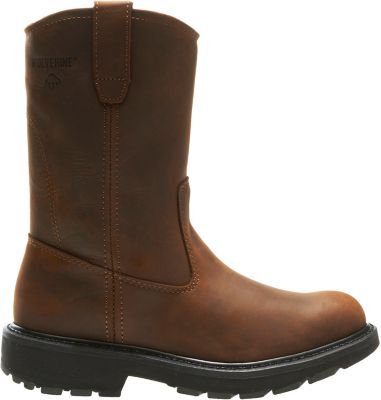
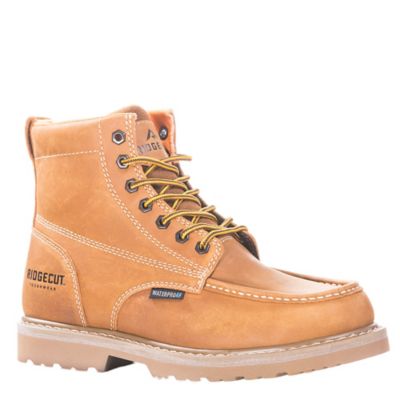
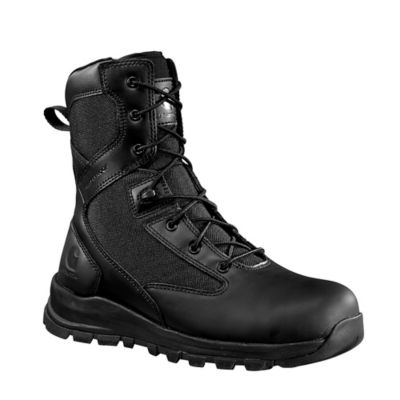
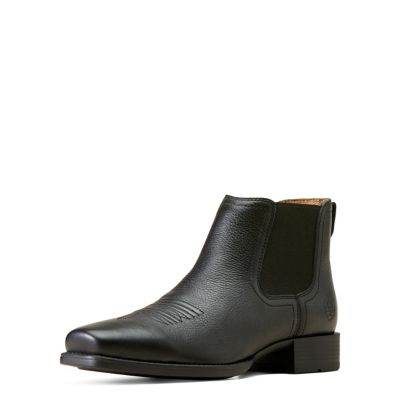
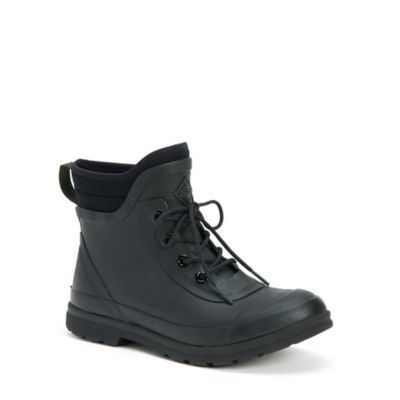
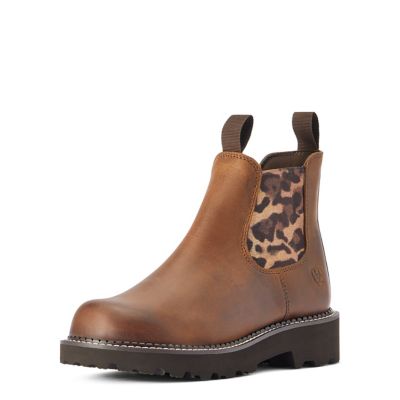
Boots with side zippers have a zipper along the shaft that opens the boot for easier entry and removal. On lace-up styles, that extra opening often lets the laces stay at a comfortable setting between wears, although occasional adjustments may still be needed. Styles without laces rely on the zipper, the shape of the upper, and sometimes stretch panels to help the boot fit around the foot and leg. That convenience comes in handy when the day starts with chores, includes a trip into town, and ends with boots coming off at the back door. The zipper may sit on the inside or outside of the shaft, with a leather flap or small closure tab on some designs to cover the hardware or secure the pull. Ankle-height boots keep the profile low, while taller shafts provide more coverage around the lower leg. Smooth leather can suit everyday wear and a sharper outfit, while suede and nubuck bring a softer, brushed finish. Leather-and-textile combinations may offer a more flexible feel or reduce weight, depending on their construction. Full-grain leather retains the natural surface of the hide and can develop creases and changes in color with wear; other leather finishes have different appearances and care needs. Neither the zipper nor the leather description alone tells the whole story about how a boot will perform. Stitching, sole attachment, lining, and reinforcement around the zipper all play a part in how it holds up. For jeans, a button-down shirt, or a relaxed evening out,
Casual Boots offer another way to explore everyday footwear styles. A side zipper adds convenience without requiring one particular look: the overall shape, toe profile, heel, and finish determine whether a pair leans toward workwear, uniform wear, or a night at the county fair. The right choice feels at home in the places it will actually go.
Fit matters just as much as the easy-on opening, especially for boots that will spend a full day on concrete, gravel, or shop floors. A side zipper creates access, not extra room once it is closed. The boot should zip smoothly without pulling the sides together by force, and the closed shaft should not press sharply against the ankle or calf. Toes need room to move without the foot sliding forward, while the heel should feel controlled rather than rubbing with every step. A little movement can vary by construction, but persistent slipping, pinching, or numbness points to a poor match. The socks intended for regular wear belong in the fitting decision, along with any orthotic or replacement footbed. Width and instep height can be especially important in a zip-front-free design that has fewer adjustment points than a lace-up boot. On a style with both laces and a side zipper, the laces establish the fit across the foot, and the zipper handles much of the everyday entry and removal. For time around a barn or workshop, an outsole with a suitable tread pattern and a steady platform may matter more than a dressy finish. Deeper lugs can grip loose ground but also carry dirt into the truck, while a flatter tread may be easier to brush clean. Slip resistance depends on the sole, surface, and conditions; no tread makes every floor safe. For jobs with footwear requirements, a side zipper is simply a closure feature, not proof of protection. Safety-toe construction, electrical-hazard protection, and other performance features need to match the employer’s requirements and the boot’s stated ratings. A plain-toe casual boot should not be treated as protective work footwear. Cushioning can soften the feel underfoot, but the balance of support, weight, and flexibility is what makes sense for the wearer’s routine. Someone walking a property all day may want a different feel from someone sitting, driving, and making short stops.
The zipper deserves the same attention as the leather and sole because it is another working part of the boot. Grit caught between the teeth can make the slider drag, and forcing a tight zipper can strain the stitching or damage the closure. Opening it fully before taking the boot off helps avoid tugging against a partly closed shaft. A small brush can clear loose dirt from around the zipper, welt, and tread before it works deeper into those areas. Smooth leather generally benefits from care products suited to its finish, while suede and nubuck call for their own brushes and treatments. Testing a treatment on a less visible spot helps reveal darkening or other changes before the whole boot is treated. Care should follow the maker’s directions, particularly when a lining or membrane is involved. A side zipper by itself does not make a boot waterproof, and even a covered zipper does not establish a water-protection rating. Construction around the opening, including any gusset or membrane, matters more than appearance alone. After cleaning, boots belong in a ventilated spot away from direct heat, with enough room to dry inside as well as outside. Removable footbeds, when the design includes them, can be taken out for drying. Keeping the zipper clear, addressing loose stitching, and watching for separating soles can help prevent a small problem from becoming a bigger repair. For a gift, the most useful details are the recipient’s usual size, preferred width, everyday activities, and preference for a snug or roomy shaft. Side-zip boots may appeal to someone who dislikes retying laces or finds reaching and pulling them inconvenient, though zipper size and placement affect ease of handling. From heading down the lane to meeting friends for supper, the appeal is straightforward: familiar boot styling with an opening that makes getting in and out less of a chore. Materials, fit, and the demands of the day still do the heavier lifting.