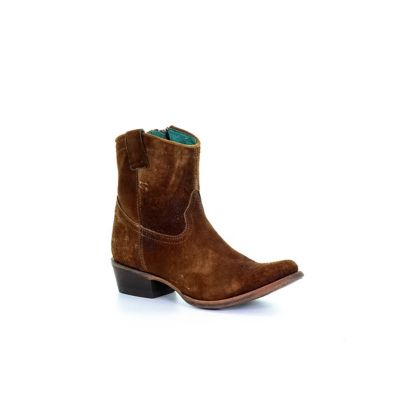
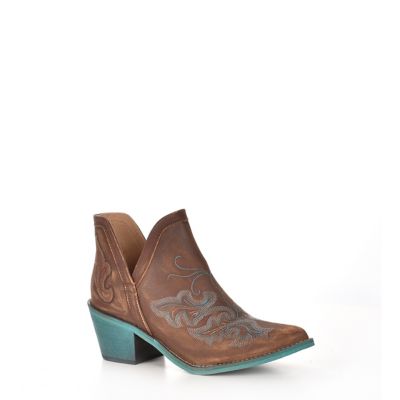
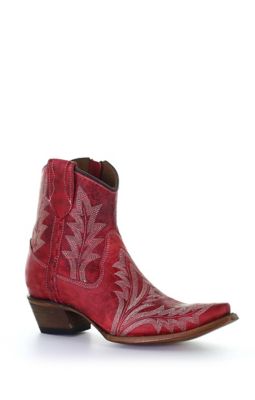
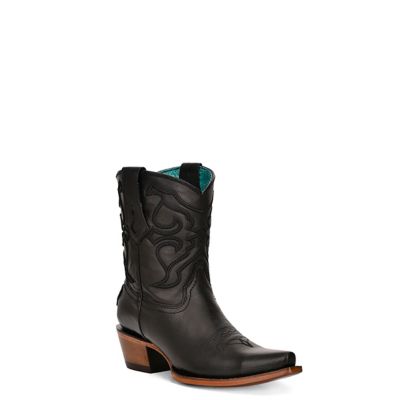
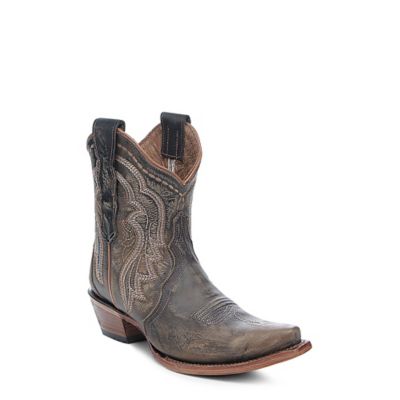
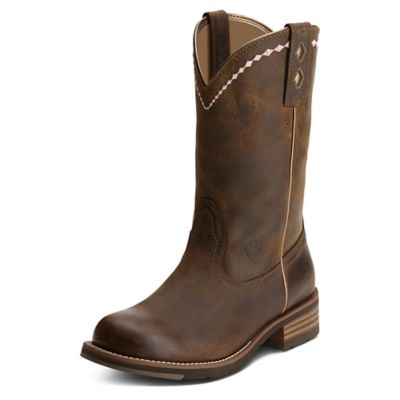
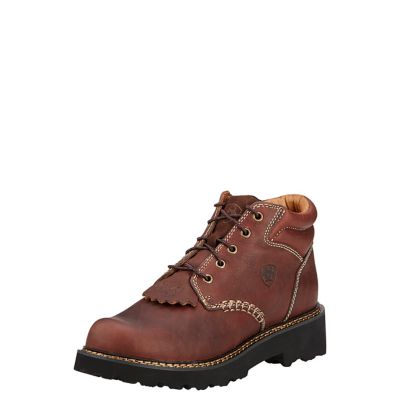
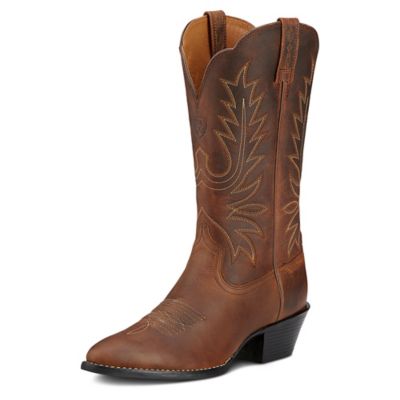
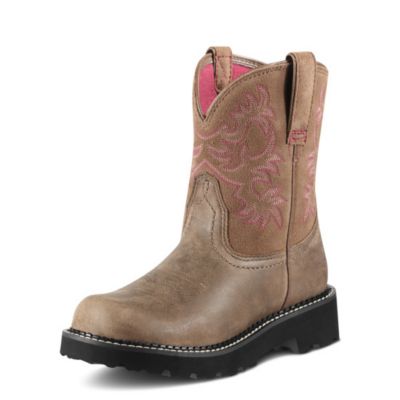
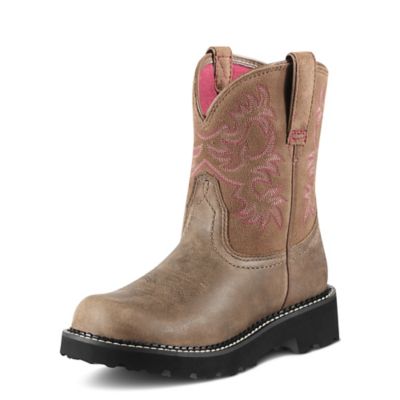
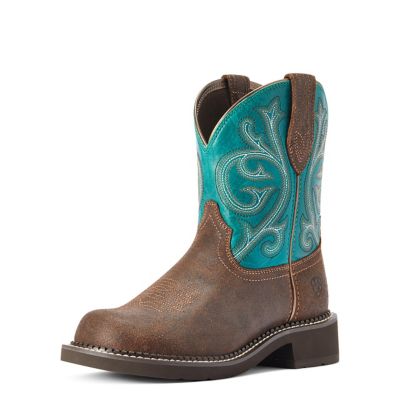
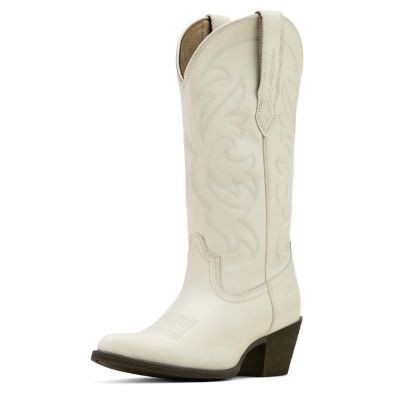
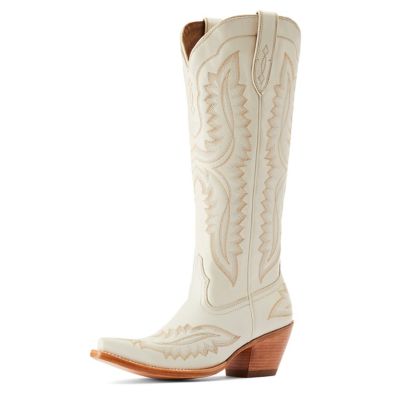
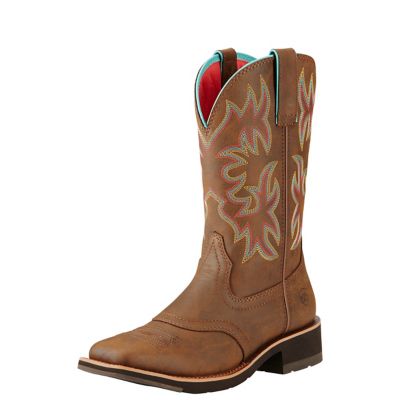
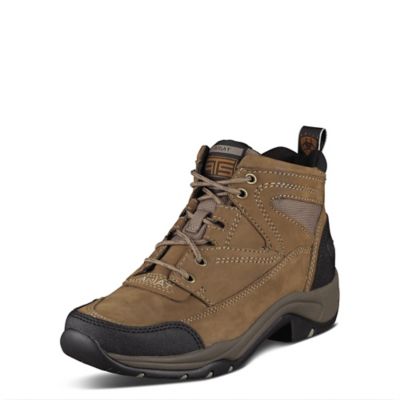
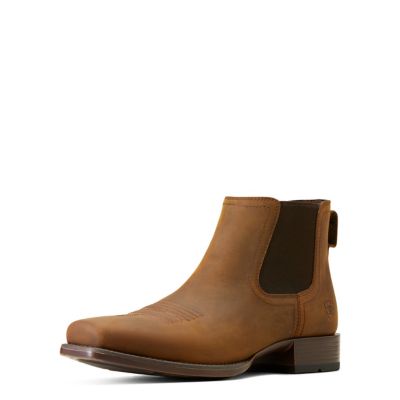
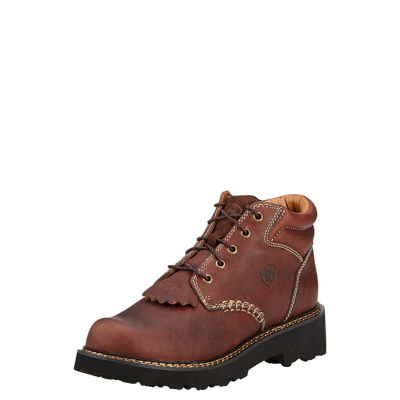
Women’s Western ankle boots bring the look of cowboy boots to a shorter shaft that sits around the ankle. Common features include Western stitching, pointed or square toes, pull tabs, and block or stacked heels, though the details vary from one style to another. That shorter profile makes them an easy match for jeans, dresses, and skirts without the taller shaft of a traditional cowboy boot. They fit into plenty of everyday plans, whether that means stopping at the feed store, heading to a county fair, or meeting friends for supper after a long day. Some have a plain leather vamp with just a little stitching, while others lean into embroidered patterns, contrasting panels, fringe, or side cutouts. A simple brown or black pair keeps the look understated; a brighter color brings more personality to an otherwise plain outfit. For a colorful take on the same Western look,
women’s pink Western boots pair naturally with denim and easygoing neutrals. Toe shape changes the overall feel, too. A pointed toe gives the boot a sharper outline, a round toe has a softer look, and a square toe creates a broader profile across the front. Heel height matters just as much as appearance: a lower heel may suit errands and plenty of time on foot, while a taller heel adds lift for a dressier outfit. Cropped jeans leave the shaft and stitching in view, while straight-leg or bootcut jeans can fall over the top for a more traditional finish. With dresses, the ankle-height shaft keeps the boot from covering much of the leg. The result is a Western staple with room for both dressed-up plans and ordinary days, especially for women who like cowboy-inspired details without wanting a full-height boot.
Materials and construction help determine how women’s Western ankle boots feel, how they break in, and where they make the most sense. Smooth leather can develop creases and a richer appearance with wear, while suede has a soft, napped surface that calls for different cleaning methods. Synthetic uppers offer another option, with care needs that depend on the particular material. Linings, seams, and the flexibility of the upper can be just as noticeable as the outside finish, especially around the ankle opening. A soft-looking boot may still have a firm heel counter, and an unlined edge may feel different against the leg than a padded collar. Underfoot, cushioning, arch support, outsole flexibility, and heel shape all contribute to comfort. A broad heel provides a different base than a narrow one, but comfort still depends on how the whole boot fits the foot. Outsole materials also vary: leather, rubber, and synthetic soles each have their own feel, and tread patterns influence footing on different surfaces. Slip resistance should come from the manufacturer’s stated features rather than appearance alone. Fit deserves a little extra attention with Western toe shapes. In a pointed boot, the tapered tip extends beyond the toes; the foot should not be squeezed into that narrow space. A square toe may look roomy without necessarily being wider through the ball of the foot, so the stated width matters more than the outline. Trying boots with the socks intended for everyday wear gives a better sense of the fit through the instep and heel. Pull-on styles need enough room for the foot to enter, while side zippers can make the opening easier to manage. A little heel movement can occur in some new pull-on leather boots, but repeated rubbing, pinched toes, or a foot sliding forward are signs to reconsider the fit. Breaking in leather should not mean putting up with painful pressure.
Long wear starts with matching Western ankle boots to the job at hand. Many styles are built for everyday outfits and social outings rather than barn chores, demanding work, or riding. A Western shape alone does not mean a boot has a safety toe, electrical hazard protection, waterproof construction, or the heel and sole needed for a particular riding setup. Those features need to be confirmed in the boot’s specifications. For a day that includes walking across a gravel parking lot, browsing fairgrounds, and standing through a concert, secure fit and comfortable underfoot support deserve more attention than heel height alone. For an evening at a dance hall, the floor surface and the sole’s movement matter as well. Care should match the material, not just the boot’s appearance. Loose dirt is easier to remove before it settles into seams and stitching, and smooth leather generally benefits from gentle cleaning followed by a compatible conditioner when the manufacturer recommends it. Suede calls for a suitable brush or cleaner rather than leather polish, which can change the nap and color. Any treatment is best checked on an inconspicuous spot first. Boots that get damp should dry away from direct heat, with enough support inside to help retain their shape. Keeping them out of a pile on the closet floor also helps prevent crushed shafts and scuffed toes. Heel tips and soles deserve an occasional look, since uneven wear can change the way a boot stands and feels. Women’s Western ankle boots can also make a thoughtful birthday or graduation gift for someone who already enjoys Western clothing. The recipient’s usual size, preferred width, favorite toe shape, and comfort with heel height are helpful starting points. A familiar color and an easy-to-wear silhouette may get more outings than a dramatic style that does not fit her routine. The best match is a pair that feels at home with her clothes, her plans, and the way she spends the day.