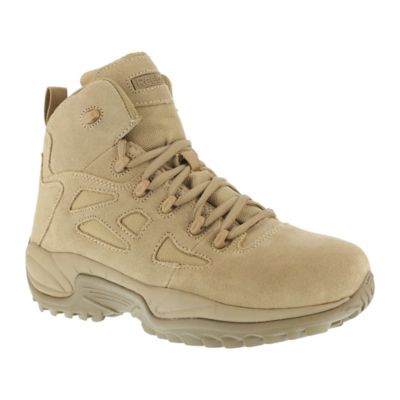
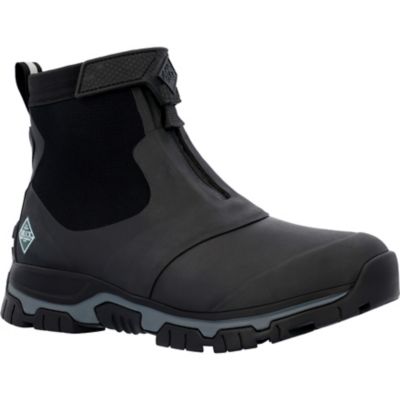
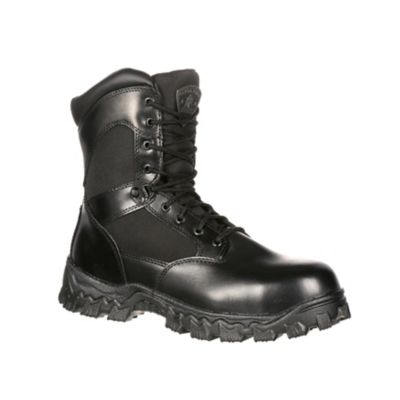
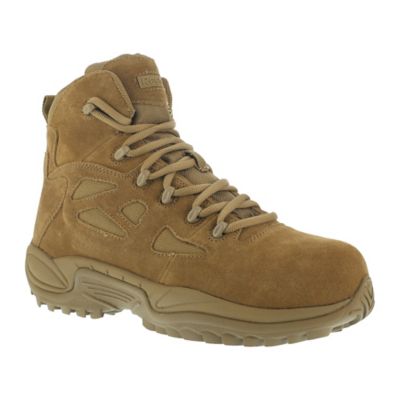
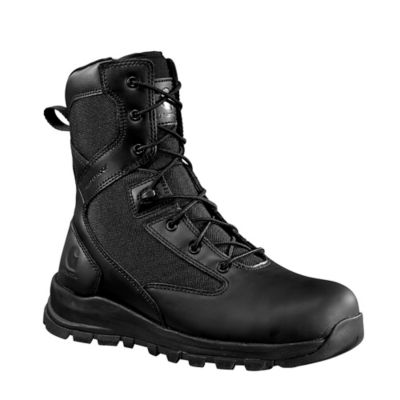
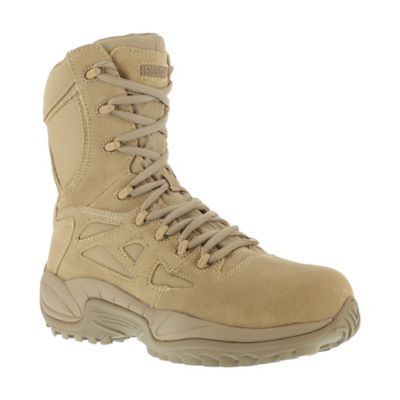
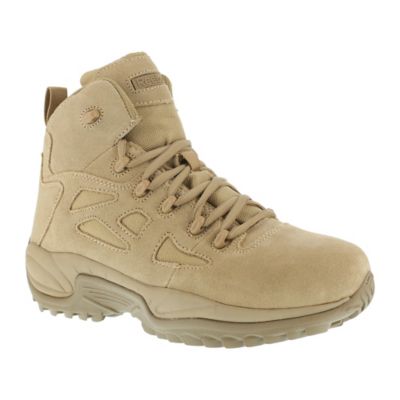
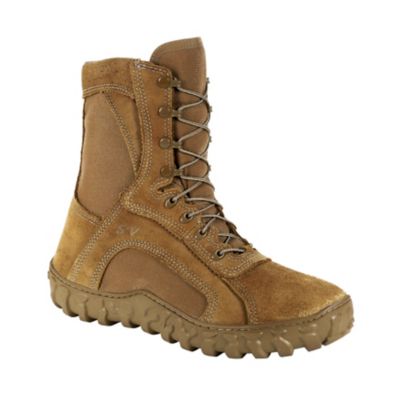
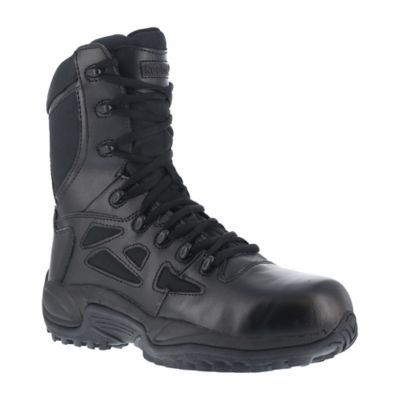
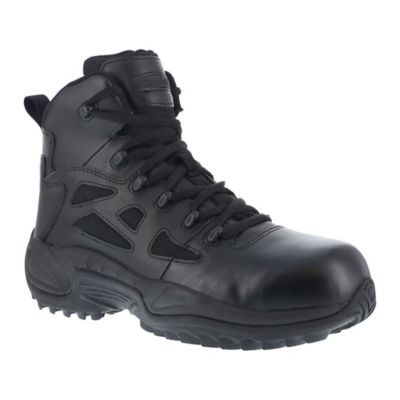
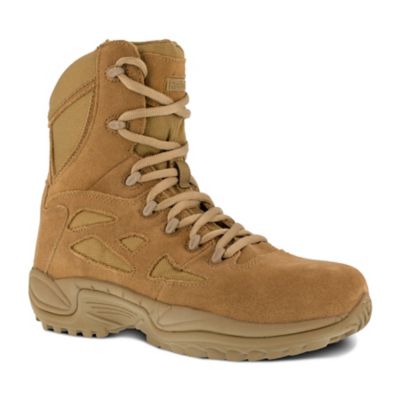
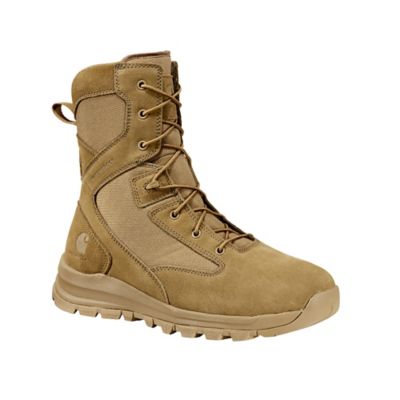
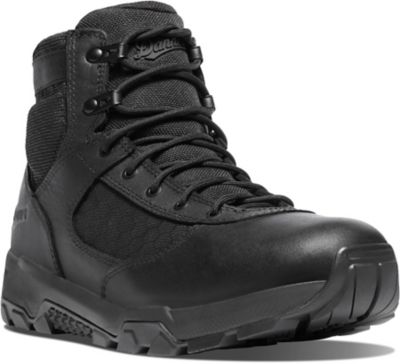
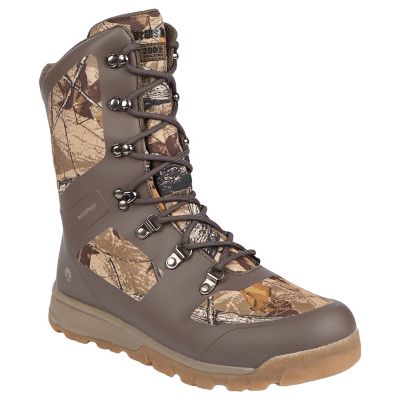
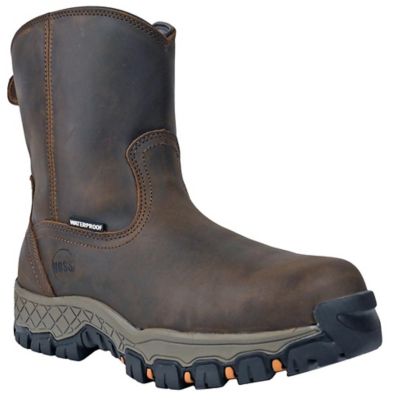
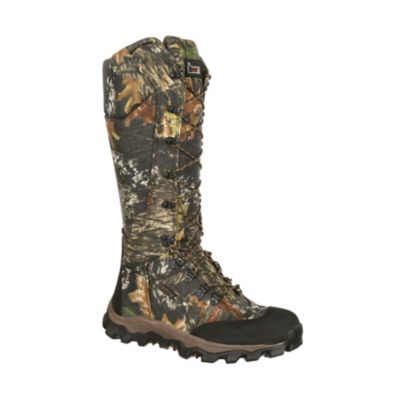
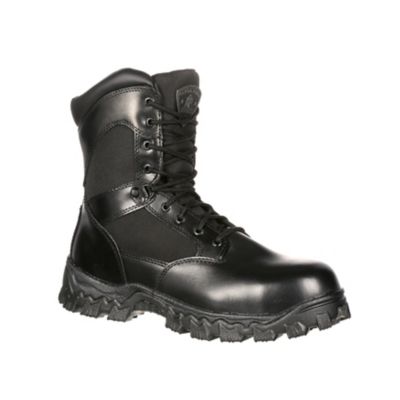
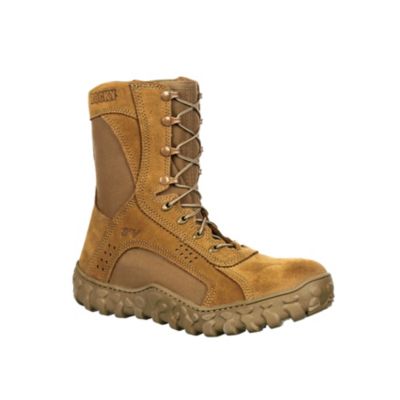
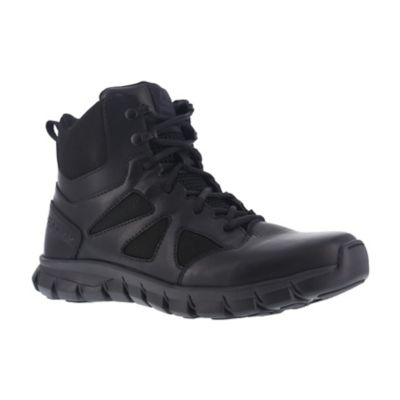
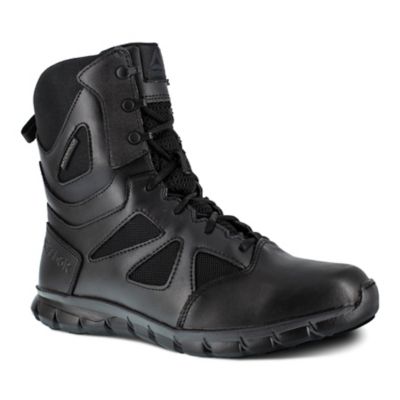
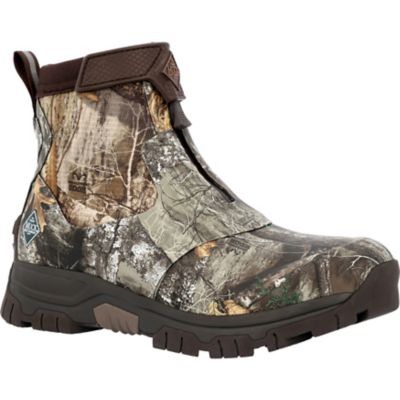
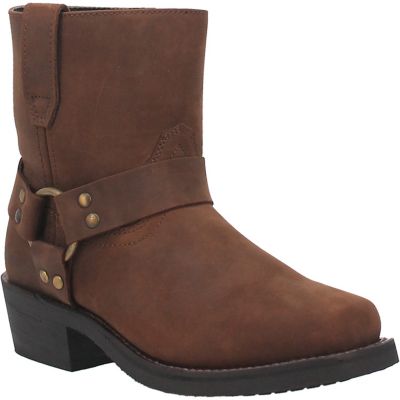
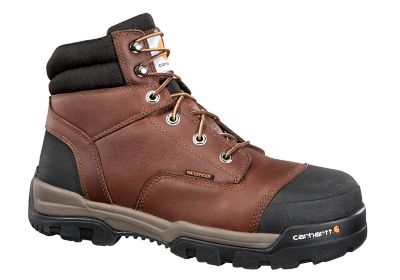
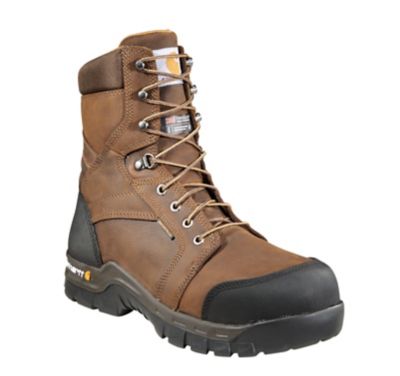
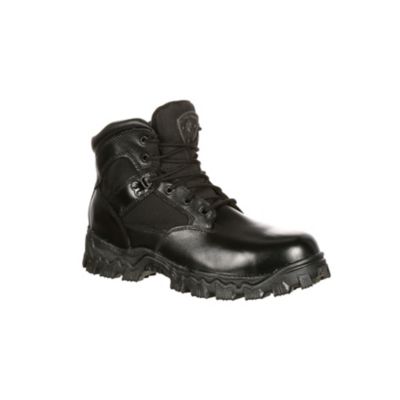
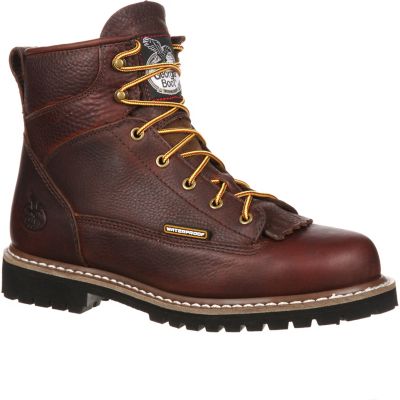
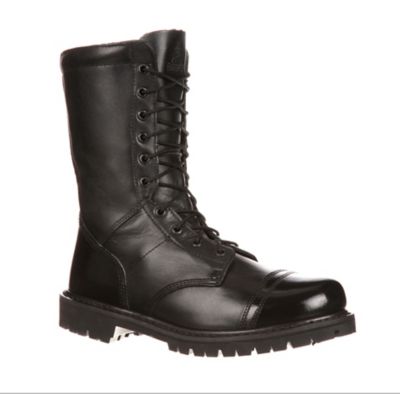
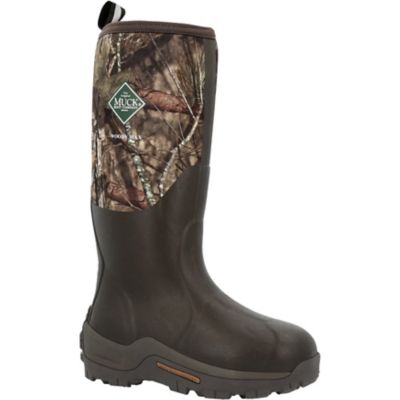
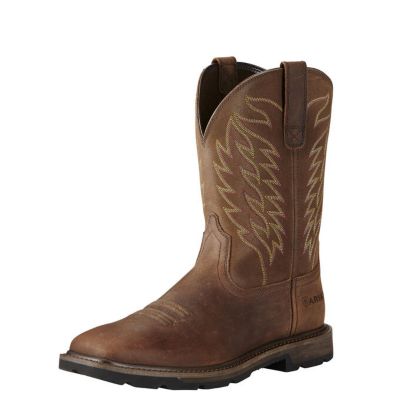
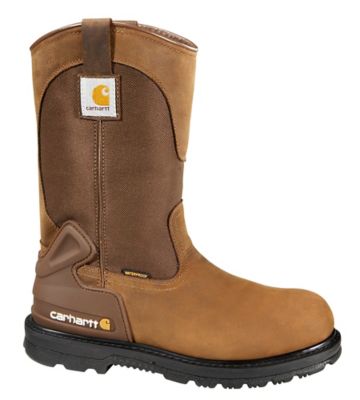
Men’s side-zip tactical boots are built for people who need dependable support, steady footing and a faster way to get ready than traditional lace-up boots provide. A zipper running along the inside of the boot lets you slip in and out more easily, while the laces still allow a secure, close-to-the-foot fit around the ankle and instep. That combination comes in handy during long work shifts, early mornings on the farm, security rounds, outdoor jobs and active days when boots may be taken off and put back on several times. An 8-inch shaft offers extra ankle coverage and helps keep loose dirt, gravel, brush and shallow puddles from getting inside, while lower-cut styles may feel lighter and more flexible for everyday wear. Many tactical boots use a mix of leather, nylon or other rugged textiles to balance durability with reduced weight. Leather can provide a structured feel and a polished appearance, while nylon panels may improve airflow and flexibility. If wet grass, muddy ground or changing weather is part of the routine, look for water-resistant or waterproof construction, sealed seams and a gusseted tongue. No boot keeps feet dry if water comes over the top, but the right materials can make a noticeable difference when walking across a damp pasture or loading equipment during the cooler months. A moisture-wicking lining can also help move perspiration away from the foot, which matters when boots are worn from sunrise through the end of a long shift.
The sole deserves just as much attention as the upper. Look for a rubber outsole with a lugged tread that can grip packed dirt, gravel, wet pavement and uneven ground without feeling overly bulky. Oil- and slip-resistant compounds are useful around garages, workshops, livestock areas and other places where spilled fluids or smooth flooring can create a hazard. A firm heel and supportive midsole help reduce the tiring feeling that can build up after hours of standing or carrying equipment, while a flexible forefoot allows a more natural stride. Some tactical boots include a shank for added stability under the arch, and others use cushioning designed to soften repeated steps on hard floors. Consider the work you actually do before choosing the heaviest construction available. A boot made for carrying a loaded pack may feel reassuring in rough terrain, but a lighter pair can be more comfortable for driving, walking fence lines or moving between buildings all day. Side-zip boots should fit snugly at the heel without pinching the toes, and there should be enough room to wiggle the toes while wearing the socks you normally use. Try them on later in the day, when feet have naturally expanded, and check that the zipper closes smoothly without pulling against the ankle. Laces should hold the heel in place even when the zipper is opened, since the zipper is meant for convenience rather than replacing the fit and support provided by proper lacing. For those who prefer a uniform-ready look, a polishable toe and clean, understated upper may be important. For outdoor and utility work, scuff resistance, drainage, reinforced panels and easy-clean materials may matter more than a dressier finish.
Men’s side-zip tactical boots can serve a wide range of users, including first responders, law enforcement personnel, security workers, warehouse crews, tradespeople, hunters and anyone who spends a lot of time on their feet outdoors. They can also be a practical gift for a new employee, a family member starting a physically demanding job or someone preparing for training and fieldwork. When shopping for a gift, focus on useful features rather than guessing at a particular style: dependable traction, ankle support, a comfortable lining and a zipper that is easy to operate are good places to start. Keep in mind that sizing can vary between boot designs, so a gift recipient may appreciate an exchange-friendly purchase or the chance to choose the fit themselves. During the transition from warmer days to cooler weather, tactical boots pair well with work pants, cargo trousers and durable outdoor clothing, and waterproof materials become especially helpful as dew, rain and muddy ground become part of the daily routine. Let muddy boots dry naturally away from direct heat, brush off dirt before storing them and wipe leather uppers clean when needed. A small amount of boot conditioner can help preserve leather, while fabric and nylon sections may call for a simple cleaning recommended by the manufacturer. Keep the side zipper free of grit, and avoid forcing it if mud or fabric catches in the teeth. For more options focused on all-day wear and supportive construction, explore
Comfortable Military Boots. With the right fit, tread and weather protection, a well-made pair can move easily from the jobsite to the back forty and stay ready for the next demanding day.